
Edwardian Cabinet Porcelain
Edwardian cabinet porcelain brings together delicate bone china plates and decorative dishes painted by notable artists for display rather than daily dining.
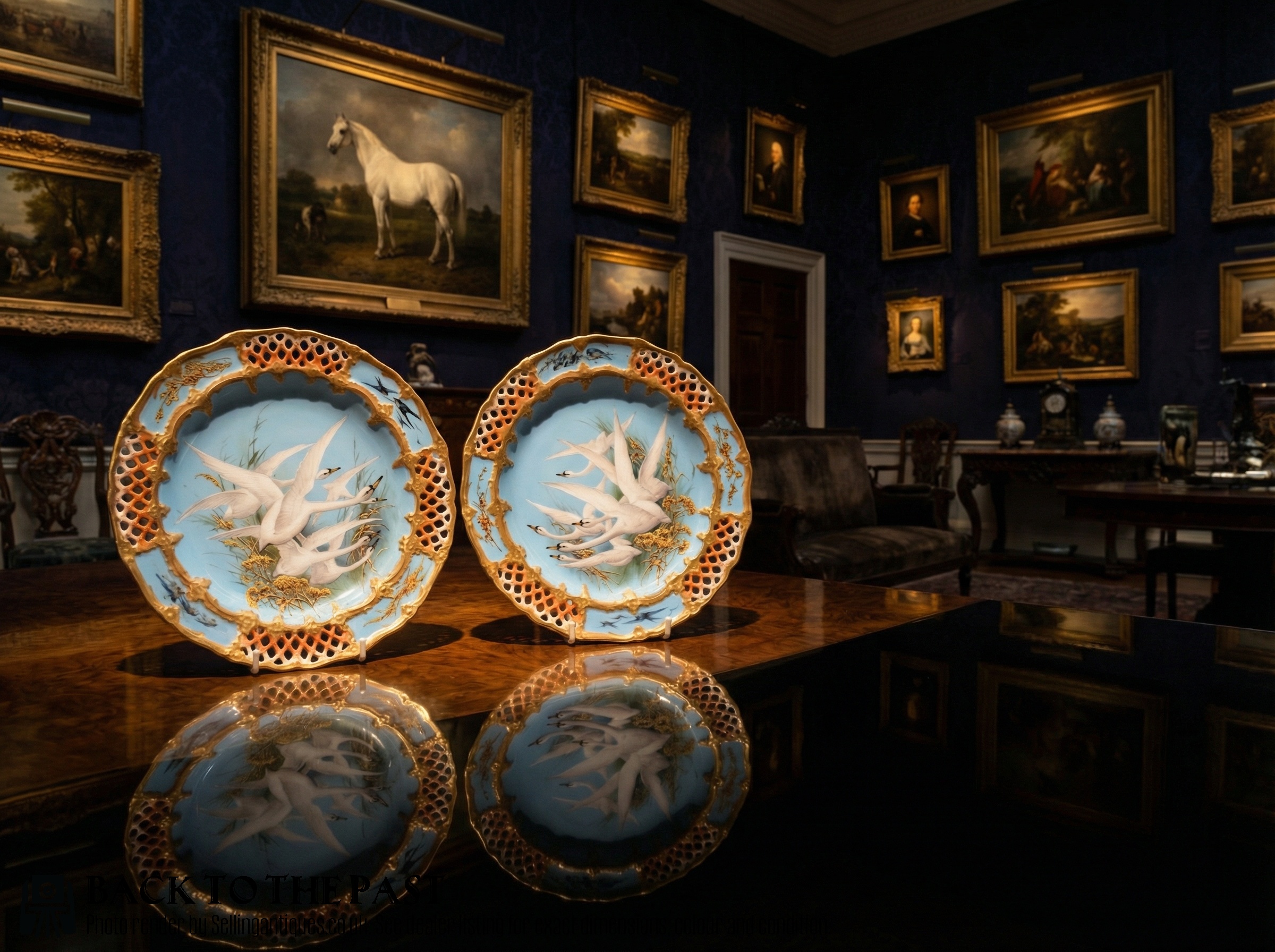
Edwardian Cabinet Porcelain
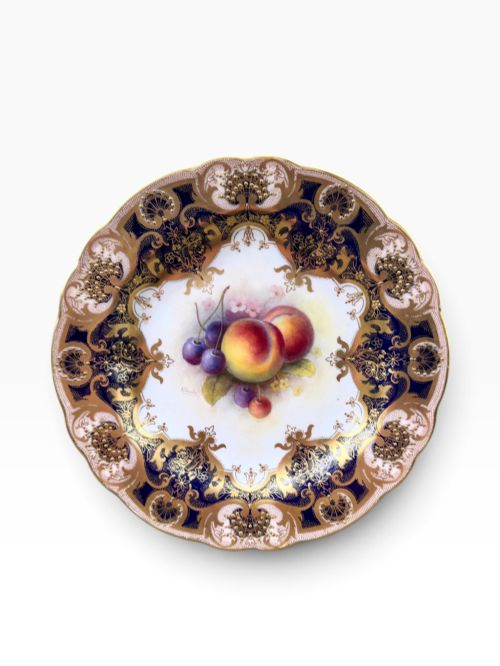
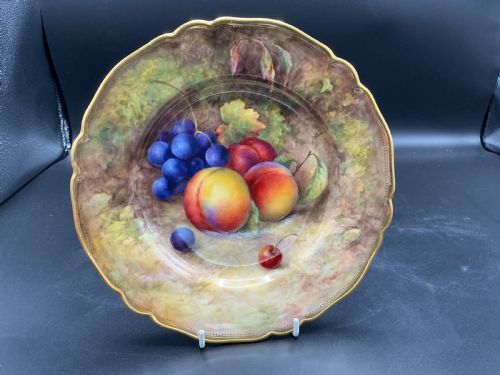
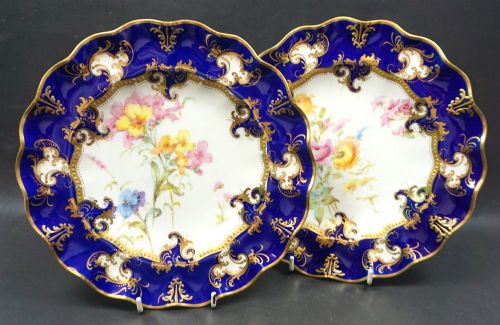
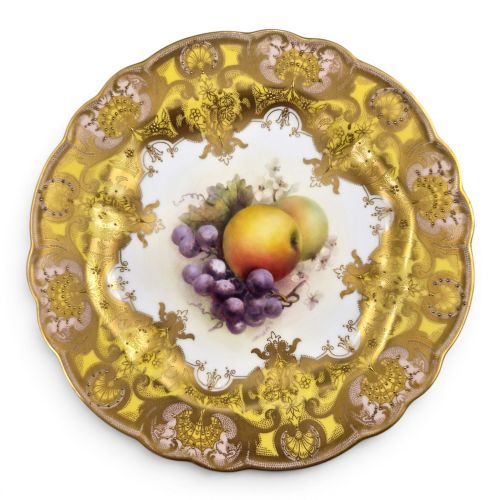
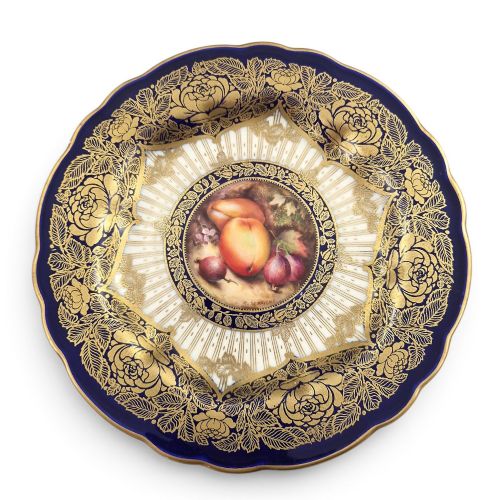
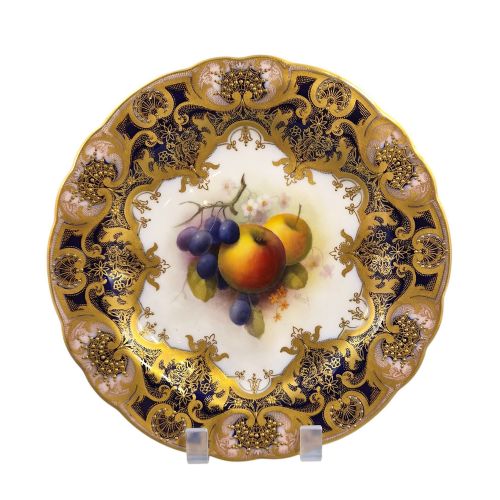
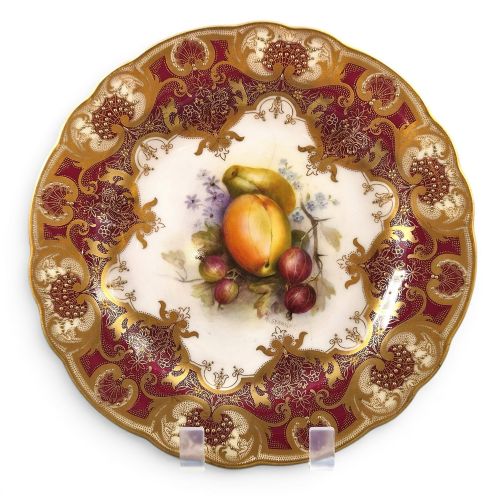
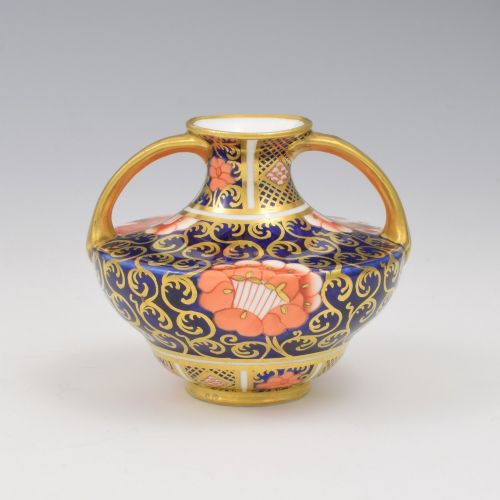
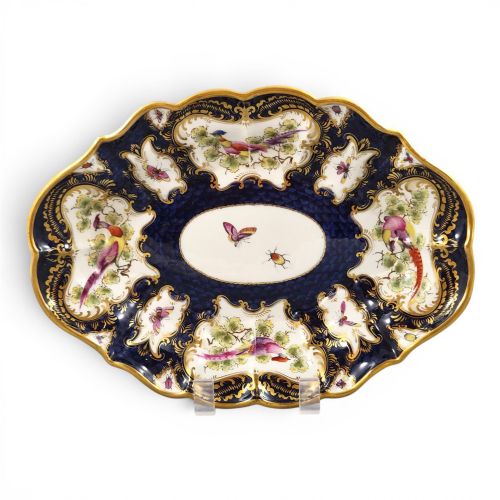
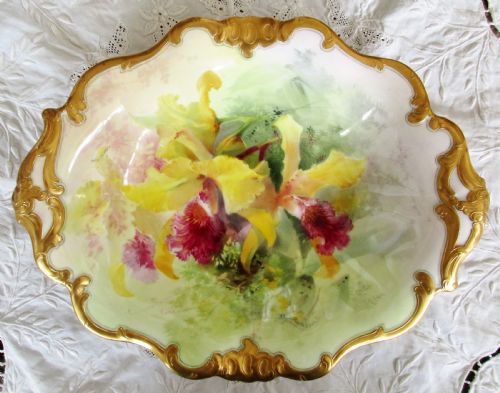
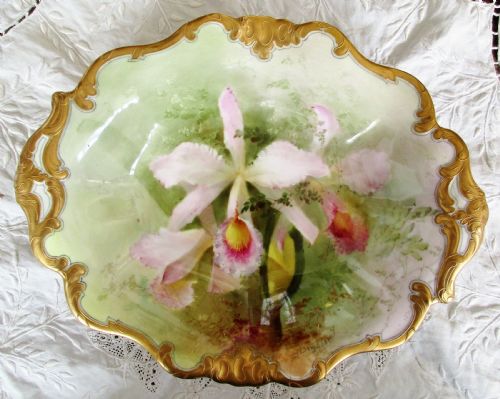
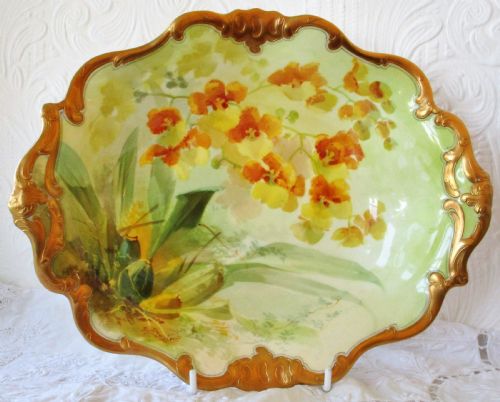
Edwardian cabinet porcelain principally comprises highly decorative plates, dishes, and small vases produced by major factories for formal display in vitrines and side cabinets. The most frequently encountered pieces on this page are hand-painted cabinet plates bearing floral, fruit, or avian subjects.
Makers utilised fine porcelain and bone china as canvases for master painters, creating ornamental tableware intended to showcase wealth and taste in Edwardian drawing rooms. These items span the late Victorian era through the Edwardian period and into the early twentieth century.
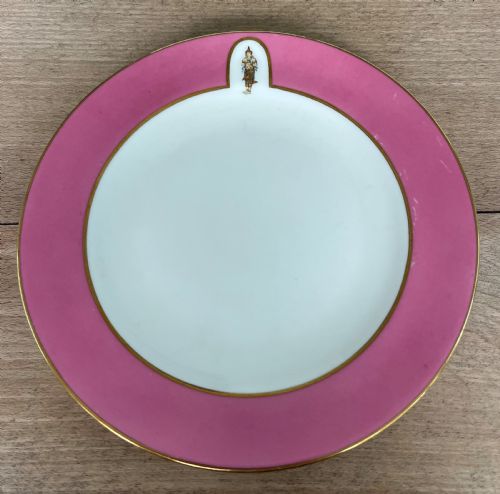
Alongside single cabinet plates, buyers find matched pairs and larger sets, including dessert dishes and fish plates. The forms remain remarkably focused on flat display surfaces and decorative vessels designed to catch the light behind glass.
How they were made
Potteries shaped bone china and porcelain into smooth blanks before applying intricate underglaze and overglaze hand-painting. Artists used fine mineral pigments to render detailed botanical and ornithological studies.
Gilding and gold leaf were applied by hand to borders and rims, often accompanied by raised enamel or tooled accents. Firing fixed these enamels and gold layers permanently to the porcelain body.
Peacocks stride across porcelain surfaces while orchids bloom eternally behind glass, proving that Edwardian dining rooms doubled as private indoor menageries.
What varies in quality
Quality rests principally upon the skill of the painter and the prestige of the factory. Signed pieces by celebrated artists command greater attention than factory-decorated standard ware.
The density and precision of the gilding, the complexity of the hand-painted subject matter, and the crispness of the porcelain moulding separate ordinary decorative items from exceptional cabinet pieces.
Hampton & Sons·Royal Worcester·Royal Crown Derby·Royal Doulton·Cauldon Ltd·Grainger & Co·Coalport·Wedgwood
The Edwardian Cabinet Porcelain Glossary
- Cabinet plate
- A decorative ceramic plate intended for display in a cabinet or vitrine rather than for use at the dining table. These pieces usually feature elaborate hand-painted scenes and rich gilding.
- Bone china
- A type of soft-paste porcelain containing bone ash, known for its high strength, chip resistance, and milky translucent appearance. It served as the primary body for English luxury ceramics.
- Gilding
- The application of gold leaf or powdered gold to the surface of porcelain. Skilled artisans burnished this gold to create contrasting matte and bright metallic finishes.
- Overglaze
- Enamel decoration applied on top of the already fired and glazed porcelain surface, requiring a subsequent lower-temperature firing to fuse the colours.
- Vitrine
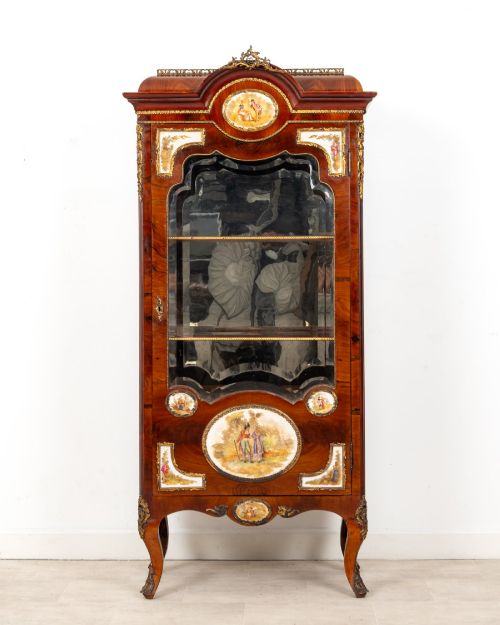
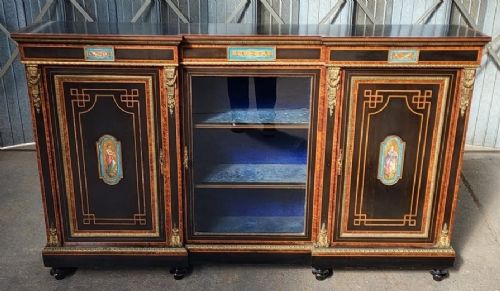
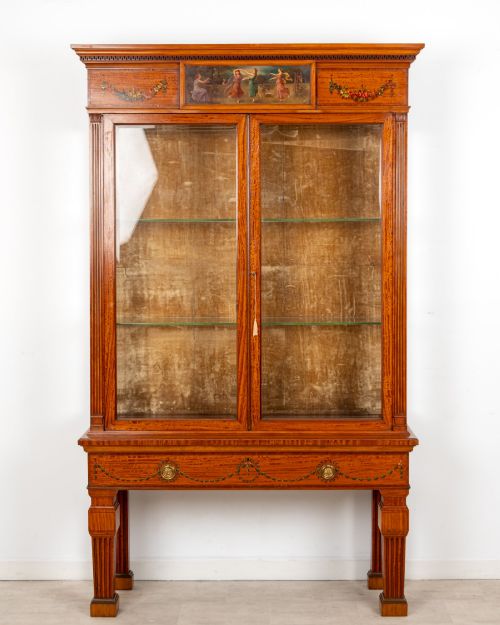
- A glass-fronted display cabinet designed specifically to showcase valuable porcelain, silver, and curiosities. They became essential furniture pieces in fine homes during the Edwardian period.
Edwardian Cabinet Porcelain: Frequently Asked Questions
What is Edwardian cabinet porcelain?
Edwardian cabinet porcelain consists of highly decorative plates, dishes, and small vessels produced by leading British potteries for display in glass cabinets. These items feature intricate hand-painted designs by notable artists.
Unlike everyday tableware, these pieces were created purely for visual appreciation. They represent a high point of ceramic artistry and painting skill from the early twentieth century.
How were cabinet plates used?
Cabinet plates were housed in glass-fronted display cabinets, sideboards, or vitrines to be admired by guests. They functioned as status symbols and decorative art within the Edwardian drawing room.
While some matched dessert or fish sets saw occasional dining use on grand occasions, most plates remained protected behind glass. Their delicate gilding and fine painted surfaces made them unsuitable for rough daily handling.
How do I identify a signed piece?
Many fine cabinet plates bear the signature or initials of the artist hidden within the painted scene, often near the edge or amongst foliage. Factory backstamps on the underside provide additional confirmation of the date and maker.
Artists frequently specialised in specific subjects such as fruit, birds, or flowers. Cross-referencing signatures with factory records helps confirm the authenticity of the hand-painted decoration.
How should I display cabinet porcelain?
Cabinet porcelain looks best housed in a dedicated glass-fronted vitrine or display cabinet with adequate interior lighting. This protects the delicate enamel and gold leaf from dust and accidental knocks.
Using sturdy plate stands ensures stability if placing pieces on open shelves or sideboards. Keep them away from direct sunlight to preserve the vibrancy of the hand-painted mineral colours over time.