



Worcester Flight Plates
Worcester flight plates are fine porcelain pieces from British ceramics history, sought after for their painted motifs and period elegance.
Worcester Flight Plates
When you search for worcester flight plates, you enter the sophisticated world of late Georgian and Regency ceramic production. These pieces take the form of cabinet plates, dessert plates, saucer dishes and serving dishes, designed for display or formal dining.
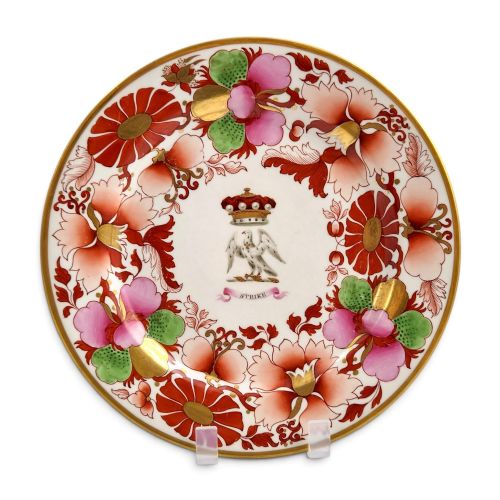
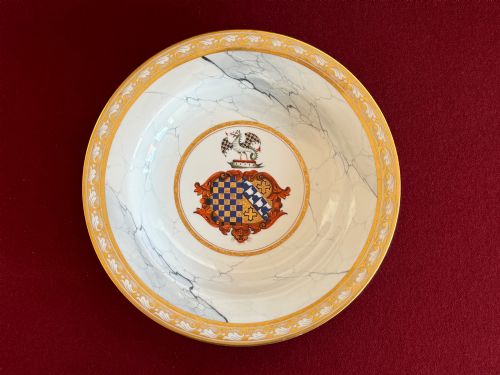
The most common examples on this page date from the Regency and Georgian eras, spanning the early nineteenth century. Makers such as Barr, Flight and Barr produced porcelain decorated with hand-painted patterns including dragons, butterflies, topographical views and armorial designs.
Materials and technique
The foundation of these items is fine porcelain, fired and glazed to provide a smooth surface for detailed overglaze enamel painting. Artisans applied rich gilding and gold leaf to borders and rims, framing the central motifs with precision.
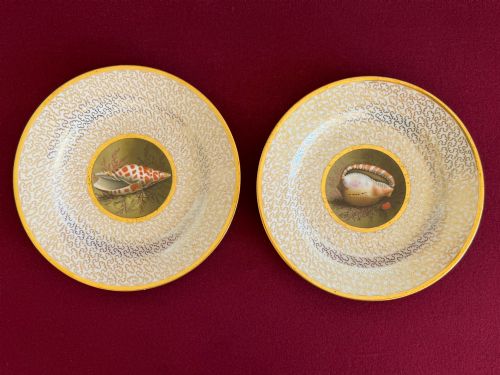
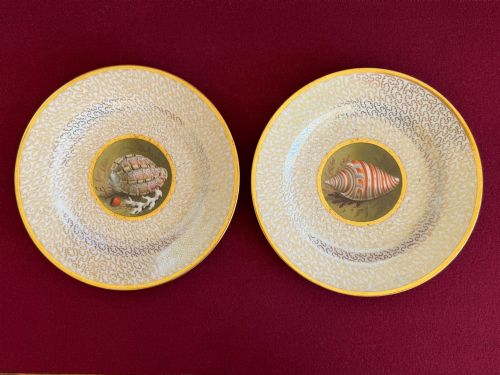
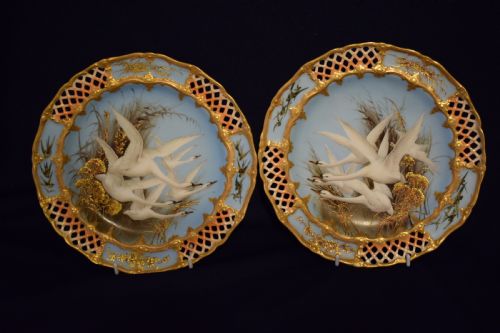
Specialist decorators added complexity through hand-painted scenes, incorporating natural subjects, exotic birds and intricate compartmentalised patterns. Later Victorian and Edwardian works introduced pierced borders and specialised bird painting by named artists.
Worcester Flight Plates Retail Price Guide 2026
Typical asking prices for worcester flight plates among the pieces listed under this phrase on Sellingantiques today, from the lower quarter to the upper quarter. They describe what is for sale here now, not the wider market.
Certain plates display fierce dragons sharing table space with delicate English butterflies.
What separates the grades
Quality in these ceramics rests upon the ambition of the painted decoration and the crispness of the porcelain form. Hand-painted dragon patterns, detailed topographical scenes and armorial crests demand greater skill than standard floral borders.
The preservation of the original gilding and enamel colours dictates the desirability of a piece. Clean, unrubbed surfaces and clear factory marks on the reverse indicate superior preservation and original workshop standards.
Barr Flight and Barr·Flight Barr and Barr·Royal Worcester
The Worcester Flight Plates Glossary
- Cabinet plate
- A decorative plate intended for display in a cabinet or on a wall rather than for everyday dining. These items often feature elaborate hand-painted scenes or rich gilding.
- Gilding
- The application of gold leaf or gold paint to ceramic surfaces. This technique highlights rims, handles and borders on fine porcelain.
- Armorial
- A design incorporating a family crest or coat of arms. Such motifs were custom-ordered by landed families for formal dinner services.
- Enamel
- Opaque vitreous material fused to porcelain during firing to create coloured decorations. Enamels provide the vibrant hues seen on period plates.
Worcester Flight Plates: Frequently Asked Questions
How do I date a flight plate?
Dating relies on the specific factory mark stamped or painted on the reverse of the porcelain, alongside the style of painting and gilding used.
Changes in partnership names, such as the transition from Flight to Barr, Flight and Barr, provide reliable chronological windows for collectors.
Were these plates used for dining?
Many examples functioned as dessert plates or serving dishes within wealthy households during the Georgian and Regency periods.
Cabinet plates were frequently reserved for display, while soup plates and dinner services saw active use at formal meals.
What patterns are most common?
Dragon motifs, Chinoiserie scenes and botanical studies appear frequently across the surviving output of the factory.
Topographical views and heraldic armorials represent more specific commissions tailored to individual patrons.