
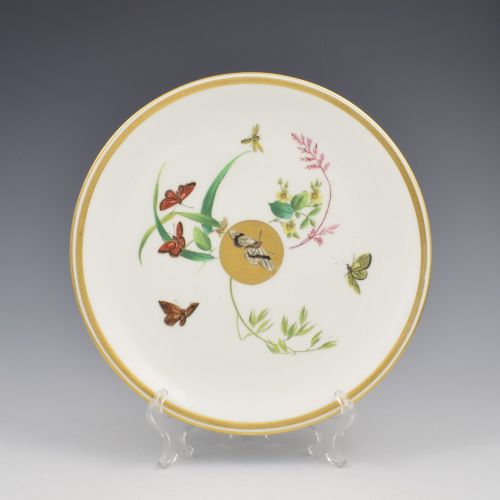
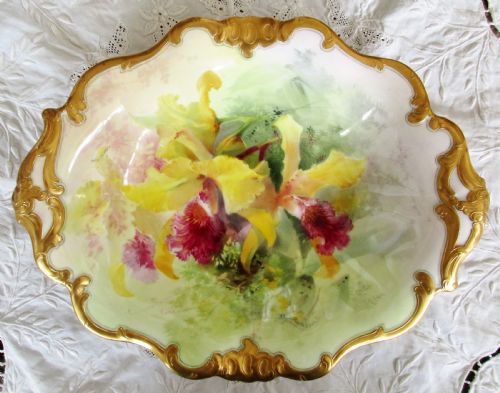
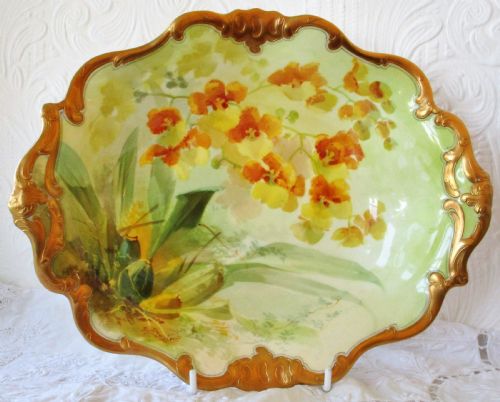
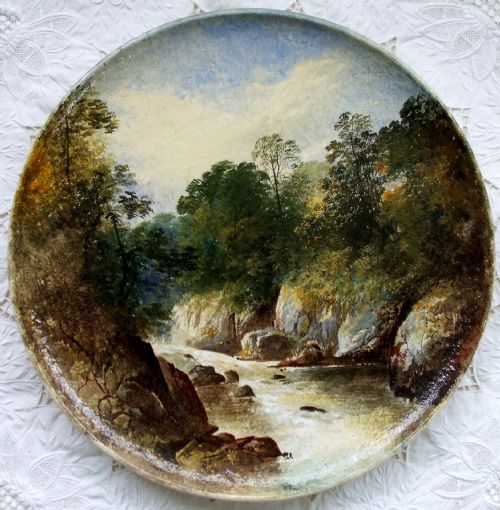

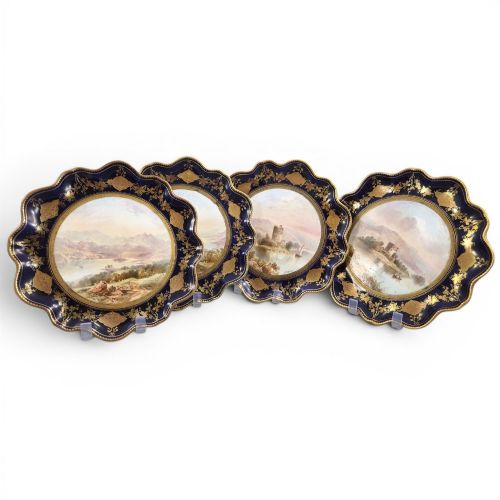


Victorian Cabinet Plates
Victorian cabinet plates are decorative porcelain pieces made for display, offering vibrant painted scenes and rich gilding that transform any wall or cabinet.
Identifying Victorian cabinet plates
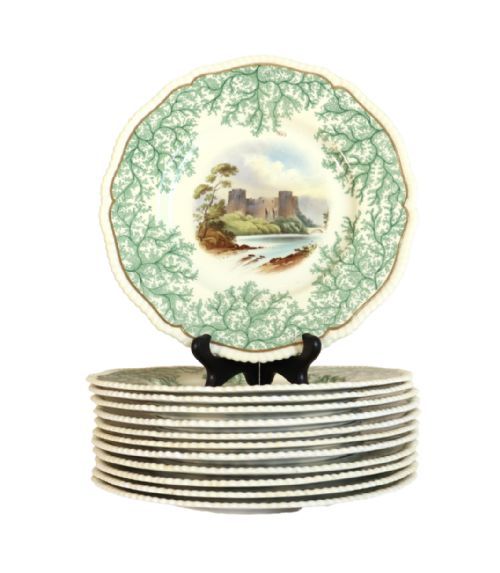
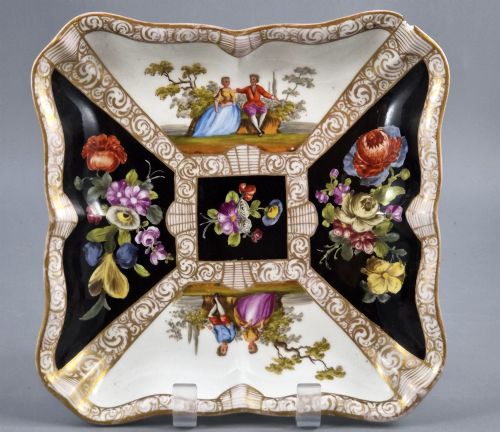
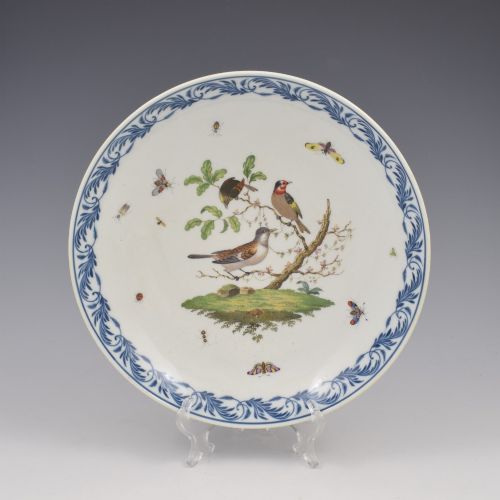
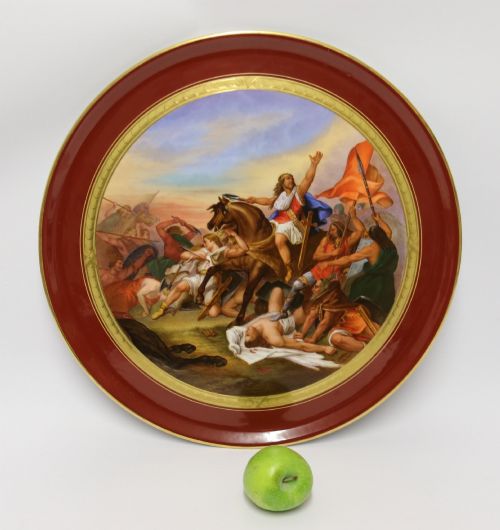
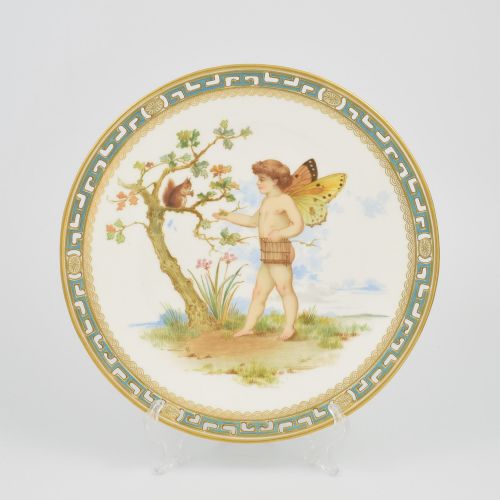
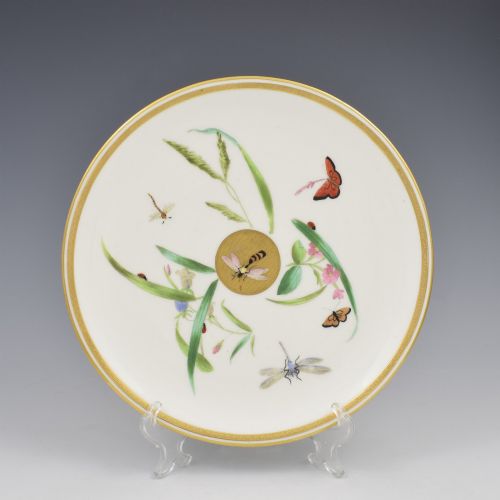
Victorian cabinet plates are porcelain items designed principally for visual display rather than daily dining. These pieces arrive in forms such as dessert plates, ribbon plates, basketweave plates, and specific cabinet plates.
The objects displayed on this page date from the Victorian period, the nineteenth century, and specific decades including the eighteen-fifties, eighteen-nineties, and nineteen-hundreds. They frequently appear in pairs or as part of larger dessert sets.
Originating from established factories, these items reflect the diverse decorative tastes of the nineteenth century. Buyers encounter Sevres style influences alongside traditional British factory outputs.
Materials and construction
These items are constructed from porcelain as the primary ceramic base. Makers shaped this material into distinct forms like the Newcastle shape and standard round plates.
Decoration relies heavily on enamel work, gold leaf, gilt, and gilding to accentuate the painted surfaces. Skilled hands applied these metallic finishes by hand to highlight the rims and central motifs.
Retail Price Guide 2026
Typical UK retail prices for victorian cabinet plates, calculated from the Sellingantiques database of over a million retail prices indexed since 2003. This retail price guide relies exclusively on Sellingantiques data; no external sources or auction records are used, so the figures do not describe the wider market.
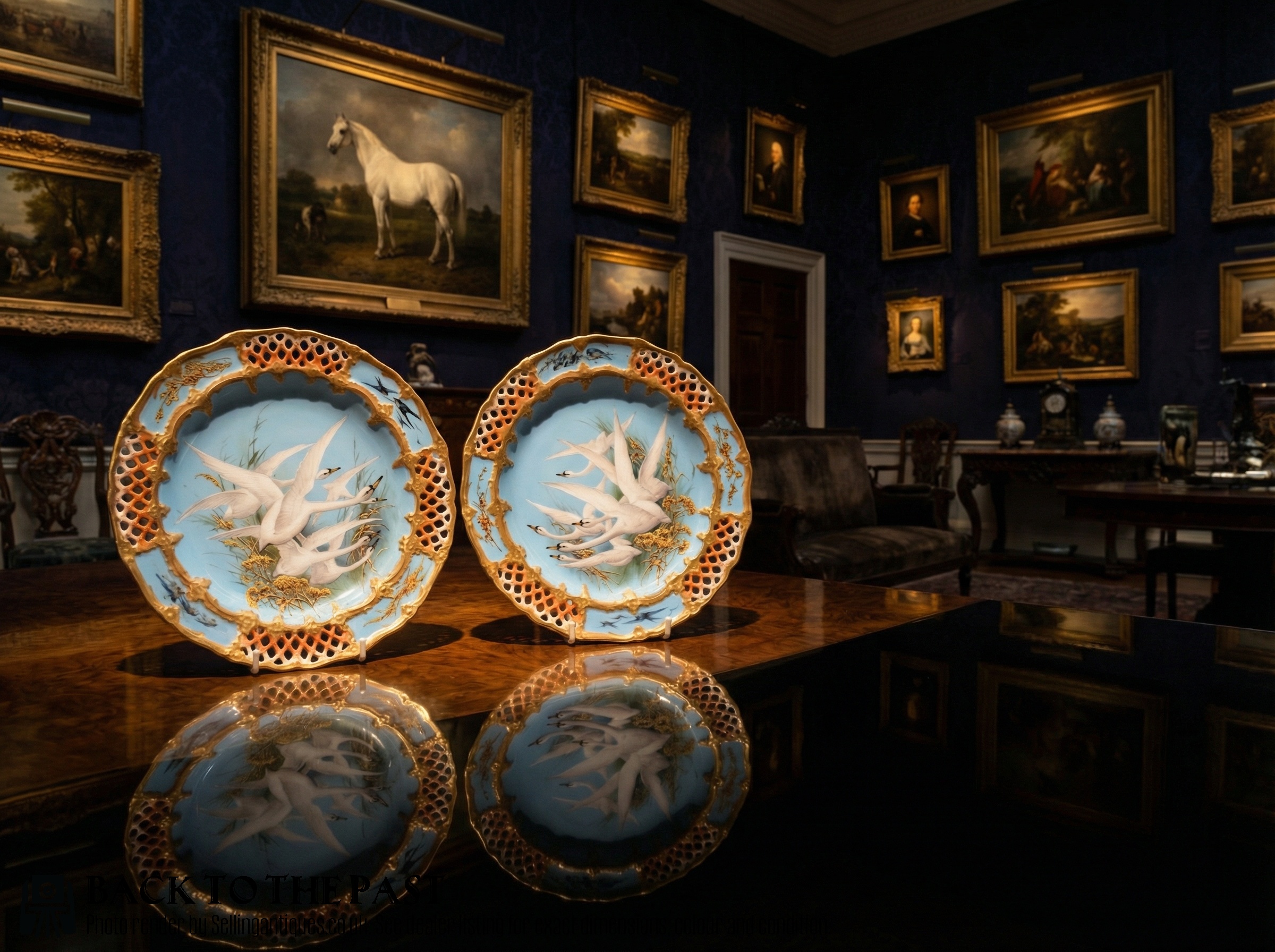
Some plates feature clever pierced rims just so a ribbon could hold them up for all to admire.
Assessing quality
Quality separates through the precision of the hand-painted details and the execution of the gilding. Finely rendered subjects and thick, burnished gold leaf indicate superior workshop output.
The complexity of the ceramic form, such as intricate basketweave moulding or specialised shapes like the Newcastle form, elevates the status of the piece above standard flat plates.

Coalport·Minton·Kerr and Binns·Royal Worcester·C Baldwyn·Thomas Dickson
The Victorian Cabinet Plates Glossary
- Cabinet plate
- A decorative porcelain dish meant for display in a cabinet or on a wall rather than for practical table use. These items often feature elaborate hand-painted scenes and heavy gilding.
- Dessert plate
- A small plate historically used for the final course of a formal meal. Many Victorian examples survived because they spent their lives on display rather than in active service.
- Gilding
- The application of gold leaf or gold paint to the surface of porcelain. This technique adds bright metallic accents to borders and decorative motifs.
- Enamel
- Vitreous material fused to the ceramic surface through firing to provide vibrant colours. It creates the durable painted scenes found across nineteenth-century porcelain.
- Ribbon plate
- A decorative plate featuring pierced slots on the rim designed for threading ribbon. This allowed the plate to be hung securely on a wall.
Frequently Asked Questions
What are Victorian cabinet plates?
Victorian cabinet plates are porcelain decorative plates made during the nineteenth century for display in homes. They feature hand-painted designs and gold gilding rather than serving everyday food.
These pieces showcase the decorative arts of the period, often produced by prominent factories in matched pairs or small sets.
How were cabinet plates used?
Cabinet plates were primarily displayed in glass-fronted cabinets or hung on walls using ribbons threaded through pierced rims. They served as status symbols and decorative art in Victorian drawing rooms.
Because they were meant for viewing rather than dining, many survive with well-preserved painted surfaces and bright gilding.
How do I identify Victorian pieces?
Identification relies on examining the porcelain body, the style of the painted decoration, and factory marks on the underside. The presence of nineteenth-century stylistic cues like Sevres style painting provides strong clues.
Materials such as gold leaf and enamel work also point directly to Victorian manufacturing methods and aesthetic standards.
How should I display them?
These plates suit wall mounting using specialised plate hangers or secure display within enclosed cabinets. Proper placement protects the delicate enamel and gold leaf from accidental knocks and dust.
Keeping them out of direct sunlight preserves the vibrant painted colours for years to come.