


White Porcelain Cabinet Plate
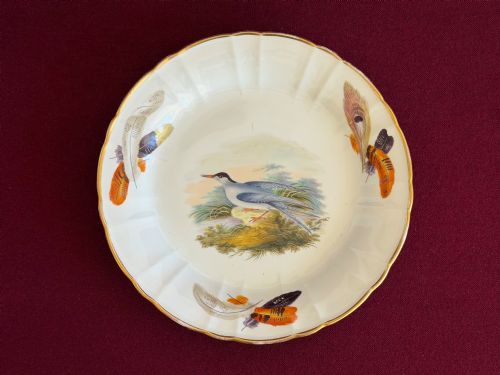
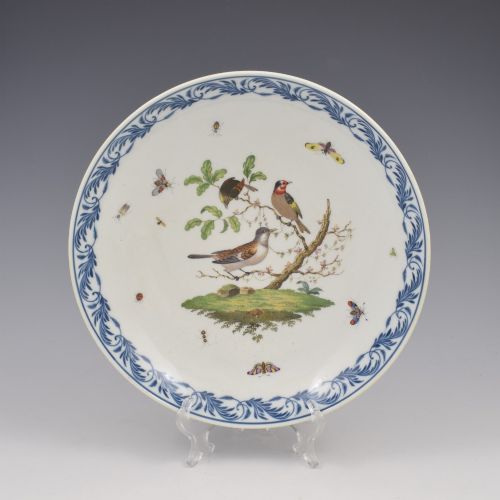
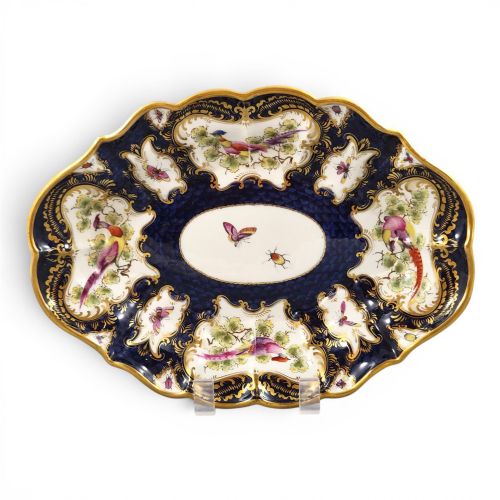
A white porcelain cabinet plate brings hand-painted birds, botanical studies and gilt highlights from eighteenth and nineteenth-century kilns straight into a modern interior.
White Porcelain Cabinet Plate
A white porcelain cabinet plate is a decorative ceramic piece designed primarily for display on a wall or within a cabinet rather than for regular dining use. The selection spans soft-paste and hard-paste bodies produced across eighteenth, nineteenth, and early twentieth-century European and Asian factories.
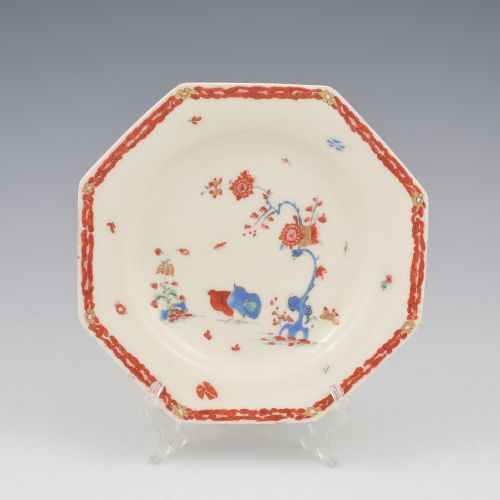
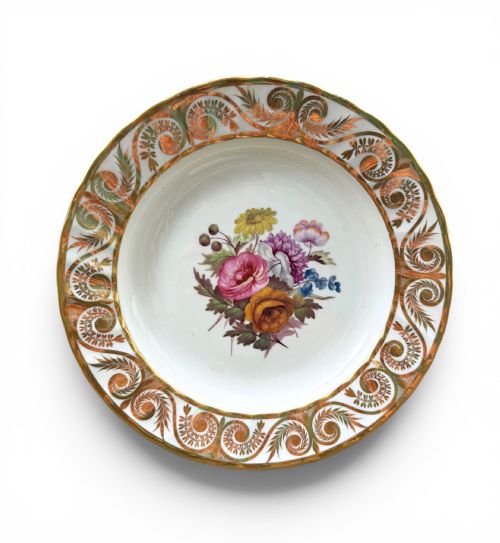
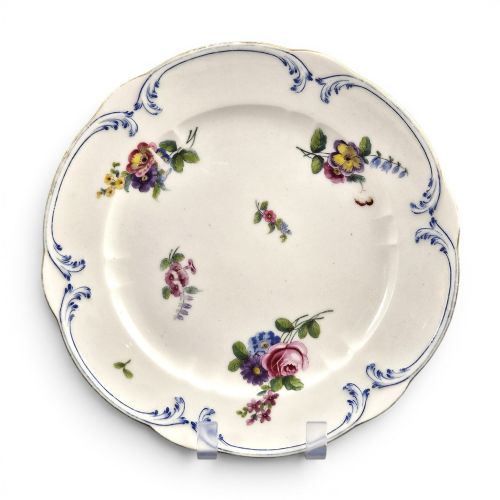
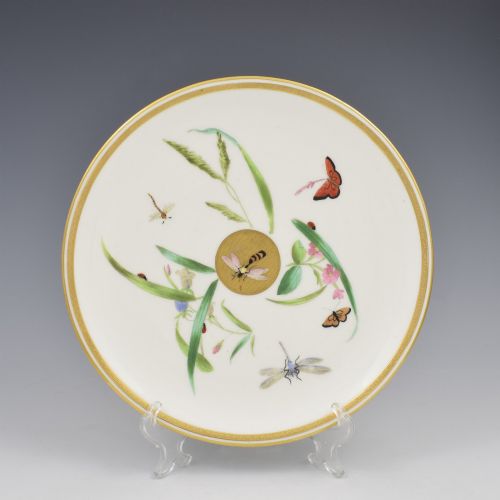
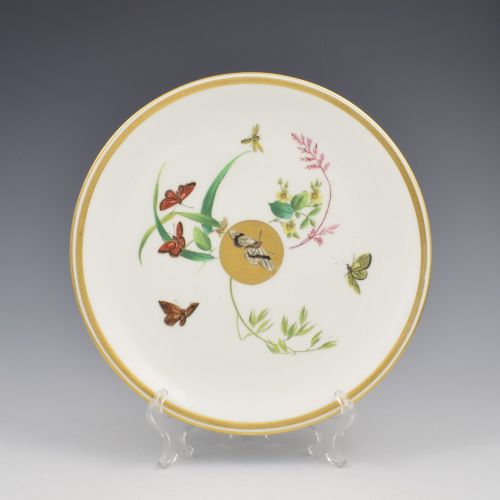
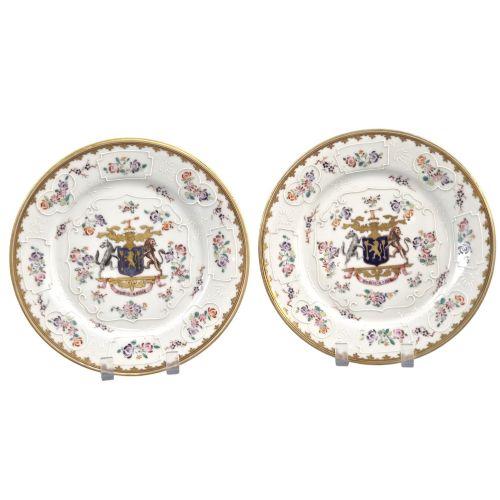
Forms range from octagonal Kakiemon patterns and lobed dessert dishes to reticulated borders and basketweave moulding. Most examples feature hand-painted botanical motifs, exotic birds, topographical scenes, or armorial crests enriched with gilding and enamel highlights.
The material composition varies from bone china and hard-paste porcelain to soft-paste bodies manufactured in periods such as the Regency, Victorian, and Edwardian eras. Buyers encounter everything from single cabinet specimens to pairs and larger service sets originating from English, French, German, and Chinese workshops.
How they were made
Makers utilised hard-paste and soft-paste porcelain bodies, bone china, and glaze, finishing surfaces with enamel paint, gold leaf, and gilding. Artisans applied these materials through hand-painting and specialised techniques like pate-sur-pate to build tactile layers of decoration.
Kiln firing fixed the ceramic bodies before detailed botanical and ornithological subjects were applied by hand, followed by secondary firings to fuse enamel pigments and gold leaf. Many pieces incorporate moulded elements, pierced rims, or basketweave textures shaped before glazing.
Listings feature hard-paste porcelain, soft-paste porcelain, and bone china decorated with enamel, gold leaf, and gilding across the eighteenth and nineteenth centuries.
What varies in quality
The standard of painting determines much of the distinction between pieces, with finely rendered ornithological studies and delicate botanical sprays sitting above simpler transfer-printed or sparse floral decoration. Hand-pitted surfaces, crispness of moulding detail, and the richness of the applied gilding also separate ordinary production from superior works.
The prestige of the factory and the complexity of the glaze or decorative scheme dictate the upper tier of the range. Complete pairs or sets with documented provenance and distinct factory marks display higher craftsmanship than unmarked or heavily worn factory seconds.
Wedgwood·Bow Porcelain·Meissen·Derby·Sèvres·Minton·Edmé Samson·Royal Worcester·Barr Flight and Barr·Furstenberg·Chantilly·Grainger and Co·James Giles·Nantgarw·Coalport·Rockingham
The White Porcelain Cabinet Plate Glossary
- Hard-paste porcelain
- A durable ceramic material composed of kaolin and petuntse, fired at high temperatures to create a dense, vitrified white body. It resists scratching and forms the base of many European cabinet plates.
- Soft-paste porcelain
- An artificial ceramic compound containing glass and white clay, fired at lower temperatures than hard-paste. It possesses a warm glaze and a softer appearance common in eighteenth-century French and English pieces.
- Kakiemon
- A style of Japanese enamelled porcelain featuring asymmetrical arrangements of birds, flowers, and motifs like the two quail pattern. European factories frequently copied these palettes during the eighteenth century.
- Reticulated
- A decorative technique involving pierced or openwork patterns cut into the rim of a plate before firing. It creates an intricate, basket-like border around the central painted well.
- Pate-sur-pate
- A method of ceramic decoration where successive layers of liquid white porcelain slip are built up on a dark or coloured ground to form a low relief cameo. Mintons utilised this technique extensively on Victorian cabinet plates.
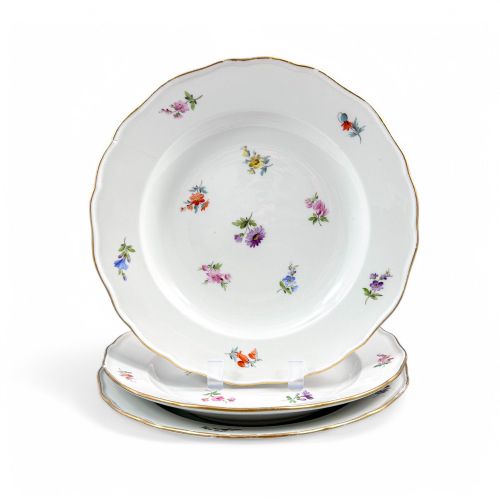
- Streublumen
- A German term describing scattered floral motifs painted across the white surface of porcelain tableware. This minimalist floral arrangement appears frequently on eighteenth and nineteenth-century Meissen pieces.
White Porcelain Cabinet Plate: Frequently Asked Questions
How were cabinet plates displayed originally?
Cabinet plates were typically exhibited in formal reception rooms within glazed display furniture or mounted directly onto walls to showcase fine art porcelain. Wealthy households used them to demonstrate taste and acquisition rather than for serving food.
Today, collectors use specialist plate hangers or dedicated display stands to exhibit these historic ceramic pieces safely on walls or inside cabinets.
Can I use these plates for dining?
Most antique cabinet plates are intended strictly for display and decorative purposes due to their age, delicate enamel paints, and fragile gilt borders. Everyday use can easily wear down the hand-painted surfaces and historical gilding.
Owners should keep them away from modern dishwashers, abrasive sponges, and acidic foods to preserve the original nineteenth-century or eighteenth-century decoration.
How do I identify factory marks on the back?
Makers stamped, incised, or painted identifying ciphers, swords, crowns, or pattern numbers directly onto the reverse of the porcelain body. These factory marks help determine the specific workshop and narrow down the production period.
Reference books and specialised collector guides cataloguing historical marks provide clear timelines for verifying pieces from factories like Meissen, Worcester, or Sèvres.
What is the difference between soft-paste and hard-paste?
Hard-paste porcelain is fired at significantly higher temperatures, resulting in a robust, vitrified body that withstands scratching from steel. Soft-paste porcelain contains glass compounds and is fired at lower temperatures, producing a warmer, creamier glaze.
Under transmitted light, soft-paste often reveals a translucent, slightly softer appearance compared to the bright, impenetrable white of hard-paste porcelain.