




Pate Sur Pate Porcelain
Pate sur pate porcelain brings layered, cameo-like relief figures to decorative ceramics, offering collectors a striking tactile finish.
Pate Sur Pate Porcelain
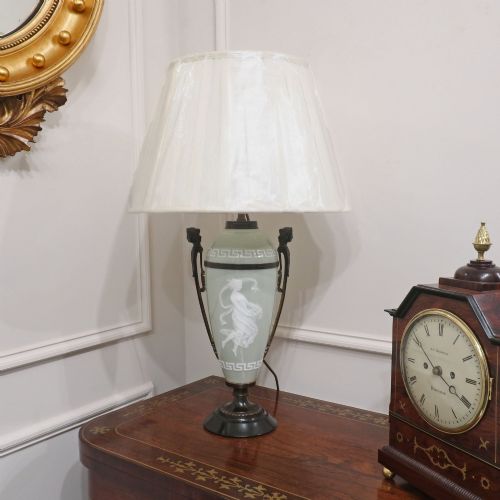
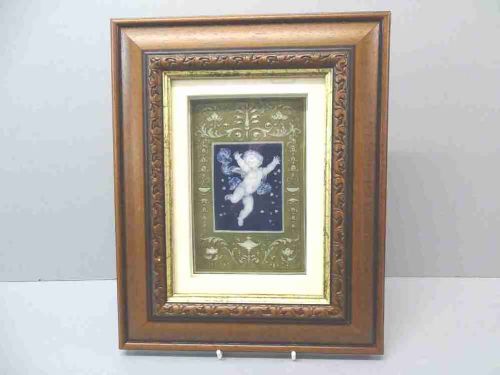
When you search for pate sur pate porcelain, you encounter ceramic pieces decorated with liquid clay applied layer by layer to create raised white designs against a contrasting background. These objects span the nineteenth century and the early twentieth century, taking the form of vases, table lamps, cabinet plates, and wall plaques.
You are most likely to meet Victorian and French nineteenth-century examples on this page, alongside specific works from English potteries and continental studios. The designs often present classical figures or floral motifs rendered in delicate relief upon coloured porcelain bodies.
Materials and Construction
The technique relies on porcelain painted repeatedly with slip until the desired thickness and translucency emerge. Artisans built up the low-relief design stroke by stroke before firing the piece, allowing the raised white clay to stand proud of the tinted ground.
Many of these finished bodies incorporate additional mounts and fittings made from gold leaf, gilt brass, or gilt bronze. Wood and fabric also appear primarily in the bases and shades associated with table lamps.
Kate Locke painted porcelain at Grainger's Worcester, leaving her name attached to delicate nineteenth-century vases.
Assessing Quality and Execution
The finesse of the raised slip work determines the visual success of the piece, separating standard production from exceptional artistry. Finer examples display subtle shading through varying thicknesses of the translucent clay layers.
The integration of the porcelain body with metal mounts, such as gilt bronze or brass, dictates the overall refinement of lamps and decorative objects. Well-preserved surfaces retain crisp detail in both the ceramic relief and the surrounding glaze.
Minton·Grainger's Worcester·Birks·Dresden
The Pate Sur Pate Porcelain Glossary
- Pâte-sur-pâte
- Paste on paste in French, this describes a method where wet porcelain slip is painted onto an unfired background in successive layers to form a cameo-like relief. The process demands immense skill from the ceramic artist.
- Slip
- A liquid suspension of clay and water used for decoration or joining clay bodies. In this specific technique, it forms the raised white ornament.
- Tondo
- A circular work of art, usually a painting or a relief plaque. These appear frequently in porcelain plaques.
- Gilt Bronze
- Bronze metal coated with a thin layer of gold, often utilised for mounts on nineteenth-century French lighting and decorative objects. It provides a durable and rich metallic contrast.
- Celadon
- A term for ceramics denoting a pale green glaze, sometimes found accompanying these styles in nineteenth-century production.
Pate Sur Pate Porcelain: Frequently Asked Questions
What is pate sur pate porcelain?
It is a ceramic technique where liquid porcelain slip is built up in layers on a contrasting body to create a translucent, low-relief design resembling a carved cameo.
Artisans painted these designs by hand before firing, resulting in detailed figures and motifs that stand proud of the glazed surface.
How do I identify a Minton piece?
Minton works from this tradition often feature finely detailed white relief figures against dark or coloured grounds on vases, plates, and plaques.
Examining the ceramic body and any factory marks helps confirm attribution to the English pottery.
Were these porcelain items used as lamps?
Many nineteenth-century vases and vessels were later converted into table lamps, while others were manufactured specifically with electrical or oil fittings.
Gilt bronze and brass mounts frequently secure the porcelain body to the lamp base.
How should I clean my porcelain?
Dust the raised slip decoration gently with a soft, dry brush to prevent dirt from settling in the textured relief.
Avoid harsh liquid cleaners or abrasive cloths that might damage the delicate porcelain surface or the surrounding gilt mounts.