
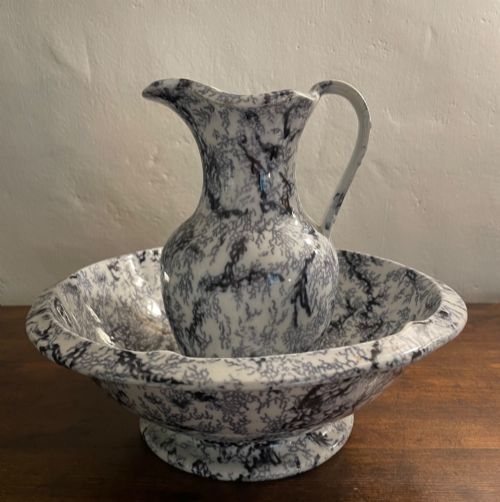
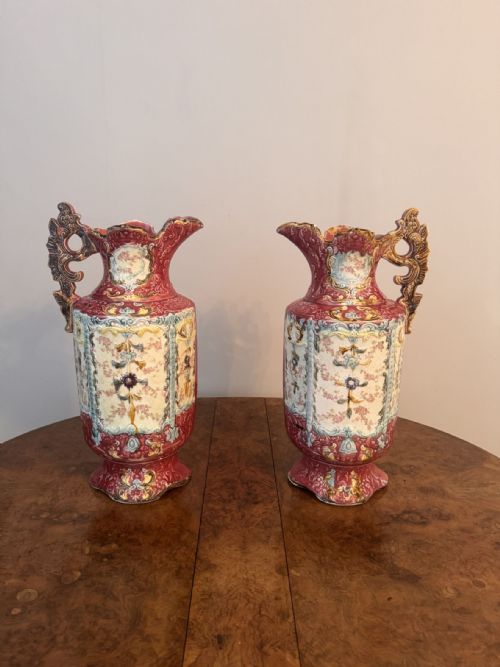
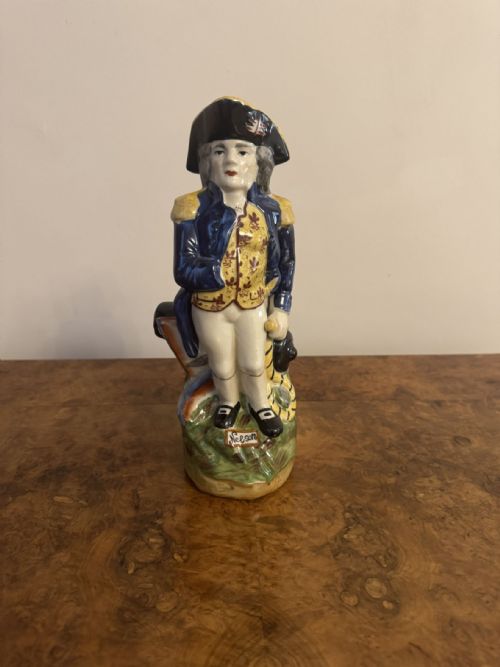
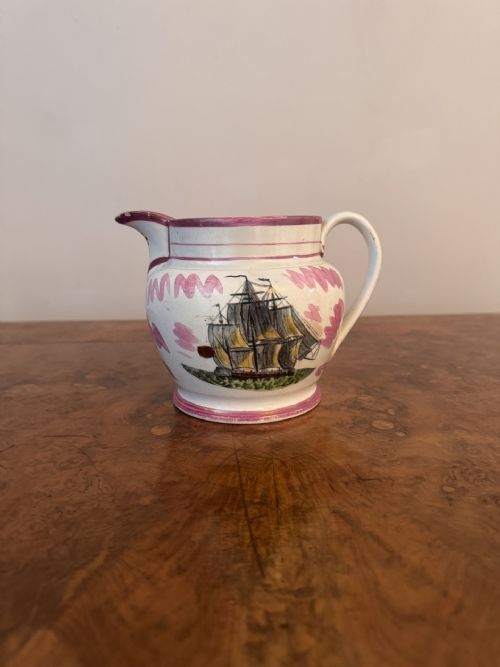

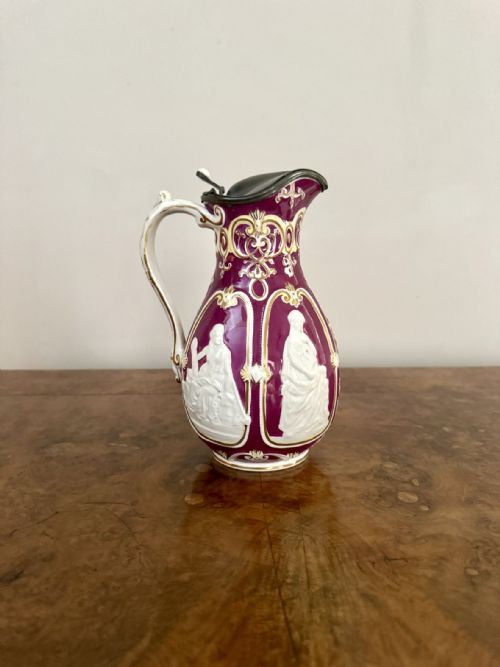
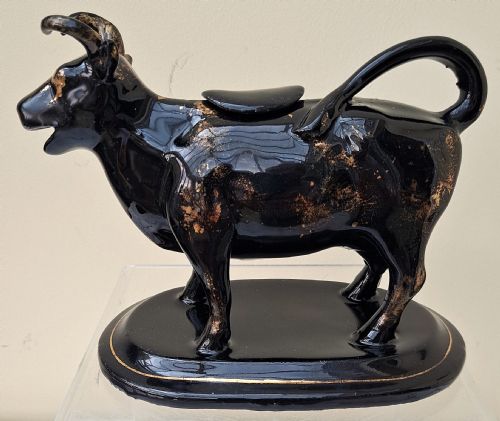
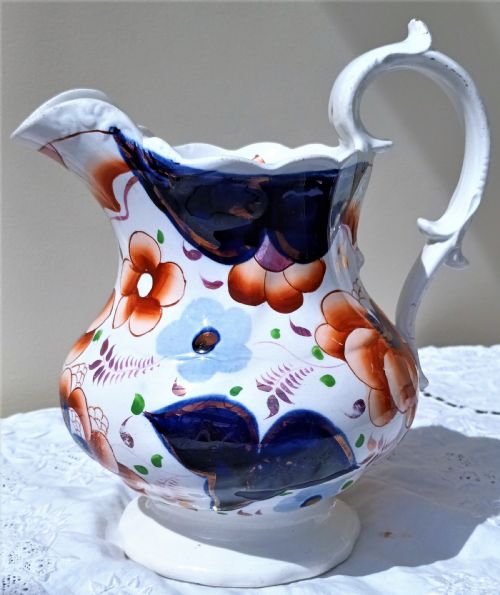
Victorian Earthenware Jug
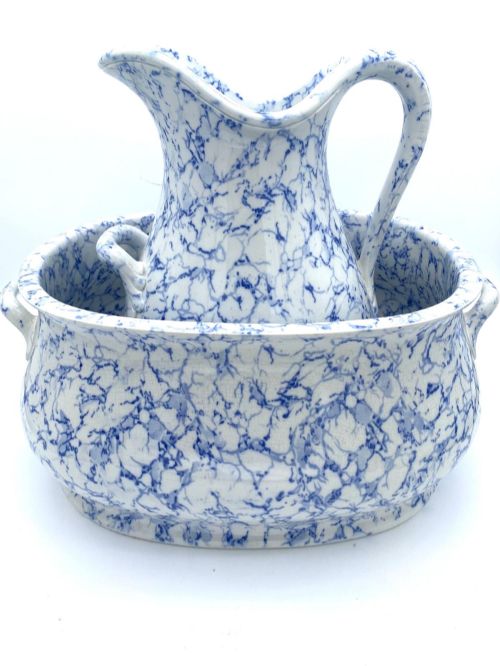
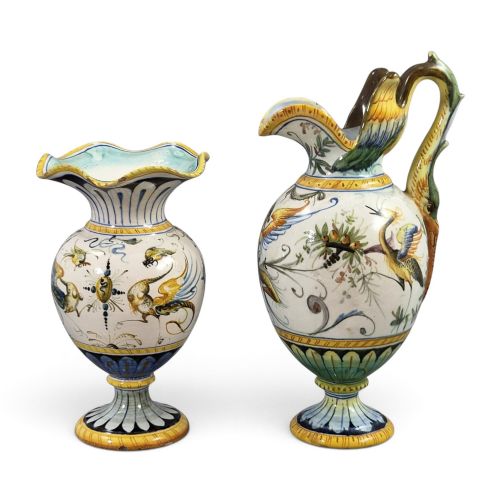
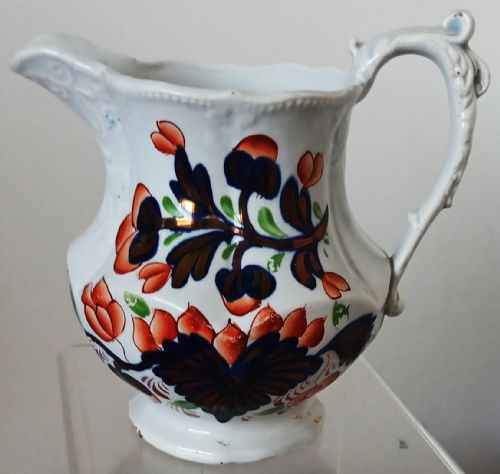
These Victorian earthenware jugs bring genuine mid-to-late nineteenth-century character to a table, offering solid ceramic utility and distinct regional decoration.
Identifying a Victorian earthenware jug
A victorian earthenware jug is a utilitarian or decorative ceramic container shaped with a pouring lip and handle, originating from the nineteenth century. The examples found here span specific periods including eighteen fifty-five, eighteen sixty, eighteen seventy, and the eighteen seventies to nineties.
Most pieces on this page display classic Victorian styles, alongside Victorian English pottery and Victorian classical revival aesthetics. Forms range from standard jugs and decorative vessels to Staffordshire Toby jugs and pitchers.
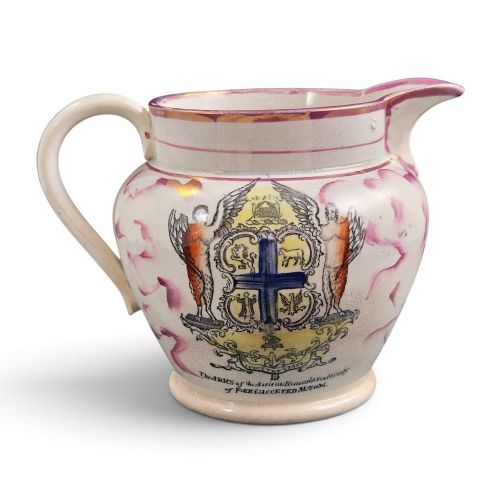
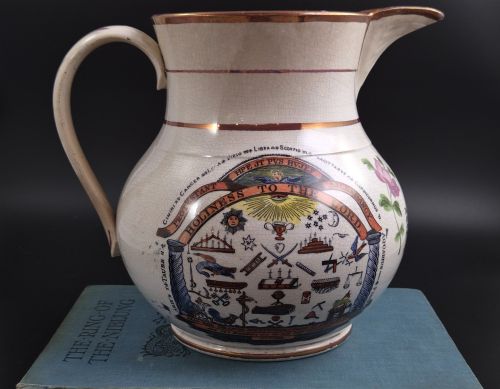
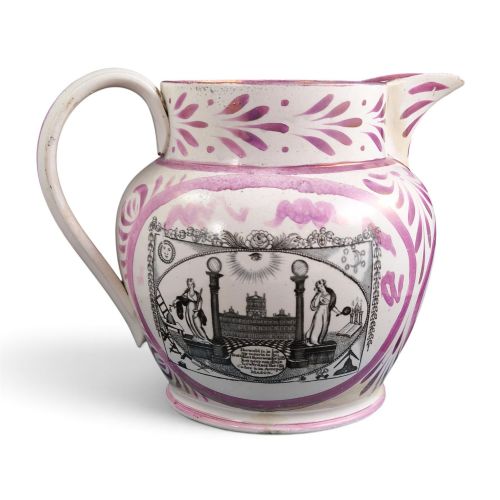
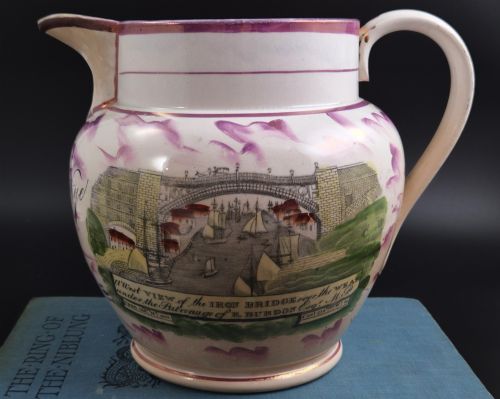
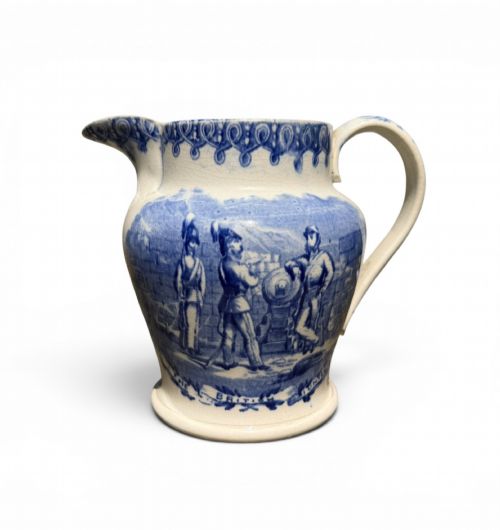
Origins include notable English potteries such as Sunderland and Staffordshire, representing regional British ceramic traditions. Buyers encounter varied decorative treatments, from lustre glazes to Masonic and clipper ship transfer prints.
Materials and manufacture
Makers shaped these objects using earthenware and ceramic bodies, occasionally utilising porcelain for finer mid-to-late nineteenth-century pieces. Potters applied glazes, lustre glazes, and metallic oxides to seal the porous clay and add surface shimmer.
Decoration involved techniques such as transfer printing for maritime and Masonic subjects, alongside hand-applied lustre and relief moulding seen in Toby jugs. Some advanced works incorporate pâte-sur-pâte decoration on porcelain bodies.
Materials across the page include earthenware, ceramic, glaze, lustre glaze, metallic oxide, and porcelain.
Assessing quality
Quality rests in the crispness of the moulding and the depth of the glaze, particularly where metallic oxides and lustre create reflective surfaces. Sunderland lustre jugs depend on the clarity of their printed and hand-coloured transfer scenes for visual success.
Sunderland Garrison Pottery·N W P Co·Samuel Alcock
The Victorian Earthenware Jug Glossary
- Earthenware
- A porous type of pottery fired at lower temperatures, commonly used for everyday and decorative vessels. It requires a vitreous glaze to hold liquids.
- Lustre Glaze
- A metallic film applied to ceramics to produce an iridescent, reflective surface. It became popular in nineteenth-century English potteries for decorative highlights.
- Metallic Oxide
- A chemical compound mixed with glazes or paints to impart colour when fired in a kiln. Cobalt, copper, and iron oxides were standard in Victorian ceramics.
- Pâte-sur-pâte
- A French term meaning paste on paste, where a ceramic artist builds up low-relief designs using liquid clay slip on a contrasting body. Samuel Alcock produced notable English examples of this method.
- Staffordshire Toby Jug
- A seated, full-length figure depicted as a robust eighteenth or nineteenth-century person holding a jug and mug. These character jugs are heavily associated with the Staffordshire pottery region.
Frequently Asked Questions
What were these jugs used for?
Victorian households utilised these vessels for serving liquids at the table, such as water, beer, or milk.
Many pieces also served a decorative function or commemorated specific societies, such as Masonic lodges or merchant shipping.
How do I date a Victorian jug?
Dating relies on maker marks, stylistic clues, and recorded production periods spanning the mid to late nineteenth century.
Specific stamps, registry marks, and regional pottery signatures help narrow down the decade of manufacture.
Where were these ceramics made?
The pieces originate from established English manufacturing centres, notably the pottery regions of Staffordshire and Sunderland.
Individual firms and potteries produced distinct regional styles, utilising local clays and specialised glazing techniques.
How do I display a ceramic jug?
These jugs suit placement on open shelving, sideboards, or mantels where their glazes and decorative motifs remain visible.
Keeping them away from direct foot traffic protects handles and rims from accidental knocks.