


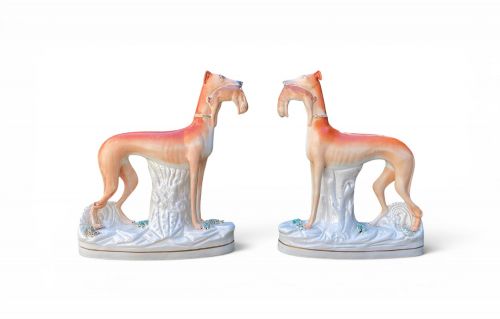
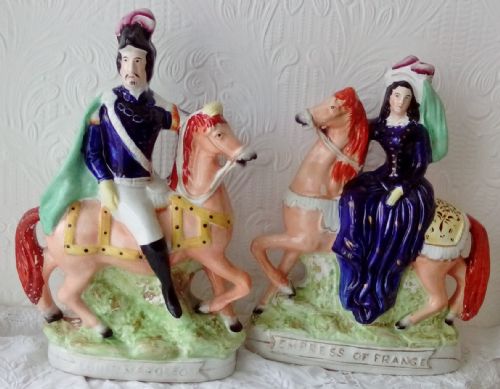
Antique Staffordshire Figurine
These antique staffordshire figurine pieces bring Victorian ceramic charm to a mantelpiece, offering figurative character and traditional pottery work.
What these pieces are
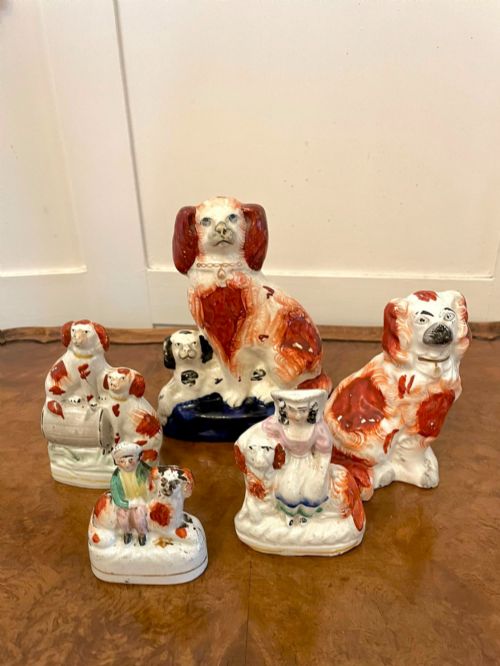
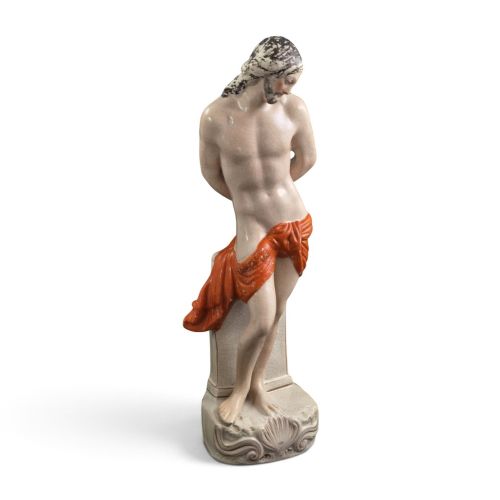
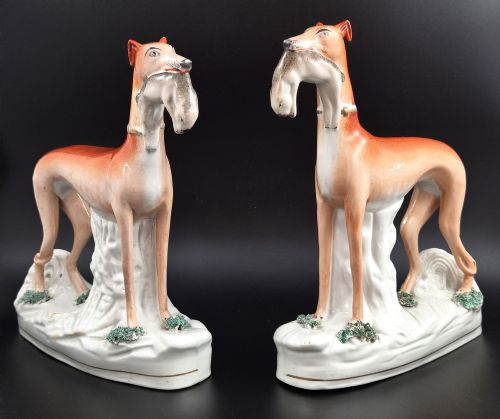
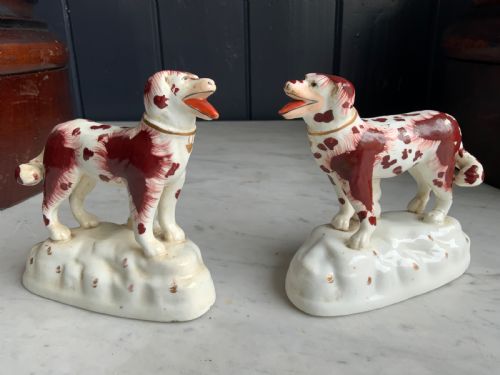
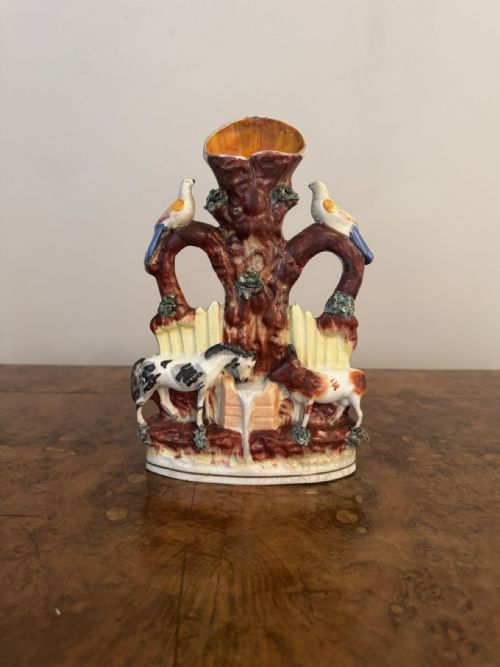
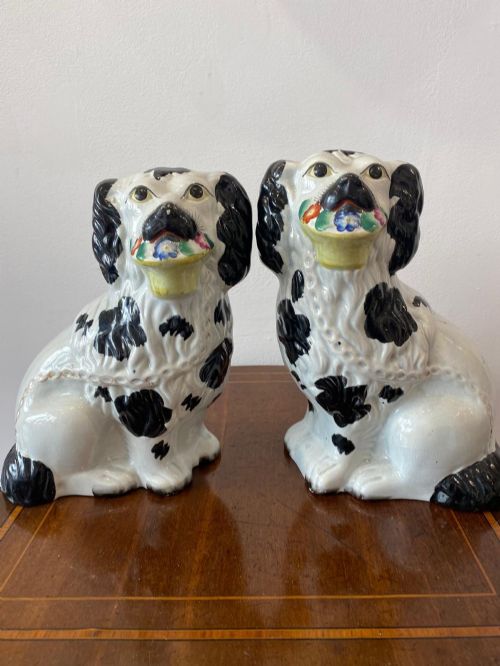
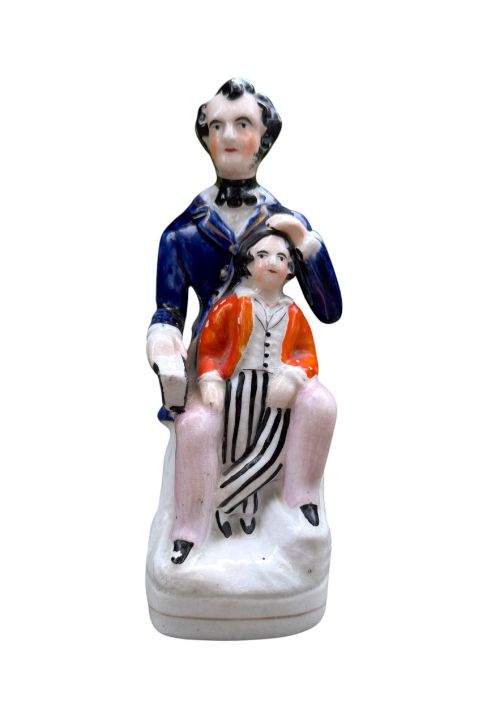
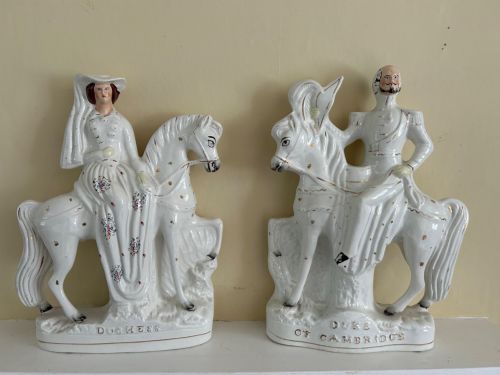
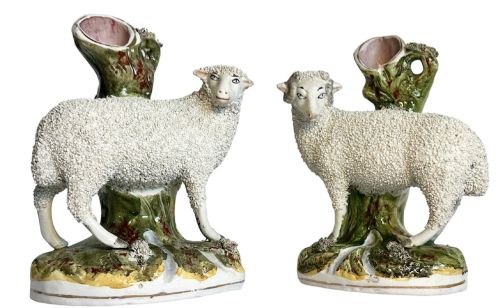
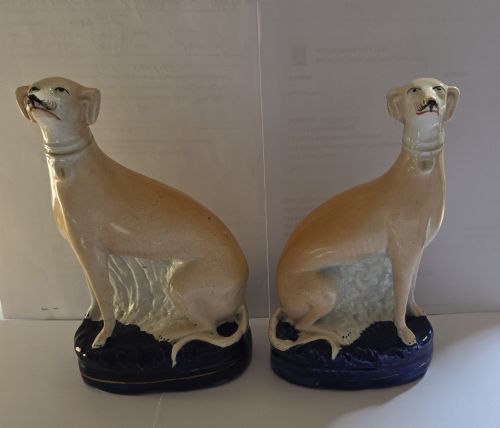
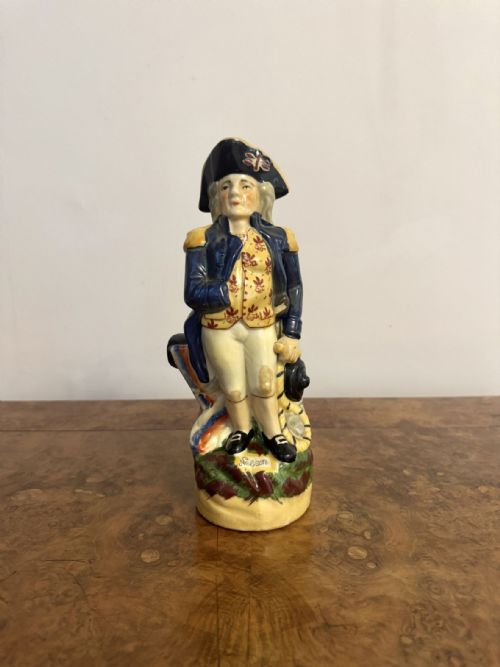
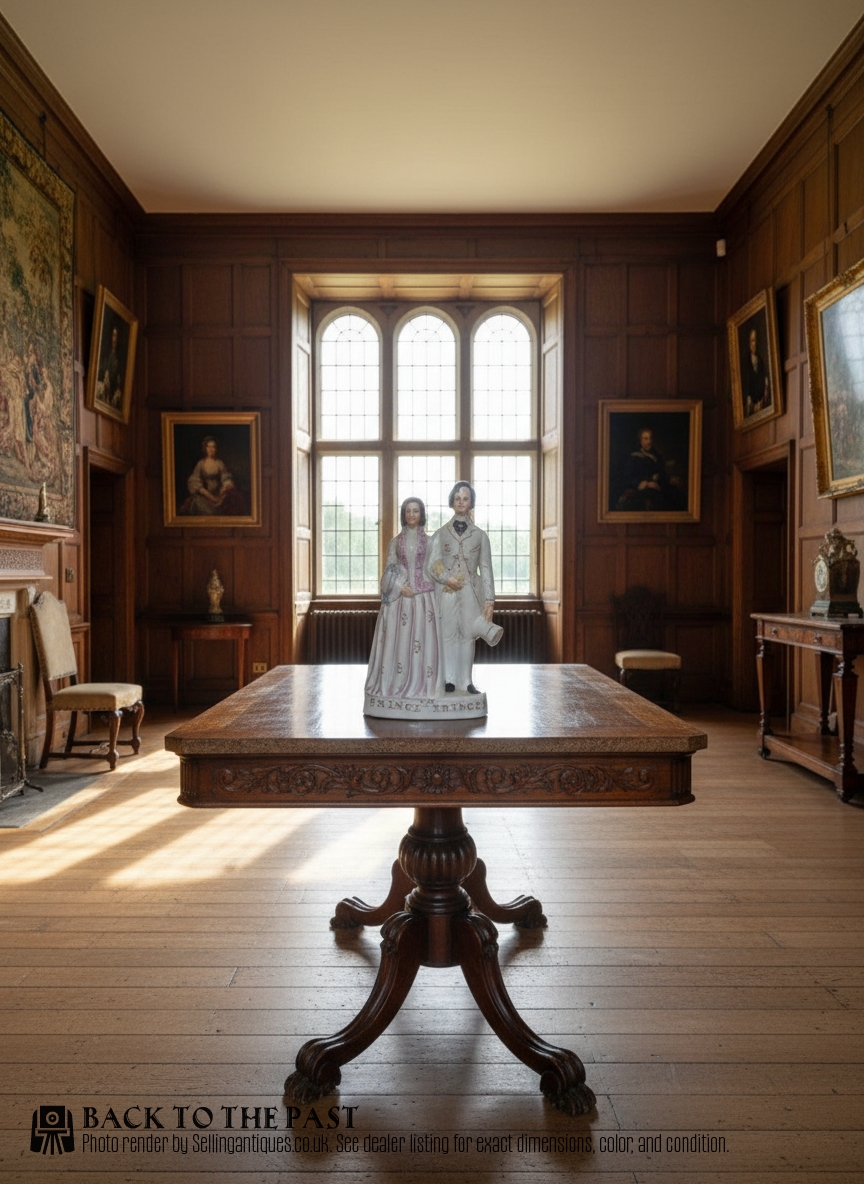
An antique staffordshire figurine represents a tradition of Victorian ceramic figures and jugs produced in pottery workshops during the nineteenth century. These items take the form of flatback figures, portrait pieces, and character jugs designed primarily for mantelpiece display.
The most common versions on this page date from the Victorian era, specifically spanning the decades between eighteen sixty and eighteen eighty. Subjects range from royal portraits and military figures to nautical characters and traditional toby jugs.
How they were made
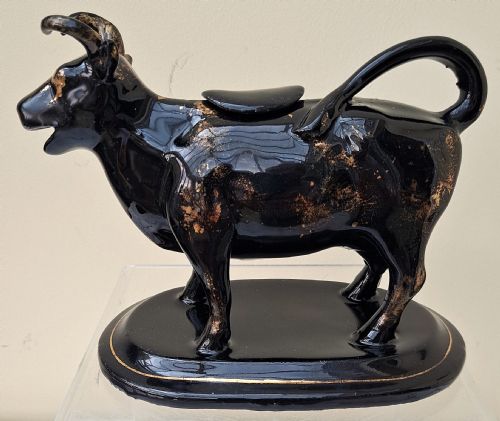
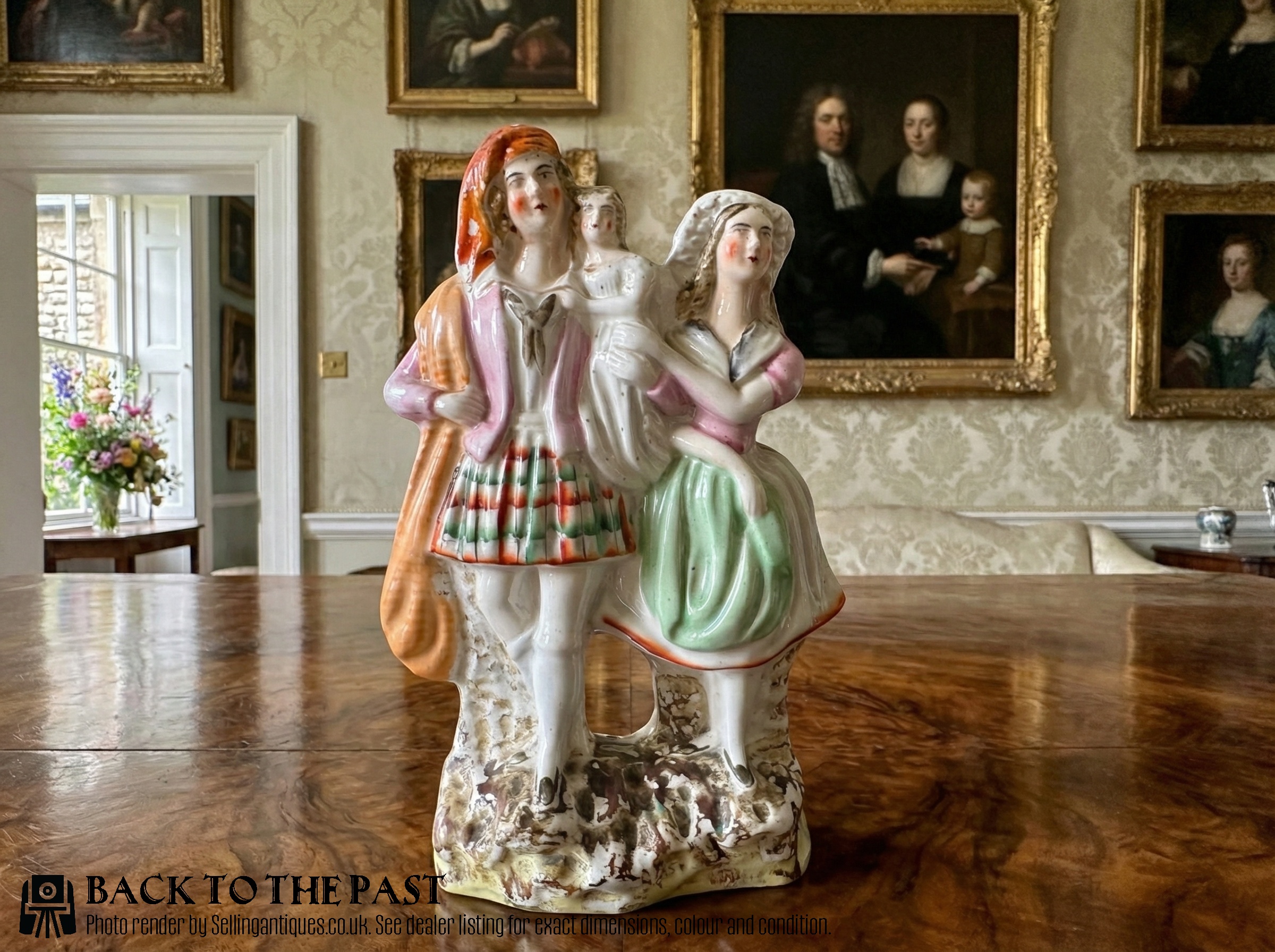
Potters utilised earthenware and ceramic bodies shaped to form the desired subject. Pieces often received a lead glaze surface treatment to seal the porous clay.
Retail Price Guide 2026
Typical UK retail prices for staffordshire figurine, calculated from the Sellingantiques database of over a million retail prices indexed since 2003. This retail price guide relies exclusively on Sellingantiques data; no external sources or auction records are used, so the figures do not describe the wider market.
Listings feature earthenware and ceramic pieces decorated with lead glaze, enamel, and gilt across the Victorian period.
What varies in quality
The sophistication of the subject matter also separates standard production from superior pieces. Well-modelled portrait figures and detailed historical representations show a higher grade of pottery skill.

Thomas Parr
The Antique Staffordshire Figurine Glossary
- Flatback figure
- A ceramic ornament finished primarily on the front and sides with a flat unglazed or glazed back designed to stand against a wall.
- Toby jug
- A pottery jug modelled in the likeness of a stout jovial man usually holding a mug of beer or a pipe.
- Lead glaze
- A shiny coating containing lead compounds applied to earthenware to create a smooth waterproof surface.
- Enamel
- Opaque glass-based paint applied over the fired glaze and refired at a lower temperature to add colour.
- Gilt
- A thin layer of gold applied to ceramic highlights for decorative emphasis.
Frequently Asked Questions
What is a flatback figure?
A flatback figure is a type of ceramic ornament designed to sit flush against a mantelpiece wall. The maker left the reverse side relatively plain because the piece was meant to be viewed entirely from the front.
These pieces capture popular personalities and scenes of the Victorian period. They remain some of the most recognisable items from nineteenth century potteries.
How old are these pieces?
The pieces on this page date from the Victorian era, generally spanning the decades between eighteen sixty and eighteen eighty. This period saw steady production of earthenware figures and toby jugs in Staffordshire.
Changes in clothing styles and subjects help place these items within the broader Victorian timeline. Portrait pieces often reference specific historical events or royal weddings of the era.
Were these figures used daily?
These ceramic pieces served as decorative mantelpiece ornaments rather than functional tableware. They added colour and character to Victorian parlours and domestic interiors.
Their placement on shelves protected them from heavy handling. This usage explains why many survive with their enamel decoration largely intact.