


Antique Pottery Figure
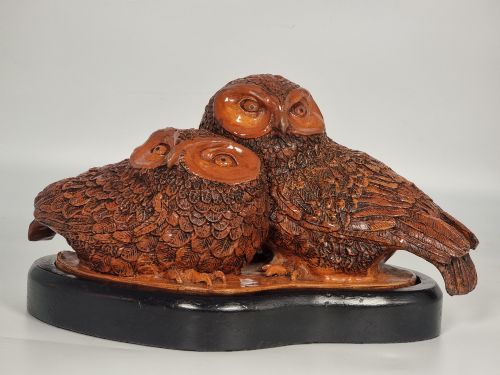
These antique pottery figure examples span Staffordshire flatbacks, Japanese Sumida Gawa creations and Dutch delftware animals, bringing enduring character and historical narrative directly into domestic spaces.
Antique Pottery Figure
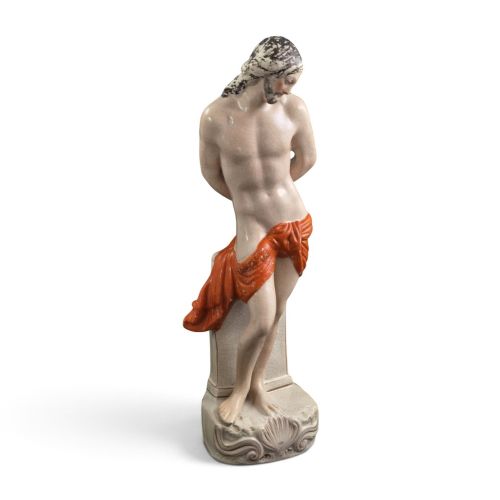
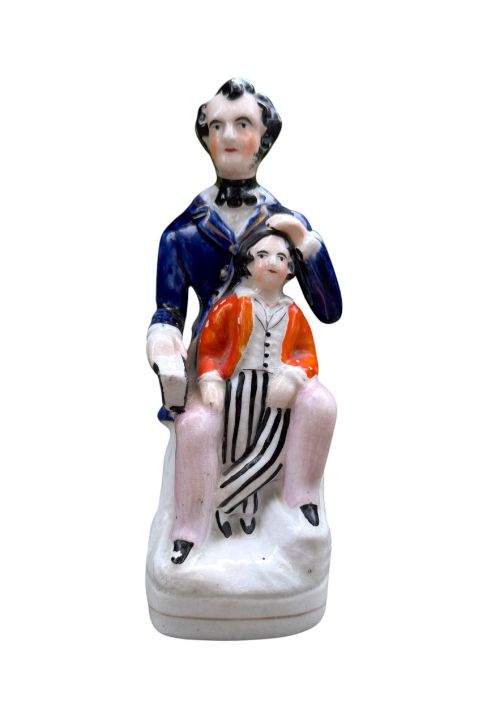
An antique pottery figure captures the likenesses of historical personages, literary characters, exotic animals and domestic pets across diverse international traditions. Buyers encounter everything from Victorian Staffordshire portrait groups and poodles to Meiji period Japanese earthenware vessels featuring applied figures in high relief.
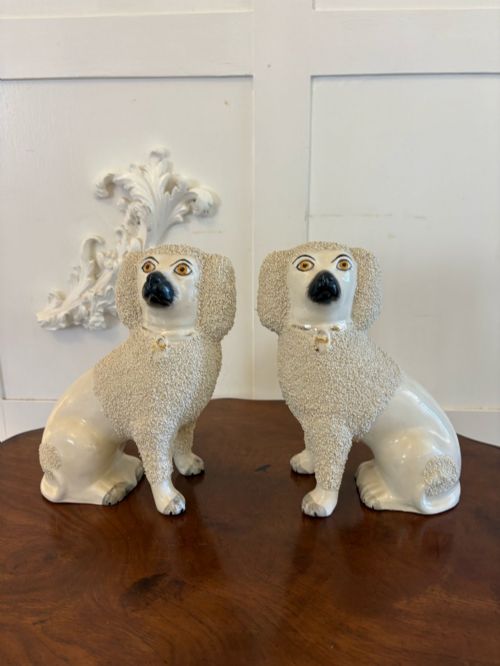
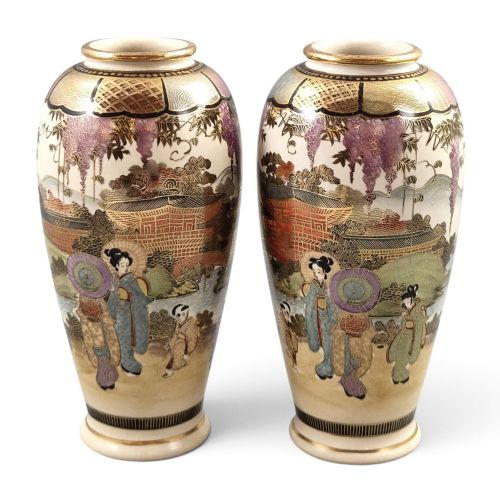
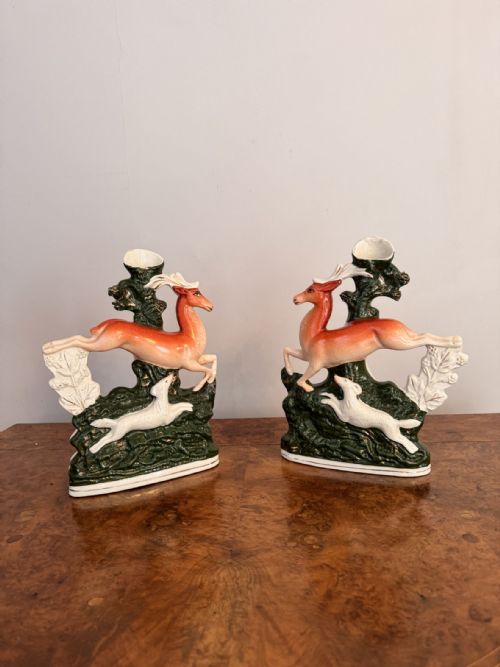
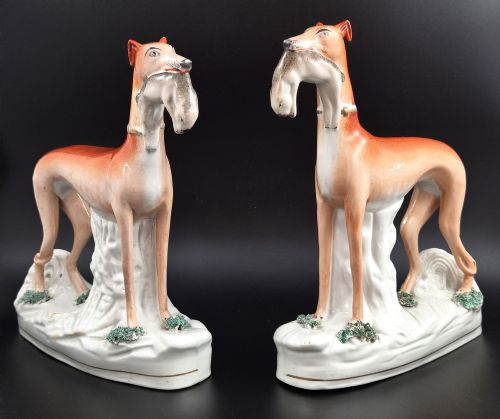
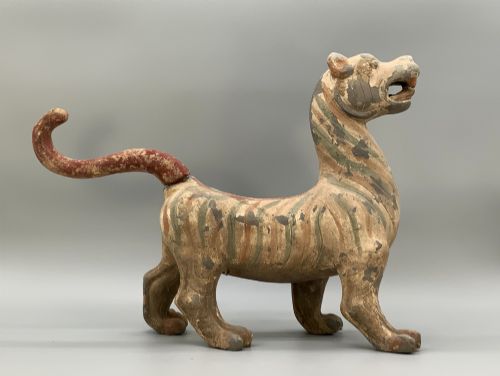
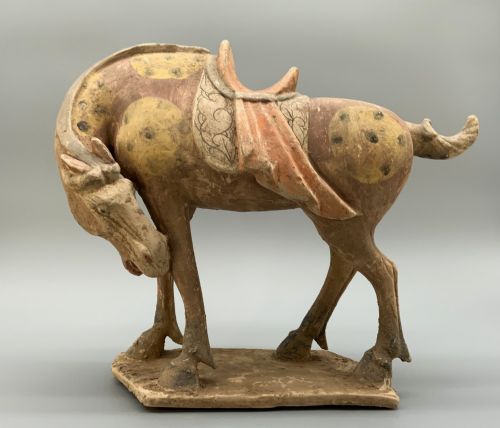
Staffordshire flatback figures and mantel dogs dominate the offerings on this page, reflecting the prolific output of nineteenth-century English potteries. Alongside these English earthenware pieces sit continental figures, French faience, and Asian ceramics ranging from Chinese Tang dynasty horses to Japanese Satsuma and Sumida Gawa wares.
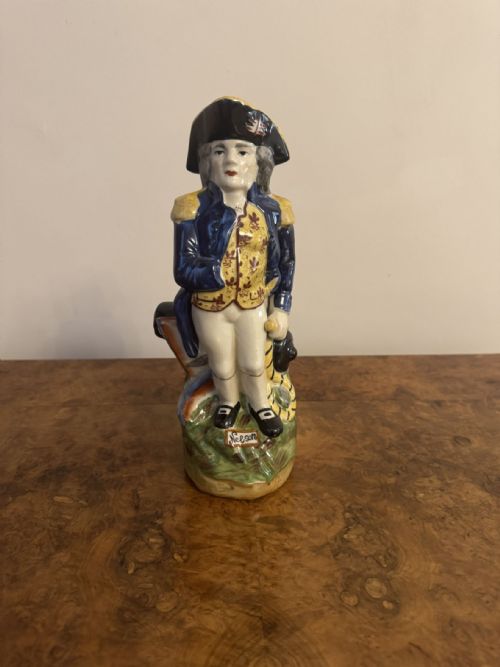
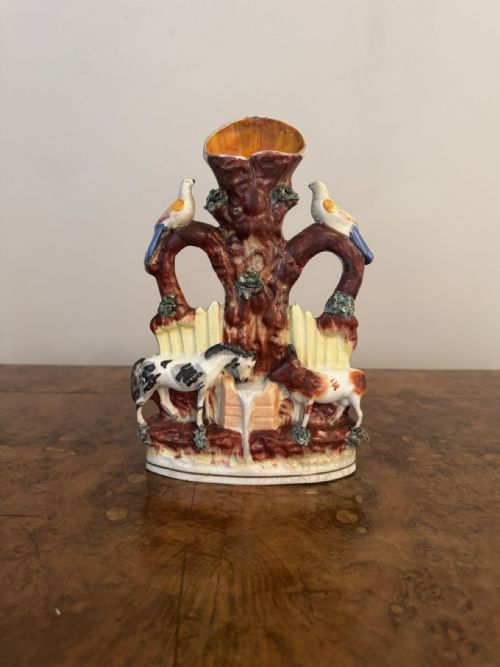
The selections extend from utilitarian to purely decorative expressions, encompassing tobacco jars, toby jugs, spill vases and sculptural groups. Collectors select them for their vivid social history, naive charm and the distinct regional styles preserved in the clay.
How They Were Made
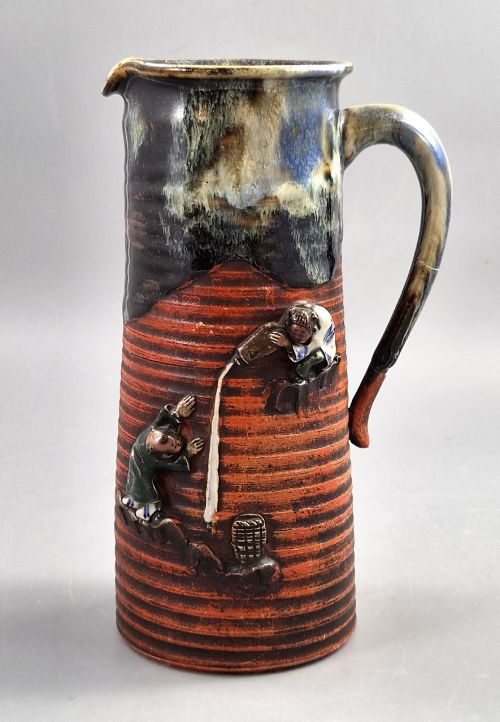
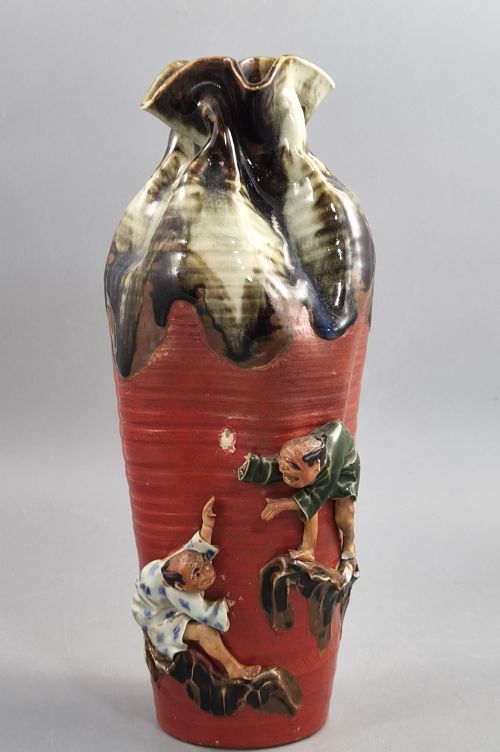
Makers utilised earthenware, stoneware, terracotta and porcelain bodies, shaping them through pressing into moulds or hand-modelling distinct sculptural elements. Japanese Sumida Gawa pieces often combined thrown vessels with heavily textured, individually modelled figures applied directly to the surface.
Surface decoration relied upon lead glazes, polychrome enamels, underglaze blue painting and distinctive flambe effects. Potters fired these works in kilns to vitrify the clay and fuse the colourful enamel or glaze layers to the ceramic body.
Nineteenth-century ceramic poodles often arrived in pairs sporting gravelware fur made from scattered bits of crushed pottery.
What Varies in Quality
Technical execution during the firing process also separates tiers of quality, visible in the stability of the glaze, the absence of excessive kiln warping and the richness of applied enamel colours. Signed works by established makers or documented workshops carry distinct artistic weight through their superior modelling.
Charles Vyse·Goldscheider·Inoue Ryosai·Royal Dux Bohemia·Walton
The Antique Pottery Figure Glossary
- Flatback
- A Staffordshire figure modelled with a finished front and a plain, unglazed or semi-flat reverse designed to stand against a mantelpiece. These pieces often depicted contemporary news events or notable public figures.
- Pearlware
- A fine-grained earthenware developed by Josiah Wedgwood featuring a thin, bluish-tinted glaze that pooled slightly in recesses to mimic Chinese porcelain. It served as the primary body for early nineteenth-century animal and human figures.
- Spill vase
- A hollow cylindrical ceramic vessel attached to a figural group, intended to hold wooden spills for lighting pipes and candles. They combined domestic utility with decorative sculptural subjects.
- Flambe glaze
- A variegated, often streaky ceramic glaze featuring rich transitions of colour produced by reduction firing. It is frequently seen on Japanese art pottery and Sumida Gawa wares.
- Toby jug
- A pottery jug modelled in the form of a stout, jovial person usually wearing eighteenth-century attire and holding a mug or pipe. These jugs functioned as both drinking vessels and display ornaments.
- Okimono
- A Japanese decorative carving or sculptural figure intended for display in a traditional domestic interior. These ceramic figures exhibit exceptional attention to posture and costume detail.
Antique Pottery Figure: Frequently Asked Questions
What are Staffordshire flatbacks?
Staffordshire flatbacks are earthenware figures produced in the English potteries during the nineteenth century, featuring decorated fronts and flat, unglazed backs.
Potters designed them specifically to sit on mantelpieces against cottage walls, portraying royalty, military heroes, theatrical stars and animals.
How do I identify Sumida Gawa pottery?
Sumida Gawa pottery originates from late nineteenth and early twentieth-century Japan, easily recognised by its textured, heavily modelled figures climbing across the exterior of the vessel.
These pieces typically showcase distinctive flambe glazes and occasionally bear the signature of makers such as Inoue Ryosai.
Were these figures meant for display?
Many figures served purely decorative purposes on shelves and mantelpieces, capturing popular culture and contemporary news for the Victorian home.
Others combined ornament with function, operating as spill vases, tobacco jars, creamers or drinking jugs.
How do I care for antique pottery figures?
Antique pottery requires gentle dusting with a soft, dry brush and should be kept away from direct sunlight and areas prone to heavy humidity.
Avoid using water or chemical cleaners on unglazed surfaces or antique enamel decorations to preserve the original finish.