
Victorian Ceramic Statue
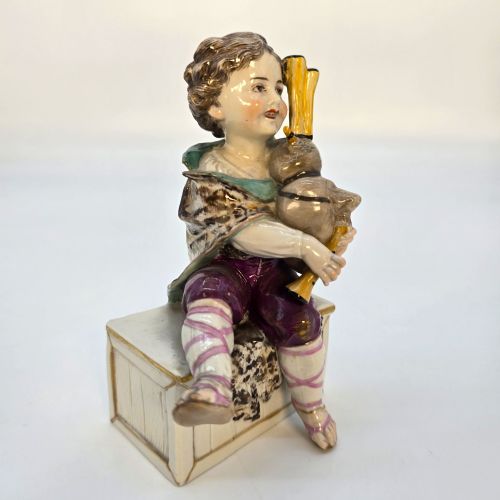
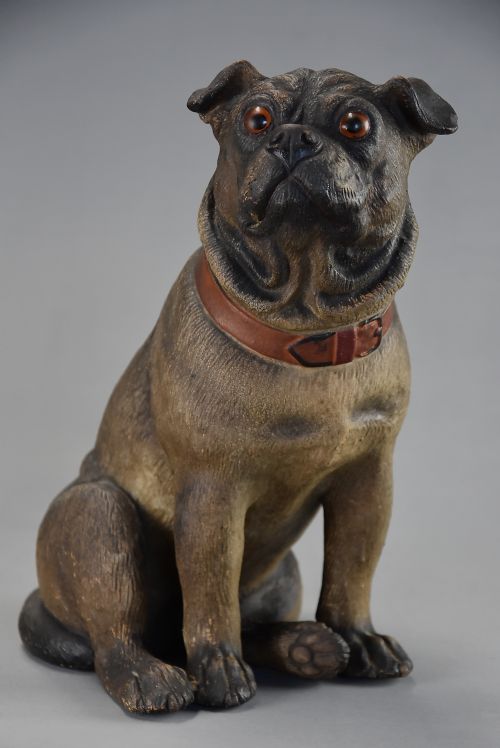
A victorian ceramic statue brings nineteenth-century portraiture and animal studies into a room through earthenware, porcelain, and terracotta.
Victorian Ceramic Statue
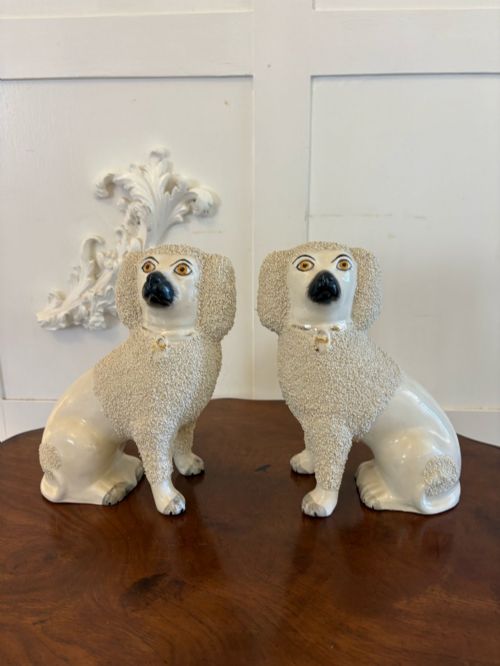
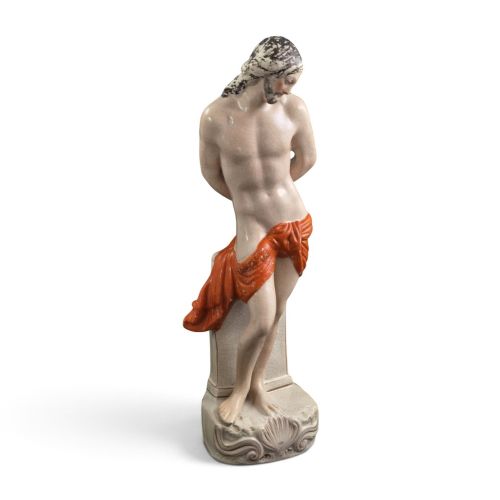
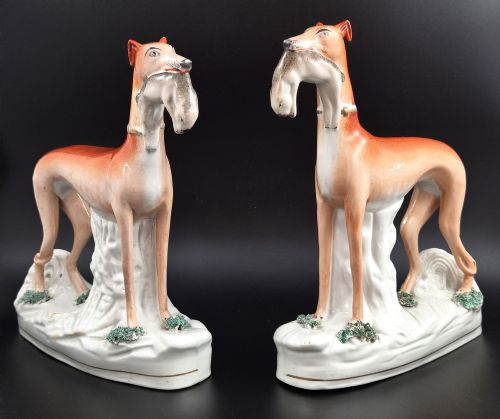
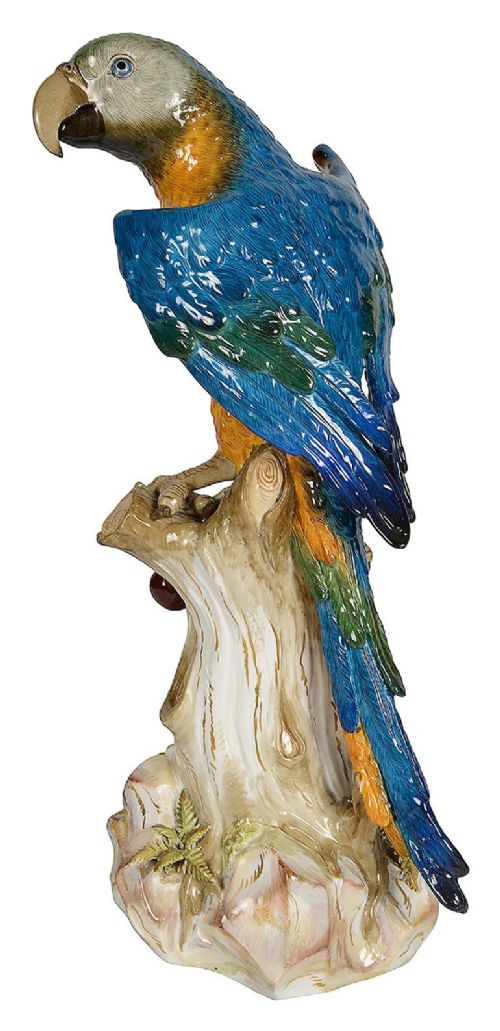
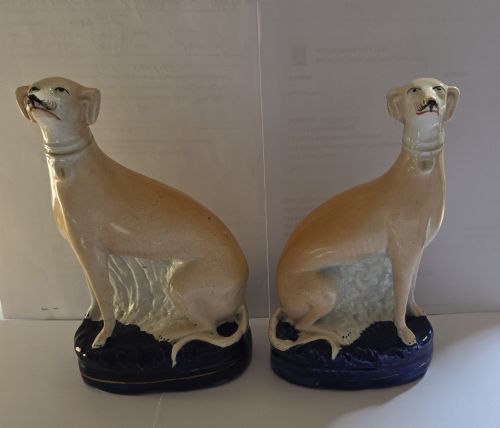
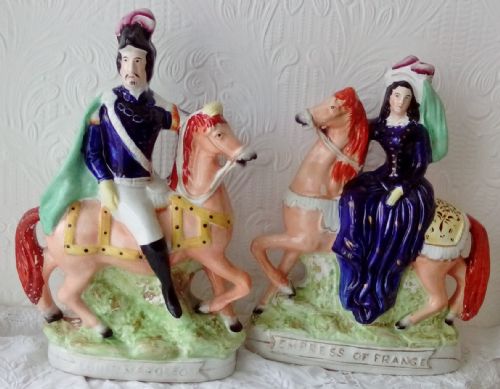
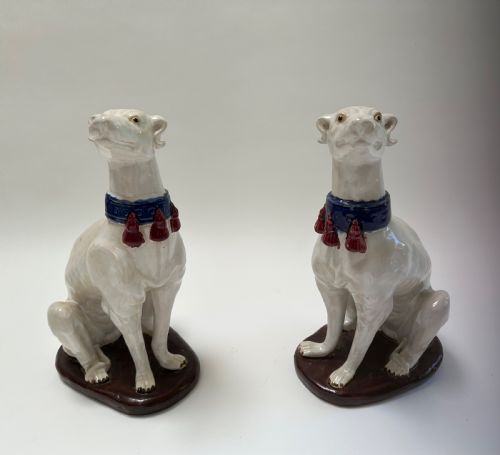
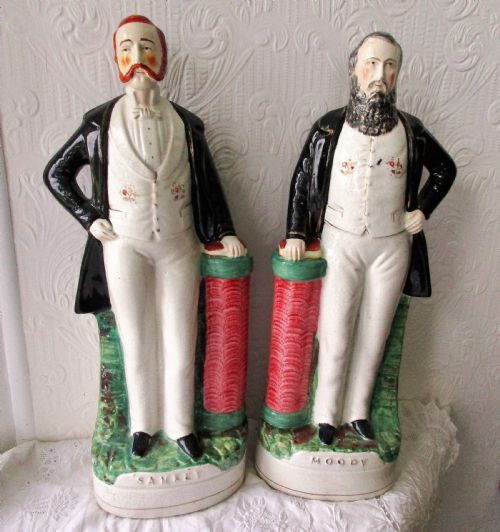
A victorian ceramic statue encompasses a diverse array of nineteenth-century figurines, portrait figures, and animal sculptures produced across England, Germany, France, and Austria. The titles show a strong representation of Staffordshire pottery dogs, including poodles, greyhounds, and spaniels, alongside literary and theatrical portrait figures.
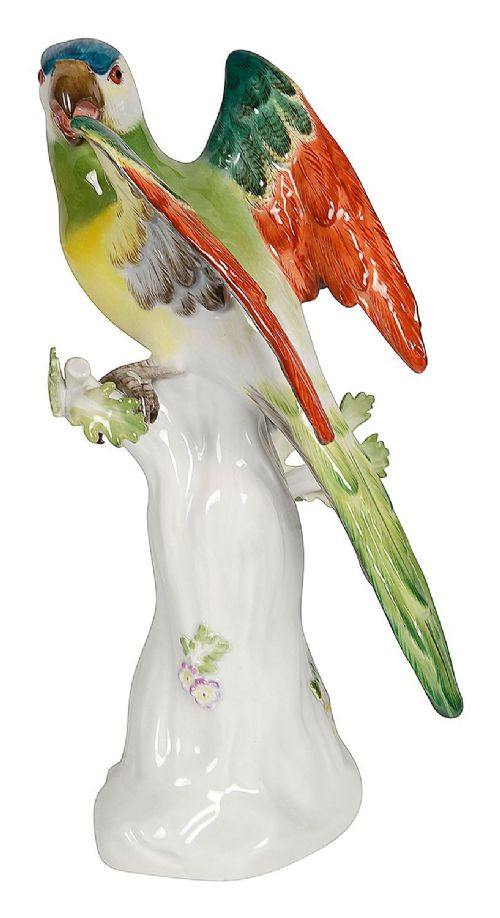
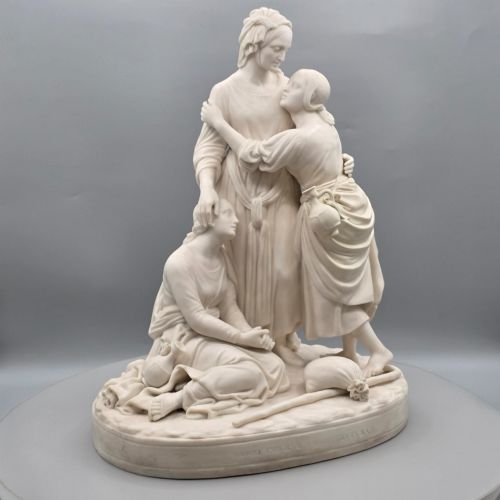
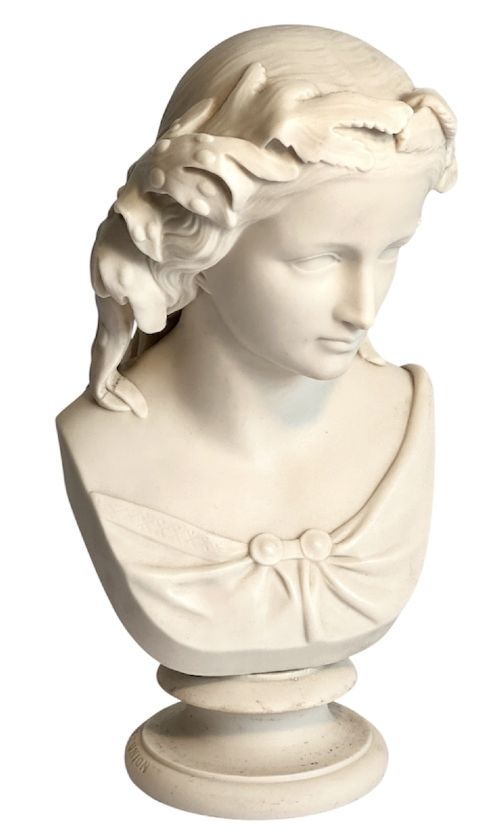
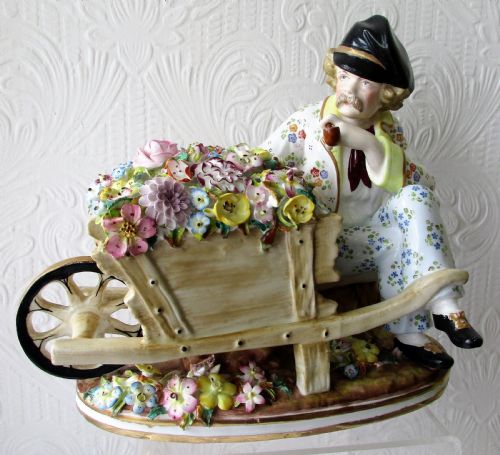
Beyond earthenware Staffordshire groups, the selection includes parian ware busts, porcelain studies, and terracotta animal sculptures reflecting styles from neoclassical to Victorian Orientalism. These pieces range from mantelpiece Staffordshire pairs to larger Continental porcelain and terracotta figures created by prominent factories.
How They Were Made
Makers utilised earthenware, porcelain, and terracotta, shaping them through moulding and hand-modelling before applying lead glaze, enamel, or gold leaf highlights. Parian ware required specialised unglazed porcelain biscuit mixtures to imitate carved marble, while majolica pieces relied on colourful opaque lead glazes.
Listings feature nineteenth-century earthenware, parian ware, terracotta, and porcelain across Staffordshire, German, French, and Austrian origins.
What Varies in Quality
Quality rests upon the crispness of the modelling and the precision of the hand-painting, separating workshop-produced Staffordshire pottery from finely detailed factory porcelain. Superior examples display carefully rendered facial expressions, clean glaze application, and balanced proportions.
The sophistication of the original design also distinguishes the work, with pieces modelled by known sculptors or produced by established European factories showing greater artistic ambition than standard domestic ornaments.
Meissen·Minton·Copeland·Volkstedt Rudolstadt Factory·Royal Doulton·Royal Worcester·Letu and Mauger Paris·Triebner Ens and Eckert·Samson of Paris·Goldscheider
The Victorian Ceramic Statue Glossary
- Parian Ware
- A fine-grained, unglazed white porcelain developed to imitate carved marble. It was widely utilised during the nineteenth century for classical busts and literary groups.
- Staffordshire Pottery
- Earthenware figures and animals produced by various potteries in the English Midlands. They were typically painted with enamels and finished with a clear lead glaze.
- Terracotta
- Fired unglazed clay ranging in colour from buff to deep red. It allowed sculptors to achieve rich surface textures on large animal figures and portrait busts.
- Biscuit Porcelain
- Unlacquered porcelain fired once to a porous state, offering a matte surface finish favoured for delicate Continental figural groups.
- Majolica
- Earthenware covered with an opaque tin-lead glaze and decorated with coloured metal oxides. This technique produced vibrant, glossy surfaces on Italian and English pottery.
Victorian Ceramic Statue: Frequently Asked Questions
What are Staffordshire dog figures?
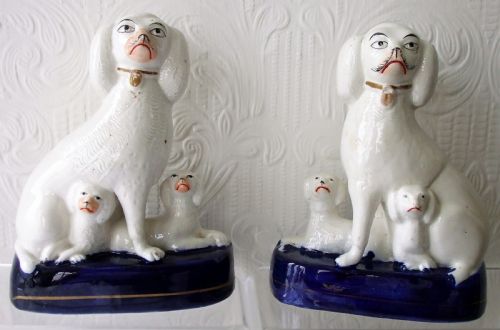
Staffordshire dog figures are earthenware ceramic ornaments modelled as spaniels, poodles, greyhounds, and pugs, produced in pairs for nineteenth-century mantelpieces. They typically feature hand-painted enamel details and gold highlights over a white or coloured glaze.
Potters in the English Midlands created these popular mantel ornaments to sit facing one another on either side of a fireplace. Their widespread production makes them one of the most recognisable categories of Victorian pottery.
Where were Victorian ceramic figures displayed?
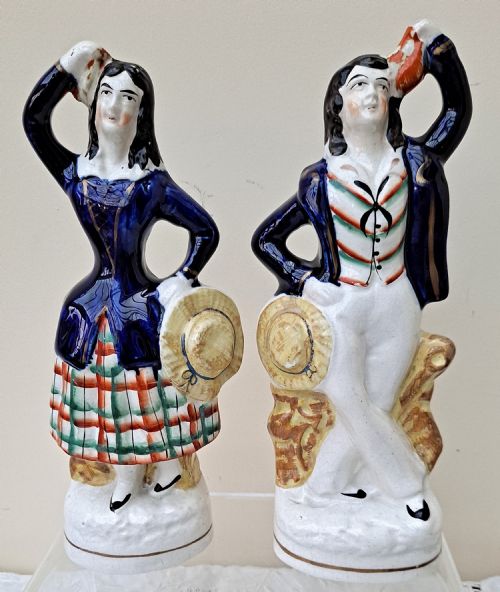
Victorian ceramic figures were displayed prominently on mantelpieces, side tables, and decorative brackets within the nineteenth-century parlour. Pairs of animals or theatrical characters were arranged symmetrically to anchor interior decorative schemes.
Larger terracotta sculptures and majolica figures often stood on pedestals or floor areas in entrance halls and conservatories. Smaller porcelain figurines and spill vases occupied shelf spaces where guests could inspect their painted details closely.
How are different ceramic periods told apart?
Ceramic periods are told apart by examining the paste, glaze type, factory marks, and stylistic conventions used in the modelling. Early Victorian pieces often display robust earthenware forms with simple enamel painting, while later Victorian and turn-of-the-century works utilise refined porcelains and terracotta.
Factory stamps, impressed registration numbers, and stylistic shifts toward Art Deco or revivalist designs help narrow the date of manufacture. Comparing the weight, colour palette, and glazing technique further clarifies the era of production.