

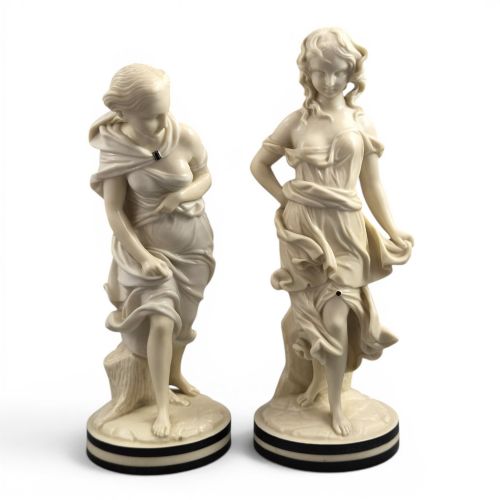


Antique Parian Sculpture
Antique parian sculpture brings neoclassical dignity and Victorian grace to a room through fine biscuit porcelain modelled into literary and classical forms.

What antique parian sculpture is
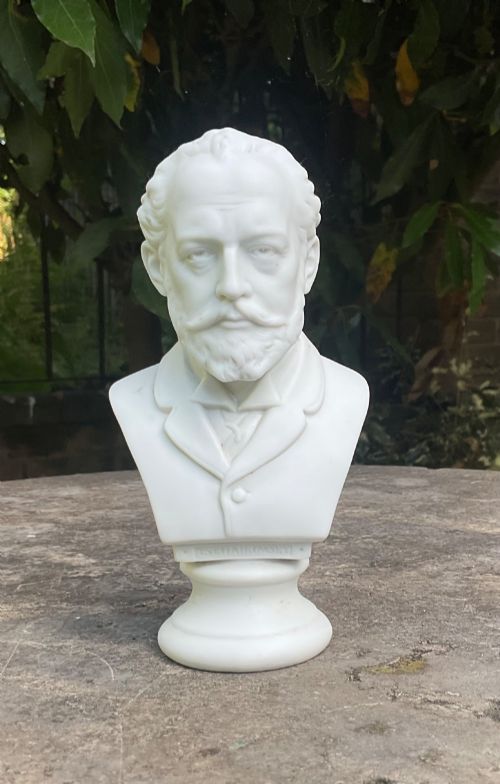
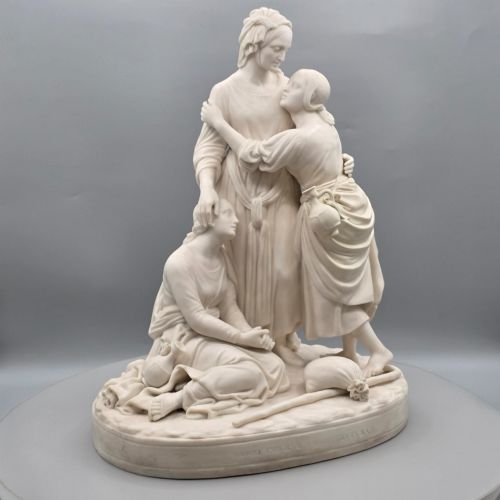
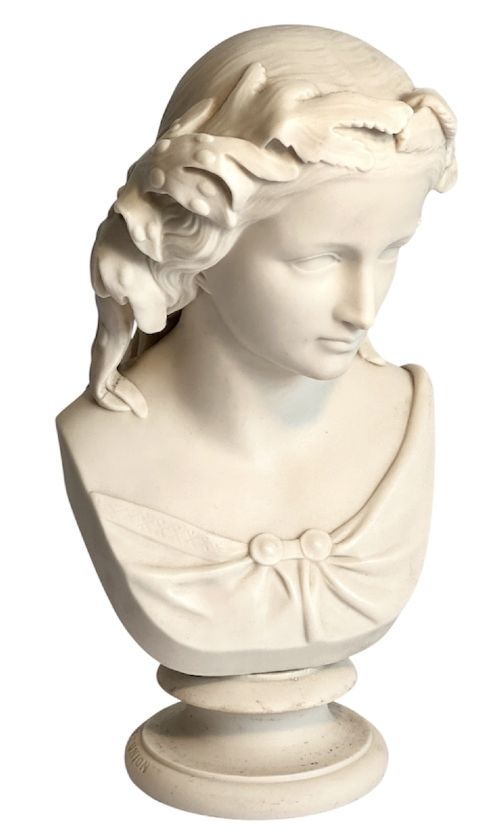
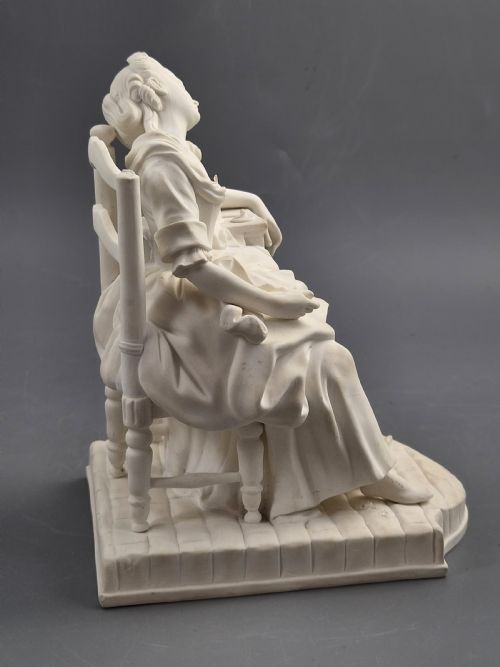
Antique parian sculpture encompasses busts, figure groups, and statuettes produced primarily during the nineteenth century in Britain and Europe. These pieces capture mythological figures, literary heroines, and classical statues in a dense, unglazed ceramic medium that imitates carved marble.
Buyers encountering this material will most frequently meet Victorian neoclassical subjects such as Venus De Milo or literary characters like Miranda and Clorinda. These works range from intimate cabinet busts to large figure groups that sometimes served as lamp bases.
The objects stem from periods including the late nineteenth century, spanning distinct manufacturing decades from around eighteen-fifty to nineteen-hundred. Their appeal lies in the crisp detail achieved through slip-casting and the matte finish that mimics white statuary marble.
How they were made
The fabrication relies upon parian porcelain, biscuit porcelain, and parian ware poured as a liquid slip into multi-part plaster moulds. This technique allows for intricate undercut details in hair, drapery, and facial expressions that standard glazed ceramics cannot easily achieve.
After casting, the pieces undergo firing at high temperatures without a glaze, yielding a hard, vitrified body with a characteristic matte surface texture. Artisans then clean the seams and refine the surface by hand before a final low-temperature firing.
Retail Price Guide 2026
Typical UK retail prices for parian sculpture, calculated from the Sellingantiques database of over a million retail prices indexed since 2003. This retail price guide relies exclusively on Sellingantiques data; no external sources or auction records are used, so the figures do not describe the wider market.
Victorian households often displayed literary heroines alongside classical deities to signal cultural literacy to guests.
What varies in quality
The reputation of the producing pottery or studio also influences standing, with named works by major factories demonstrating superior control over shrinkage and warping during the firing process. The presence of impressed factory marks often correlates with a higher degree of sculptural refinement.
Copeland·Old Paris·Minton
The Antique Parian Sculpture Glossary
- Parian ware
- A fine-grained, unglazed porcelain developed in the nineteenth century to imitate white marble. It contains a high proportion of feldspar, which melts during firing to vitrify the body.
- Biscuit porcelain
- Unglazed ceramic fired once before decoration, providing a matte surface texture. It is synonymous with parian when used for sculptural figures.
- Slip-casting
- A manufacturing method where liquid clay mixture is poured into a plaster mould. This technique permits the replication of complex sculptural forms.
- Neoclassical
- An artistic style drawing inspiration from the classical art and culture of ancient Greece and Rome. It dominates the subject matter of nineteenth-century figure sculpture.
Frequently Asked Questions
What is parian ware made of?
Parian ware consists of a specialised porcelain formula containing a high percentage of feldspar. This composition creates a dense, durable body that vitrifies at high temperatures without needing a surface glaze.
The resulting material achieves a matte, granular finish designed to resemble carved white marble. It gained immense popularity in the Victorian era for affordable art reproductions.
How do you clean antique parian?
Cleaning unglazed porcelain requires gentle methods because the matte surface readily absorbs dirt and oils. Soft brushes or dry microfiber cloths remove surface dust effectively without damaging fine details.
For stubborn marks, a mild natural sponge with minimal water can be applied carefully. Avoid harsh chemical cleaners or soaking, as moisture penetrates the unglazed ceramic body.
Are all parian sculptures marked?
Not all pieces carry maker marks, as many nineteenth-century factories left smaller figures unmarked or relied on removable paper labels. Impressed numbers, titles, or factory cyphers typically appear on the underside or rear plinth.
Unmarked pieces are common and attributed based on modelling style, clay composition, and known factory catalogues. Quality of execution remains the primary indicator of origin.
Why is it called parian?
The name derives from Paros, a Greek island renowned for its fine white marble used by ancient sculptors. Nineteenth-century British manufacturers chose the term to market their new porcelain composition as an accessible alternative.
Prominent potteries adopted the name to evoke classical antiquity and high art. The marketing successfully positioned the ceramic material as a sophisticated addition to Victorian drawing rooms.