




Classical Female Bust Sculpture
A classical female bust sculpture brings the carved serenity of antiquity and later European ateliers directly into a modern room.

Classical Female Bust Sculpture
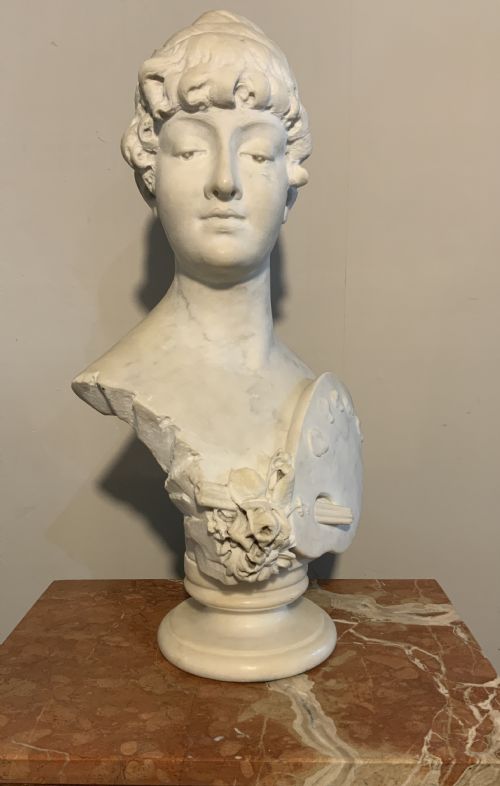
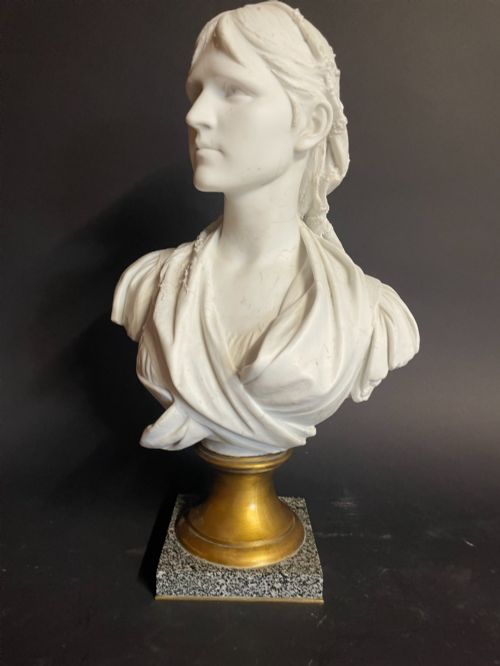
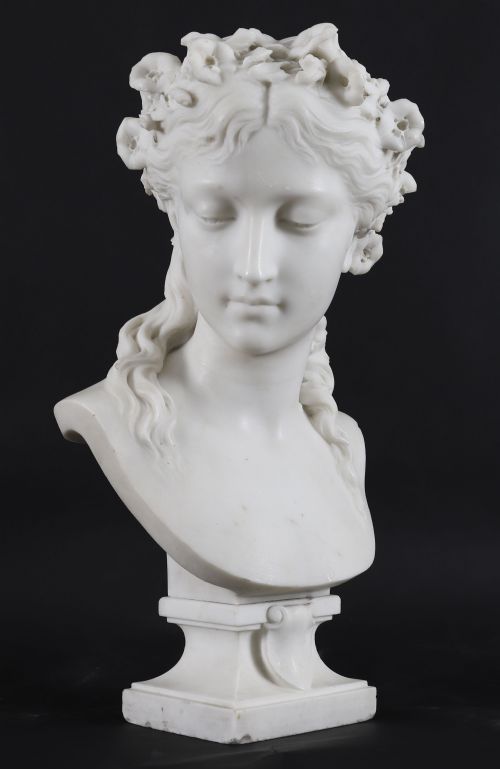
A classical female bust sculpture portrays women from mythology, history or allegory, ranging from modest portraiture to grand decorative statements. Buyers encounter nineteenth-century interpretations most frequently, drawing heavily on neoclassical, Victorian and art nouveau aesthetics.
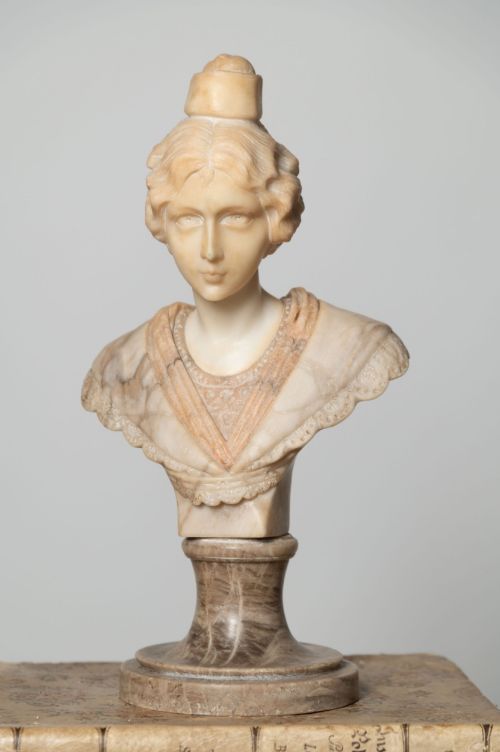
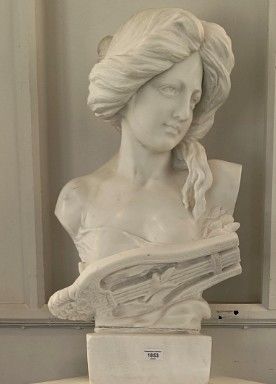
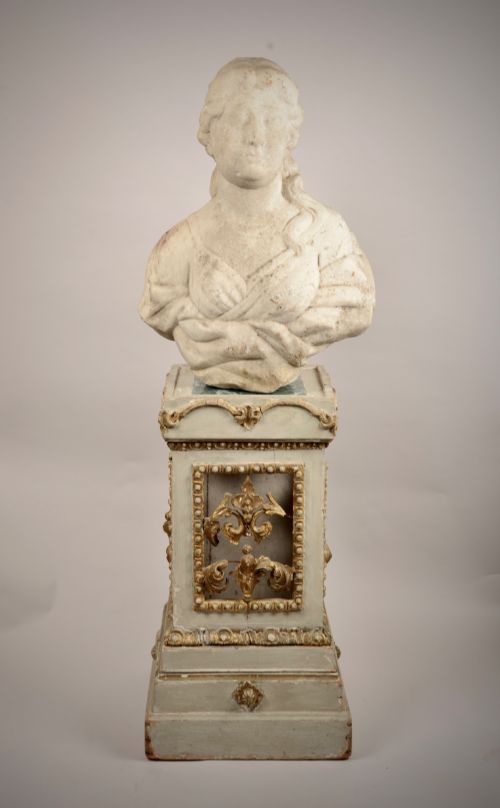
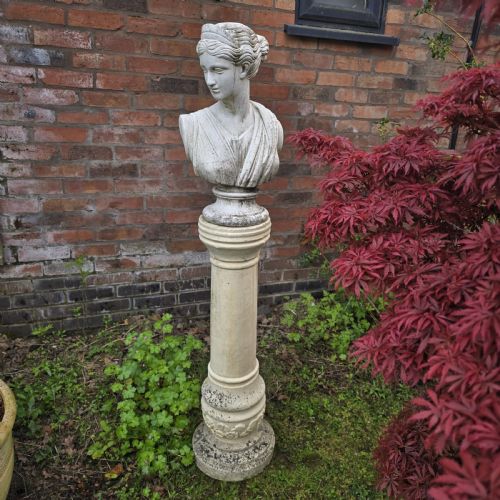
Works appear in formats from cabinet-sized portrait heads to substantial carved marble and alabaster depictions resting on dedicated plinths or bases. Subjects span classical muses, noblewomen and allegorical figures such as Diana, Athena and Cleopatra.
Origins stretch across French, Italian and English workshops, capturing subjects from Greek mythology to historical figures like Marie Antoinette and Madame Récamier. These pieces function primarily as interior focal points, bringing figurative presence and historical depth to mantelpieces or pedestals.
Materials and methods
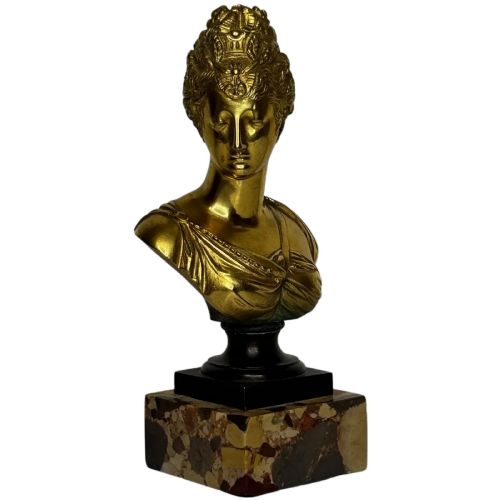
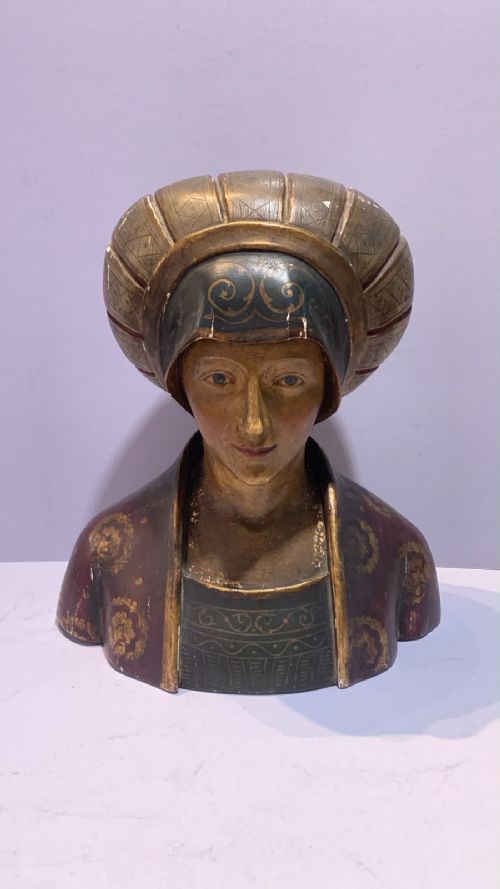
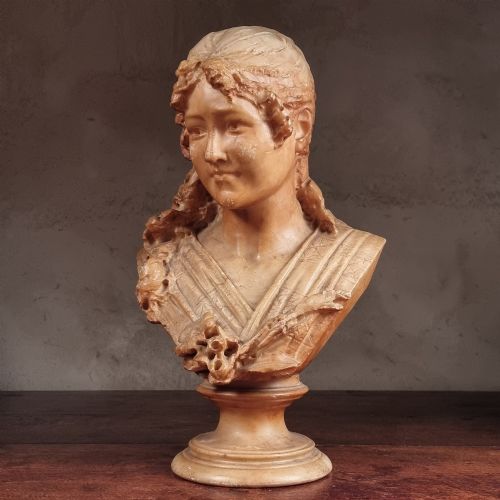
Foundries utilised bronze and patinated or bronzed terracotta to capture fluid lines in metal and clay, frequently mounting finished casts upon contrasting marble stands. Porcelain, bisque, plaster and cast iron also appear, offering varied textures from glossy ceramic glazes to matte mineral surfaces.
Listings feature works spanning from the seventeenth century through to the mid-twentieth century, dominated by nineteenth-century production.
Distinguishing quality
The finesse of facial carving and the natural fall of drapery set superior works apart from standard decorative output, requiring precise anatomical understanding. Weaker pieces display stiff hair rendering and flat expressions, whereas accomplished sculptures convey genuine character and delicate expression.
Material selection dictates much of the physical presence, distinguishing solid carved stone and heavy cast bronze from lighter plaster or hollow ceramics. Base construction matters equally, with integrated marble columns or multi-coloured marble mounts elevating the status of the primary subject.
Eugene Aizelin·Emmanuel Villanis·Hans Müller·Georges-Charles Coudray·Achille Mollica
The Classical Female Bust Sculpture Glossary
- Carrara marble
- A white or blue-grey stone quarried in Tuscany, prized by sculptors for its fine, uniform grain.
- Alabaster
- A fine-grained mineral stone known for its translucent quality, allowing light to penetrate beneath the surface.
- Terracotta
- Fired clay used for sculptural modelling, often left in its natural earthy tone or painted and bronzed.
- Patinated bronze
- Metal sculpture treated with chemicals or heat to produce a stable surface colour and protective sheen.
- Parian ware
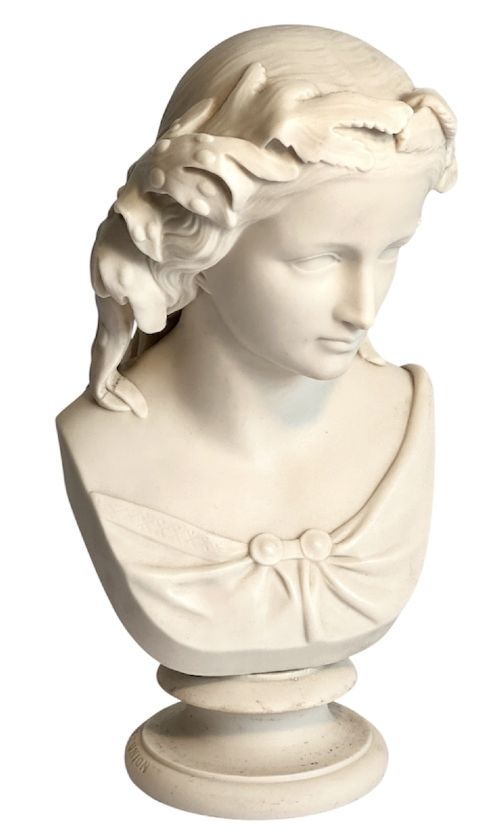
- A fine white ceramic developed in the nineteenth century to imitate the smooth texture of carved marble.
Classical Female Bust Sculpture: Frequently Asked Questions
Where should I place a heavy stone bust?
Heavy marble and stone sculptures require stable, low-standing furniture such as sideboards, heavy wooden tables or dedicated stone plinths to support their substantial weight safely.
Positioning them away from high-traffic household areas protects projecting noses and hair details from accidental knocks.
How do I clean a marble or alabaster sculpture?
Dust alabaster and marble surfaces gently using a dry, soft microfibre cloth without applying water or chemical cleaning agents that might degrade the stone.
Alabaster is particularly sensitive to moisture, so damp cloths must be strictly avoided to prevent permanent surface staining.
How can I tell bronze from bronzed terracotta?
Lifting the piece offers an immediate clue, as bronze is significantly heavier and colder to the touch than painted or bronzed clay.
Examining any natural wear points or base edges can reveal the reddish-brown ceramic material beneath a terracotta surface finish.
What does Grand Tour mean for these sculptures?
Grand Tour pieces refer to smaller souvenir busts acquired by nineteenth-century travellers visiting classical Italian and French historic sites.
These portable sculptures allowed collectors to bring home miniature representations of famous museum antiques and classical monuments.