


Classical Figure Ornament
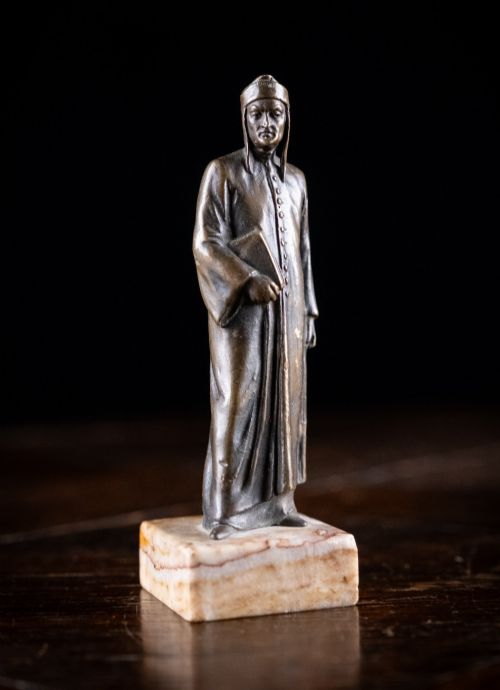
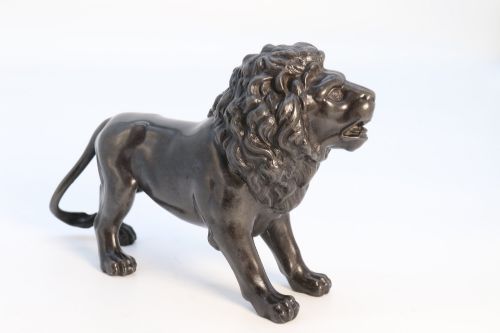
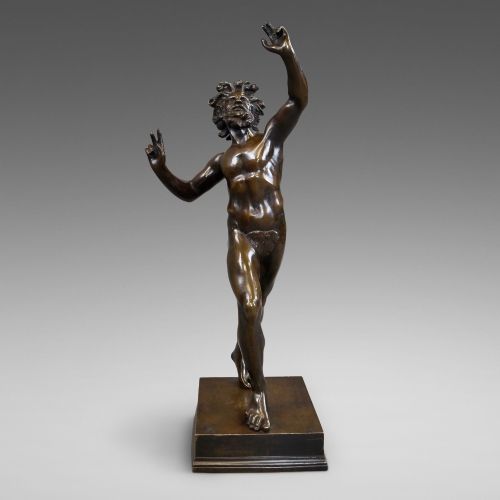
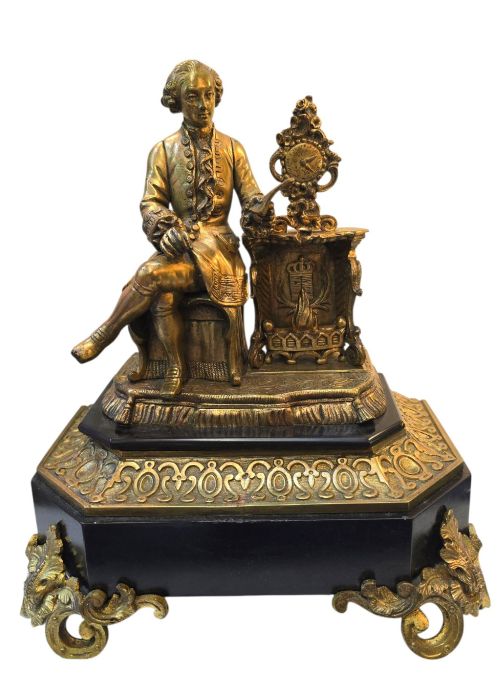
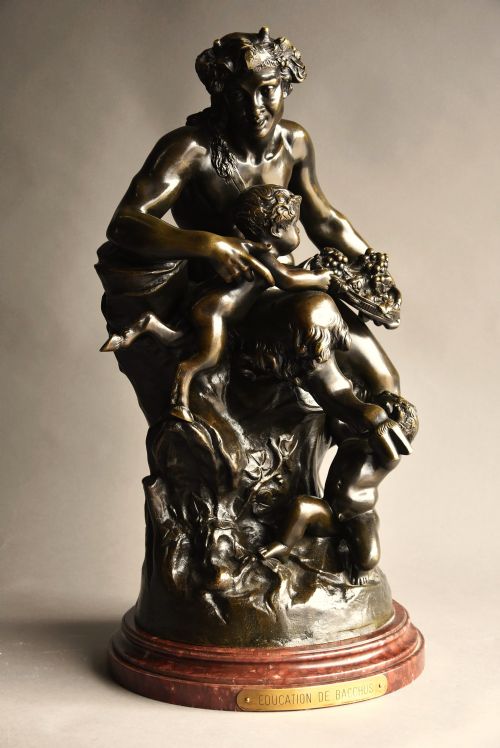
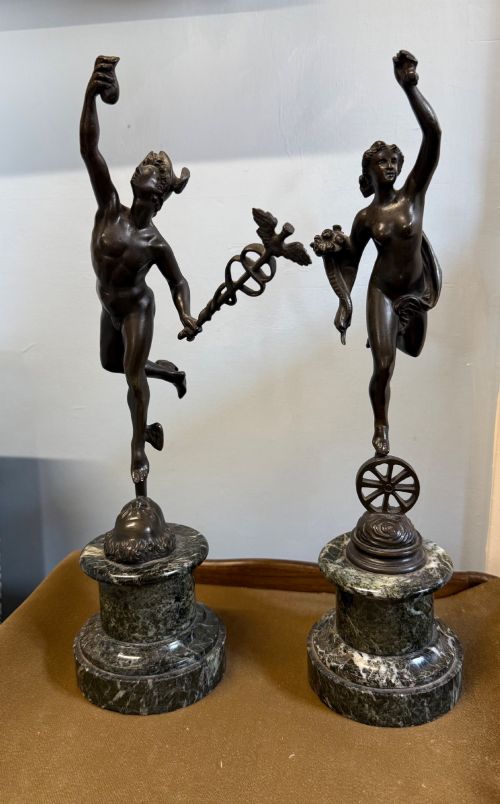
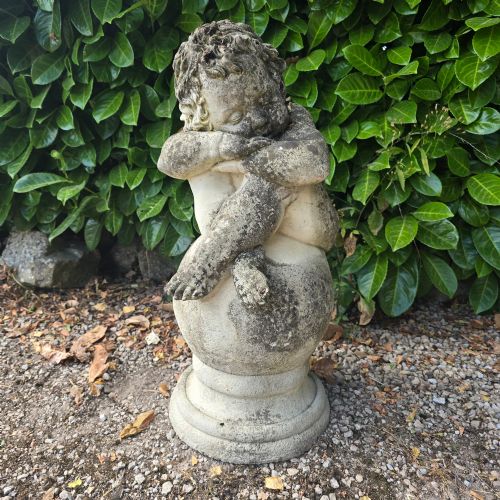
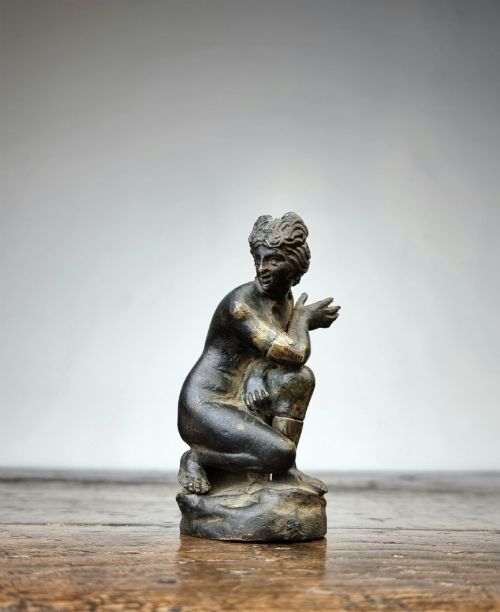
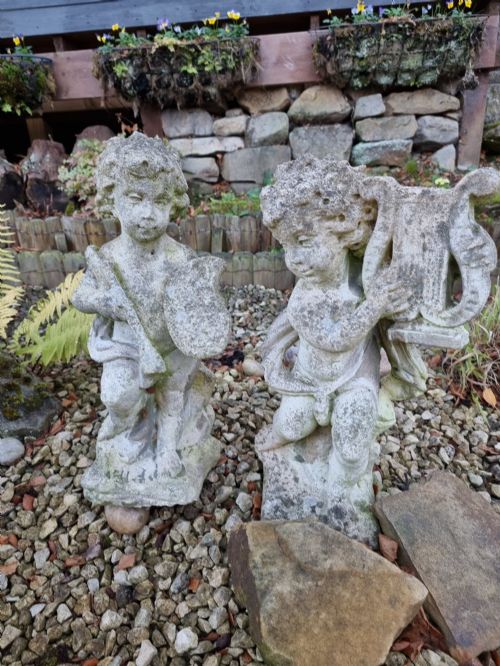
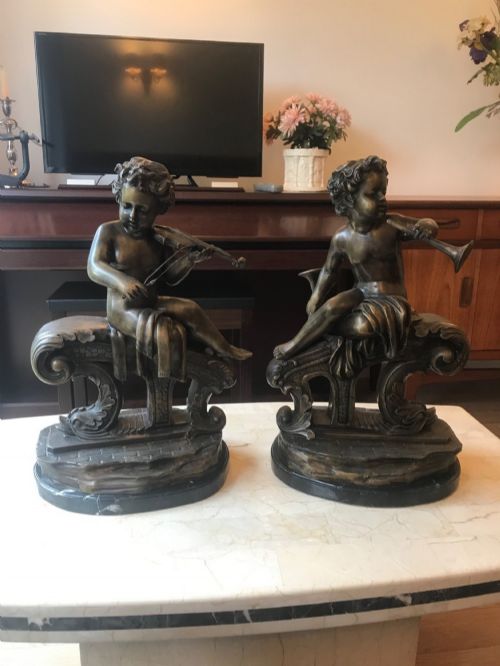
These pieces of classical figure ornament range from Grand Tour bronzes to garden statues, capturing mythological subjects and historical figures for display.

Classical Figure Ornament
Classical figure ornament encompasses sculptures, figurines, and garden statues drawing on ancient mythological and historical subjects. You find works ranging from small cabinet bronzes to large garden figures in stone and cast iron.
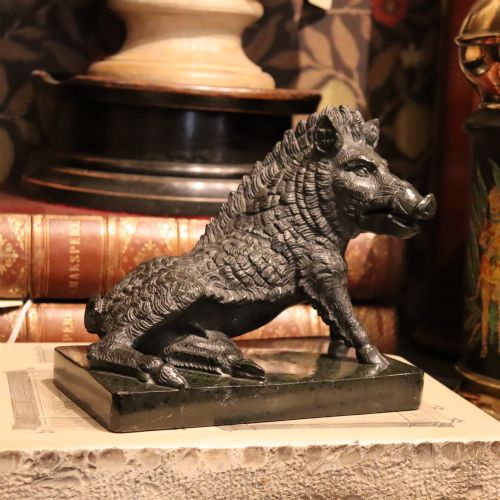
The pieces appearing here include Grand Tour souvenirs from Italy, Victorian porcelain figures, and patinated bronze casts after antique models. These objects served as scholarly mementos, decorative cabinet items, or garden ornaments.
Distinctions in Quality
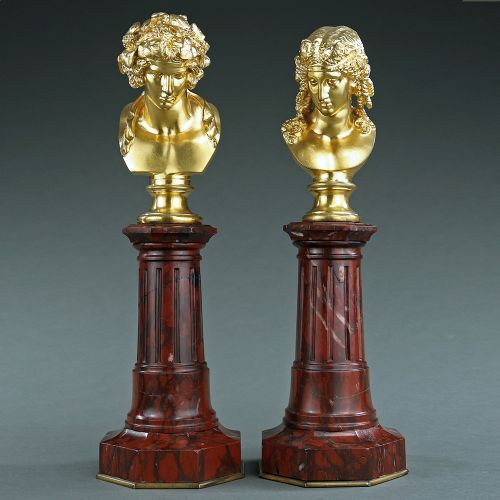
The quality of the marble base and the fidelity to the antique prototype also distinguish finer examples. Signed works by recognised founders or sculptors demonstrate superior craftsmanship in both composition and material selection.
Listings feature 19th Century bronze sculptures alongside 18th Century porcelain figures and 20th Century garden statues.
Moreau Family·Émile Louis Picault·Emile Carlier·Aurore Onu·C J R Colinet·Charles Crozatier·Auguste Moreau·James Hadley·Val d’Osne foundry
The Classical Figure Ornament Glossary
- Grand Tour
- A traditional trip through Europe undertaken by upper-class travellers who collected small bronzes and marble sculptures as souvenirs.
- Patination
- The surface coloration or film produced on bronze and metal through age or chemical treatment.
- Spelter
- A zinc alloy frequently utilised as a less expensive alternative to bronze in nineteenth-century figural sculpture.
- Serpentine
- A dark green silicate mineral often carved into models and miniature architectural elements for the souvenir trade.
Classical Figure Ornament: Frequently Asked Questions
What is a Grand Tour ornament?
A Grand Tour ornament is a small bronze, marble, or serpentine sculpture acquired by travellers in Italy during the eighteenth and nineteenth centuries.
These pieces typically replicate famous classical statues housed in European museums and private collections.
How do I care for bronze figures?
Bronze figures require minimal maintenance, needing only occasional dusting with a soft, dry cloth to prevent grime accumulation.
Avoid using liquid cleaners or polishes, which can strip the original chemical patination from the metal surface.
Are garden statues weather-resistant?
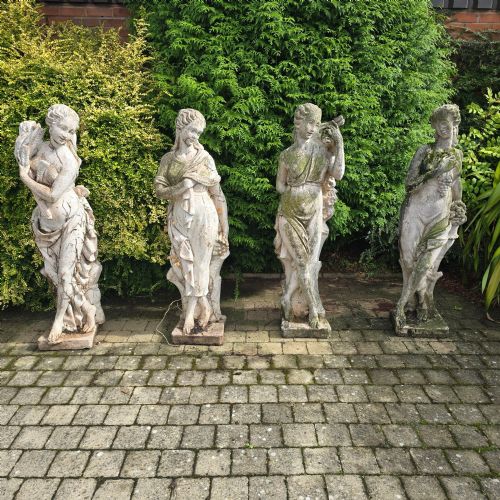
Garden statues made from cast stone, reconstituted stone, and cast iron withstand outdoor elements well throughout changing seasons.
Porcelain and unsealed plaster pieces, however, must remain indoors to prevent moisture damage and cracking in frost.
How can I distinguish bronze from spelter?
Bronze feels heavier and cooler to the touch, often displaying a rich, deep patination that develops character over time.
Spelter is lighter, softer, and may show grey metal beneath chips in the painted surface finish.