

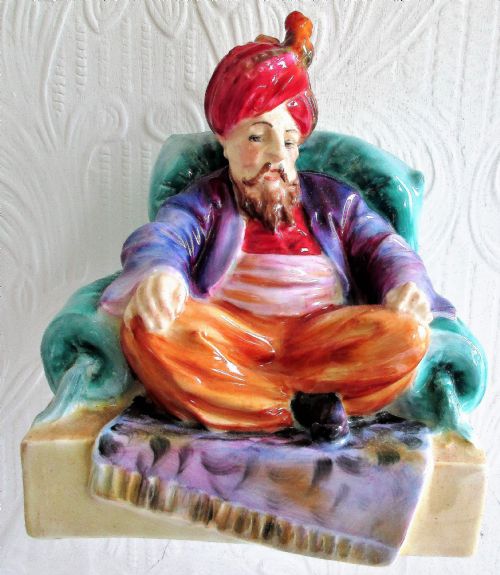


Vintage Porcelain Statuette
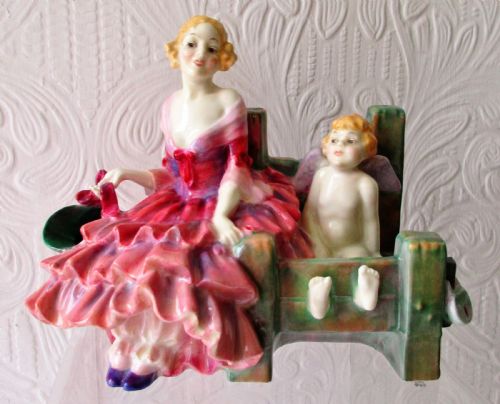
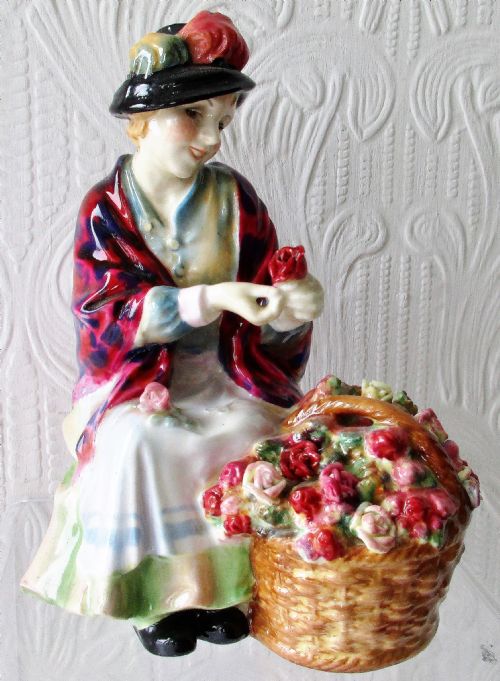
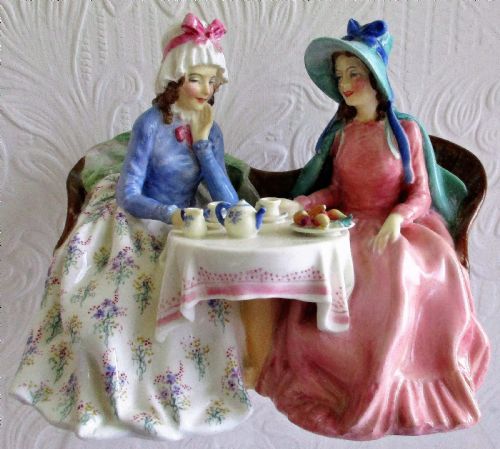
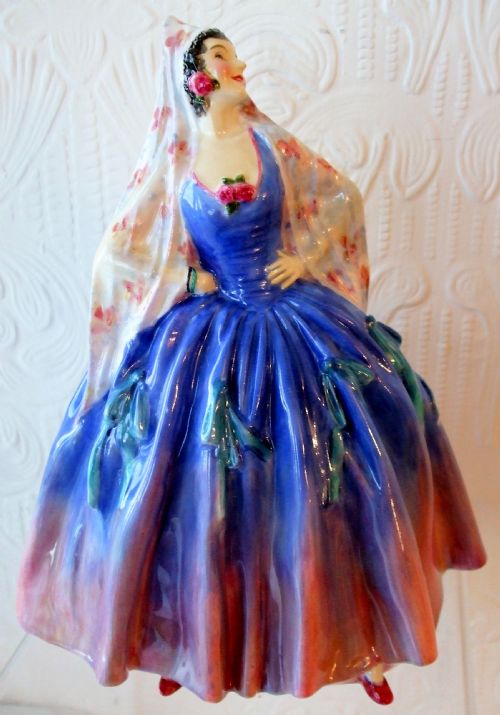
A vintage porcelain statuette brings sculptural character and delicate detail to a room, spanning delicate animal studies and expressive human figures.

Vintage Porcelain Statuette
A vintage porcelain statuette encompasses figural works shaped from ceramic materials, appearing frequently across this selection as animal studies, street traders, musicians, and classical figures. These decorative objects emerge from diverse European and Asian traditions, representing centuries of porcelain craftsmanship.
The periods represented on this page stretch from the eighteenth century through to the mid-twentieth century, including Victorian, Edwardian, and Art Deco eras. Buyers will encounter both single display pieces and matched pairs created by prominent continental and English factories.
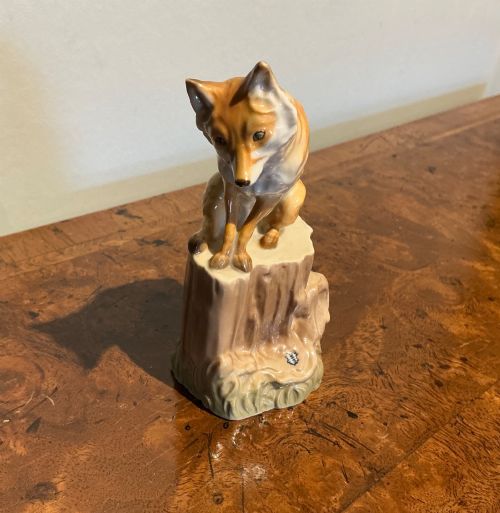
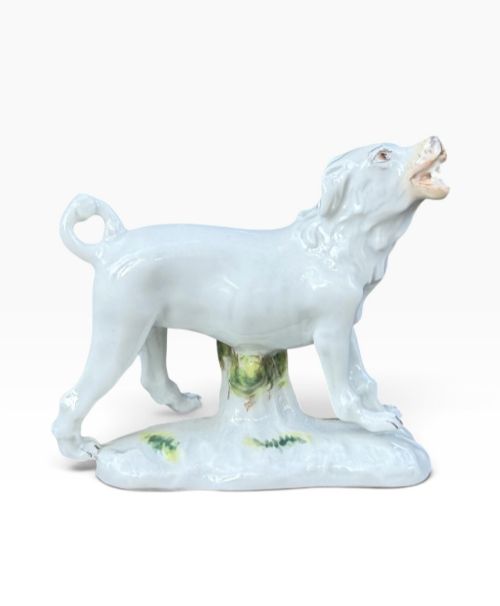
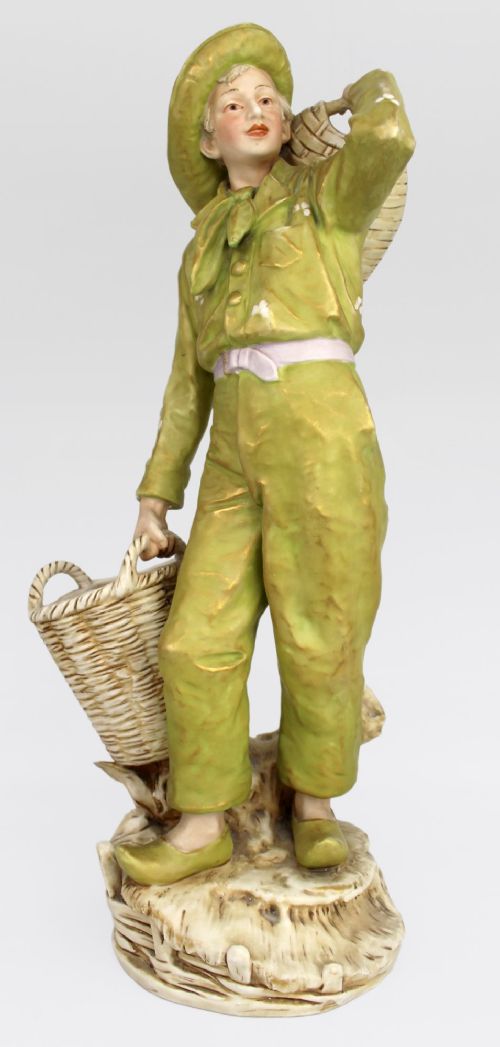
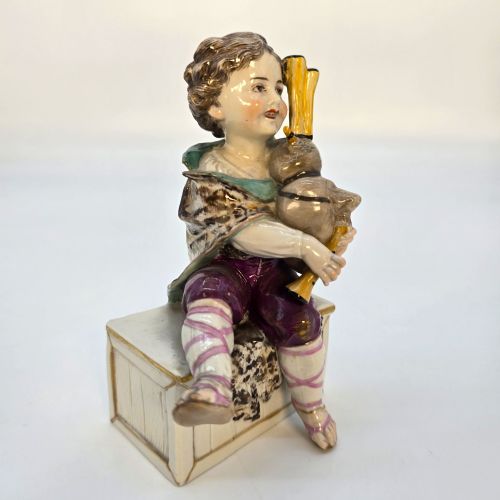
Forms range from small animal models like foxes, dogs, and puppies to detailed human subjects engaged in daily activities or theatrical poses. Each vintage porcelain statuette demonstrates the specific sculptural vocabulary of its originating workshop and period style.
How they were made
Makers shaped these figures from fine porcelain, bone china, or ceramic bisque, applying detailed glazes and enamel colours before firing. Many examples incorporate hand-painted details, subtle gilt highlights, or accents of gold leaf to accentuate garments and decorative elements.
Complex groupings and individual sculptures often utilised multiple mould parts joined together by skilled artisans. Surface textures range from smooth, glossy ceramic glazes to the unglazed, matte finish characteristic of fine bisque porcelain.
Vintage Porcelain Statuette Retail Price Guide 2026
Typical asking prices for vintage porcelain statuette among the pieces listed under this phrase on Sellingantiques today, from the lower quarter to the upper quarter. They describe what is for sale here now, not the wider market.
German factories delighted in modelling tiny porcelain dogs and dancing angels with surprisingly serious expressions.
What varies in quality
Quality rests upon the crispness of the mould definition and the precision of the hand-painted enamels, where finer examples display subtle facial expressions and carefully delineated clothing folds. Inferior or later iterations can lose fine textural details in the clay and show heavy, unrefined brushwork in the colour application.
The reputation of the producing factory and the individual modeller dictates much of the distinction across the range. Pieces bearing clear factory marks from established European manufactories command greater attention for their documented provenance and technical mastery.
Nymphenburg·Meissen·Royal Dux Bohemia·Volkstedt Rudolstadt Factory·Royal Doulton·Derby·Royal Worcester·Royal Copenhagen·KPM·Samson·Shelley·Wedgwood·Ludwigsburg·Dressel, Kister·Triebner, Ens·Helena Wolfsohn·Ernst Wahliss
The Vintage Porcelain Statuette Glossary
- Bisque
- Unglazed ceramic porcelain that provides a matte, marble-like surface texture. This finish highlights fine sculptural details without the interference of a glossy shine.
- Bone china
- A type of porcelain incorporating bone ash for enhanced strength and a warm, milky translucency. It allows for thinner, more delicate walls in figurative casting.
- Enamel
- Vitreous coloured glass fused to the porcelain surface through firing to create vibrant painted decoration. Enamels supply the characteristic palette found on historical figures.
- Gilt
- A thin layer of gold applied to surface details such as clothing trims and bases. This application adds decorative contrast to the underlying porcelain glaze.
- Glaze
- A glassy coating fused to the ceramic body during firing to seal the porous clay. The glaze creates either a high-gloss finish or a protective sheen.
Vintage Porcelain Statuette: Frequently Asked Questions
What is a vintage porcelain statuette?
A vintage porcelain statuette is a small sculptural figure modelled from ceramic materials and fired at high temperatures. These decorative objects portray human subjects, animals, or allegorical figures.
They reflect the artistic styles and manufacturing techniques of specific historical periods, ranging from eighteenth-century rococo pieces to twentieth-century art deco designs.
How were antique figures used?
Historically, these porcelain figures served as decorative ornaments on mantelpieces, dining tables, and cabinets. Wealthy households displayed them to demonstrate taste and refinement.
Larger table groups sometimes formed elaborate centerpieces for formal dining occasions before transitioning to dedicated display shelving.
Where should I display them?
Display these figures in stable cabinets or on sturdy shelving away from high-traffic areas to prevent accidental knocks. Proper lighting can highlight the delicate hand-painted enamel and glaze details.
Keeping them out of direct sunlight helps preserve the vibrancy of the painted colours over time.