




Georgian Porcelain Figurine
A georgian porcelain figurine captures 18th-century life and mythology in miniature, bringing cabinet-sized character and hand-painted artistry to any collection.
Understanding Georgian Porcelain Figurines
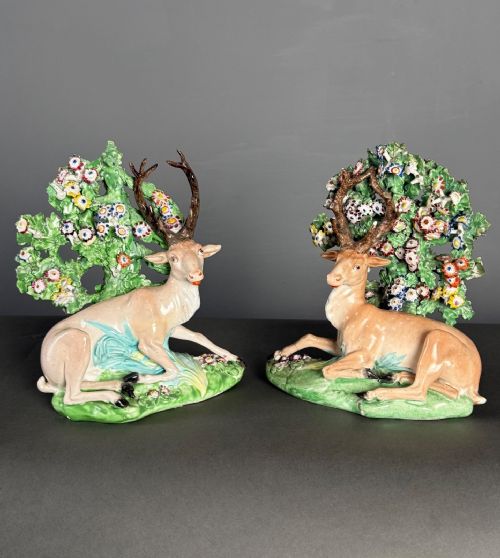
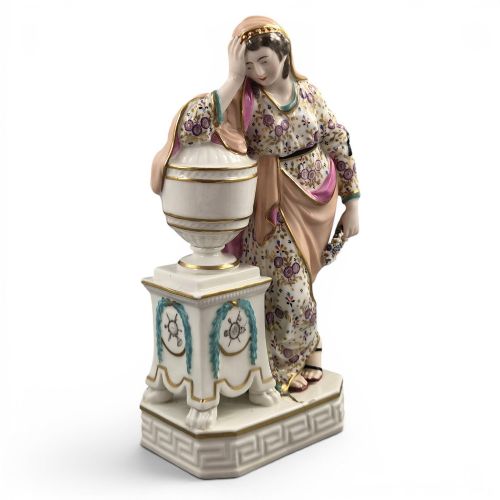
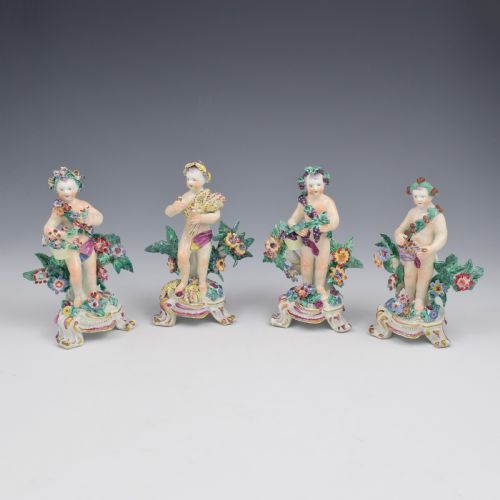
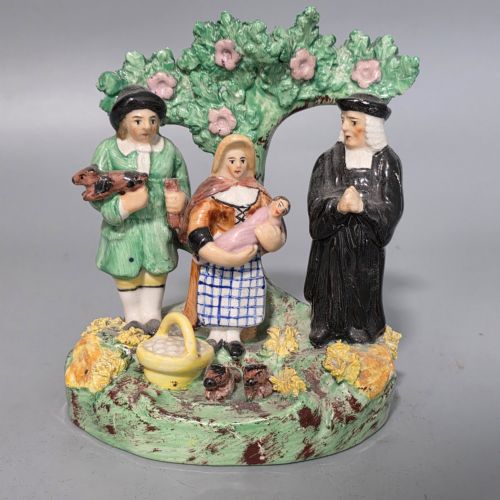
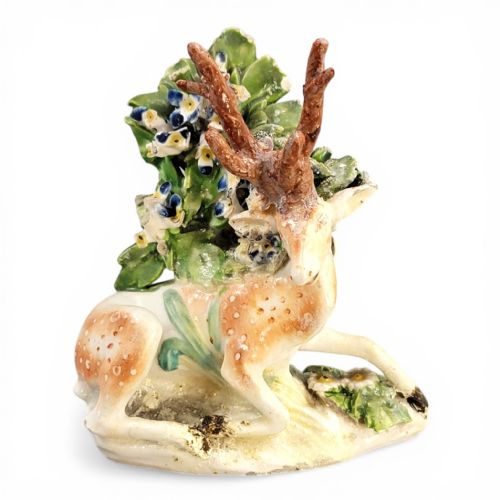
When searching for a georgian porcelain figurine, you are exploring sculptural works created during the 18th and early 19th centuries. These figures depict mythological deities, pastoral figures, street vendors, and allegorical subjects like elements and seasons.
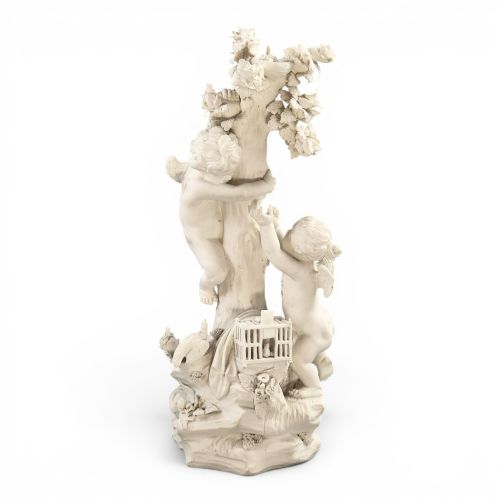
The pieces represented in the evidence span from mid-18th-century works to early 19th-century examples. You will frequently encounter figures depicting musicians, putti, and allegorical characters produced by notable English factories of the period.
Materials and Manufacture
Finishing touches often included hand-applied gilding and gold leaf accents to highlight robes, bases, and symbolic attributes. Early English porcelain techniques of this era relied on specialised kilns and proprietary paste recipes that yielded a distinct warm body tone.
Retail Price Guide 2026
Typical UK retail prices for georgian porcelain figurine, calculated from the Sellingantiques database of over a million retail prices indexed since 2003. This retail price guide relies exclusively on Sellingantiques data; no external sources or auction records are used, so the figures do not describe the wider market.
Father Time clips Cupid's wings in one dramatic sculpture group, proving that even mythological figures suffer domestic interventions.
Assessing Quality and Execution
Quality in these sculptures rests upon the crispness of the modelling and the precision of the hand-painting. Superior examples retain fine definition in facial expressions, fingers, and drapery folds, whereas lesser pieces show softer, blurred contours from worn moulds.
The sophistication of the enamel palette and the restraint of the gilding further distinguish standard production from exceptional works. Careful placement of colours in pastel hues demonstrates the higher tier of factory output.
Derby·Bow·Chelsea
The Georgian Porcelain Figurine Glossary
- Soft-Paste Porcelain
- An early ceramic composition fired at lower temperatures than hard-paste porcelain, creating a slightly creamy body. It was widely utilised by English factories during the Georgian period.
- Gilding
- The application of gold leaf or powdered gold onto the porcelain surface. It is often used to accent garment edges and bases.
- Enamel
- A durable glass-based paint fused to the porcelain body through firing. These provide the pastel hues seen on historical figures.
- Putto
- A plump, often winged male infant figure derived from classical art. They appear frequently in mythological and allegorical groupings.
- Gold Anchor Mark
- A small factory signature painted in gold. It helps identify specific periods of production.
Frequently Asked Questions
What subjects do these figures show?
These sculptures depict a wide variety of subjects ranging from classical mythology to everyday street life. Common motifs include putti, musicians, allegorical figures representing the elements, and pastoral workers.
Such diverse themes reflected the broad decorative tastes of Georgian households and the versatile modelling capabilities of period factories.
How do I identify a Georgian piece?
Identification relies on examining the paste composition, glaze characteristics, and painting style. Early English figures often display soft-paste bodies and hand-painted enamel palettes typical of the eighteenth century.
Factory marks, when present, provide further chronological clues, though many early figures remain unmarked or carry simple anchor symbols.
Where were these figures made?
Production was centred around major English ceramic factories operating in London and the provinces. Prominent establishments included Bow, Chelsea, and Derby.
Each workshop developed distinct paste recipes and modelling styles that help specialists attribute unsigned sculptures to a particular origin.
How should I display my figurine?
These delicate sculptures require secure placement within enclosed cabinets protected from direct sunlight and heavy foot traffic. Stable shelving prevents accidental tipping of these fragile ceramic pieces.
Maintaining a stable ambient environment helps preserve the delicate enamel colours and gold leaf accents over time.