



Antique Porcelain Statuette
An antique porcelain statuette captures human, animal or allegorical form in fired clay and glaze, offering miniature sculptural elegance for the cabinet or table.
Antique Porcelain Statuette
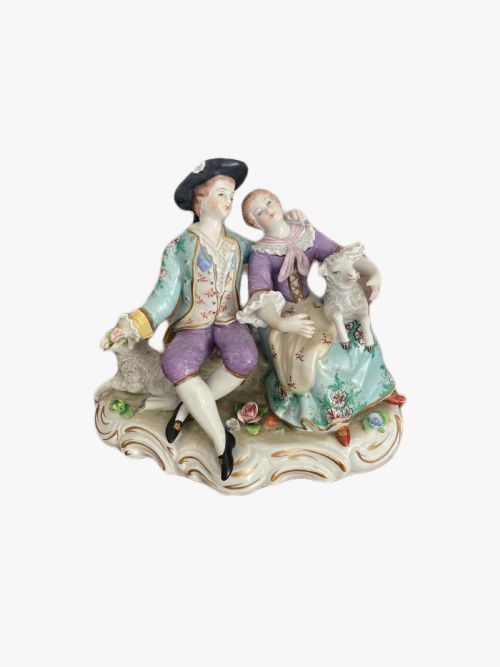
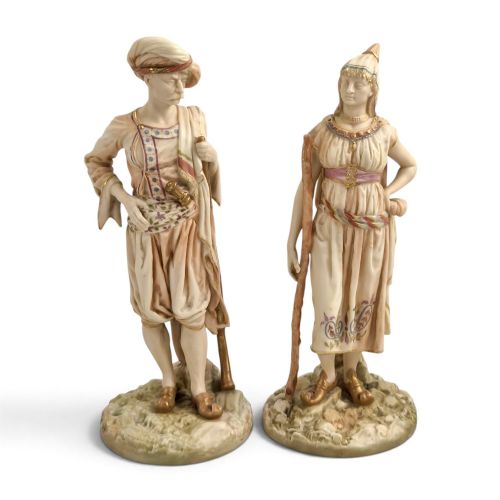
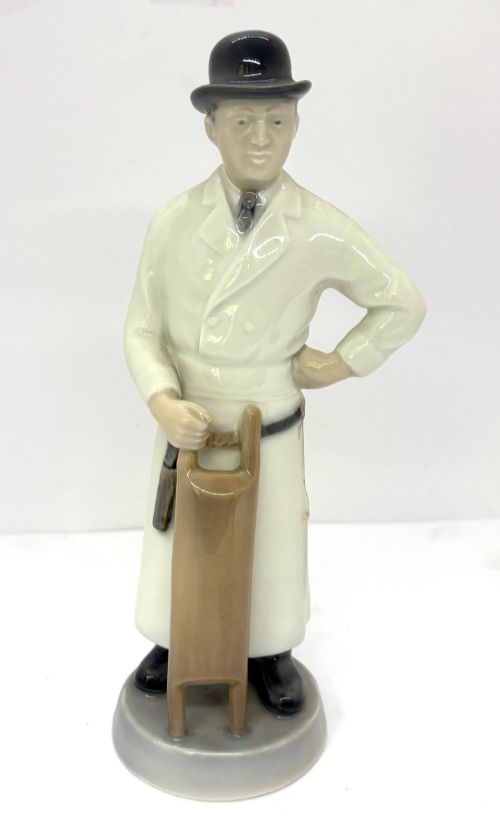
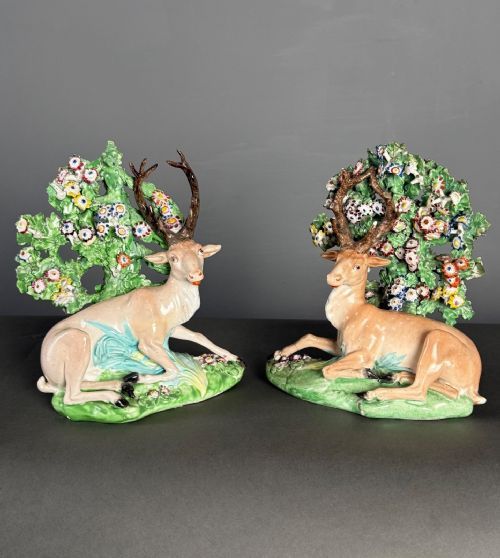
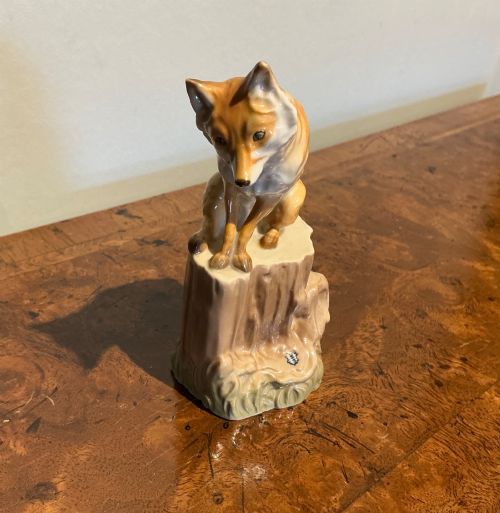
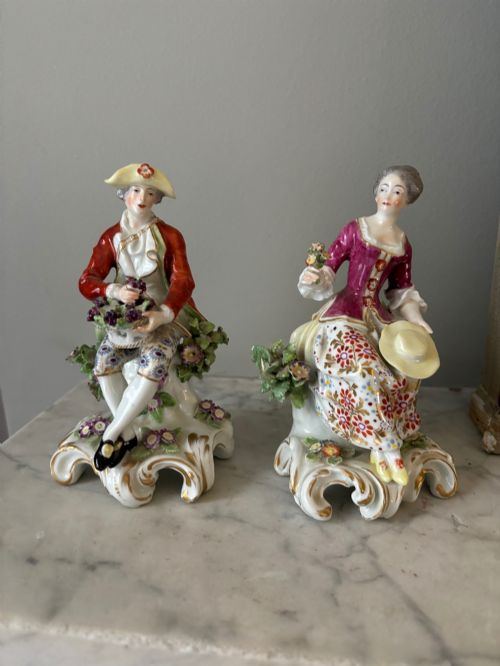
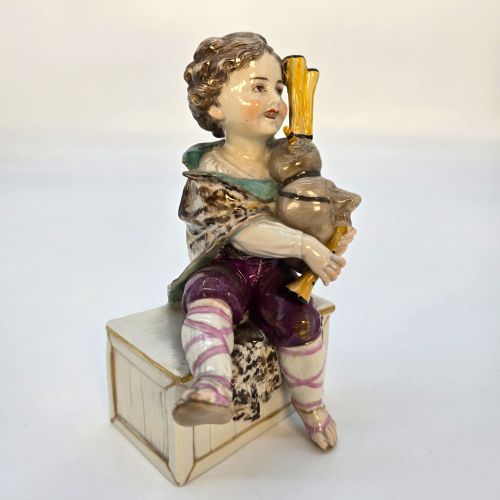
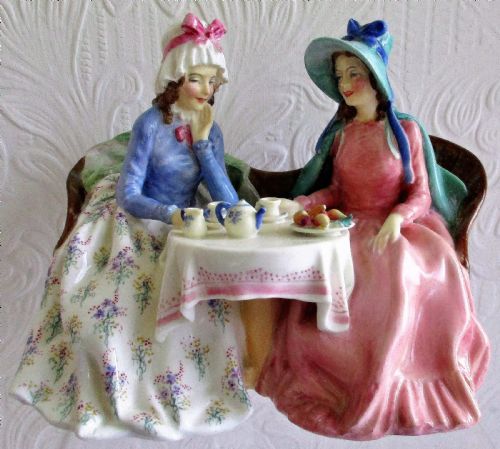
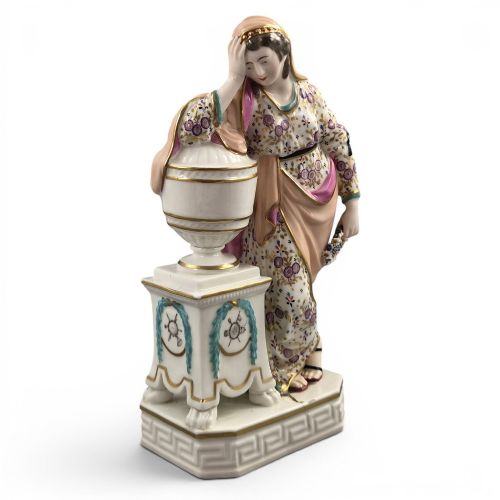
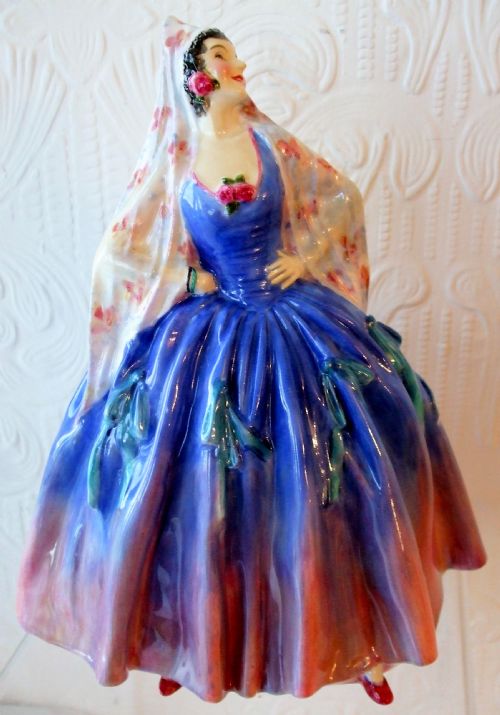
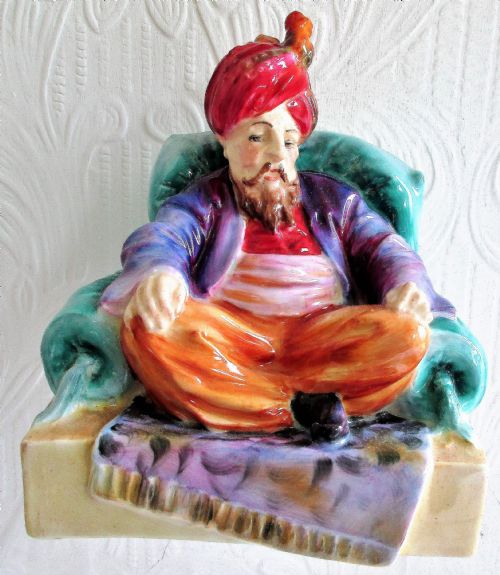
When searching for an antique porcelain statuette, collectors encounter small-scale sculptural figures spanning from eighteenth-century Georgian creations to twentieth-century pieces. These objects take the form of human characters like traders, classical deities, and allegories of the seasons, alongside animals and birds.
The versions most commonly met on this page originate from continental and English kilns, traversing periods from the Victorian era back to the eighteenth century. Figures often appear individually or as pairs, ranging from simple rustic studies to elaborate multi-figure groups.
Makers across Germany, France and England shaped these decorative objects using soft-paste and hard-paste porcelain. Styles shift from Rococo and Neoclassical designs to later Victorian interpretations and early twentieth-century models.
How they were made
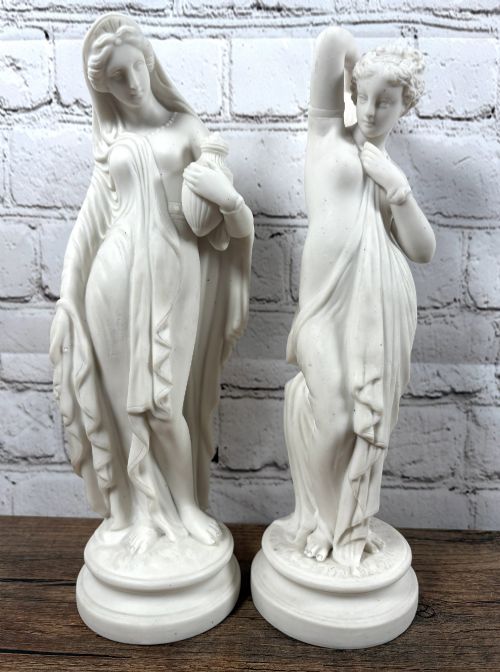
Potters shaped these figures using soft-paste or hard-paste porcelain, employing moulds to capture intricate details of drapery, flora, and fauna. Bisque porcelain provided an unglazed matte finish favoured for neoclassical subjects, while hard-paste bodies accepted bright enamel colours.
Craftsmen applied hand-painted enamels and glaze before firing, frequently highlighting details with gold leaf or gilding. Specialised factories utilised distinct paste mixtures and marks to identify their output.
Antique Porcelain Statuette Retail Price Guide 2026
Typical asking prices for porcelain statuette among the pieces listed under this phrase on Sellingantiques today, from the lower quarter to the upper quarter. They describe what is for sale here now, not the wider market.
A porcelain rhesus monkey and child sitting quietly among the figures proves that potters delighted in the comical side of nature.
What varies in quality
The application of gilding and gold leaf distinguishes high-grade work, maintaining clean edges and deep lustre. Early factory pieces often exhibit greater care in the assembly of multiple moulded parts before the final kiln firing.
Nymphenburg·Meissen·Edme Sampson·Royal Dux Bohemia·Volkstedt Rudolstadt Factory·Derby·Royal Doulton·Royal Worcester·Bow·Longton Hall·Triebner Ens And Eckert·Samson Paris·La Coutille Factory·Vion And Baury
The Antique Porcelain Statuette Glossary
- Soft-paste porcelain
- A vitreous ceramic composition fired at lower temperatures than hard-paste, common in early English factories. It presents a warm, creamy body that interacts distinctively with glazes.
- Hard-paste porcelain
- A true porcelain made from kaolin and petuntse fired at high temperatures. This material yields a durable, bright white body resistant to scratching.
- Bisque
- Unfired-appearing porcelain left unglazed after the final firing. It possesses a tactile, matte surface resembling marble that gained popularity for classical figures.
- Enamel
- Coloured vitreous glass fused to the porcelain surface during a secondary low-temperature firing. It provides the vivid palette seen on garments and natural elements.
- Gilding
- The application of gold leaf or powdered gold to accents, borders, and bases. This technique elevates the decorative richness of the statuette.
Antique Porcelain Statuette: Frequently Asked Questions
How were porcelain figures used historically?
Historically, porcelain figures functioned as fashionable table ornaments for wealthy dining rooms, often arranged as centrepieces during dessert courses. Later, owners displayed them in glazed cabinets alongside other ceramics.
They also served as conversational pieces, conveying classical narratives, seasonal motifs, or social satire through popular theatrical and pastoral characters.
How should I live with porcelain figures?
Living with these delicate objects involves placing them on stable surfaces away from direct sunlight and high foot traffic. A secure cabinet or shelf protects them from accidental knocks and dust accumulation.
Routine care requires gentle dusting with a soft, dry brush to preserve the hand-painted enamels and gilded highlights over time.
How do I tell different periods apart?
Differentiating periods relies on observing stylistic shifts, paste composition, and factory marks beneath the glaze. Eighteenth-century pieces often display Rococo curves and softer enamel tones, while Victorian examples embrace heavier gilding and ornate detailing.
Comparing modelling techniques and standard factory forms helps establish the approximate era of production when marks are absent or worn.