
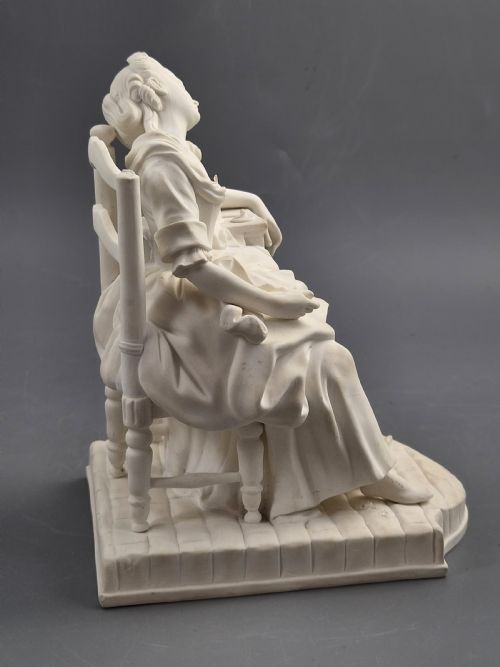

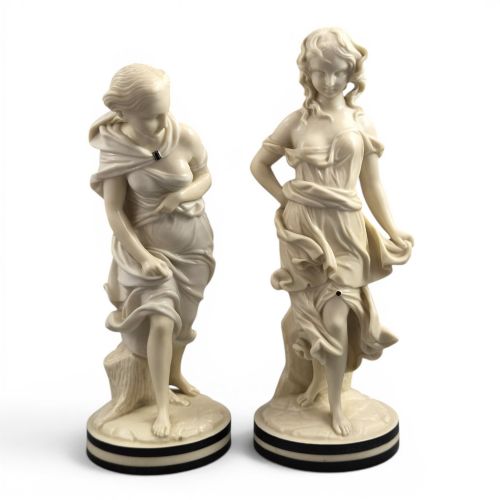


Victorian Parian Ware
Victorian parian ware delivers the brilliant look of carved marble in an unglazed ceramic body.
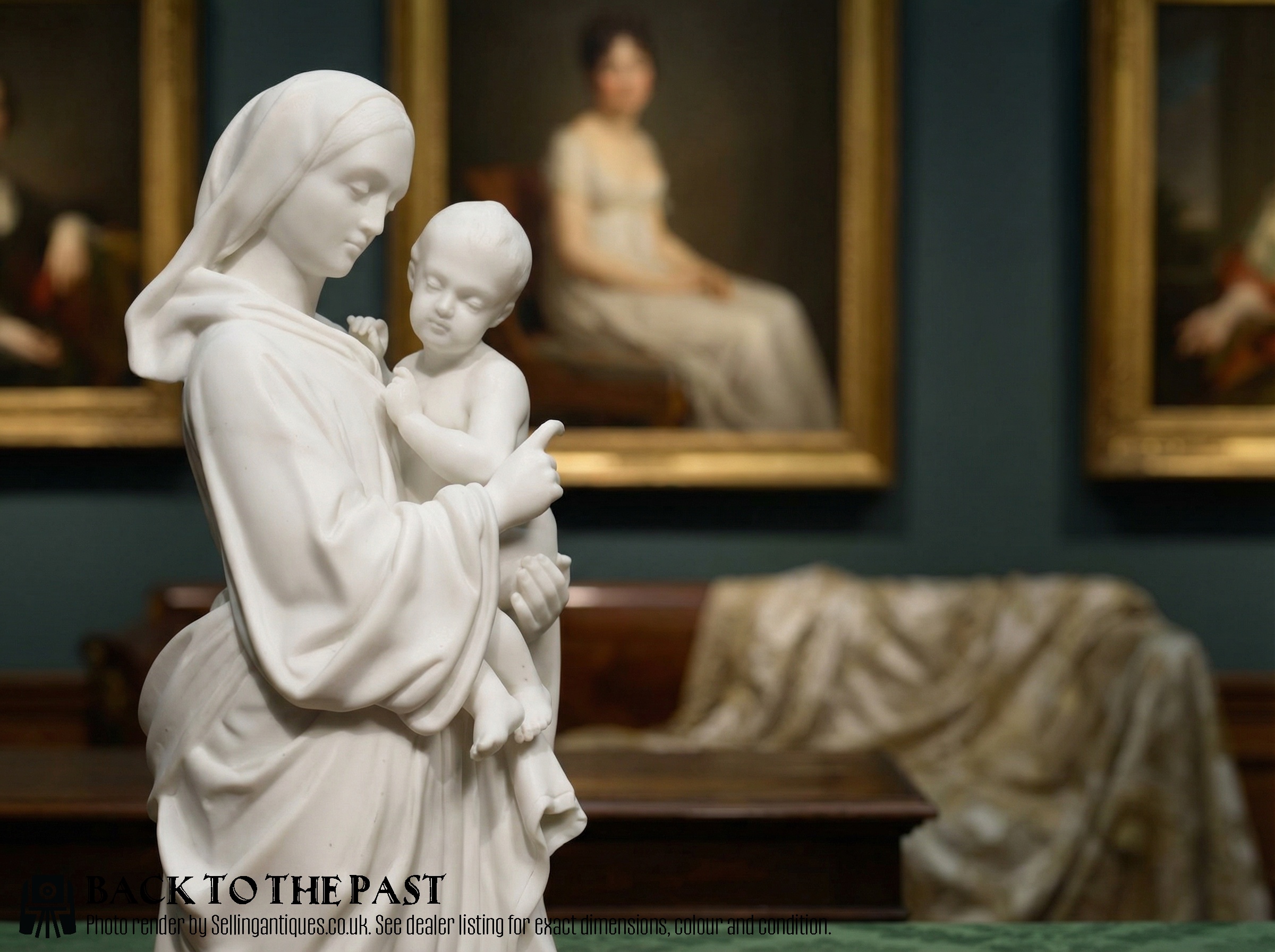
Victorian Parian Ware
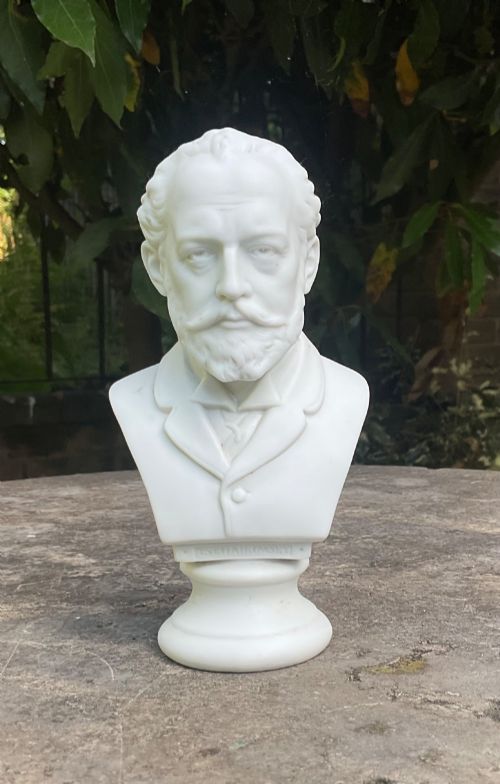
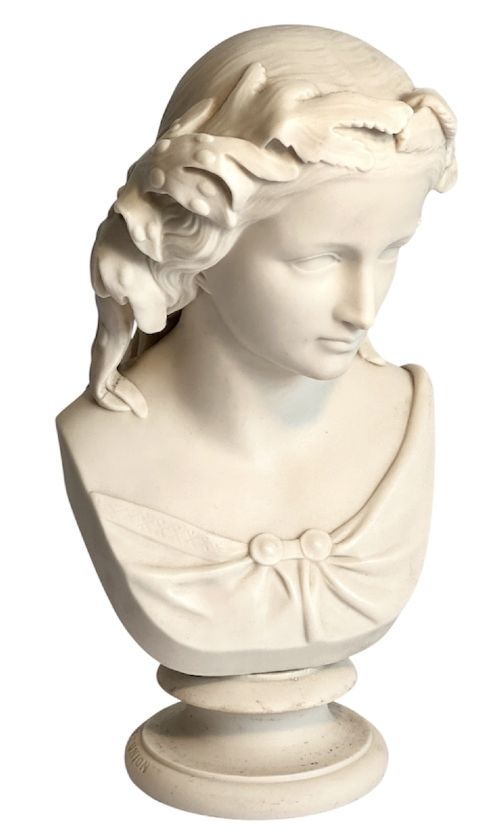
When searching for victorian parian ware, buyers encounter unglazed porcelain figures, busts, and jugs modelled after classical and contemporary subjects. These pieces mimic the appearance of white marble without the heavy weight or expense of carved stone.
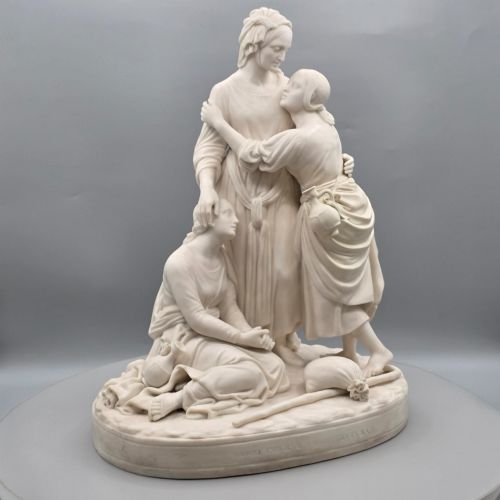
The objects on this page span the nineteenth century, with figures of maidens, literary characters, and historical figures forming the core of the selection. English factories produced the majority of these sculptural works, drawing heavily from classical and neo-classical styles.
Materials and production methods
Potters made victorian parian ware using a specialised liquid porcelain slip poured into multi-part plaster moulds. This slip contained a high proportion of feldspar, which melted during high-temperature firing to give the ceramic its characteristic semi-translucent, marble-like finish.
Makers left the finished porcelain unglazed, often referred to as biscuit or bisque, to retain a matte surface that mimics carved statuary. Some pieces incorporated applied enamel or gilt details to highlight specific decorative elements on the figures and jugs.
Victorian Parian Ware Retail Price Guide 2026
Typical asking prices for victorian parian ware among the pieces listed under this phrase on Sellingantiques today, from the lower quarter to the upper quarter. They describe what is for sale here now, not the wider market.
Listings feature nineteenth-century parian porcelain figures, busts, and jugs from English potteries in Victorian and neo-classical styles.
Factors that define quality
The delicacy and ambition of the subject also separate standard items from finer works. Large sculptural groups and complex figures cast by prominent potteries demonstrate superior technical skill in handling shrinkage during the firing process.
Minton·Copeland·Royal Worcester·Ridgway
The Victorian Parian Ware Glossary
- Parian ware
- A type of unglazed white porcelain developed in England during the nineteenth century to imitate carved marble. It takes its name from Parian marble found on the Greek island of Paros.
- Bisque porcelain
- Unglazed ceramic fired once before decoration, producing a matte, porous surface resembling stone. Parian ware is a specific, highly vitrified form of bisque porcelain.
- Slip
- A liquid suspension of clay and water used in pottery production. Makers poured slip into plaster moulds to form hollow ceramic figures and vessels.
- Neo-classical
- A style of art and architecture drawing inspiration from the classical art and culture of ancient Greece and Rome. Many nineteenth-century parian figures depict mythological or classical subjects in this style.
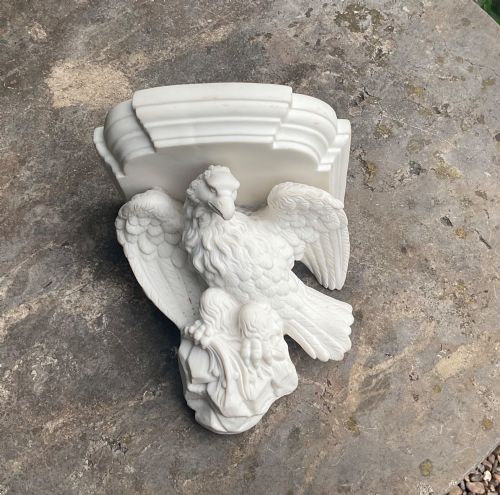
- Wall bracket
- A decorative architectural shelf fixed to a wall for displaying small objects. Parian versions feature sculptural porcelain supports.
Victorian Parian Ware: Frequently Asked Questions
What is parian ware?
Parian ware is an unglazed nineteenth-century porcelain designed to look like carved white marble. It contains a high feldspar content that vitrifies during firing to create a matte, smooth finish.
Potters used slip-casting techniques in moulds to produce detailed busts, figures, and decorative jugs.
How do I clean parian ware?
Because the ceramic body is unglazed and matte, it can absorb dirt and oils easily. Warm water, a mild soap, and a soft brush help lift dust from recessed mouldings.
Avoid harsh chemical cleaners and submerging pieces with applied enamel or gilt details.
When were these pieces made?
The majority of pieces date from the mid-nineteenth century through the late Victorian period. English factories introduced the material around the eighteen-forties.
Production continued through the end of the century, shifting towards historical busts and decorative domestic items.
Who collected parian figures?
Middle-class Victorian households bought these sculptures to display culture and taste in their parlours. They provided an affordable alternative to grand marble statues.
Art unions also distributed parian pieces to subscribers, spreading the popularity of classical subjects.