
Victorian Scent Flask
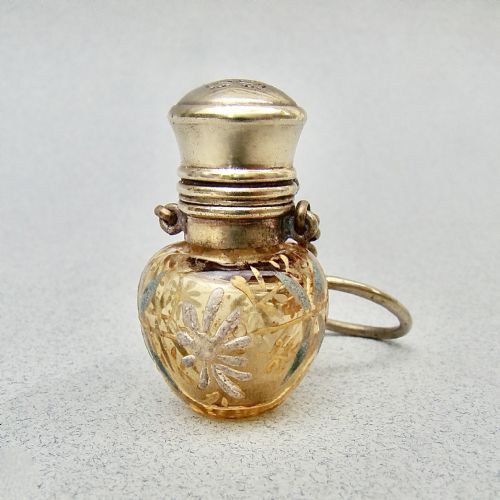
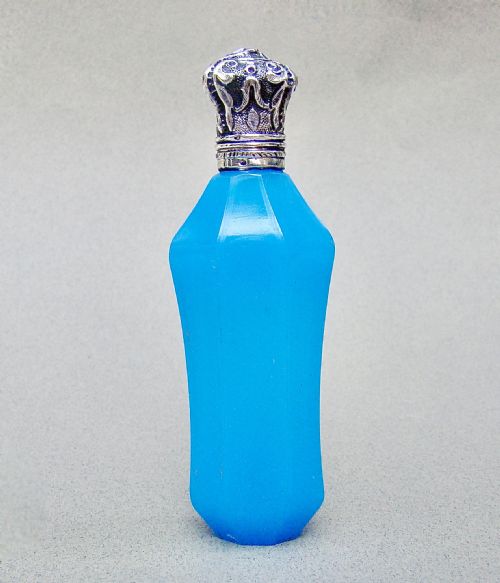
When you handle a victorian scent flask, you hold a miniature vessel of precious metal and coloured glass designed to carry personal fragrance through the nineteenth century.
Victorian Scent Flask
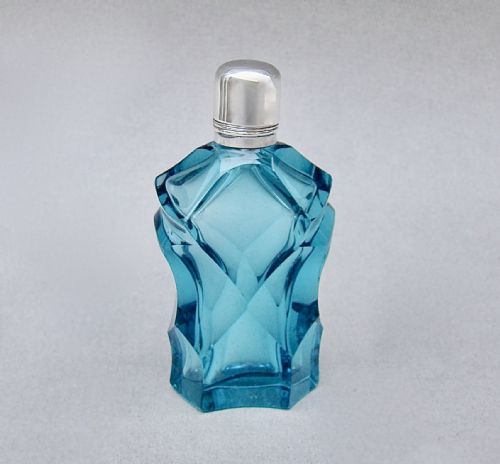
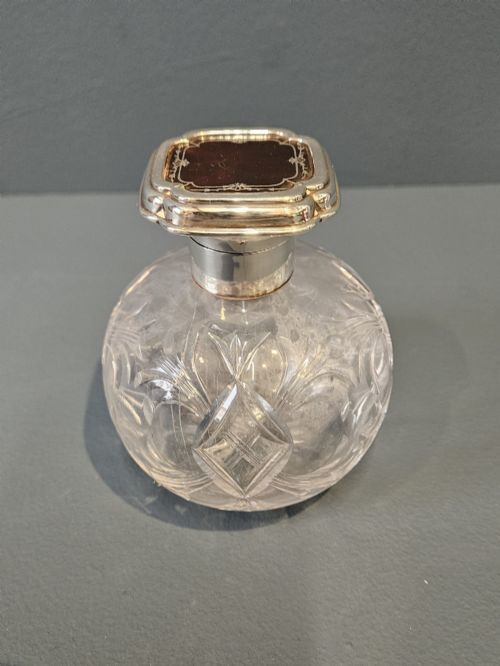
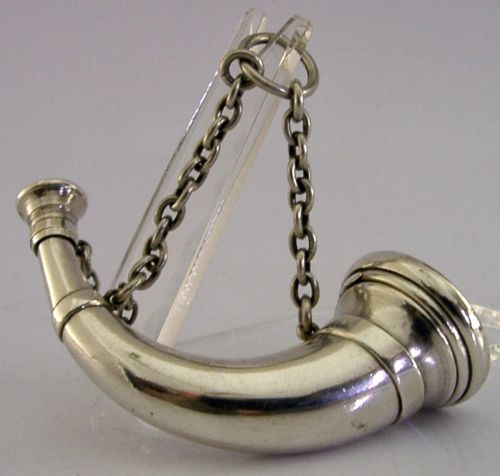
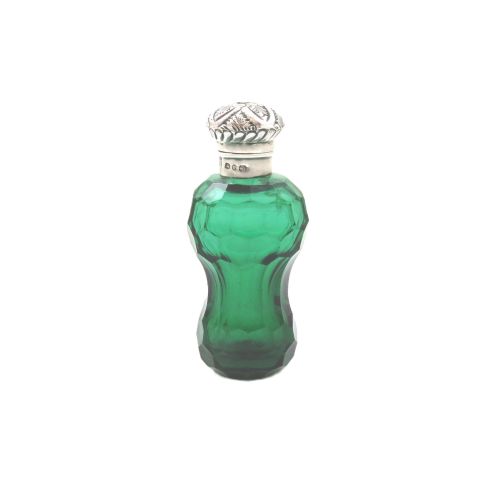
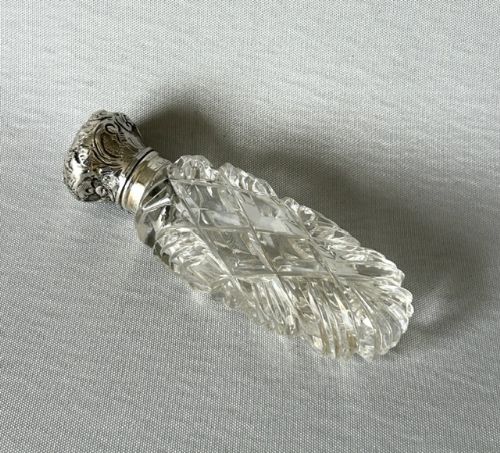
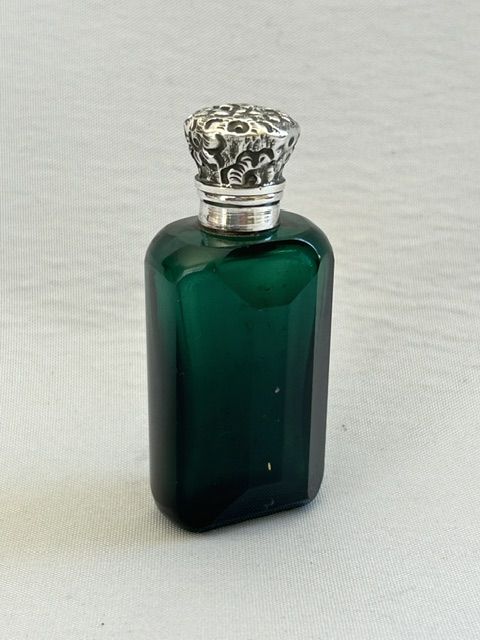
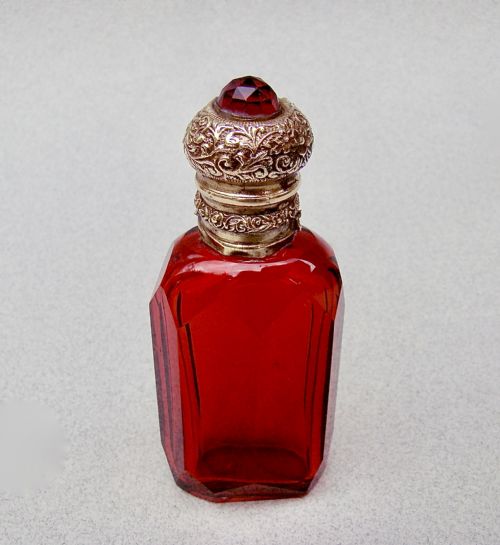
A victorian scent flask is a pocket or chatelaine container fashioned to hold perfume, smelling salts, or vinegar during the nineteenth century. These vessels range from straightforward cut glass cylinders with silver screw caps to elaborate novelty shapes formed as hunting horns, violin instruments, or birds.
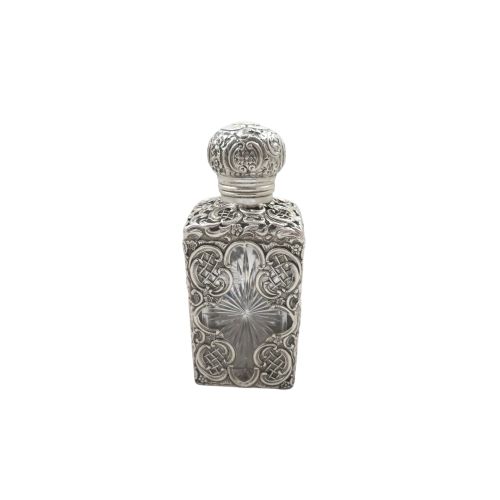
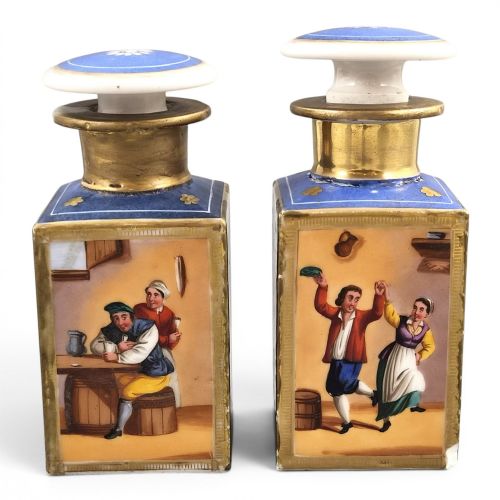
The pieces appearing on this page originate predominantly from the Victorian and Edwardian eras, alongside French nineteenth-century workshops. Glass bodies paired with sterling silver mountings represent the most frequent forms encountered by collectors today.
Makers utilised diverse materials to create functional ornaments that could be suspended from a chatelaine belt or carried securely within a pocket. Many examples combine precious metals with coloured glass bodies, while others take unconventional sculptural forms.
How they were made
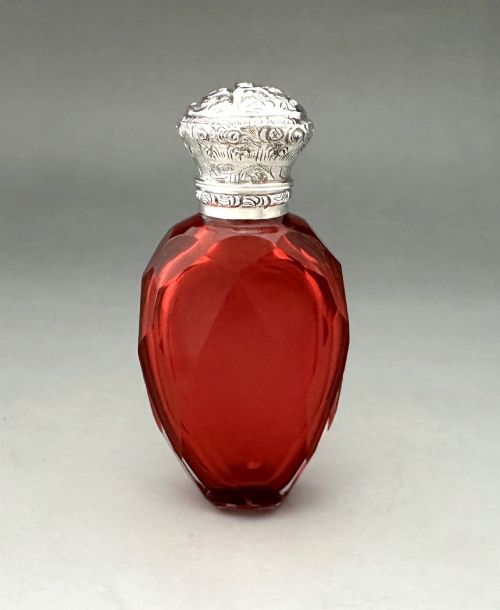
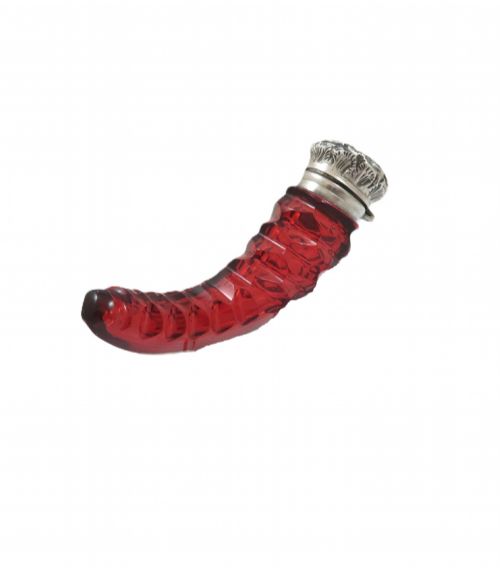
Glassmakers employed techniques such as cutting, overlaying, and moulding to produce vessels in ruby, cranberry, opaline, and amethyst shades. Molten material was shaped into cylinders, cornucopias, or eggs, then decorated through wheel-cutting, etching, or the addition of aventurine inclusions.
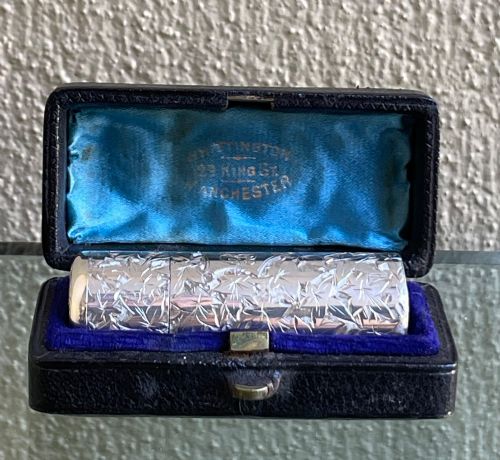
Silversmiths constructed protective mounts, hinged caps, and collars to secure the delicate glass interiors. Metal components frequently feature chased or engraved surface patterns, while internal stoppers ensure secure containment of volatile liquids.
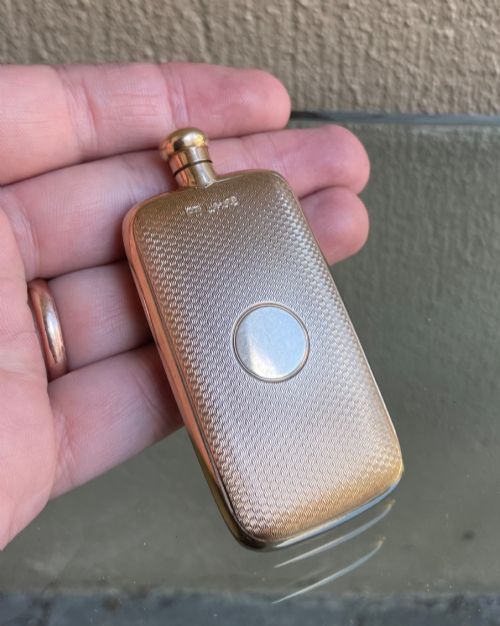
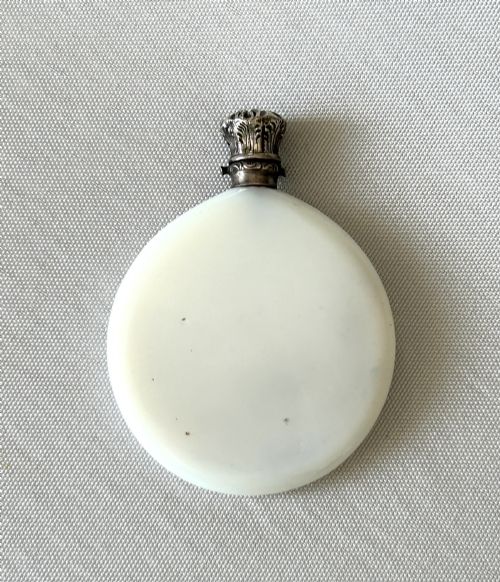
Surviving forms include scent bottles, vinaigrettes, hip flasks, moon flasks, cornucopias, and novelty figures shaped as hunting horns and violins.
What varies in quality
The distinction between standard examples and superior specimens lies in the complexity of the glass manipulation and the weight of the metal mountings. Heavy sterling silver caps featuring detailed hallmarks or sculptural novelty forms elevate a piece beyond basic production.
Horton & Allday·Sampson Mordan·Jacob Petit·Franchini & Bigaglia·Macintyre
The Victorian Scent Flask Glossary
- Chatelaine
- A decorative belt hook worn with suspended chains carrying utility items such as scent bottles and keys. These accessories allowed nineteenth-century individuals to keep personal items readily accessible.
- Vinaigrette
- A small ornamental box or bottle containing a perforated grille over a sponge soaked in aromatic vinegar. These containers provided relief from unpleasant odours in crowded public spaces.
- Opaline glass
- An opaque or translucent glass developed in soft pastel shades during the nineteenth century. This material was frequently mounted in silver for luxury dressing table wares.
- Double ended scent bottle
- A vessel featuring hinged caps at both extremities, designed to hold two separate fragrances or a perfume alongside smelling salts. These cylindrical pieces often utilise faceted cut crystal.
- Murrine
- A glassworking technique involving coloured rods heated and sliced to reveal complex patterns within the body. Pieces incorporating this method display intricate mosaic designs.
Victorian Scent Flask: Frequently Asked Questions
How were they used?
Owners carried these flasks to refresh personal fragrances throughout the day or to counteract unpleasant odours in public spaces. Versions containing vinaigrettes utilised perforated internal grilles soaked in aromatic vinegars.
Many designs permitted secure transport in a pocket, while chatelaine variations hung from a waist belt for immediate access.
How do I clean the glass?
Gentle cleaning with warm water and mild soap preserves the delicate interior surfaces and historic metal mountings. Harsh chemical immersion should be avoided to protect silver hallmarks and fragile glass colours.
Careful drying prevents moisture accumulation around hinged caps and threaded collars.
Are all flasks marked with silver?
Not all pieces feature assay office stamps, as metal quality varied and mounts were occasionally unmarked or fabricated from alternative alloys. Stamped hallmarks indicate city origins, maker initials, and precious metal standards.
Unmarked examples often rely on overall construction quality and material characteristics to determine their period of origin.