

Antique Porcelain Sculpture
These antique porcelain sculpture pieces bring nineteenth-century figurative grace and delicate modelled detail straight into any room.
Understanding antique porcelain sculpture
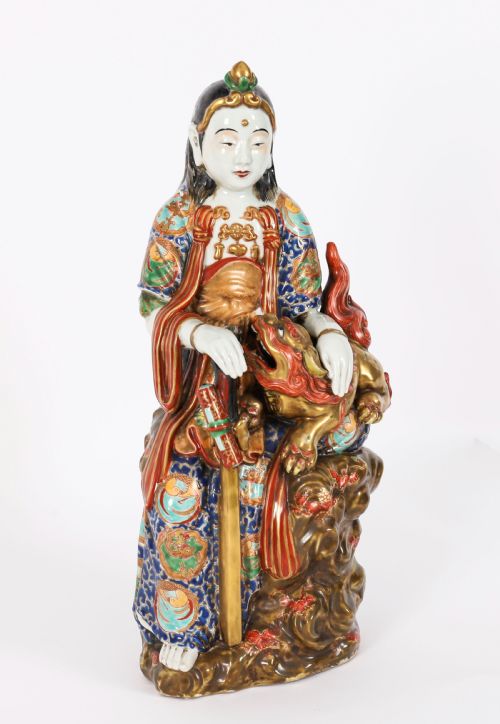
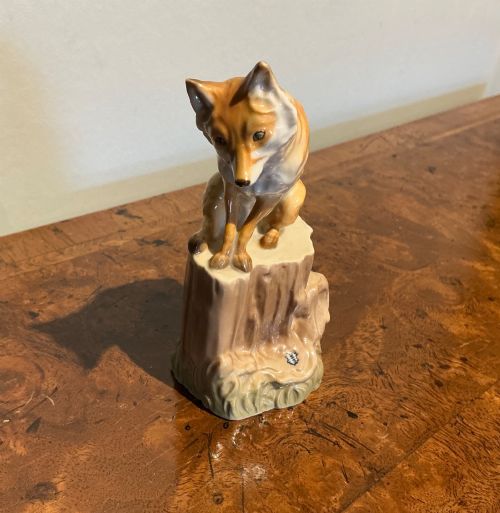
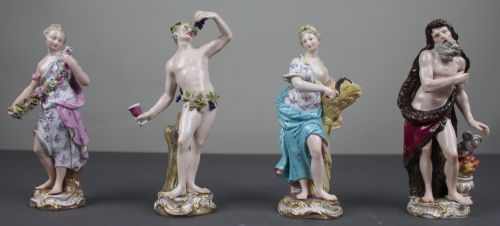
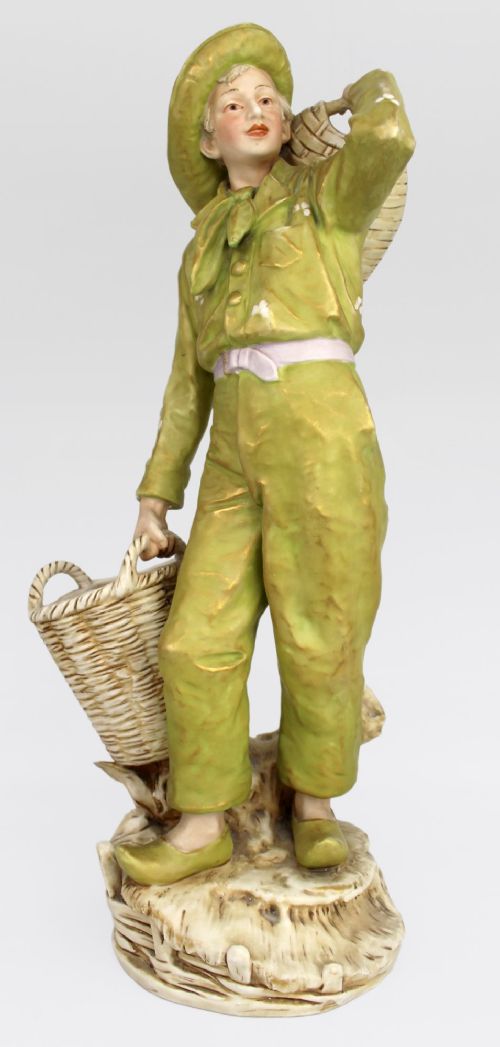
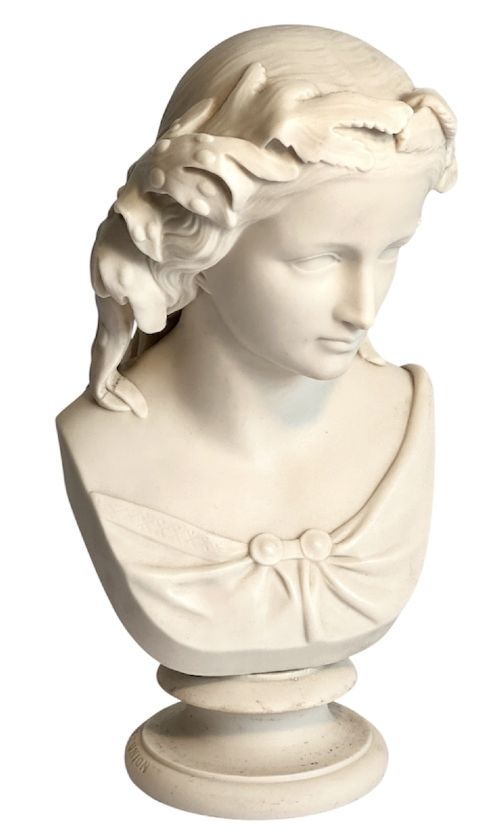
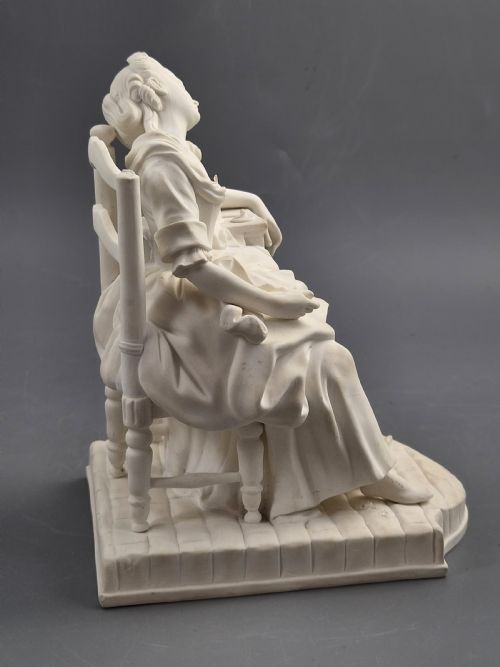
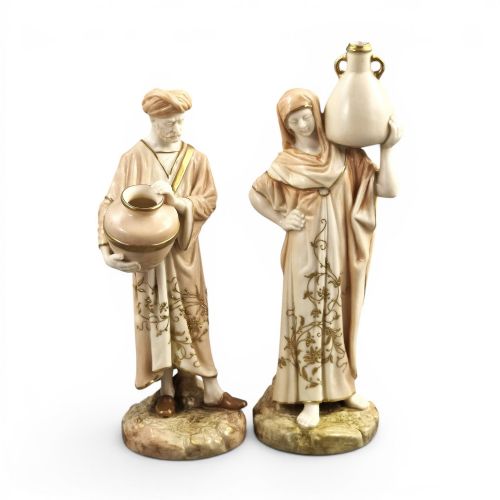
When you search for antique porcelain sculpture, you encounter figures, groups and statuettes spanning the nineteenth century, including Victorian works and French revivals. The forms range from single figures of young women and resting soldiers to elaborate multi-figure groups of boys or fortune-tellers.
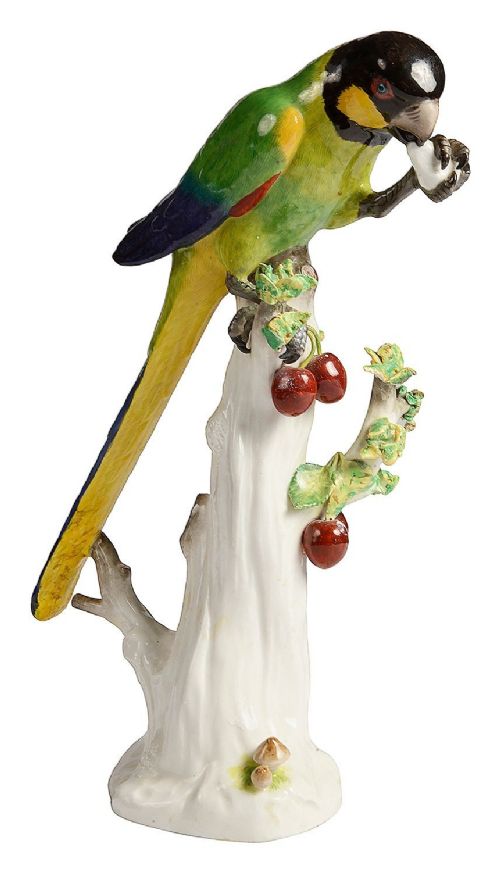
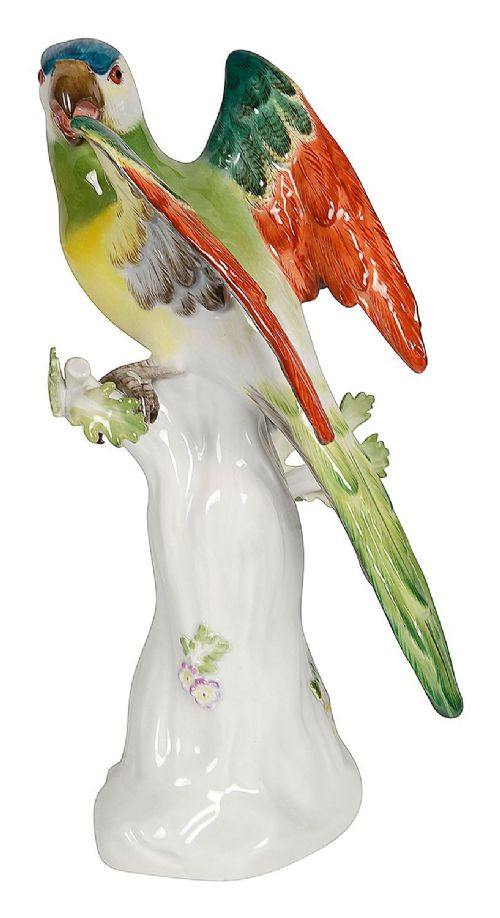
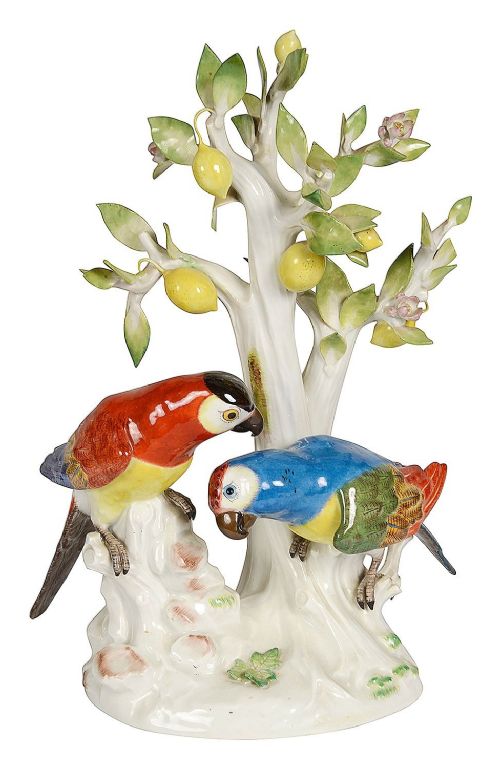
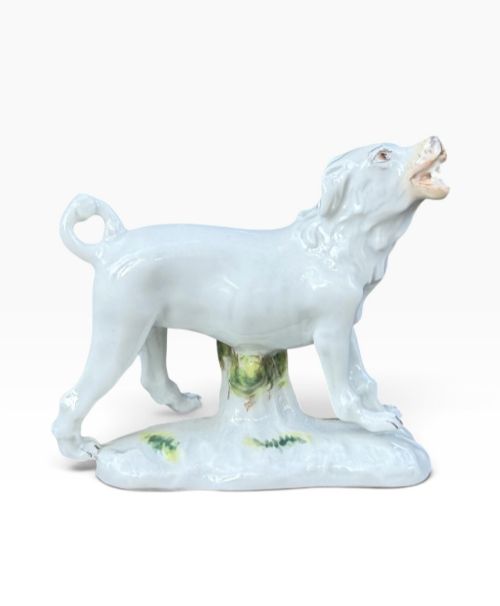
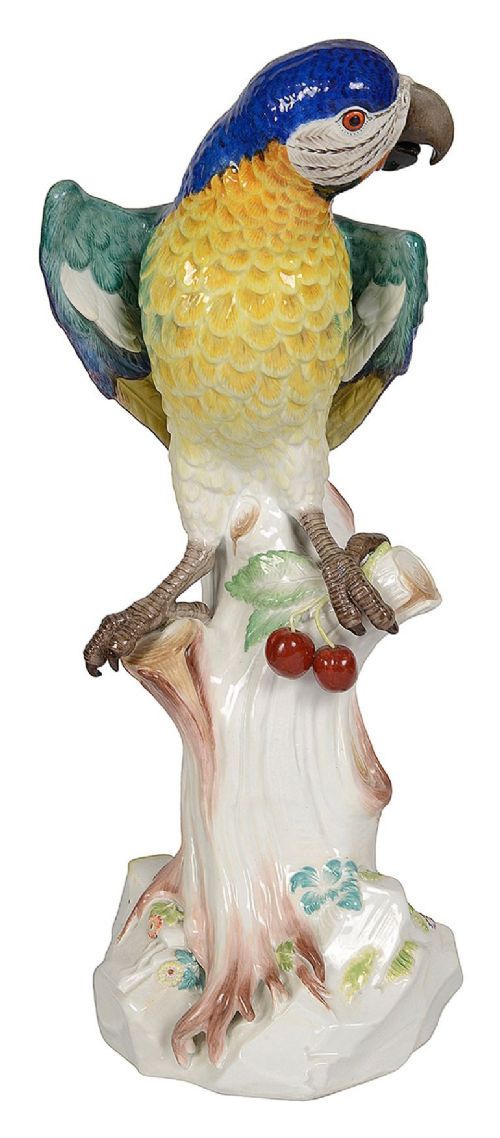
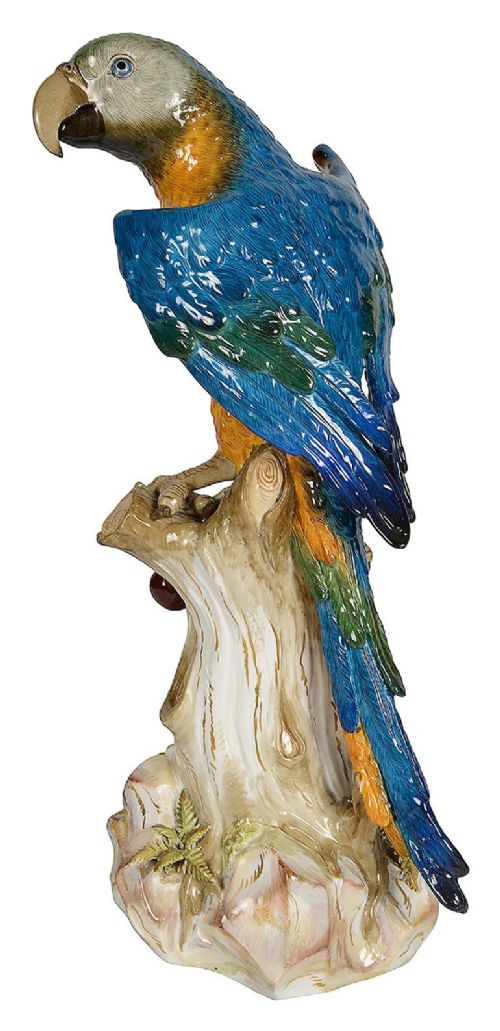
The pieces on this page are most frequently Victorian productions or nineteenth-century continental works, capturing everything from classical subjects like Venus de Milo to lively animals such as parrots. Makers represented in the tradition include Meissen, Niderviller, Samson, Vion et Baury, Minton and Art Deco bisque pieces.
The origins stretch across English potteries and continental European workshops, reflecting both Rococo Revival tastes and French Empire influences. Buyers find both glazed polychrome finishes and unglazed Parian bodies among the available selections.
Materials and construction
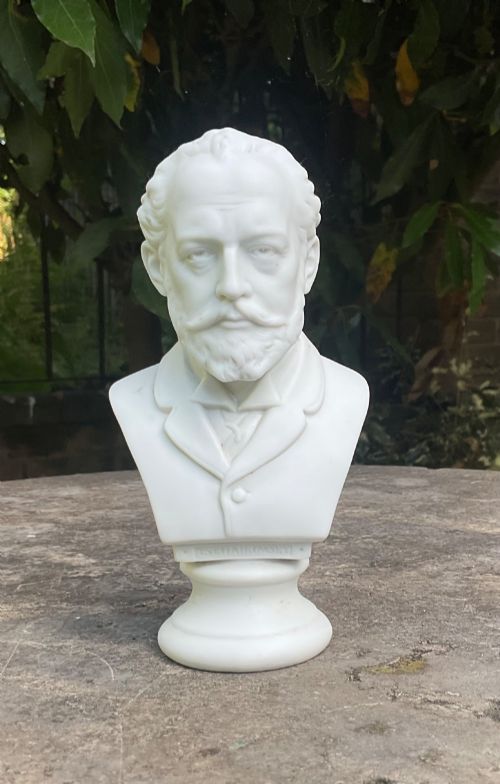
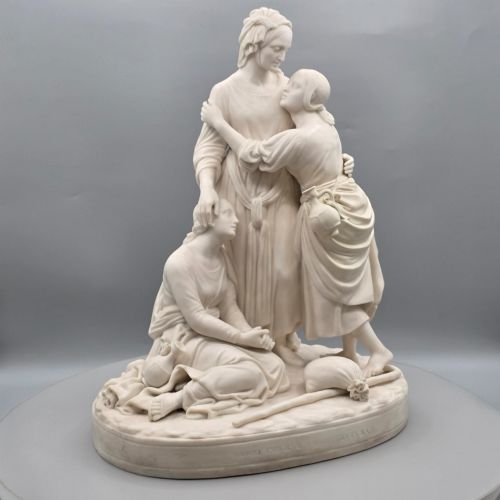
The primary material is porcelain, appearing both as standard glazed paste and as Parian porcelain, an unglazed biscuit body mimicking marble. Enamel glazes and gold leaf provide colour and enrichment on decorated pieces, while other works rely entirely on the smooth, matte texture of Parian.
Moulding and slip-casting techniques allowed workshops to capture intricate drapery, facial expressions and feathered details with precision. Firing at high temperatures ensured durability for these fragile three-dimensional forms.
Retail Price Guide 2026
Typical UK retail prices for porcelain sculpture, calculated from the Sellingantiques database of over a million retail prices indexed since 2003. This retail price guide relies exclusively on Sellingantiques data; no external sources or auction records are used, so the figures do not describe the wider market.
Even a stern Victorian soldier resting on his rifle cannot overshadow the jaunty confidence of a large porcelain parrot.
Assessing quality and execution
The purity of the Parian porcelain body and the clean definition of the mould separation lines reveal the skill of the original workshop. Heavier, more ambitious multi-figure groups demand greater technical mastery in the kiln than single standing figures.
Meissen·Niderviller·Samson·Vion et Baury·Minton
The Antique Porcelain Sculpture Glossary
- Parian porcelain
- A fine-grained unglazed porcelain developed in the nineteenth century to imitate marble. It became exceptionally popular for portrait busts and classical figures.
- Bisque porcelain
- Unglazed ceramic fired once or twice to create a matte, porous surface resembling marble. It allows sculptural detail to remain exceptionally sharp.
- Enamel glaze
- Vitreous coating fused to the porcelain body at high temperature to provide durable polychrome decoration. It produces vibrant surface colours on figurative groups.
- Gold leaf
- Extremely thin gold beaten into sheets and applied to porcelain for highlights and borders. It adds rich contrast to glazed surfaces.
- Rococo Revival
- Nineteenth-century design movement favouring asymmetrical curves, scrollwork and naturalistic motifs. This style heavily influenced Victorian and continental porcelain figures.
Frequently Asked Questions
What is Parian porcelain?
Parian porcelain is an unglazed ceramic material introduced in the nineteenth century that resembles carved marble. It gained widespread favour for figures and classical sculptures.
Because it requires no glaze, the sharp details of the modelling remain entirely crisp and unaltered by kiln gloss.
How do I date these sculptures?
Dating relies on stylistic clues, paste composition, and any factory marks stamped or painted on the base. Nineteenth-century pieces often reflect Victorian, Rococo Revival, or French Empire aesthetics.
Comparing the modelling style with documented works from factories like Meissen or Minton helps narrow down the production era.
Are these figures glazed or unglazed?
You will find both glazed and unglazed examples among these sculptures. Traditional figures often feature colourful enamel glazes and gold leaf highlights.
Other pieces, particularly Parian or bisque items, are deliberately left unglazed to showcase a smooth, matte finish.
Where were these pieces made?
The listings include works from prominent English potteries alongside celebrated continental European workshops. France and Germany produced a substantial portion of these figures.
Each region brought distinct stylistic preferences, from French Rococo Revival groups to English Victorian parian figures.