

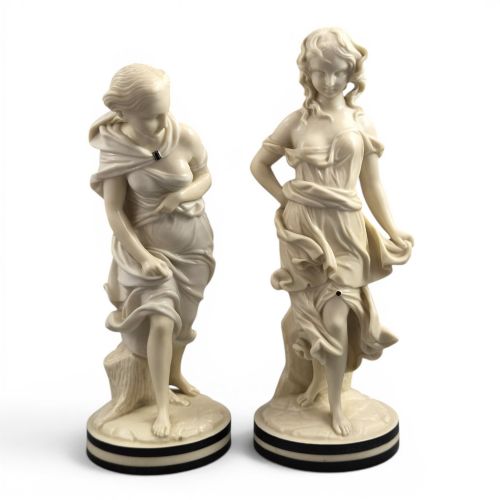


Parian Porcelain Figure
These parian porcelain figure pieces capture nineteenth-century neoclassical taste in matte ceramic form, offering collectors finely detailed miniature sculpture.

What a parian porcelain figure represents
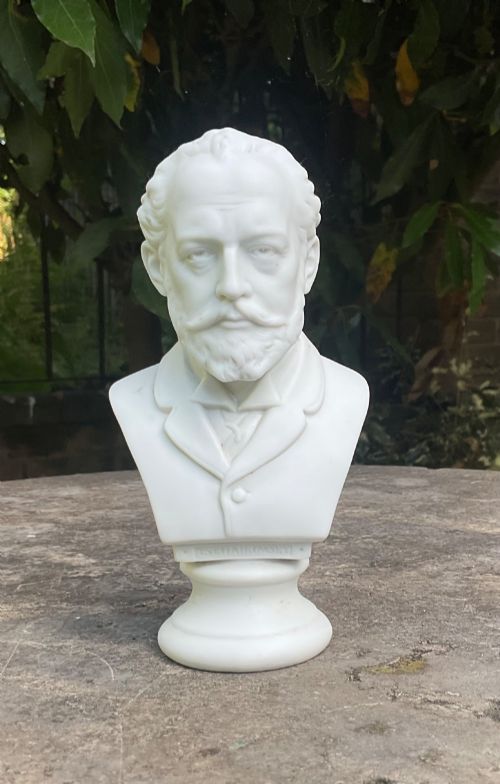
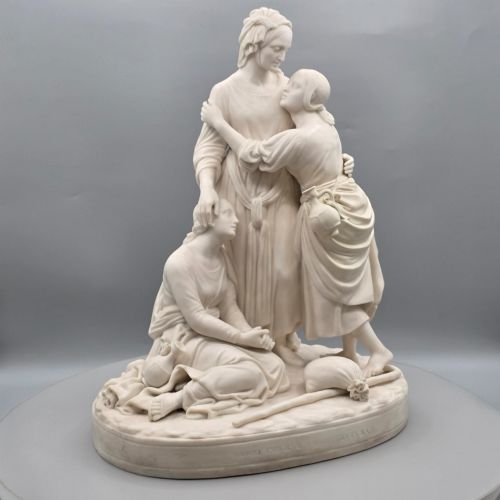
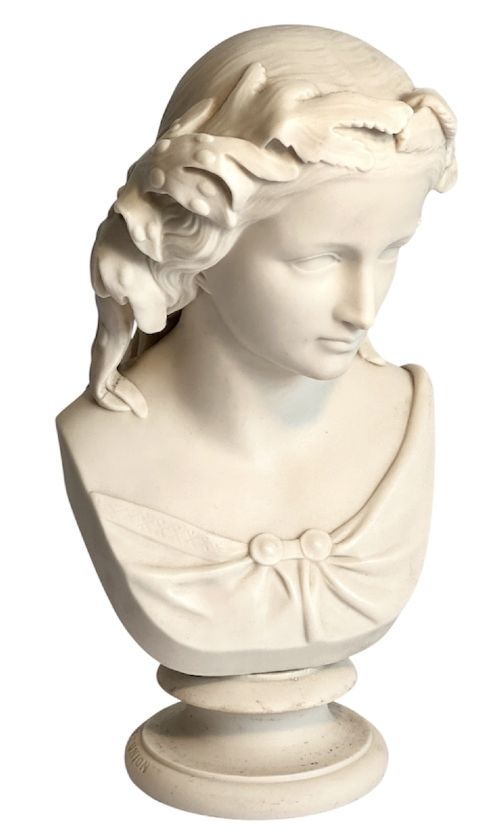
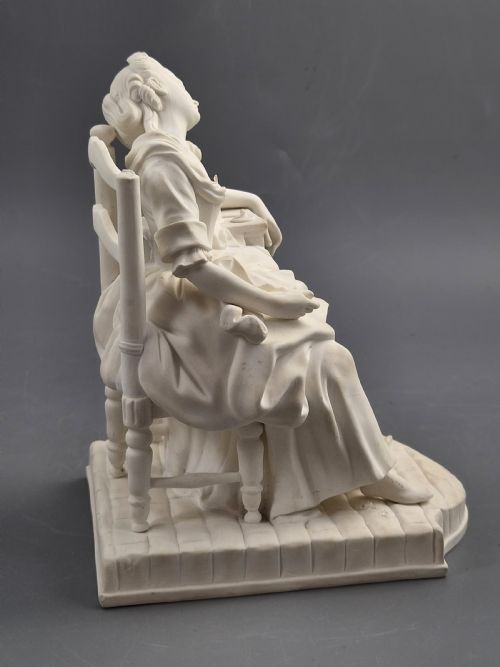
A parian porcelain figure takes the form of nineteenth-century sculptures and statuettes, often drawing on classical subjects or literary heroines such as Rebekah at the well and Clorinda. These pieces emerge predominantly from the Victorian era, spanning dates from around eighteen-seventy up to nineteen hundred.
Collectors frequently encounter representations of resting soldiers, ladies with baskets of grapes, and sleeping figures after notable modellers. The selection ranges from single standing porcelain figurines to more elaborate grouped compositions and sculptural table pieces.
Origins stretch across British production centres and continental works like Old Paris, aligning with Victorian classicism. Buyers exploring this category engage directly with the sculptural ambitions of nineteenth-century ceramicists.
Materials and methods of production
Makers utilised parian porcelain, also described as biscuit porcelain, bisque porcelain, or parian ware, which avoided the glossy glaze of traditional tableware. This unglazed ceramic body achieves a matte, marble-like finish that highlights delicate facial expressions and drapery.
Retail Price Guide 2026
Typical UK retail prices for parian porcelain figure, calculated from the Sellingantiques database of over a million retail prices indexed since 2003. This retail price guide relies exclusively on Sellingantiques data; no external sources or auction records are used, so the figures do not describe the wider market.
Distinctions in quality and execution
The sophistication of the subject and the ambition of the composition separate standard decorative items from works of higher artistic merit. Multi-figure groups and pieces modelled after recognised sculptors demonstrate a superior level of workshop achievement.
Copeland·Minton
The Parian Porcelain Figure Glossary
- Parian porcelain
- A fine-grained, unglazed porcelain developed in the nineteenth century to imitate carved marble. It fires to a smooth, matte white surface.
- Biscuit porcelain
- Unglazed ceramic fired once before decoration, providing a porous and chalky texture. It forms the structural base for parian ware.
- Victorian classicism
- An artistic movement drawing inspiration from ancient Greek and Roman art. Sculptors translated classical motifs into contemporary decorative ceramics.
- Figurine
- A small carved or moulded statuette representing a human or animal figure. These objects populated nineteenth-century drawing room mantelpieces.
Frequently Asked Questions
What is parian porcelain?
Parian porcelain is an unglazed ceramic material developed in the nineteenth century specifically to imitate white marble.
It allows ceramicists to capture fine details in miniature sculpture without the distraction of a glossy glaze.
How do I date a figure?
Dating relies on stylistic clues, subject matter, and any impressed factory marks or registry numbers on the base.
Most pieces belong to the Victorian era, spanning from the mid-nineteenth century to around nineteen hundred.
Were these figures painted?
Most examples appear in plain white parian ware to emulate carved marble sculpture as closely as possible.
Some pieces incorporate limited paint touches to highlight specific details of costume or hair.
Where were they displayed?
Victorian households placed these sculptural figures on mantelpieces, side tables, and cabinets within the parlour.
They served as accessible substitutes for expensive marble statues, bringing classical culture into domestic spaces.