



White Porcelain Statue
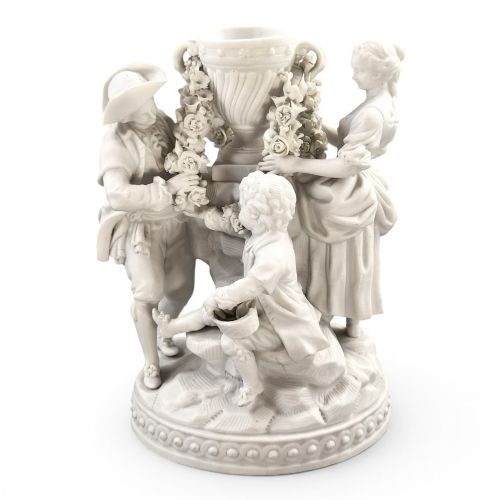
White porcelain statues embody centuries of sculptural ambition, capturing human, animal, and mythological subjects in refined ceramic forms.
White Porcelain Statue
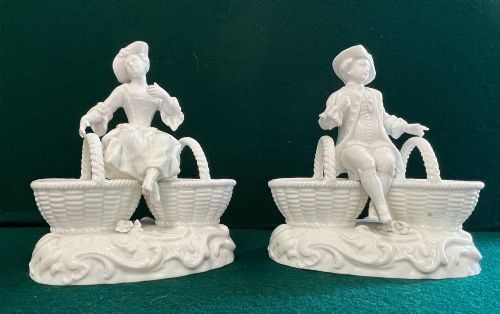
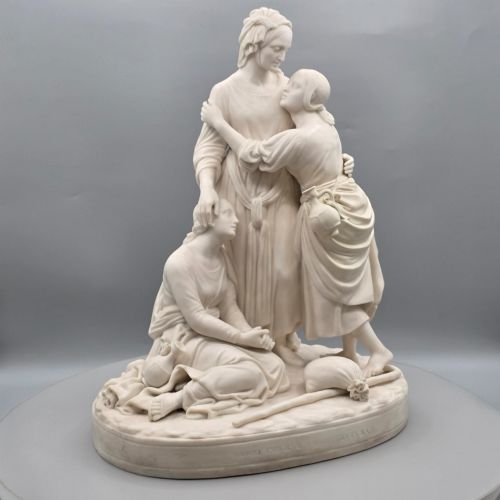
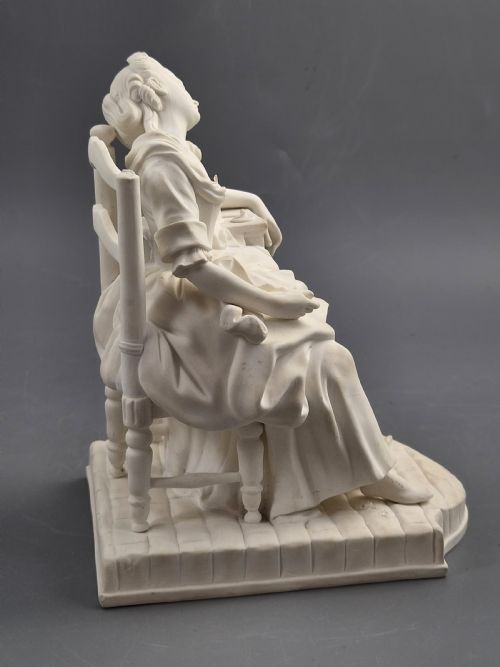
When seeking a white porcelain statue, collectors encounter everything from delicate 18th-century Derby shepherdesses to large 19th-century Parian classical studies.
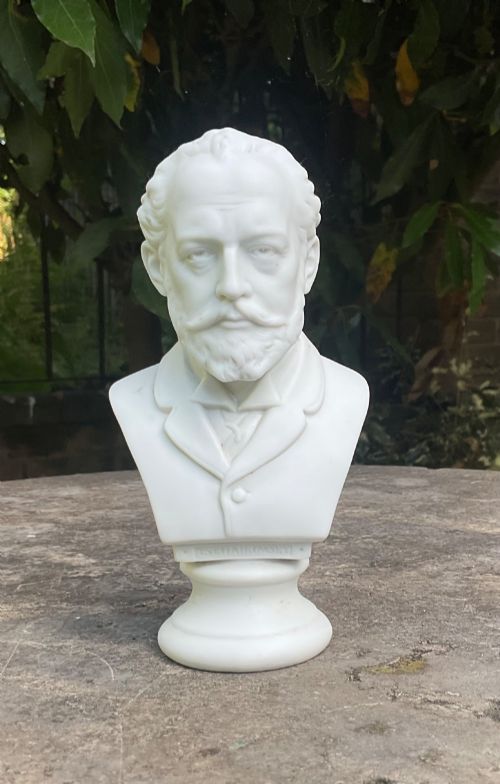
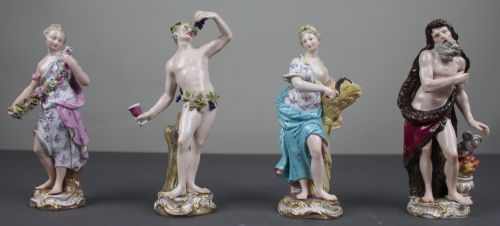
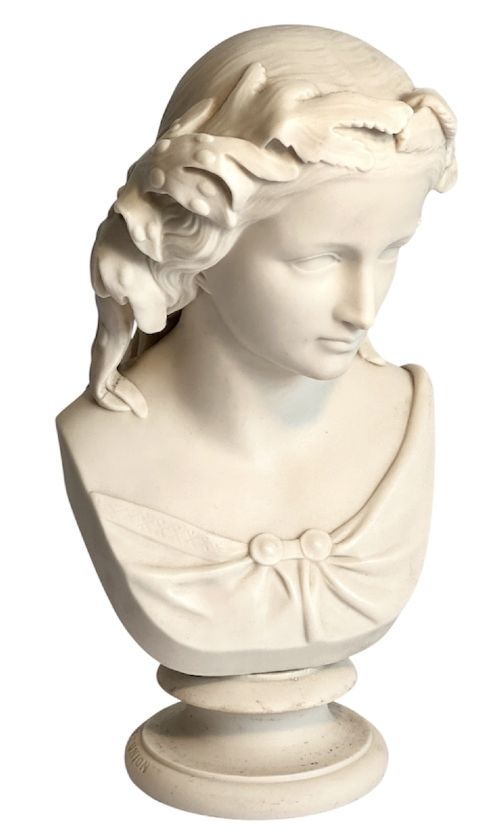
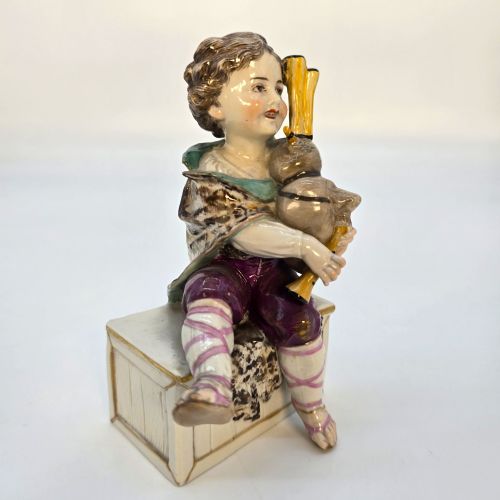
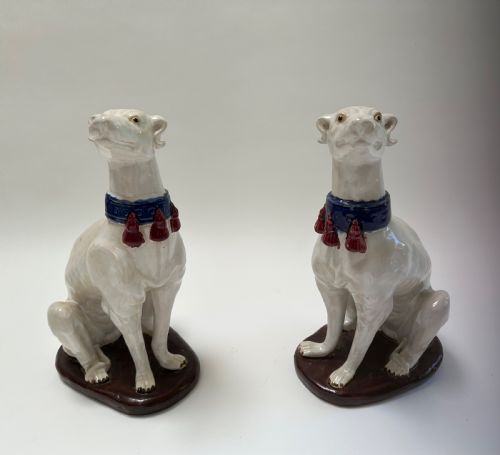
The selections here span multiple European and Asian traditions, including Meissen figures, Japanese Hirado porcelain guardian lions, and British Parian ware busts of historical figures.
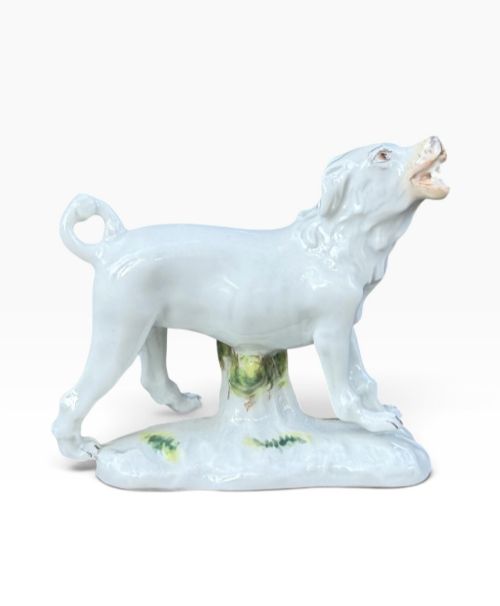
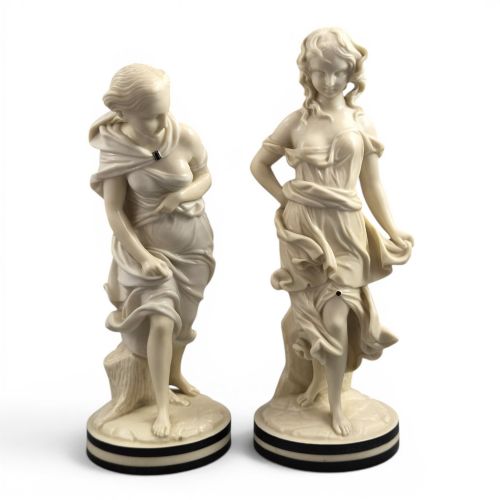
Forms range from intimate animal models and pairs of seasons to monumental neo-classical groups and portrait busts.
Materials and Methodologies
Makers utilised hard-paste porcelain, soft-paste porcelain, and unglazed Parian ware, sometimes augmented with enamel, gold leaf, and glaze highlights.
Moulding and slip-casting allowed factories to achieve intricate detail in figurative subjects, followed by firing at high temperatures to vitrify the ceramic body.
Biscuit and bisque porcelain left surfaces unglazed, mimicking the matte texture of carved marble for classical subjects.
White Porcelain Statue Retail Price Guide 2026
Typical asking prices for white porcelain statue among the pieces listed under this phrase on Sellingantiques today, from the lower quarter to the upper quarter. They describe what is for sale here now, not the wider market.
Listings feature pieces spanning the Georgian, Victorian, and Edwardian periods, utilising Parian porcelain, hard-paste porcelain, and bisque.
Evaluating Quality in Ceramic Sculpture
The quality of the porcelain body itself, whether a smooth glossy glaze or a finely grained Parian surface, dictates the visual depth of the piece.
Provenance and factory attribution, such as early Derby or Meissen periods, establish historical importance and technical achievement.
Meissen·Minton·Copeland·Royal Worcester·Volkstedt Rudolstadt Factory·Derby
The White Porcelain Statue Glossary
- Parian Ware
- A fine unglazed biscuit porcelain developed in the 19th century to imitate carved marble. It takes its name from the white marble of Paros.
- Biscuit Porcelain
- Unglazed ceramic fired once or twice to create a matte, porous surface resembling marble. It is frequently employed for detailed sculptural figures.
- Hard-Paste Porcelain
- A dense ceramic composition of kaolin and petuntse fired at very high temperatures. It produces a durable, vitreous body used extensively by European factories.
- Blanc de Chine
- A French term for white Chinese porcelain from Dehua, noted for its milky glaze. European kilns later adopted this style for figures.
- Staffordshire
- A major English pottery region known for producing earthenware and porcelain figures. Animal models and local characters are common output.
White Porcelain Statue: Frequently Asked Questions
How should I clean a white porcelain statue?
Dust unglazed biscuit and Parian surfaces gently with a soft, dry brush to prevent dirt settling into the porous texture. Glazed porcelain can be cleaned with a damp cloth and mild soap.
Avoid harsh chemical cleaners or submerging antique pieces, particularly those with applied elements or delicate floral garlands.
How do I identify an 18th-century figure?
Early figures from factories like Derby or Bow often show unglazed patch marks on the base where they rested in the kiln. The ceramic body tends to feel softer or show subtle imperfections reflecting period hand-modelling techniques.
Under magnification, the glaze and paste structure reveal the specific firing characteristics of early European kilns before industrial standardisation.
Where were these figures displayed historically?
Sculptural figures adorned neoclassical drawing rooms, mantelpieces, and cabinet displays in elite homes. They served as conversation pieces that demonstrated the owner's cultural literacy and taste.
Large groups and portrait busts were often placed on pedestals or dedicated tables to mimic grand marble statuary on a domestic scale.