





Neoclassical Porcelain Figure
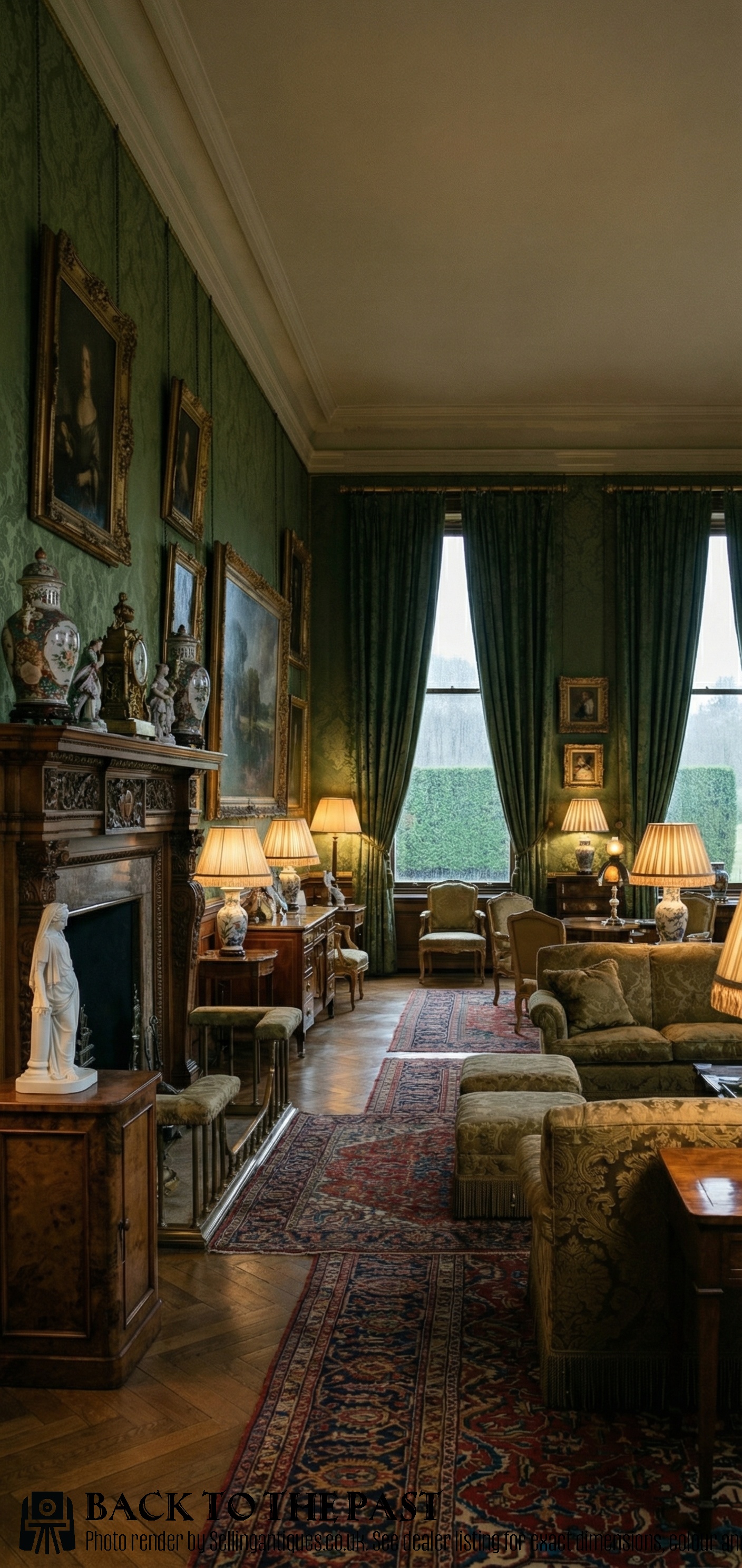
A neoclassical porcelain figure brings ancient classical poise directly to a mantelpiece, offering timeless mythological forms rendered in delicate ceramic bodies.
Neoclassical Porcelain Figure
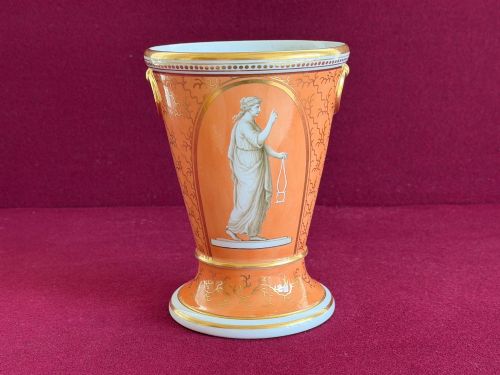
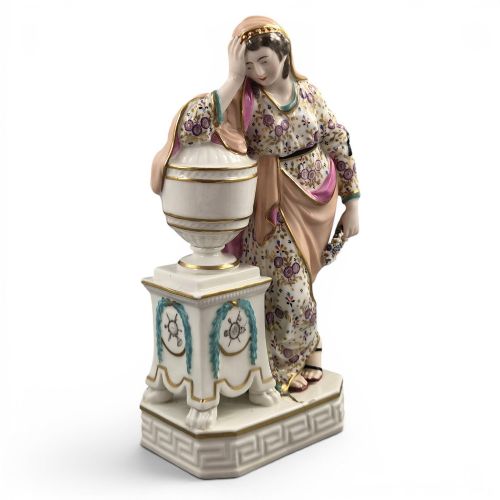
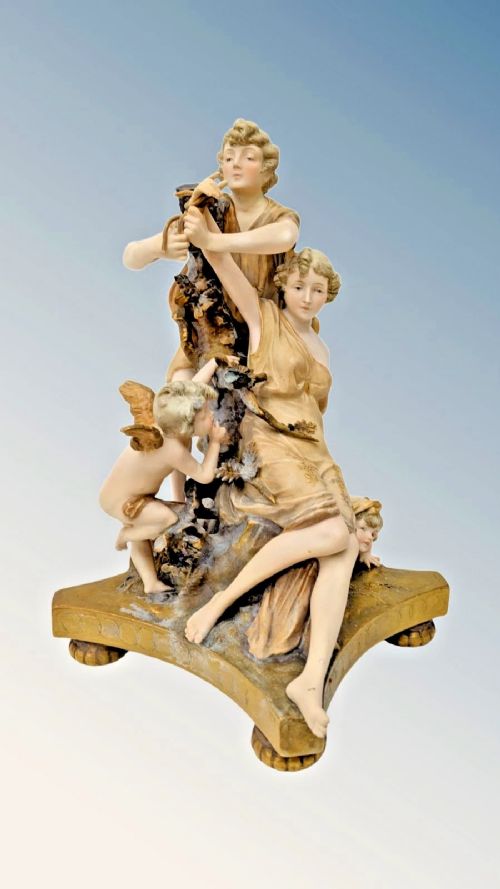
A neoclassical porcelain figure captures classical mythology and allegorical subjects through sculpted ceramic bodies originating across British and continental European potteries. These pieces range from eighteenth-century Georgian figures modelled by factories like Derby and Meissen to nineteenth-century Victorian parian ware studies and French neoclassical examples.
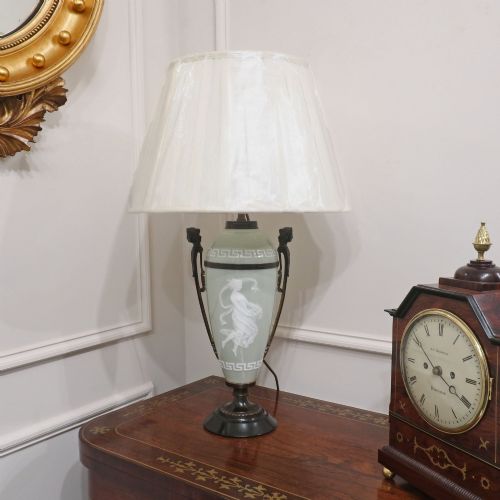
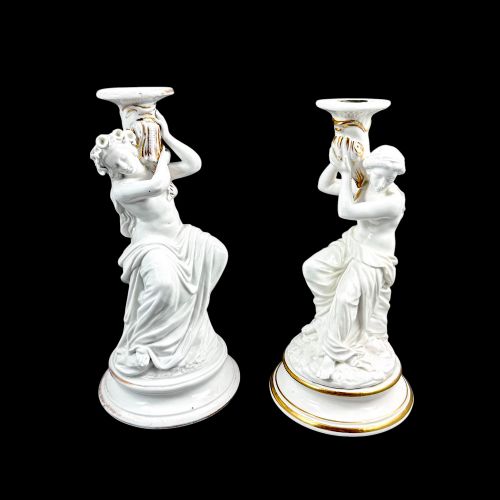
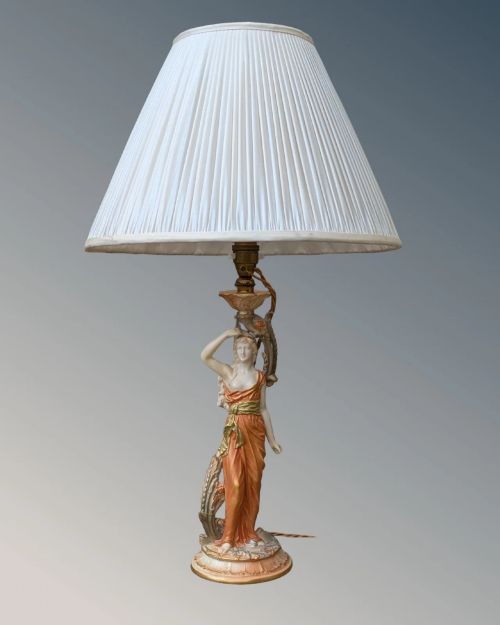
The selection on this page centres heavily on porcelain figurines, bisque porcelain groups, and parian porcelain studies, alongside related forms such as figural candlesticks and table lamps. Buyers encounter subjects spanning classical deities, literary characters, and allegorical groups derived from antique sculpture.
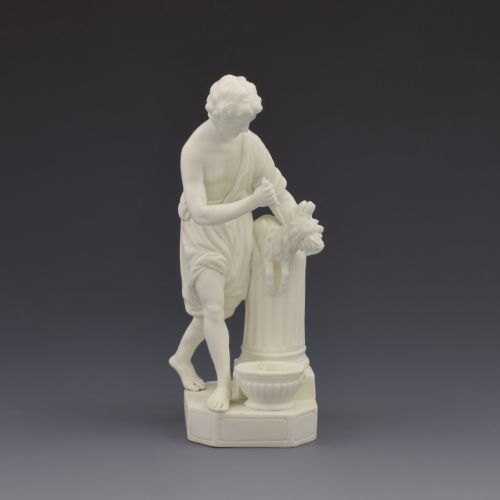
Earlier Georgian specimens typically show glazed porcelain with hand-painted details and gilding, whereas nineteenth-century pieces frequently utilise unglazed parian or biscuit bodies to emulate carved marble. Stylistic influences shift from eighteenth-century rococo survivals toward strict Victorian neoclassical and French neoclassical revivals.
Materials and Technique
Makers shaped these neoclassical porcelain figure works using specialised ceramic bodies, relying on traditional porcelain paste, biscuit porcelain, and parian porcelain. Parian ware, introduced in the nineteenth century, utilised a specific feldspathic composition that vitrified at lower temperatures to imitate marble.
Decoration involved hand-painting, enamel colours, and delicate gilding with gold leaf, alongside pate sur pate techniques where liquid porcelain slip built up low-relief designs against a contrasting ground. Bisque and biscuit porcelain remained unglazed to accentuate the modelled surface texture and sculptural form.
Neoclassical Porcelain Figure Retail Price Guide 2026
Typical asking prices for neoclassical porcelain figure among the pieces listed under this phrase on Sellingantiques today, from the lower quarter to the upper quarter. They describe what is for sale here now, not the wider market.
Listings incorporate nineteenth-century parian porcelain studies alongside eighteenth-century glazed figures.
Qualities of the Work
Surface finish and secondary decoration further distinguish the range. Hand-painted polychrome enamel work and burnished gilding executed with precision elevate painted porcelain, while evenly fired parian bodies without visible kiln flaws mark superior nineteenth-century manufacture.
Flight & Barr Worcester·Derby·Royal Worcester·Ernst Wallace·Meissen·Copeland·Achille Mollica·Sevres·Vienna
The Neoclassical Porcelain Figure Glossary
- Bisque porcelain
- Unglazed fired ceramic that presents a matte, porous surface resembling marble. It is frequently employed in neoclassical figures to highlight sculptural contours.
- Parian porcelain
- A fine-grained British ceramic body developed in the nineteenth century to imitate carved white marble. It captures classical drapery and anatomical detail with distinct clarity.
- Pate sur pate
- A ceramic decoration method where successive layers of liquid porcelain slip are applied to a body before firing. This builds up a delicate, translucent cameo effect.
- Gilding
- The application of gold leaf or powdered gold to ceramic surfaces for highlights and borders. It accentuates the base porcelain body.
- Jardinere
- A decorative ceramic pot or vessel intended for holding plants. These objects often incorporate neoclassical motifs and handles.
Neoclassical Porcelain Figure: Frequently Asked Questions
What is the difference between bisque and parian?
Bisque porcelain is standard porcelain left unglazed after the initial fire to create a matte finish. It was widely used in eighteenth-century factories for classical groups.
Parian porcelain is a distinct nineteenth-century body containing high feldspar content designed to vitrify and resemble carved marble. Parian pieces usually have a heavier, denser feel and a subtle sheen.
How do I identify a Victorian piece?
Victorian neoclassical examples often utilise parian porcelain or tinted biscuit bodies to reflect nineteenth-century revival tastes. Subject matter leans heavily toward allegorical studies and sentimental classical figures.
Manufacturing marks, registration diamonds, or specific factory names stamped into the base help confirm nineteenth-century production dates. Stylistic proportions also tend to be heavier than eighteenth-century prototypes.
Were these figures meant for display?
These ceramic works functioned entirely as decorative ornaments for drawing rooms, mantelpieces, and cabinets. Wealthy collectors displayed them to signal classical learning and refined taste.
Larger models occasionally served as centrepieces or companion pieces to garniture sets and candlesticks. Their delicate construction precluded any utilitarian function.