


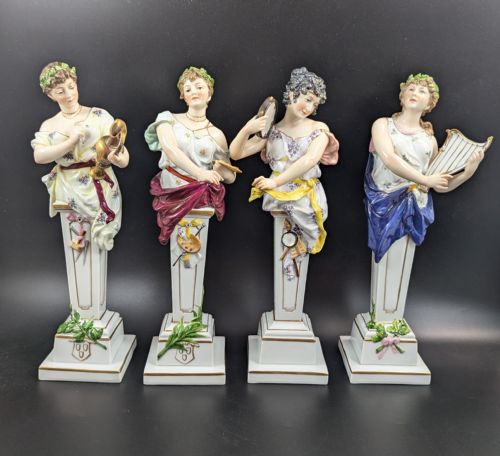


White Porcelain Bust
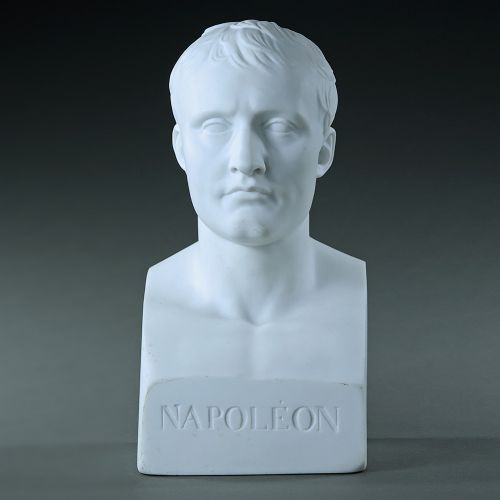
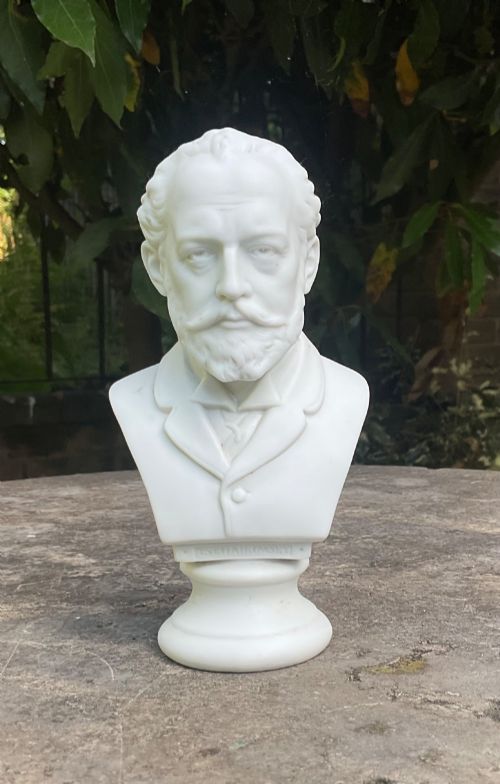
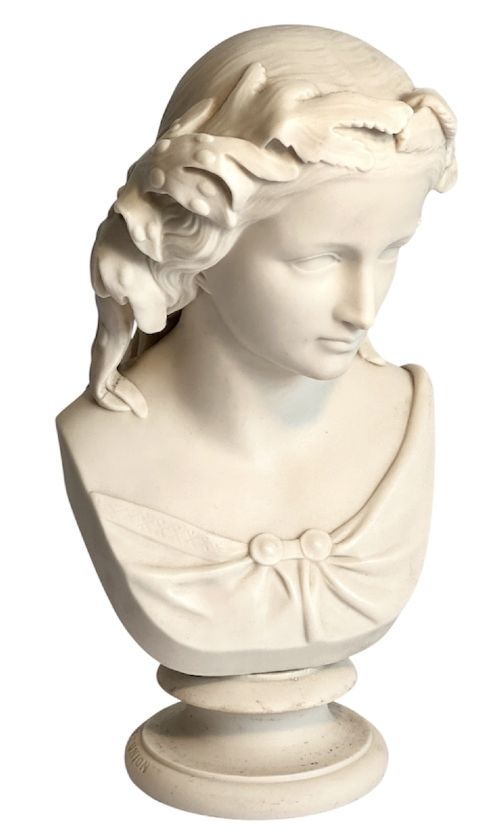
These white porcelain bust sculptures capture historical figures and literary characters through nineteenth-century and early twentieth-century ceramic modelling.
White Porcelain Bust
A white porcelain bust portrays notable individuals, literary subjects, and classical figures in ceramic form. When exploring a white porcelain bust selection, buyers encounter Victorian and neoclassical interpretations of historical personalities, royal figures, and mythological characters.
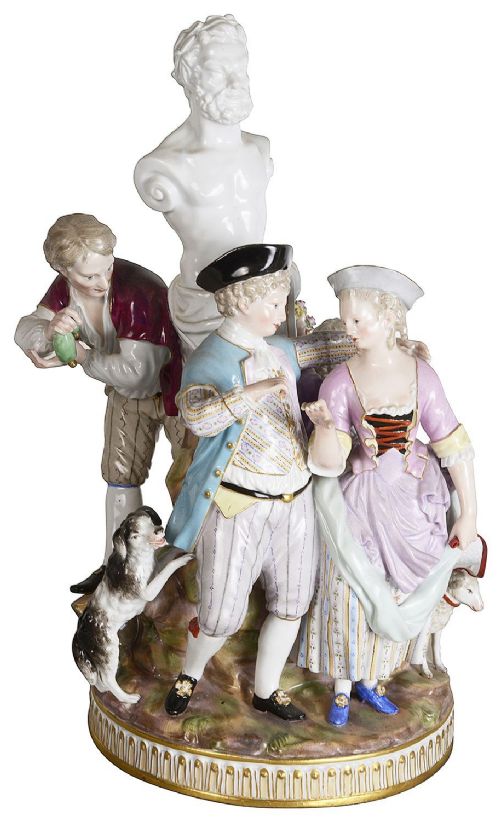
The objects span varied nineteenth-century periods up to the art deco era, appearing alongside related figurines and sculptural groups. These pieces serve as decorative cabinet items and desk ornaments created by European factories and independent modellers.
Materials and construction methods
Many examples utilise parian porcelain or parian ware, an unglazed biscuit ceramic developed to imitate carved marble. Other pieces employ bisque porcelain and standard porcelain, occasionally finished with enamel or gold leaf details.
Factories cast these sculptures in moulds taken from original artist models, capturing fine facial expressions and drapery details. The resulting ceramic forms are fired without glaze to achieve a matte, stone-like texture characteristic of nineteenth-century statuary.
White Porcelain Bust Retail Price Guide 2026
Typical asking prices for white porcelain bust among the pieces listed under this phrase on Sellingantiques today, from the lower quarter to the upper quarter. They describe what is for sale here now, not the wider market.
The listings show nineteenth-century parian porcelain and bisque porcelain predominantly, featuring Victorian and neoclassical styles.
Assessing sculptural quality
The reputation of the producing factory and the renown of the original artist heavily influence the standing of a piece. Well-documented subjects by established makers display superior proportions and cleaner ceramic bodies.
Copeland·Sèvres·Meissen·William Goebel·Achille Mollica
The White Porcelain Bust Glossary
- Parian ware
- A type of fine white porcelain developed in the nineteenth century to resemble carved marble. It is fired to a matte finish without a glossy glaze.
- Bisque porcelain
- Unglazed ceramic fired once or twice to create a porous, matte surface resembling marble. It is frequently utilised for portrait sculptures and decorative figures.
- Neoclassical
- An artistic style drawing inspiration from the classical art and culture of ancient Greece and Rome. It prioritises symmetry, restraint, and classical subjects.
- Pin cushion doll
- A small ceramic upper torso used in sewing accessories, popular during the late nineteenth and early twentieth centuries. The base allowed fabric to be attached for holding pins.
White Porcelain Bust: Frequently Asked Questions
How do I care for unglazed porcelain?
Unglazed ceramic surfaces like bisque and parian require gentle maintenance because their porous nature can absorb oils and dust over time. Light dusting with a soft, dry brush is generally sufficient for regular upkeep.
Avoid using water or chemical cleaners on unglazed pieces unless necessary, as moisture can draw embedded dirt deeper into the porous ceramic body. Handle the sculptures by their sturdy bases rather than delicate protruding elements.
How are these busts dated?
Dating relies on factory marks stamped or incised into the base, stylistic clues from the clothing and hair of the subject, and the specific ceramic composition used. Nineteenth-century pieces often bear impressed manufacturer ciphers or registry marks.
Comparing the subject matter to known historical portraits or exhibition records helps narrow down the period of production. Modellers frequently reproduced popular exhibition sculptures years after their initial debut.
Who are the subjects typically portrayed?
Subjects include prominent historical leaders, literary characters, classical figures, and nineteenth-century royalty. Rulers, composers, and political figures appear alongside heroines from classical mythology and European literature.
Manufacturers selected recognizable personalities to appeal to educated middle-class and aristocratic buyers who wished to display cultural literacy in their homes.