


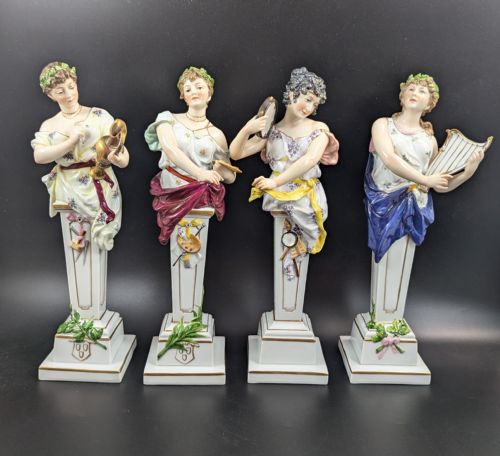


Antique Porcelain Bust
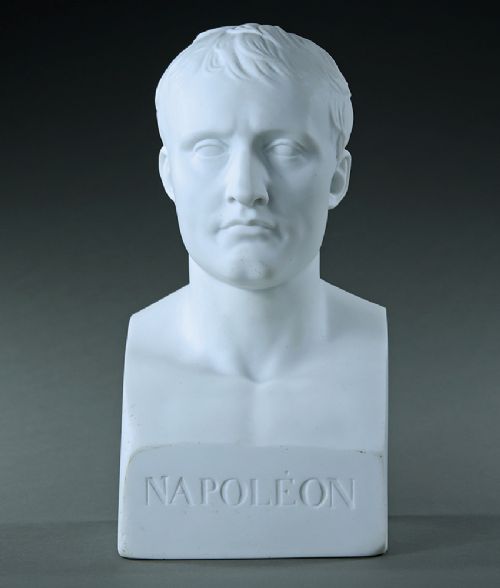
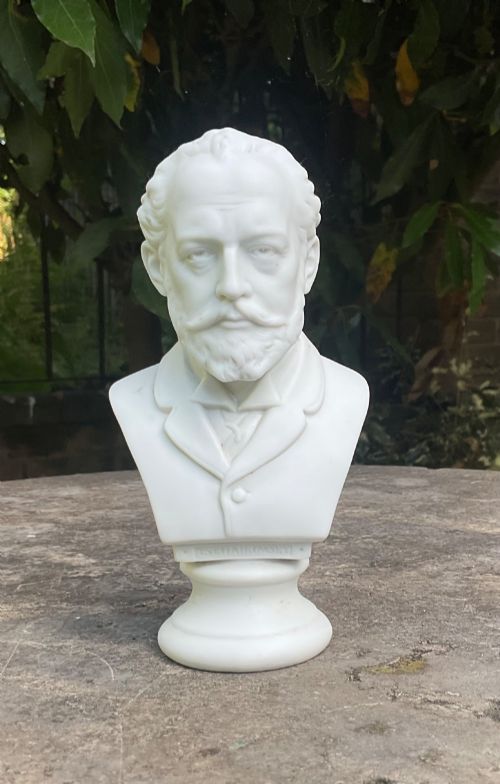
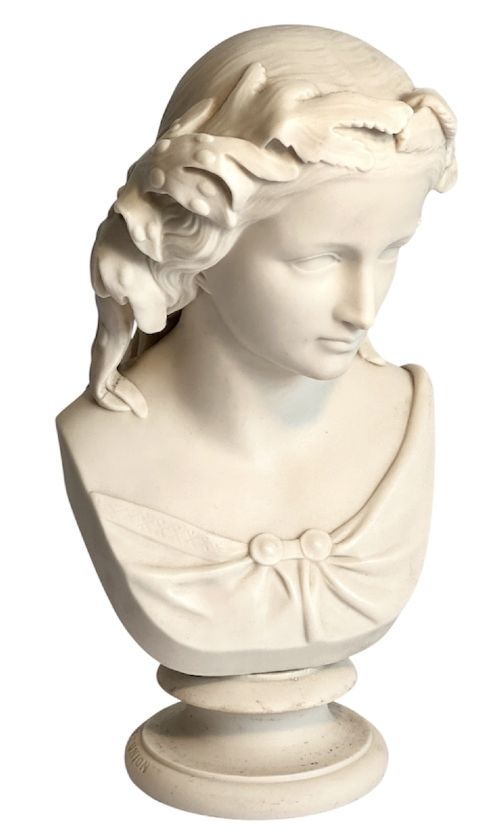
These antique porcelain bust pieces capture historical figures and literary characters in fine detail, bringing classic elegance and sculptural presence to any room.
Antique Porcelain Bust
When you search for an antique porcelain bust, you encounter sculptural portraits and literary studies spanning the nineteenth century through the early twentieth century. The forms range from cabinet-scale cabinet figures to larger decorative studies, frequently drawing on classical and neoclassical traditions. You are most likely to meet nineteenth-century parian ware and bisque porcelain interpretations of notable figures and mythological subjects.
The subjects extend from historical monarchs and statesmen like Marie Antoinette and William Ewart Gladstone to literary and mythological characters such as Ariadne, Miranda, and Daphne. Manufacturers utilised various ceramic bodies, with French parian and biscuit porcelain dominating the earlier periods. Later twentieth-century examples shift towards art deco ceramic figurines and powder puff doll heads.
Factors that determine quality
Quality rests upon the crispness of the modelling and the subtlety of the surface finish across the ceramic body. Superior examples preserve the delicate undertones of facial expression and the fine textures of hair and fabric without softening during the kiln firing. Finer items exhibit precise finishing work by the factory hands, avoiding visible mould lines or surface blemishes.
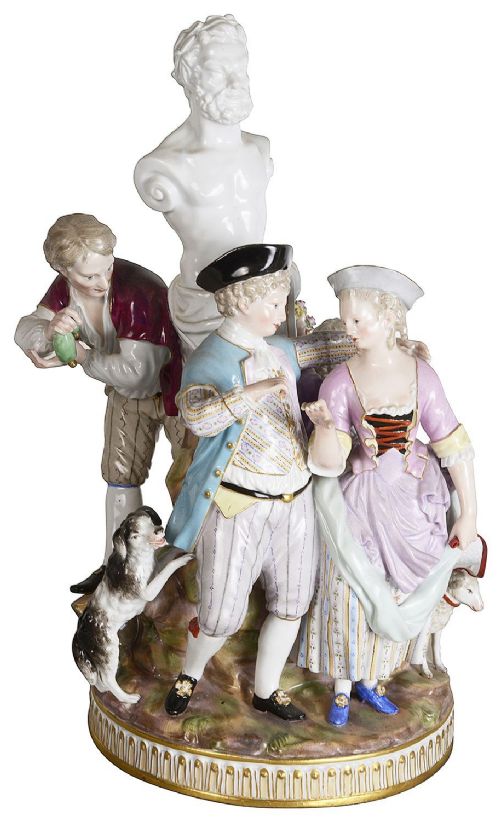
The reputation of the maker and the fidelity of the cast further separate standard production pieces from exceptional works. Pieces produced by established manufactories like Sèvres, Copeland, or Meissen demonstrate superior clay preparation and firing control. The weight, density, and tactile quality of the parian or bisque body remain key indicators of the maker's standard.
Listings feature nineteenth-century and early twentieth-century periods, utilising parian porcelain, bisque porcelain, enamel, and gold leaf in sculptural forms.
Copeland·Sèvres·Meissen·Ernst Whaliss·Fasold & Stuach·William Goebel
The Antique Porcelain Bust Glossary
- Parian Porcelain
- A fine-grained, unglazed porcelain developed in the nineteenth century to imitate white marble. It contains a high proportion of feldspar, which vitrifies during firing to create a durable, smooth surface.
- Bisque Porcelain
- Unglazed ceramic ware that has undergone a single firing to harden the body before any final decoration. It possesses a characteristic matte texture that absorbs light gently.
- Neoclassical
- A style rooted in the revival of classical Greek and Roman art and architecture. It emphasises restraint, symmetry, and classical drapery in sculptural forms.
- Ormolu
- Gilded bronze mounts and decorative elements applied to clocks and ceramic bases. The technique involves coating metal in a finely ground gold-mercury amalgam and heating it.
Antique Porcelain Bust: Frequently Asked Questions
What is the difference between parian and bisque?
Parian porcelain was specifically formulated in the nineteenth century with a higher feldspar content to closely mimic the appearance and weight of carved white marble. Bisque porcelain refers more broadly to any unglazed ceramic body fired once.
Both surfaces lack a shiny glaze, but parian often has a denser, slightly more vitrified feel than traditional biscuitware.
Where should I display a porcelain bust?
Place the sculpture on a sturdy mantelpiece, bookcase, or dedicated console table where it receives indirect ambient light. Ensure the location remains stable and protected from heavy foot traffic to prevent accidental knocks.
Pairing them with period objects like mantel clocks or decorative urns enhances their traditional visual context.
How can I identify the maker?
Check the underside, rear base, or interior rim for impressed factory marks, stamped ciphers, or painted signatures. Different manufactories used distinct registry numbers, monograms, and date symbols throughout the nineteenth and twentieth centuries.
Matching the bust style and subject to known factory catalogues provides further confirmation of origin.