



Victorian Biscuit Porcelain
Victorian biscuit porcelain brings unglazed ceramic sculpture and decorative jars into the home with a soft, matte finish that highlights classical form.
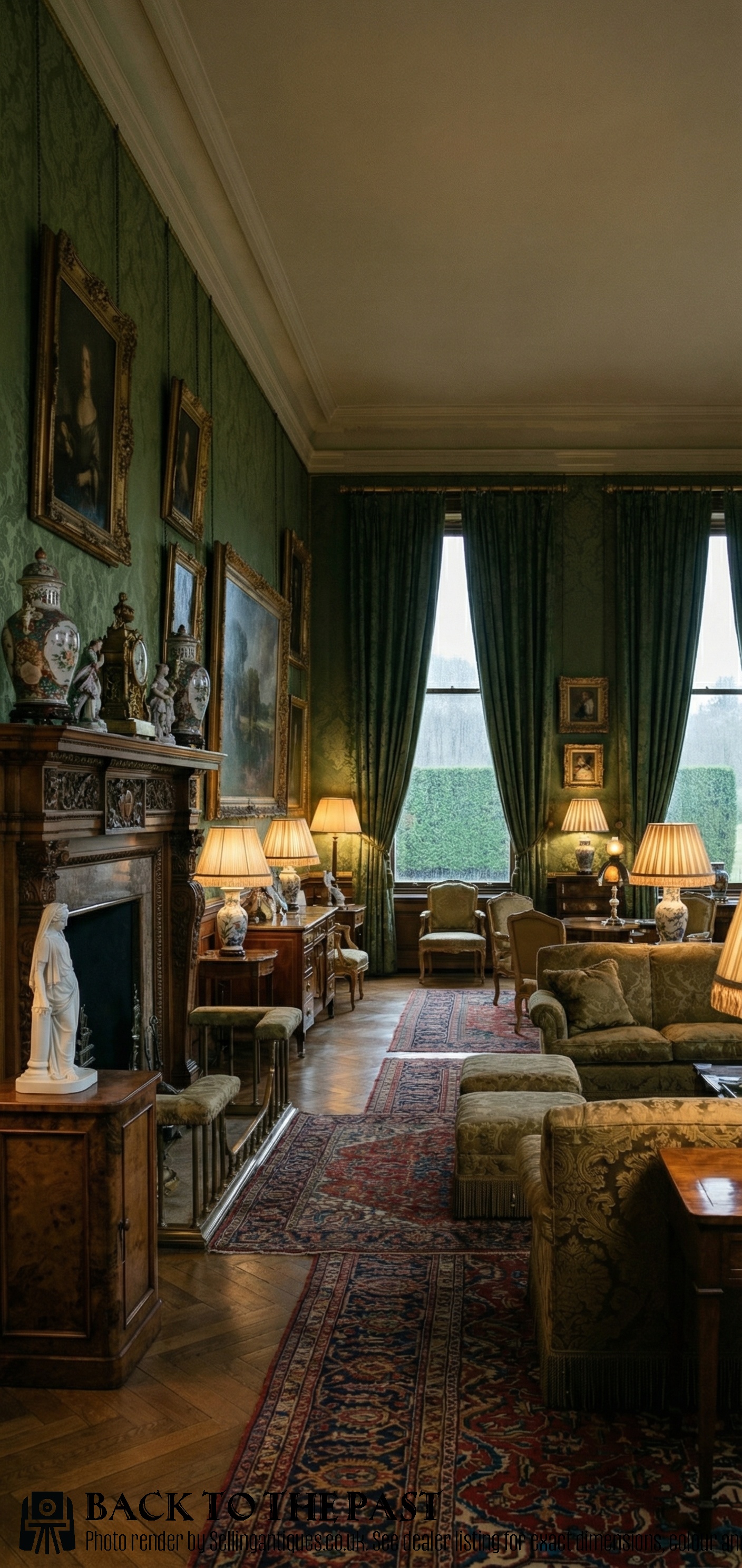
Victorian Biscuit Porcelain
Victorian biscuit porcelain encompasses unglazed ceramic figures, portrait busts, and table vessels created across the nineteenth century and into the early twentieth century. These pieces rely on the natural, porous texture of fired body material rather than a glossy glaze to define their contours.
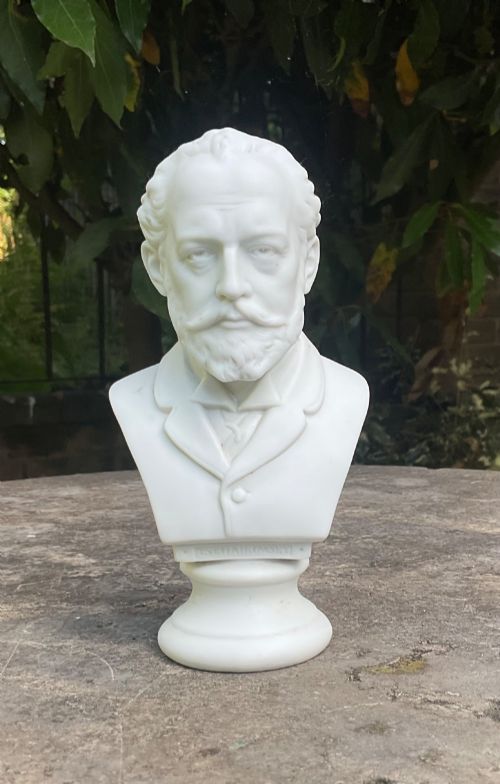
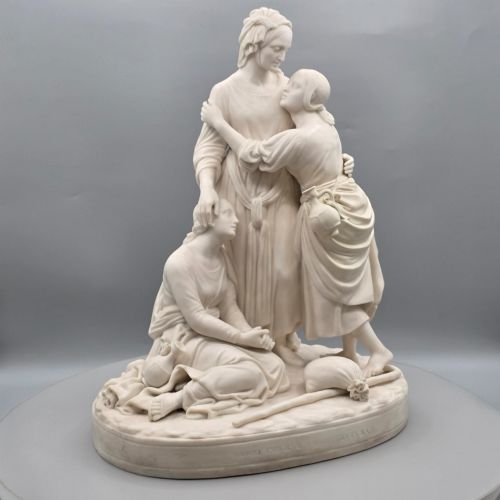
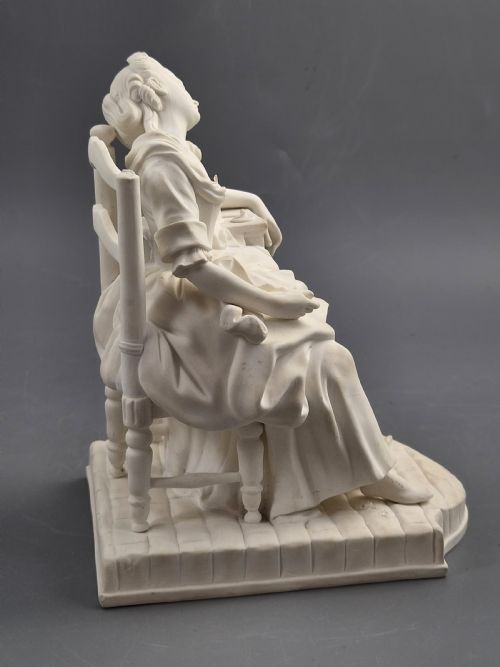
You will most frequently meet figurative sculpture and lidded kitchen jars within this selection. The figurative works range from classical mythological studies and romantic figure groups to portrait busts of prominent historical figures.
Origins span English potteries, French houses, German works, and Scandinavian studios. This international spread brings distinct regional interpretations to the unglazed white and tinted ceramic bodies.

How they were made
Makers utilised specialised ceramic bodies such as parian ware and standard bisque porcelain, firing the pieces without a surface glaze to achieve a matte, marble-like texture. This dry finish required meticulous plaster mould preparation and careful cleaning of seam lines before the final kiln firing.
Victorian Biscuit Porcelain Retail Price Guide 2026
Typical asking prices for victorian biscuit porcelain among the pieces listed under this phrase on Sellingantiques today, from the lower quarter to the upper quarter. They describe what is for sale here now, not the wider market.
Materials in the current selection range from plain white parian porcelain to silver-plated ceramic vessels and hand-painted German figures.
What varies in quality
The degree of crispness in the moulded detail separates standard production pieces from exceptional sculptural works. Superior examples retain sharp facial expressions, deep folds in drapery, and clearly defined botanical or anatomical elements without softening from worn moulds.
Scale and ambition dictate distinction within the category. Larger multi-figure groups and complex mythological studies demonstrate greater technical mastery in firing unsupported limbs and delicate drapery than smaller single figures.
Minton·Letu and Mauger·Ernst Bohne and Soehne·Triebner Ens and Co·Royal Dux·Royal Worcester·Carlton Ware·Copeland
The Victorian Biscuit Porcelain Glossary
- Bisque porcelain
- Unglazed ceramic ware fired once to vitrify the body and leave a matte surface. It is also known as biscuit porcelain.
- Parian ware
- A fine-grained white ceramic developed in the nineteenth century to imitate marble. This material mimics the texture and appearance of carved statuary marble.
- Biscuit barrel
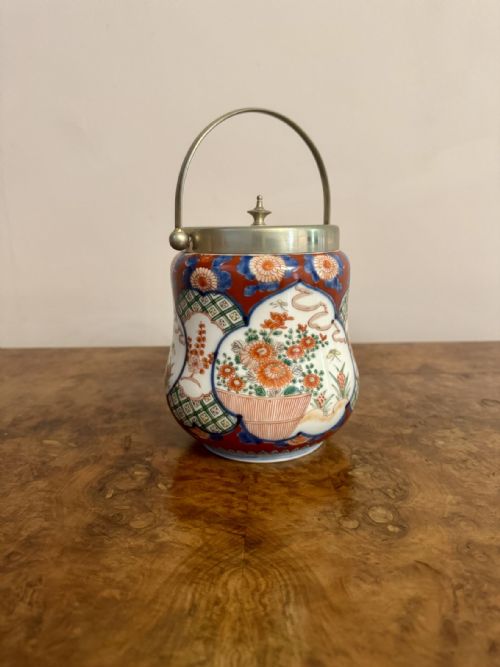
- A ceramic container fitted with a lid and often a metal handle, used for holding dry biscuits at the table. These jars frequently combine ceramic bodies with silver plate.
- Neo-classical
- A decorative style inspired by the art of classical antiquity. It appears frequently in nineteenth-century figurative subjects and portrait busts.
Victorian Biscuit Porcelain: Frequently Asked Questions
What is biscuit porcelain?
Biscuit porcelain is unglazed ceramic ware that has been fired in a kiln to create a matte, porous surface resembling marble. This finish was widely used in the nineteenth century for portrait busts and decorative figures.
The absence of glaze allows light to penetrate slightly beneath the surface, giving the material a soft, translucent quality that emphasises sculptural detail.
How were biscuit barrels used?
Biscuit barrels served as lidded containers placed on dining tables to hold dry sweet biscuits or crackers during tea and after-dinner service. They typically featured a ceramic body with a metal lid and handle.
Many examples combine an unglazed ceramic or parian container with silver-plated mounts, reflecting the formal dining habits of the period.
What is parian ware?
Parian ware is a specific type of biscuit porcelain developed to imitate carved marble for nineteenth-century decorative sculptures. It uses a high feldspar content that vitrifies during firing to produce a creamy, marble-like texture.
This material allowed factories to produce affordable statuary and portrait busts that brought classical art into Victorian homes.
How do I clean biscuit porcelain?
Because biscuit porcelain is unglazed and porous, it easily absorbs dirt and oils from handling. Cleaning requires dry brushing with a soft artists' brush to remove dust from crevices.
Avoid using water or liquid cleaners, as moisture can sink into the unglazed pores and stain the ceramic body permanently.