

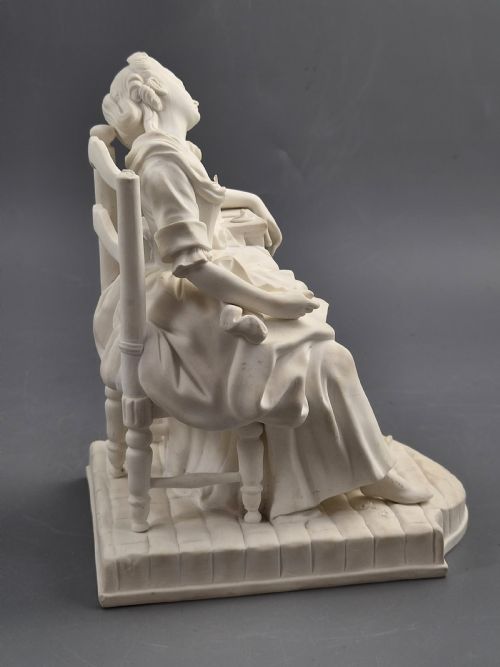


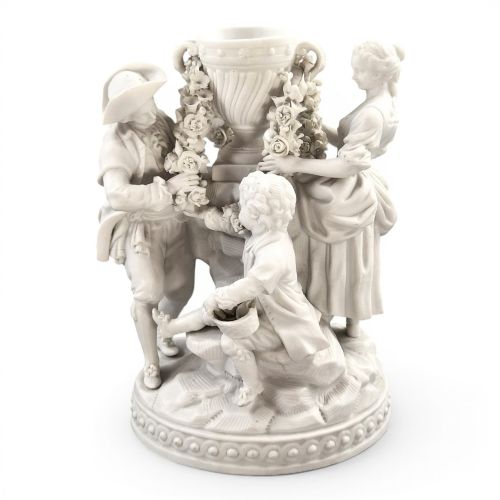


Biscuit Porcelain Statue
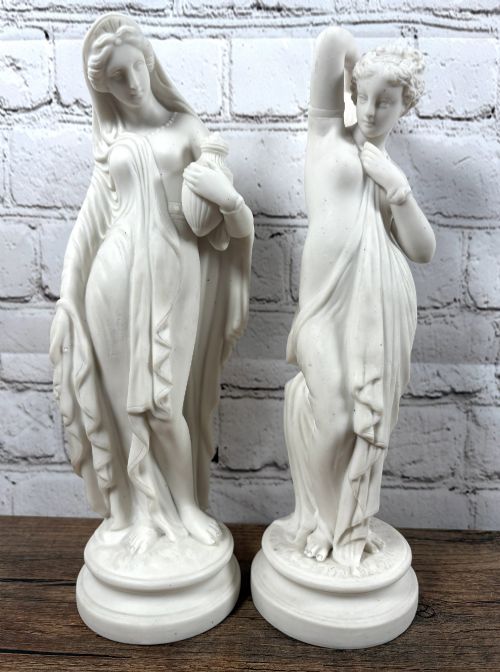
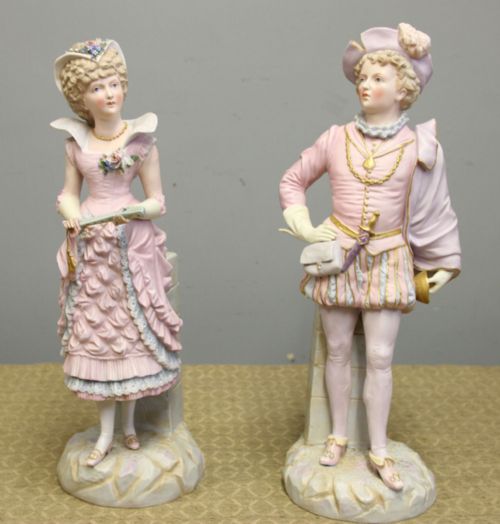
A biscuit porcelain statue captures the matt finish of unglazed clay with the crisp detail of fine ceramic sculpture.
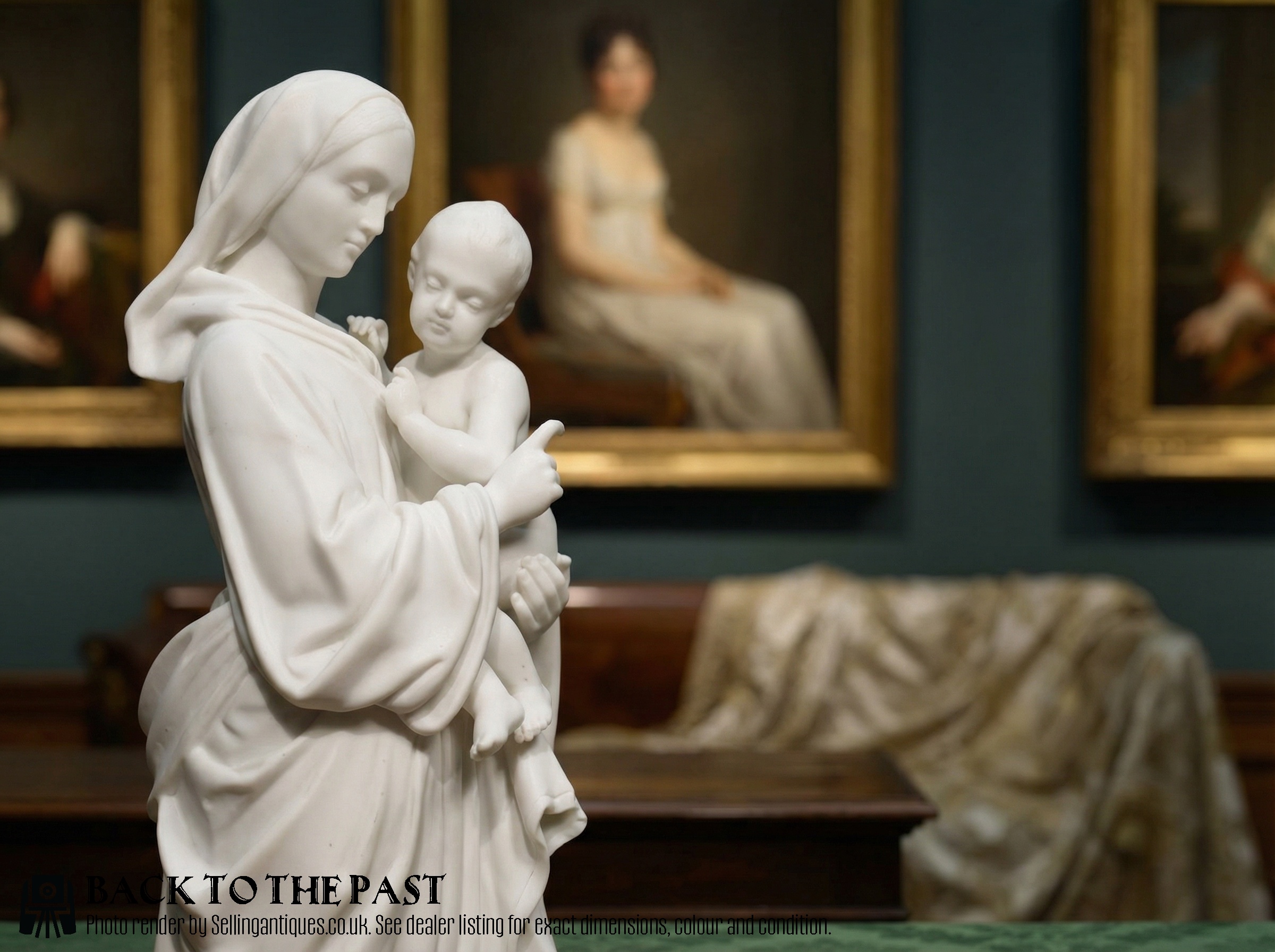
Biscuit Porcelain Statue
A biscuit porcelain statue brings neoclassical dignity and Victorian portraiture into domestic spaces through unglazed ceramic bodies. These pieces present a smooth, matte finish that mimics carved marble without the cold weight or prohibitive cost.
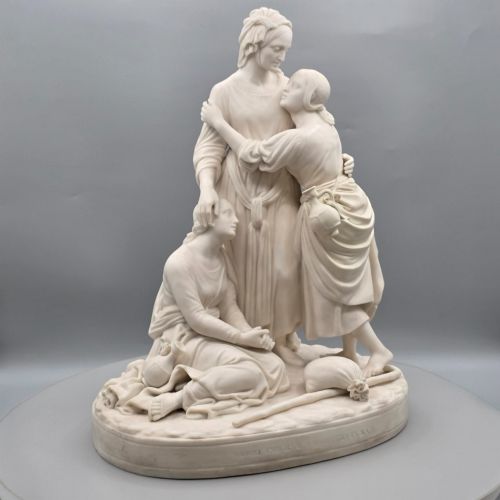
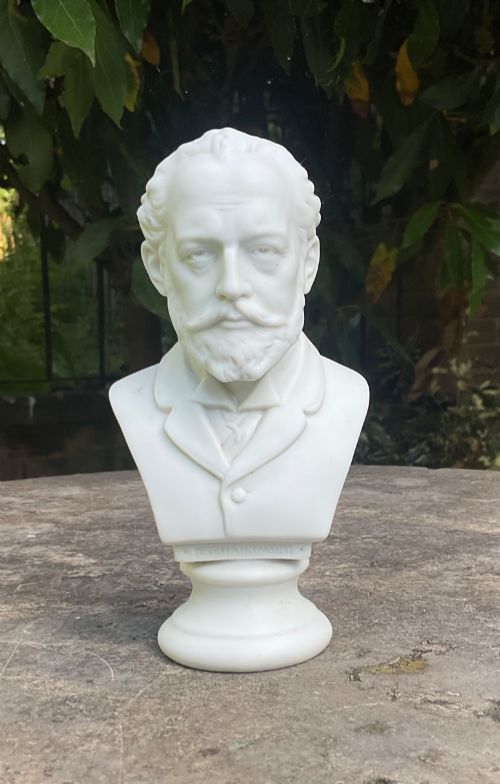
The selections encountered here span the Victorian era, specifically drawing from the later decades of the nineteenth century. Common forms range from monumental portrait busts to narrative figurative groups modelled with classical restraint.
Makers utilised special formulations of hard-paste body to achieve a creamy, self-supporting texture that held sharp tool marks during firing. Buyers frequently encounter representations of statesmen, musicians, and literary or biblical figures rendered in this pale medium.
Creation and materials
Makers produced these works using parian ware and refined biscuit porcelain, slip-cast in multiple plaster moulds before careful hand-chasing of the raw surface. Artisans assembled complex figurative groups from separate cast limbs and drapery sections prior to a single high-temperature kiln firing.
The absence of a glossy glaze allowed the material to retain microscopic surface porosity and absolute whiteness. Sculptors relied on precise mould design and careful shrinkage control during firing to preserve the sharpness of facial expressions and textile folds.
Biscuit Porcelain Statue Retail Price Guide 2026
Typical asking prices for biscuit porcelain statue among the pieces listed under this phrase on Sellingantiques today, from the lower quarter to the upper quarter. They describe what is for sale here now, not the wider market.
The listings on this page span the Victorian era, specifically featuring works produced around eighteen-sixty to nineteen-hundred.
Assessing quality and execution
The weight, density, and uniformity of the parian body distinguish the finer workshop productions from standard commercial output. Colour consistency across large figurative groups and portrait busts indicates superior clay preparation and kiln management.
Minton·Royal Worcester
The Biscuit Porcelain Statue Glossary
- Biscuit porcelain
- Unglazed ceramic ware fired once to vitrification, yielding a porous, matte surface resembling marble. This finish became immensely popular for nineteenth-century portraiture and classical reproductions.
- Parian ware
- A type of fine biscuit porcelain developed in Britain to imitate carved white marble. It contains a high proportion of feldspar which melts during firing to give the body a translucent, marble-like texture.
- Slip-casting
- A manufacturing method where liquid clay body is poured into a plaster mould to absorb moisture and form a hollow shell. This technique allowed factories to mass-produce complex figurative sculptures with consistent proportions.
- Neoclassical
- An artistic style drawing inspiration from the classical art and culture of ancient Greece and Rome. Victorian sculptors frequently employed this aesthetic for commemorative busts and allegorical groups.
Biscuit Porcelain Statue: Frequently Asked Questions
What is biscuit porcelain?
Biscuit porcelain is ceramic ware that has been fired in a kiln without the application of a surface glaze. This leaves the body with a characteristic matte, chalky texture.
In nineteenth-century British production, specialised biscuit bodies such as parian ware were specifically developed to emulate the appearance of carved white marble.
How do I clean a parian figure?
Cleaning unglazed ceramic surfaces requires a dry or very slightly damp cloth to lift dust from the porous pores without driving grime deeper. Avoid harsh detergents or soaking, as moisture can stain the absorbent body.
Delicate protrusions like fingers and drapery tips demand careful handling during maintenance to prevent accidental chips.
Why are these figures unglazed?
Leaving the ceramic unglazed allows light to penetrate slightly beneath the surface before reflecting back, creating a soft glow very similar to genuine marble. Glazes would otherwise soften the fine chisel work and undercutting achieved by the sculptor.
This matte finish was considered the appropriate aesthetic for serious classical and historical portraiture during the Victorian era.
How do I date a Victorian bust?
Dating these sculptures relies on identifying the subject, the factory mark stamped into the base, and the stylistic conventions of the Victorian period. Portraits of known historical figures often correspond to the year of their death or a major public monument.
Base markings and registration lozenges provide precise clues regarding the exact year of registry or production.