
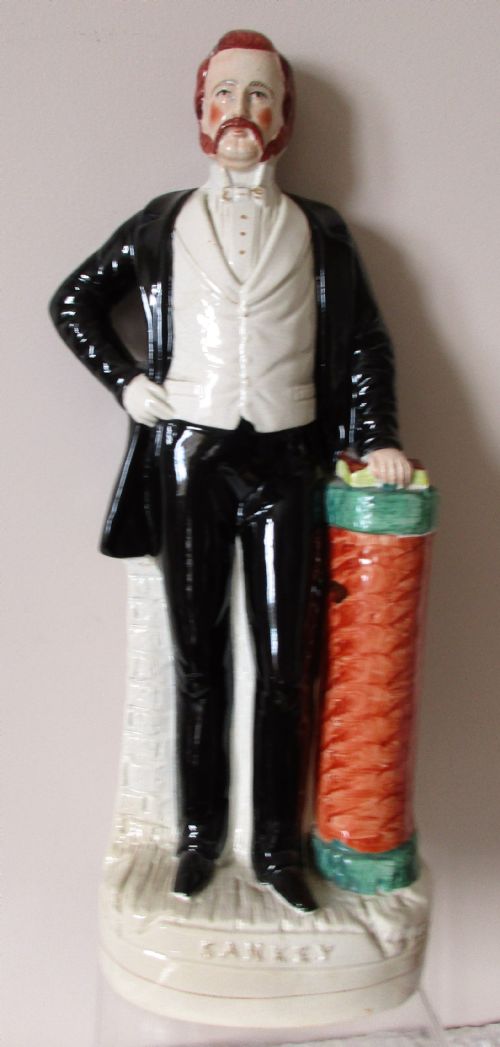
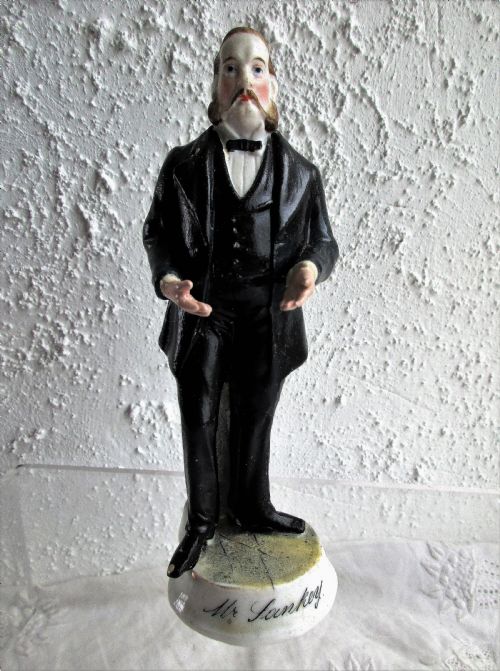


Antique Religious Figurine
These antique religious figurine examples span cultures and centuries, bringing tangible devotion and fine sculptural craft straight into your home.
Identifying your antique religious figurine
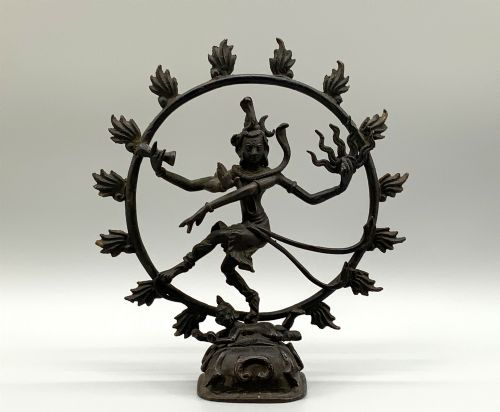
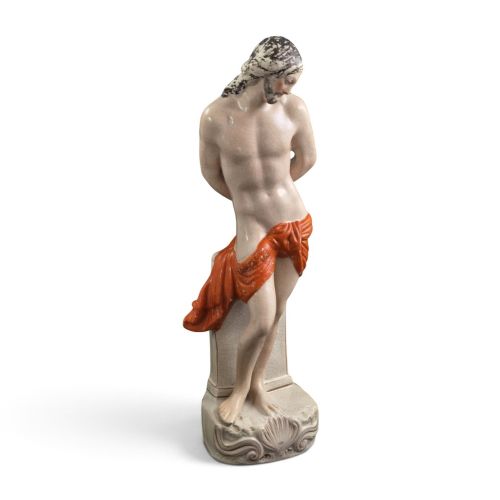
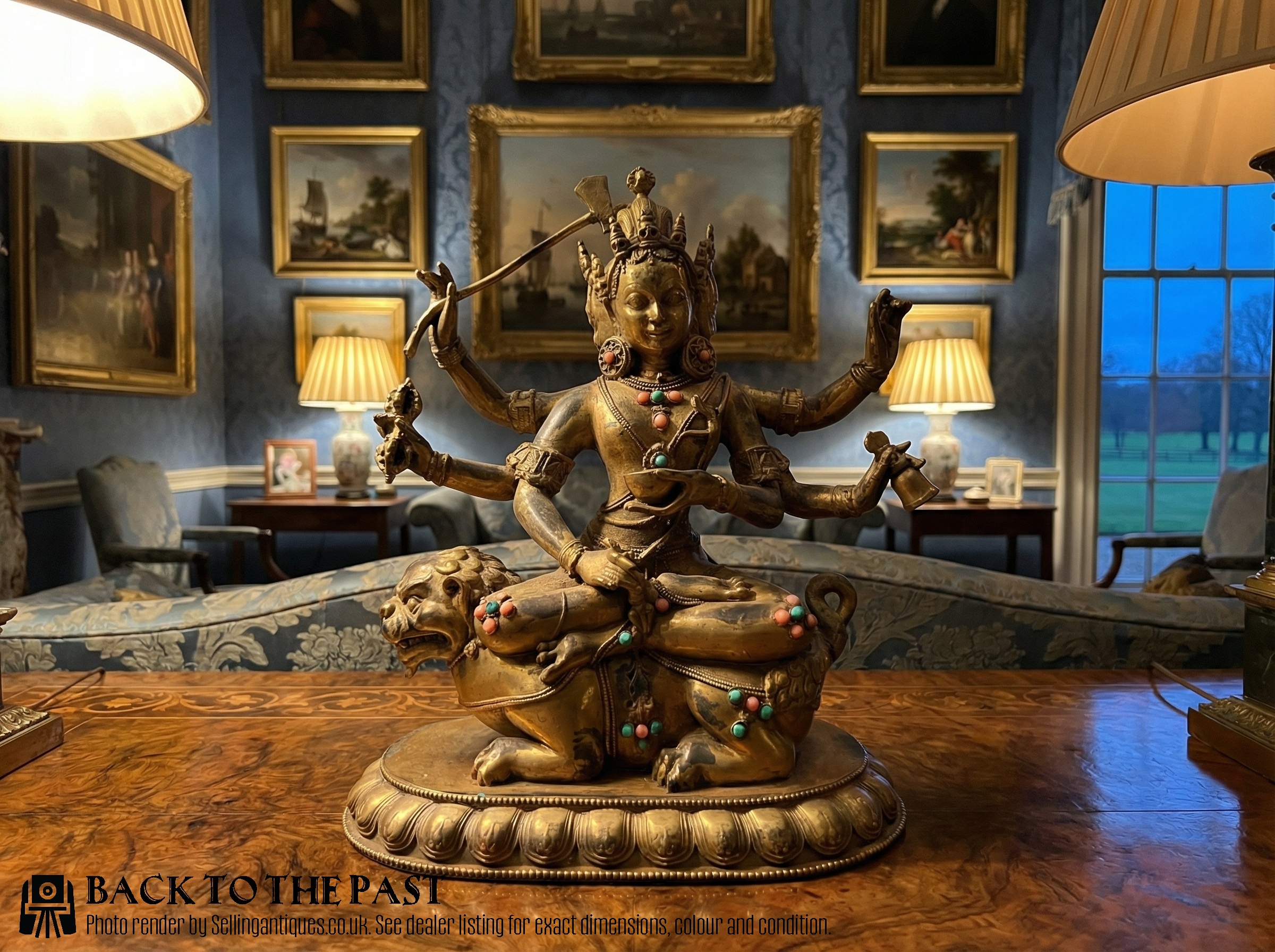
An antique religious figurine covers diverse devotional representations across global traditions, taking the form of sculptures, candlesticks, and statues. When you search for an antique religious figurine, you encounter pieces that range from European Christian subjects to Eastern spiritual deities.
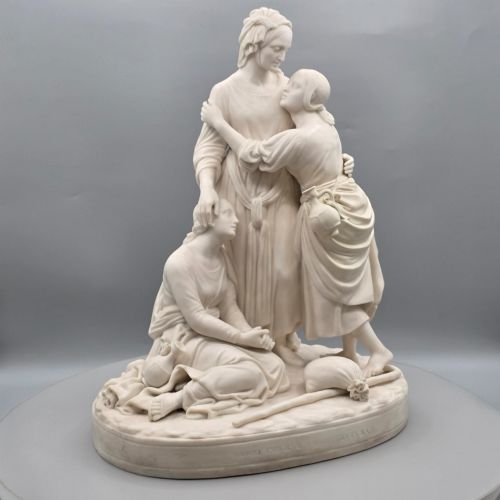
The selections on this page bridge domestic spaces and sacred contexts, embodying centuries of sculptural artistry. You are most likely to meet Victorian Parian ware or Dutch earthenware among these offerings.
Makers adapted theological subjects into domestic decorative objects, creating figures intended for personal contemplation or interior display. Each piece carries the distinct stylistic markers of its origin, whether European ecclesiastical or Sino-Tibetan.
Materials and construction methods
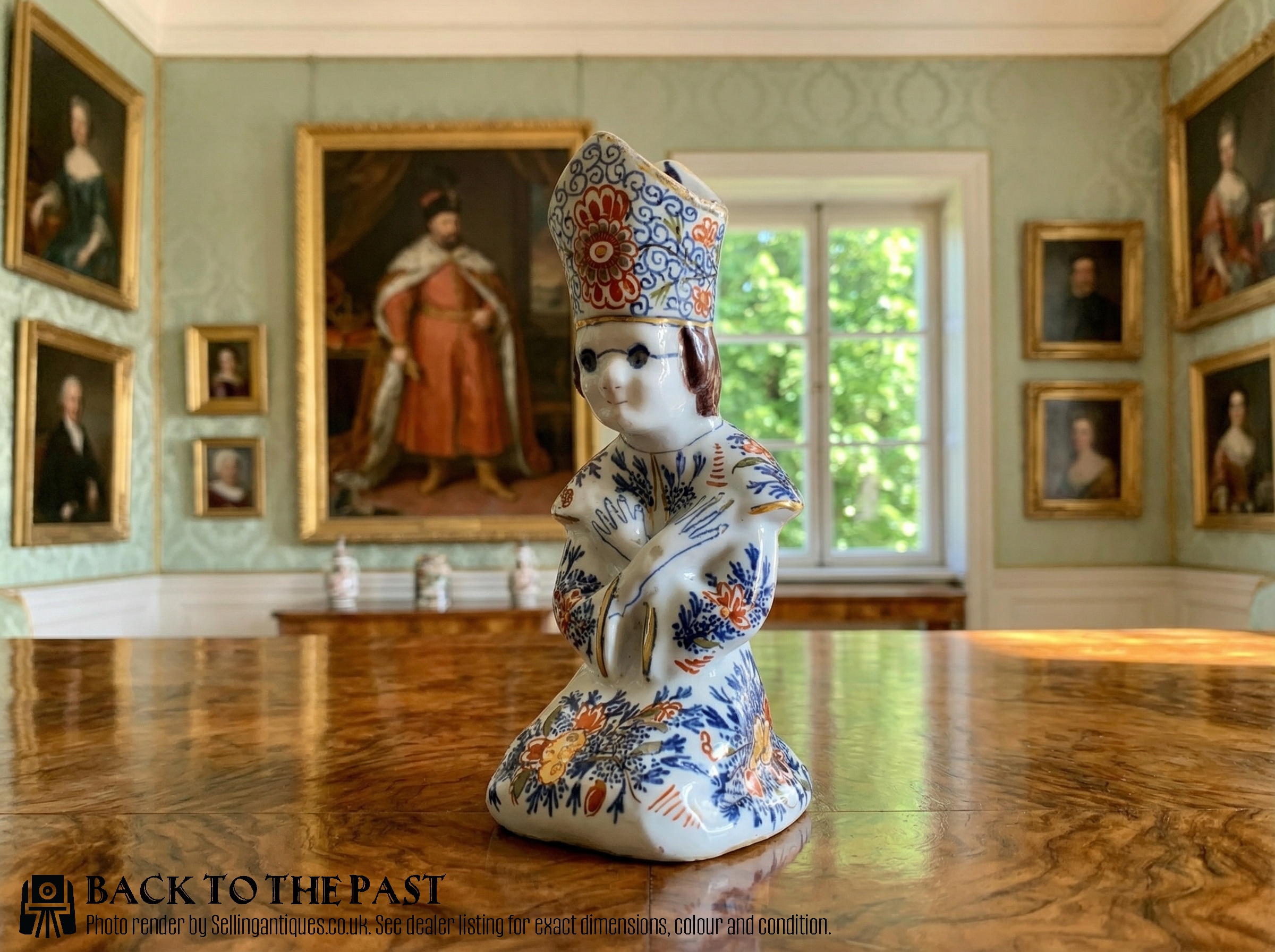
Makers utilised ceramic, porcelain, and Parian ware to model delicate figural groups, often capturing fine drapery and facial expressions in the clay body. Tin-glazed earthenware provided a smooth surface for hand-painted polychrome decoration in earlier European workshops.
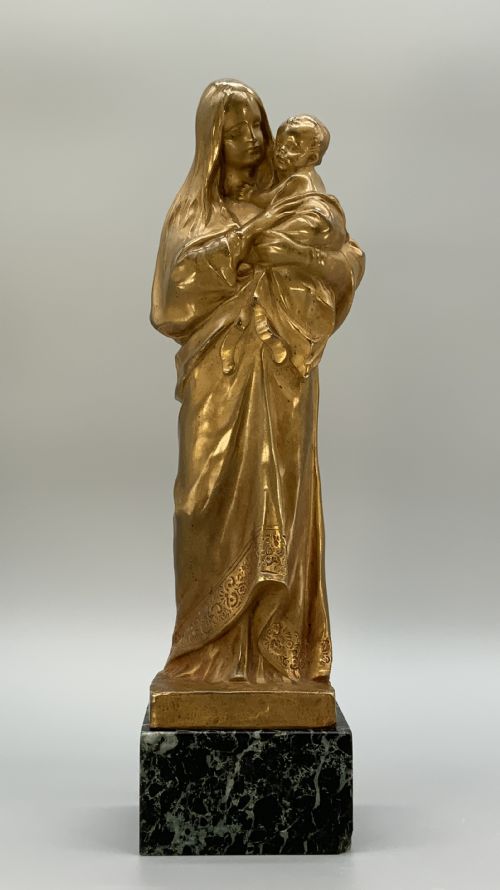
Metalworkers cast figures in gilt bronze, incorporating inlaid turquoise and coral to add colour and sacred significance to esoteric Buddhist deities. Terracotta allowed sculptors to model larger figures directly before firing, leaving a robust and tactile finish.
Retail Price Guide 2026
Typical UK retail prices for religious figurine, calculated from the Sellingantiques database of over a million retail prices indexed since 2003. This retail price guide relies exclusively on Sellingantiques data; no external sources or auction records are used, so the figures do not describe the wider market.
Current listings feature pieces spanning the eighteenth, nineteenth, and early twentieth centuries, constructed from ceramic, terracotta, and gilt bronze.
Assessing quality and execution
Polychrome decoration and gilding reveal the hand of the artist, where careful brushwork and rich metal application elevate a utilitarian candlestick into a compelling sculpture. The depth of the casting in bronze or the purity of the Parian body signals the standing of the original workshop.
The Antique Religious Figurine Glossary
- Parian Ware
- A fine biscuit porcelain developed in the nineteenth century to imitate marble, frequently used for sculptural groups and figures. It fires to a smooth, matte finish that accentuates neoclassical and Victorian contours.
- Tin-Glazed Earthenware
- Pottery coated with a glaze containing tin oxide, turning white and opaque upon firing. This surface serves as a ground for painted pigments, characteristic of Delft production.
- Gilt Bronze
- Metal sculpture cast in bronze and treated with a layer of gold leaf or gold amalgam. This technique protects the metal while providing a luminous, sacred presence to ritual objects.
- Polychrome
- Decoration executed in multiple colours, often applied by hand over a glaze or priming layer. It brings animation and realism to figural ceramics.
- Ecclesiastical
- Pertaining to the Christian church and its formal liturgy or architecture. Objects bearing this label were generally made for worship spaces or private clergy.
Frequently Asked Questions
What materials are used for an antique religious figurine?
Makers employed a wide variety of substances depending on the region of origin and the period of production. You will find pieces shaped from ceramics, terracotta, and Parian ware, alongside metalwork cast in gilt bronze.
Some objects incorporate decorative additions such as coral and turquoise. Each material dictates the weight, texture, and visual impact of the sculpture.
How do I date an antique religious figurine?
Dating relies on stylistic clues, manufacturing techniques, and the specific material composition of the piece. Victorian works often utilise Parian ware, while eighteenth-century items frequently feature tin-glazed earthenware and hand-painted polychrome decoration.
Examining the base and the method of casting or firing helps narrow down the period of manufacture. Comparing the subject matter to known historical periods also offers reliable chronological markers.
Where were these religious figures displayed?
These figures served multiple functions, ranging from private devotion in domestic interiors to ritual use in temples and churches. Candlestick figures combined practical lighting with devotional imagery for household altars.
Larger terracotta statues were designed to anchor a specific space within a room or chapel. Smaller groups were kept close for contemplation.
How do I care for a ceramic religious figurine?
Ceramic and porcelain figures require gentle dusting with a soft, dry brush to prevent the accumulation of dirt in crevices. Avoid using liquid cleaners or harsh chemicals, especially on pieces with hand-painted polychrome or gilt surfaces.
Keep the sculpture away from direct sunlight and areas prone to sharp temperature fluctuations to protect the glaze and body. Stable indoor humidity ensures the long-term preservation of both earthenware and Parian pieces.