
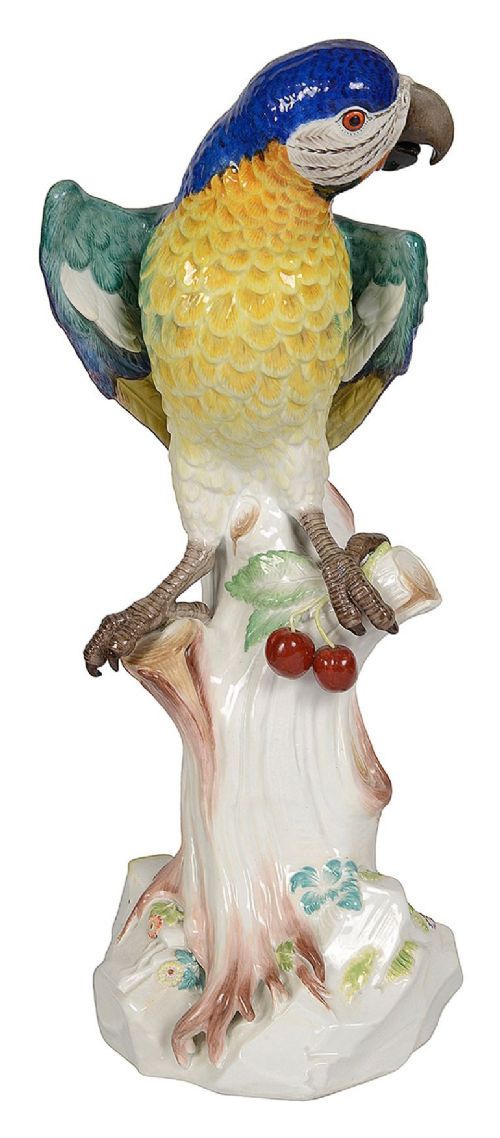
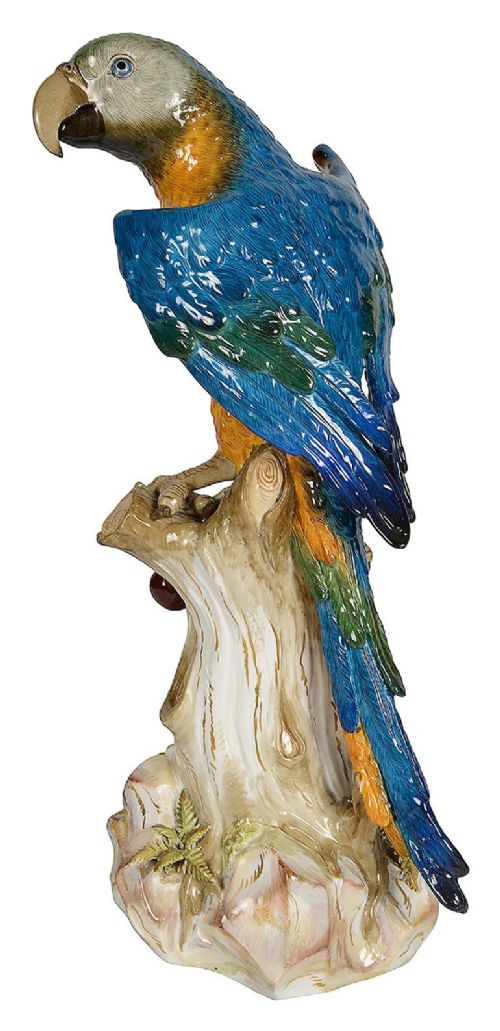

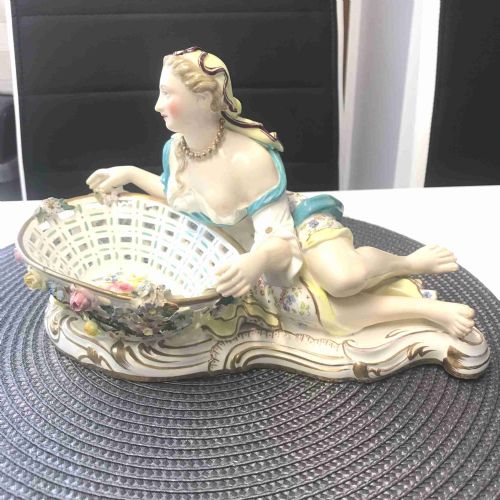


Meissen Porcelain Figurine
These meissen porcelain figurine examples bring delicate German artistry to the room, prized by collectors for their intricate modelling and hand-painted detail.
What these meissen porcelain figurine pieces are
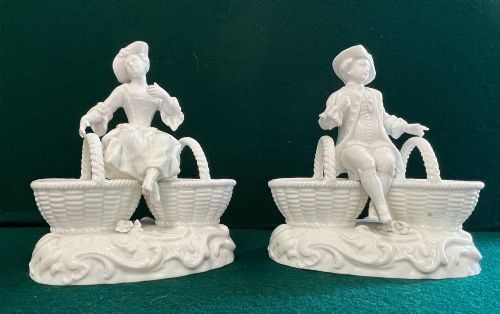
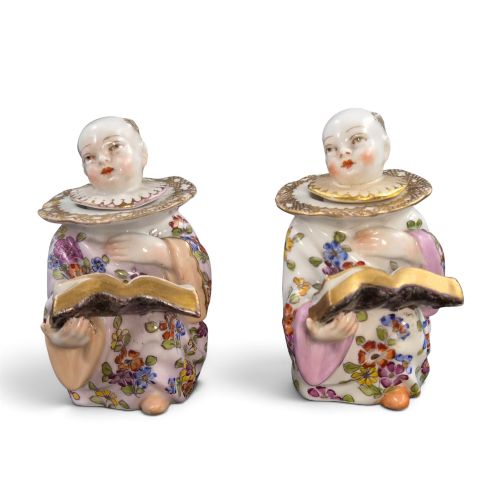
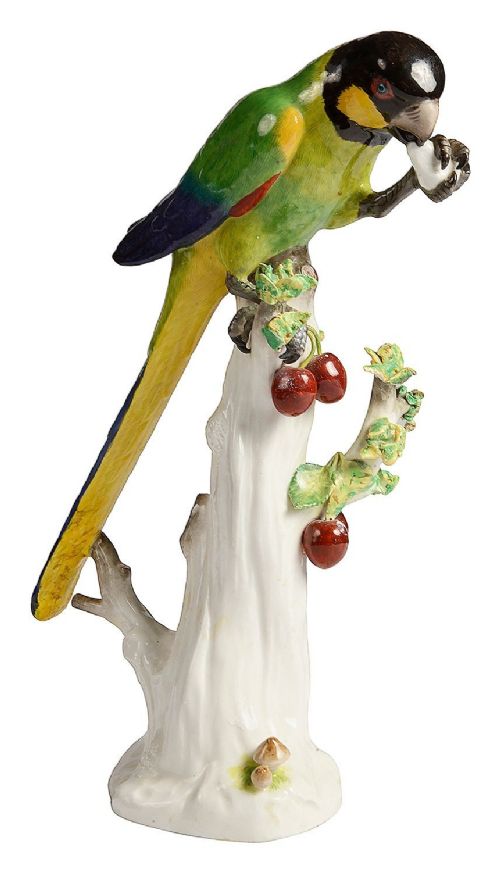
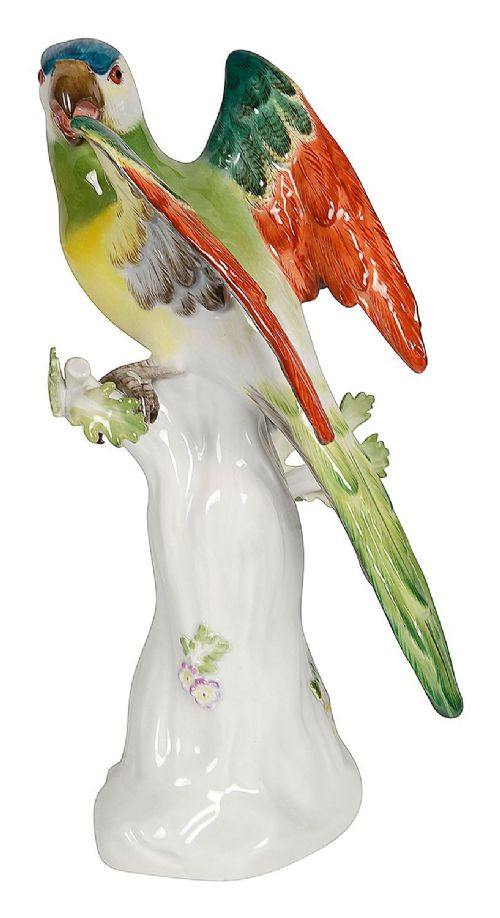
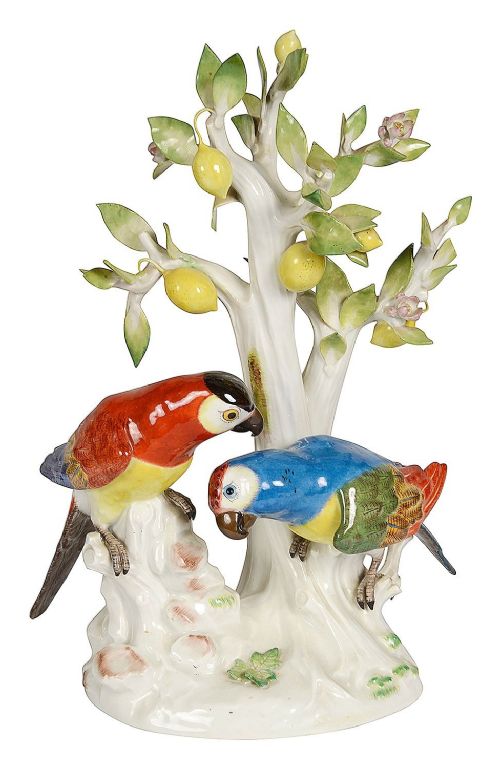
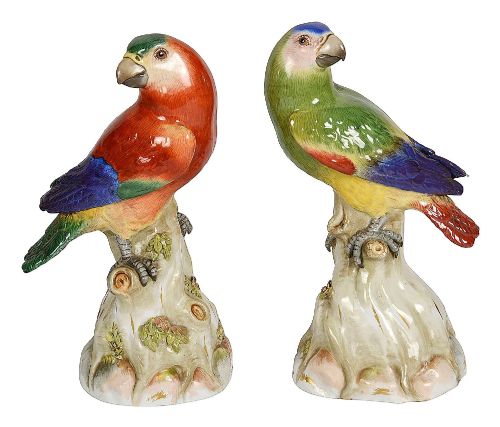
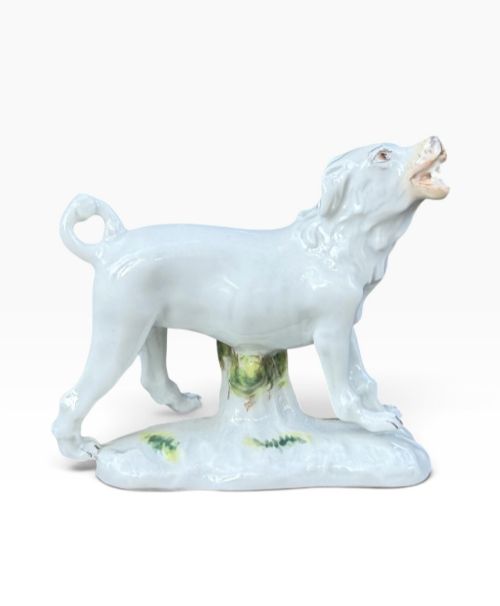
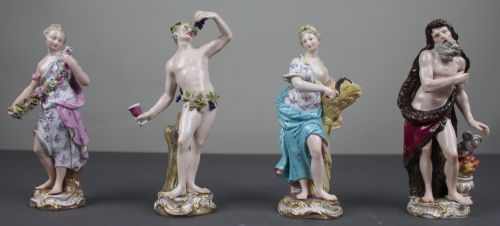
When you search for meissen porcelain figurine, you encounter sculptural works that span from the eighteenth century into the nineteenth and twentieth centuries. The selection encompasses single figures and groups depicting subjects such as courting couples, animals, and agricultural workers like grape harvesters and flower sellers.
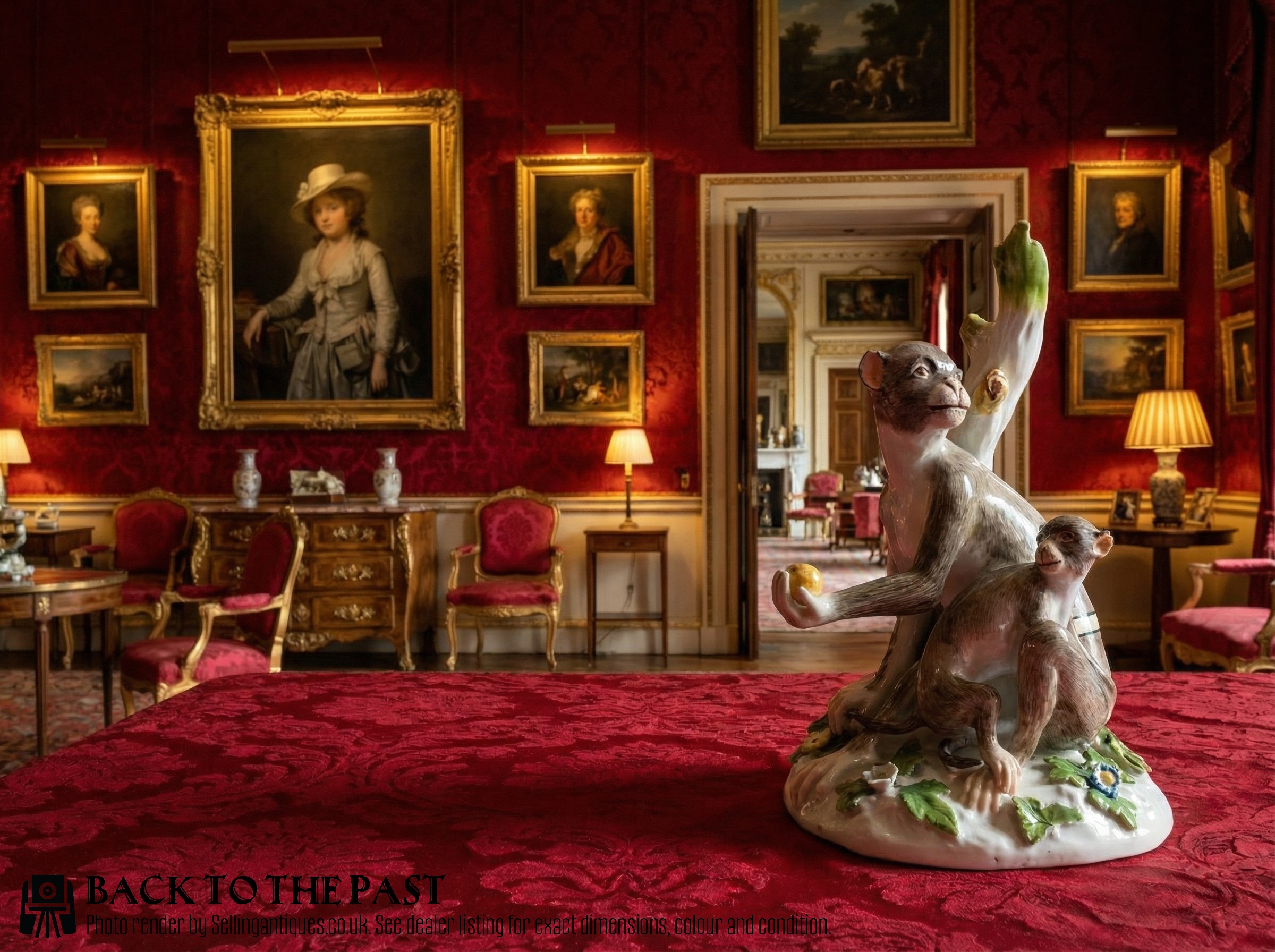
The pieces on this page draw upon the Rococo style and classical motifs, reflecting the historic output of the German manufactory. You meet figures like the Rhesus monkey and child, the horse alchemist, and duck figurines alongside human subjects.
Dating ranges from mid-eighteenth century examples to nineteenth century interpretations and twentieth century pieces. Each figure demonstrates the tradition of porcelain modelling established in Meissen.
How they were made
Gilding and enamel embellishments were added in final stages to highlight specific elements such as garments, bases, and decorative trim. These techniques required skilled brushwork and precise firing control to ensure the metallic and ceramic colours adhered permanently to the porcelain.
Monkeys and alchemists occasionally share shelf space with polite nineteenth century courting couples.
What varies in quality
Quality rests in the crispness of the modelling and the sensitivity of the hand-painted enamels. Finer examples display meticulous attention to facial expressions, drapery folds, and the delicate rendering of flora and fauna.
The application of gilding and the complexity of the composition also separate standard items from superior works. Pieces featuring elaborate bases, multiple figures, or complex animal forms demonstrate a higher level of sculptural ambition.
Erich Oehme
The Meissen Porcelain Figurine Glossary
- Hard-paste porcelain
- A dense, vitrified ceramic material composed of kaolin and petuntse, fired at high temperatures. It provides a durable base for detailed sculptural figures.
- Enamel paint
- Vitreous pigments applied to the surface of fired porcelain and fixed through subsequent low-temperature firings. This allows for a rich palette of colours on the finished piece.
- Gilding
- The application of gold leaf or powdered gold to ceramic surfaces for decorative emphasis. It is often used to highlight borders, clothing details, and Rococo scrollwork.
- Rococo
- An ornate artistic style characterised by asymmetry, scrollwork, and naturalistic motifs. This aesthetic heavily influenced the dynamic forms of eighteenth-century figures.
Frequently Asked Questions
What is a meissen porcelain figurine?
A meissen porcelain figurine is a sculptural ceramic piece produced by the historic German manufactory, known for detailed modelling and hand-painted enamel decoration. These works range from mythological and classical subjects to everyday figures and animals.
Collectors value them for their historical significance and the technical skill required to produce durable, expressive porcelain art.
How are different periods told apart?
Periods are distinguished by stylistic shifts, modelling techniques, and the type of porcelain body used. Eighteenth-century pieces often reflect classic Rococo sensibilities, while later nineteenth and twentieth-century examples introduce different sculptural interpretations.
Examining the paint application and base construction also helps indicate the likely era of manufacture.
How were these figures used originally?
These figures served primarily as decorative table centerpieces and ornamental displays for wealthy interiors. They demonstrated the status and refined taste of the owner during formal dining and social gatherings.
Over time, they transitioned into cabinet pieces collected specifically for their artistic merit and historical importance.
How do I care for my figurine?
Care involves gentle dusting with a soft, dry brush to remove particles without disturbing delicate enamel or gilt details. Avoid using liquid cleaners or abrasive cloths, which can damage the painted surfaces.
Display the pieces away from direct sunlight and areas subject to sudden temperature changes to protect the ceramic body.