





18th Century Meissen
These delicate European figures and vessels embody 18th century meissen, offering collectors hard-paste porcelain masterworks shaped by centuries of firing tradition.
18th Century Meissen
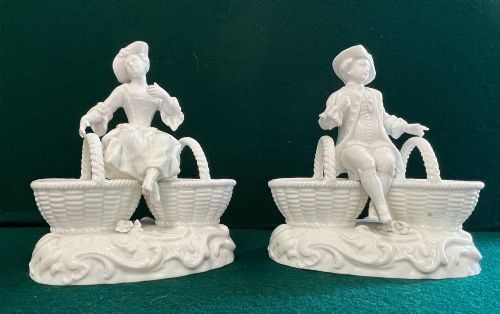
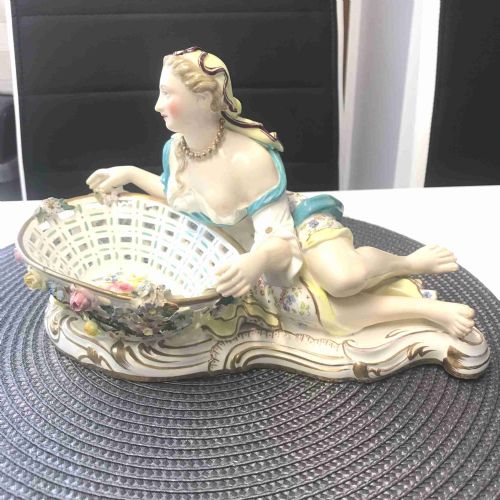
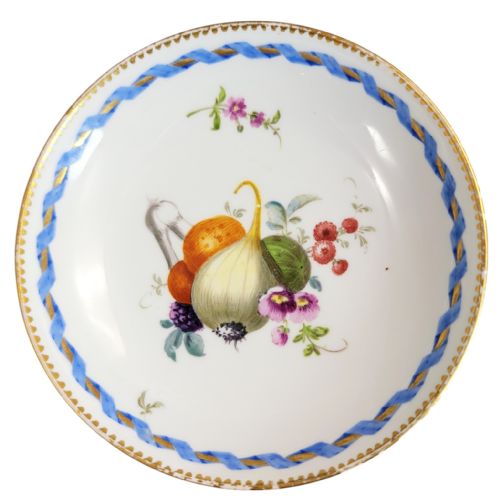
Collectors seeking 18th century meissen examine a diverse array of hard-paste porcelain objects, ranging from intricate figurative groups and sweetmeat dishes to practical milk jugs and tea bowls. The material record includes sculptural depictions of street traders, gardeners, and musicians, alongside functional tablewares adorned with hand-painted scenes.
The objects span multiple periods, with many originating directly in the 1700s, whilst later 19th-century revivals also appear in the listings. Buyers regularly encounter figures mounted in gilt-metal or ormolu candelabra, demonstrating how these porcelain components integrated into broader decorative schemes.
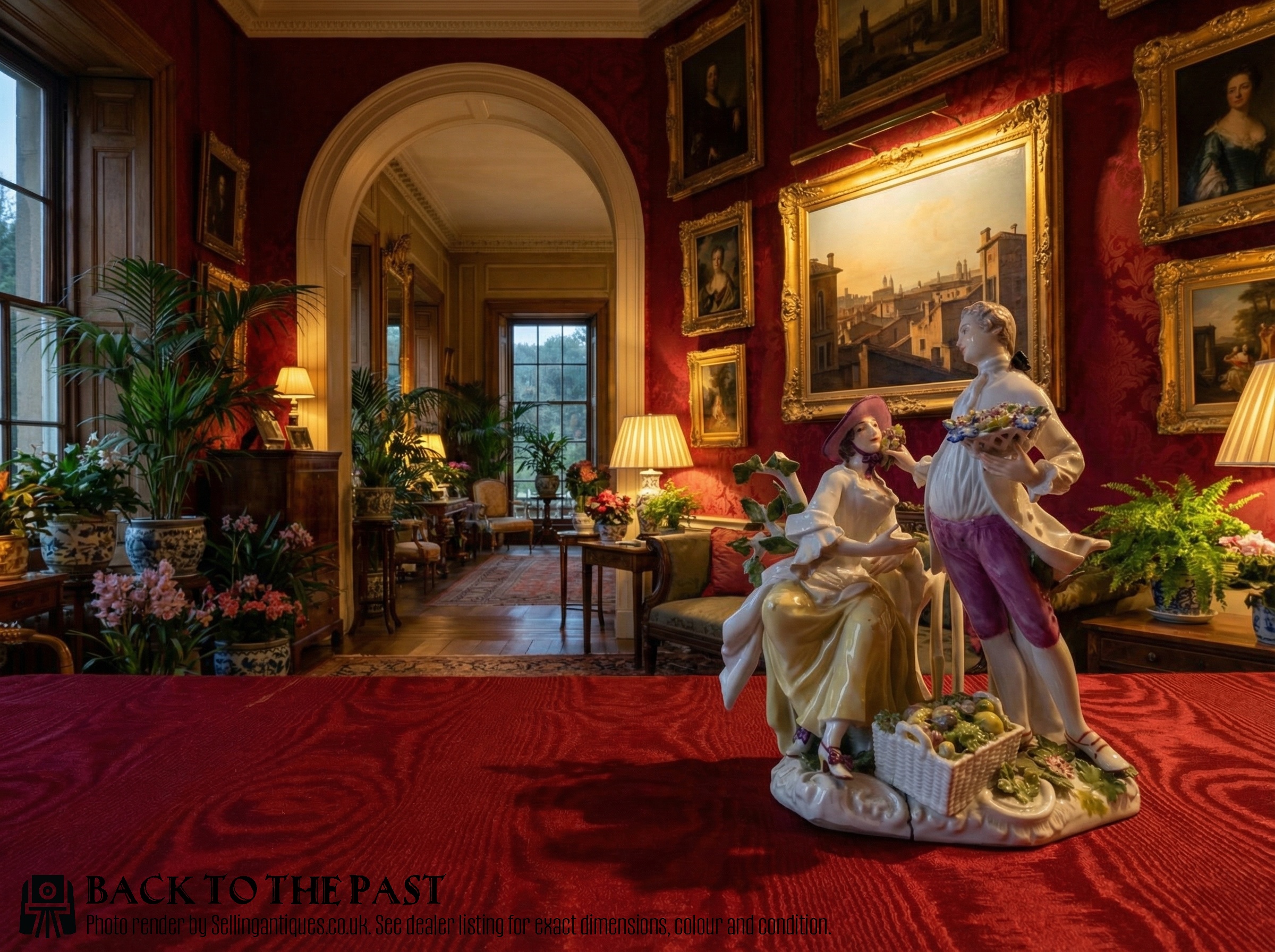
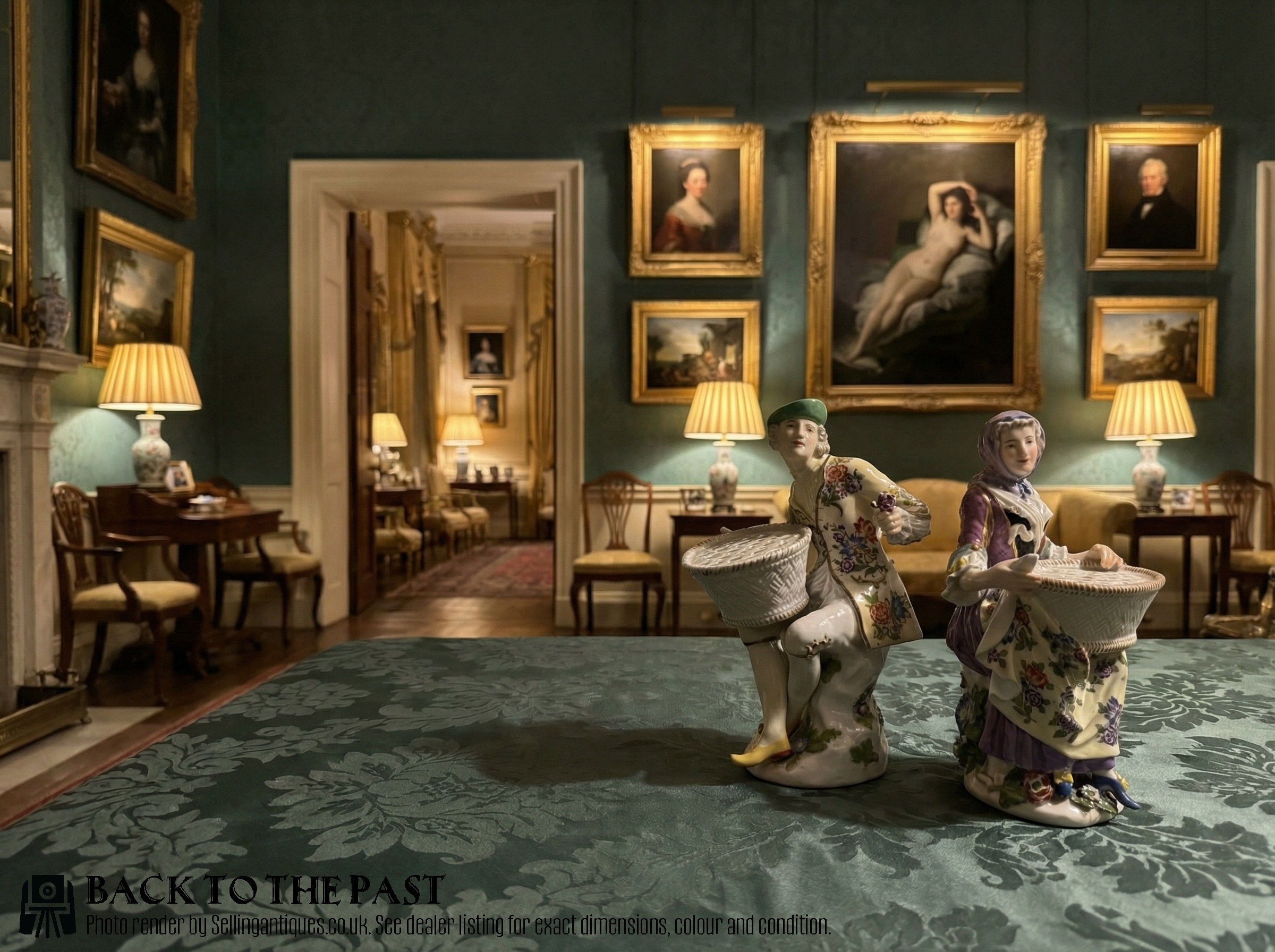
Figurative works dominate the selection, showing characters from daily life, classical mythology, and the natural world, such as monkeys and cherubs. Alongside these sculptures, domestic vessels like sugar bowls, saucers, and gravy boats represent the utilitarian output of the manufactory.
What Varies in Quality
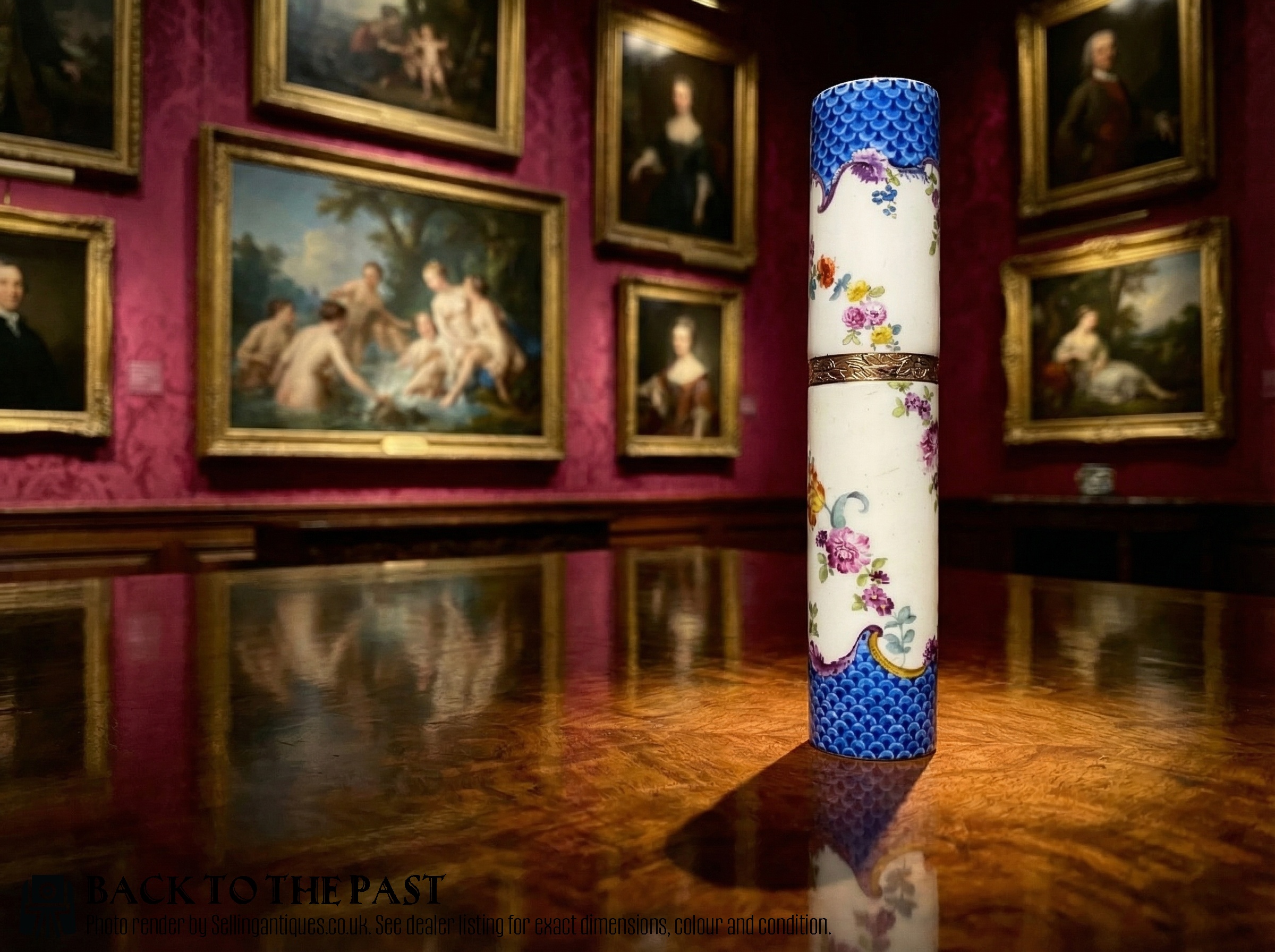
The standard of 18th century meissen depends significantly on the precision of the hand-painted enamel work and the crispness of the porcelain modelling. Superior examples display finely rendered facial expressions on figures and meticulously detailed botanical or harbour scenes on domestic vessels.
The integration of secondary materials also influences the piece, particularly where gilt-metal mounts or ormolu frames align harmoniously with the ceramic body. Pieces produced under specific directorships or marked with period-specific symbols carry distinct technical refinements that separate them from later revival items.
18th Century Meissen Retail Price Guide 2026
Typical asking prices for 18th century meissen among the pieces listed under this phrase on Sellingantiques today, from the lower quarter to the upper quarter. They describe what is for sale here now, not the wider market.
A monkey holds a child in one porcelain group, proving that domestic chaos amused collectors centuries ago.
Johann Joachim Kändler
The 18th Century Meissen Glossary
- Hard-paste porcelain
- A durable ceramic body composed of kaolin and petuntse, fired at high temperatures to create a dense, white vitrified material. This composition formed the foundation for European porcelain manufacturing.
- Enamel
- A glassy substance fused to the ceramic surface through firing to provide permanent polychrome decoration. Painters applied these mineral colours by hand before secondary low-temperature kilning.
- Ormolu
- Finely ground high-carat gold applied to a bronze base, creating a rich metallic mount for porcelain figures and vessels. This technique was common in luxury decorative arts.
- Sweetmeat dish
- A specialised bowl or serving vessel designed for holding confections, nuts, or small sweet delicacies during formal dining. These pieces often took whimsical or figural forms.
- Kakiemon
- A Japanese enamel painting style featuring asymmetrical floral and animal motifs, widely copied by European porcelain factories. This aesthetic influenced early decorative patterns.
18th Century Meissen: Frequently Asked Questions
What is 18th century meissen?
It refers to ceramic art produced at the European hard-paste porcelain manufactory during the seventeen-hundreds. The works encompass both decorative sculptures and functional tableware.
Items range from elaborate figural groups depicting human characters and animals to domestic vessels like tea bowls and milk jugs.
How were figures used originally?
Sculptural figures and sweetmeat dishes served as decorative centrepieces on dining tables during formal meals. They provided visual conversation pieces for wealthy households.
Many sculptural groups also functioned as mantel ornaments or cabinet displays within grand interiors, reflecting contemporary fashion.
How do I identify periods?
Dating relies on examining the painting style, form, and any factory marks present on the ceramic base. Specific periods like the Marcolini era introduce distinct stylistic borders and colour palettes.
Comparing the modelling depth and the application of gilding helps distinguish pieces made in the seventeen-hundreds from later nineteenth-century revivals.
How should I display them?
These delicate porcelain objects require stable placement away from high-traffic areas and direct sunlight to protect the hand-painted enamels. Vitrines or enclosed cabinets offer physical protection.
Metal mounts and gilt elements benefit from gentle dusting with soft brushes to maintain their finish without disturbing the fragile ceramic body.