





Meissen Porcelain Flower
These Meissen porcelain flower pieces bring together delicate botanical painting and modelling from centuries of European kiln work.
Meissen Porcelain Flower
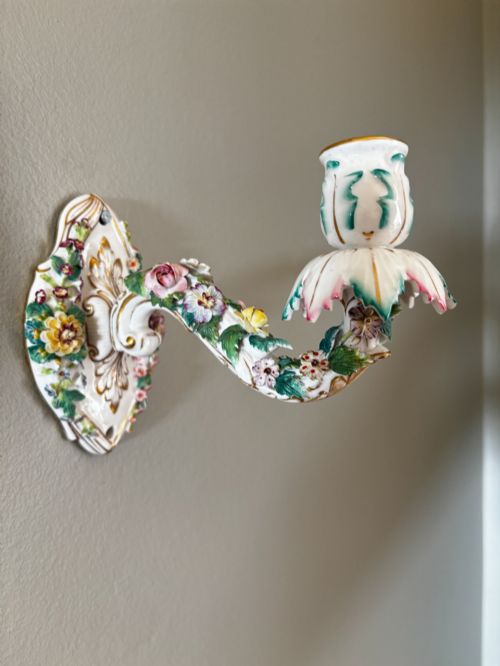
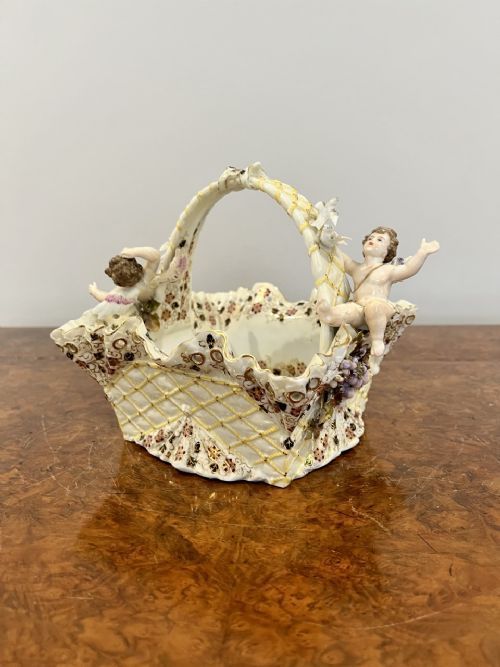
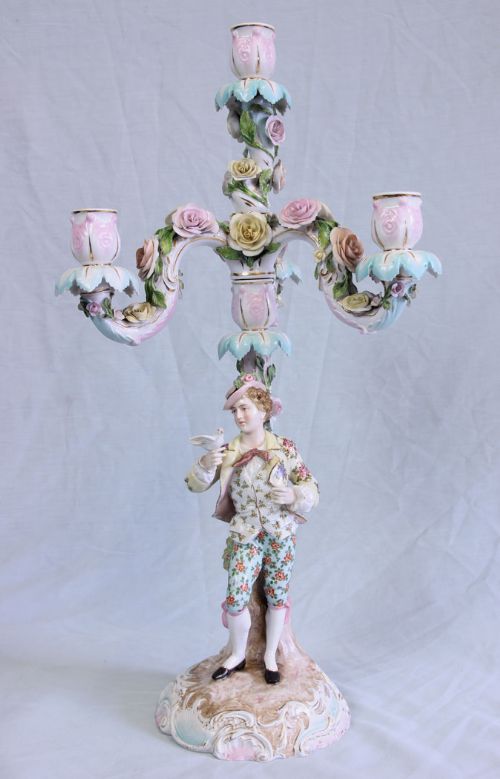
When you search for a meissen porcelain flower piece, you are looking at European ceramic history spanning from the eighteenth century through the Victorian era and into the early twentieth century. The forms range from decorative figures and figurines holding bouquets to utilitarian cups, saucers, dishes, bowls, and candelabra.
The versions you are most likely to meet on this page include nineteenth-century figurines of ladies, girls, and flower sellers, alongside bowls, plates, and centrepieces decorated with hand-painted floral motifs and gilding. These pieces reflect stylistic revivals from Rococo to Neoclassical, capturing both naturalistic botanical studies and ornate decorative settings.
How they were made
Makers utilised hard-paste porcelain and ceramic bodies, shaping them into elaborate figurines, baskets, and vessels that could withstand high kiln temperatures. Enamel colours and gold leaf or gilding were then applied by hand to define the petals, foliage, and decorative borders.
Techniques combined meticulous moulding with freehand painting, particularly evident in Dresden flowers and hand-painted bird or insect motifs. Artisans also incorporated metal mounts such as ormolu on candelabra, uniting ceramic sculpture with functional metalwork.
Meissen Porcelain Flower Retail Price Guide 2026
Typical asking prices for meissen porcelain flower among the pieces listed under this phrase on Sellingantiques today, from the lower quarter to the upper quarter. They describe what is for sale here now, not the wider market.
Some nineteenth-century makers even sculpted walking stick handles into porcelain flower arrangements, proving that botanical enthusiasm could literally be carried.
What varies in quality
Quality rests upon the precision of the modelling and the fineness of the hand painting, where crisp petal edges and detailed botanical rendering separate superior work from simpler output. The depth of the enamel palette and the application of gold leaf or gilding contribute significantly to the visual weight of a piece.
The artistic ambition of the form itself dictates the upper tier of the range, distinguishing standard decorative plates from complex figural groups, centrepieces, and wall sconces. Earlier eighteenth-century examples display distinct potting characteristics compared to later nineteenth-century revival interpretations.
The Meissen Porcelain Flower Glossary
- Hard-paste porcelain
- A dense, vitreous ceramic material fired at high temperatures, composed of kaolin and petuntse. It provides the durable white body characteristic of fine European figures and vessels.
- Enamel
- Vitreous coloured glass fused to the ceramic surface during firing. It creates the vibrant hues seen in hand-painted floral decoration and botanical studies.
- Gilding
- The application of gold leaf or powdered gold to ceramic surfaces. It highlights rims, handles, and sculptural details.
- Rococo Revival
- A nineteenth-century design movement imitating the ornate, asymmetrical curves and shell motifs of the mid-eighteenth century. This style heavily influences many nineteenth-century figures and bowls.
- Bouquetiere
- A vessel or figural mount specifically designed to hold a bouquet of flowers. These items showcase the integration of ceramics with botanical display.
Meissen Porcelain Flower: Frequently Asked Questions
How do I date a piece?
Dating relies on stylistic clues, form types, and painting execution, moving from eighteenth-century Rococo pieces to nineteenth-century Victorian revivals and early twentieth-century items.
Comparing the complexity of the modelling and the specific floral painting styles helps place the object within its correct period.
Were these figures meant for display?
Most figural groups, baskets, and candelabra served as decorative ornaments for aristocratic and bourgeois interiors. They sat on mantelpieces, tables, and in cabinets to signal taste and wealth.
Utilitarian items like cups, saucers, and bowls combined decorative painting with functional dining use.
What are Dresden flowers?
Dresden flowers refer to a specific style of botanical painting and applied porcelain floral decoration associated with the region's ceramic tradition.
They appear as detailed hand-painted sprays on plates, cups, and bowls, or as three-dimensional modelled blossoms.
How should I clean porcelain flowers?
Careful dusting with a soft brush is the safest method for delicate three-dimensional porcelain petals and leaves. Moisture can trap dust in crevices or risk damaging fragile painted enamel and gilding.
Avoid harsh cleaning agents and immersion in water, particularly on pieces with metal mounts.