


Antique Ceramic Plant
These heavy vessels and stands carry greenery indoors, bringing character and structure to a room through time-honoured shapes.
Antique Ceramic Plant
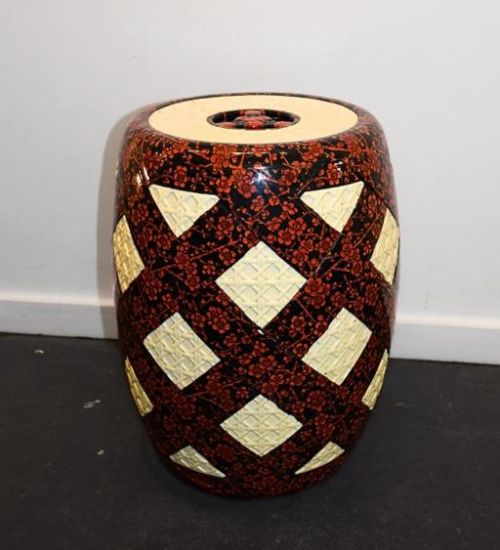
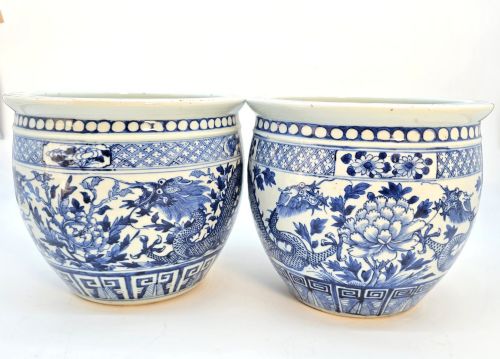
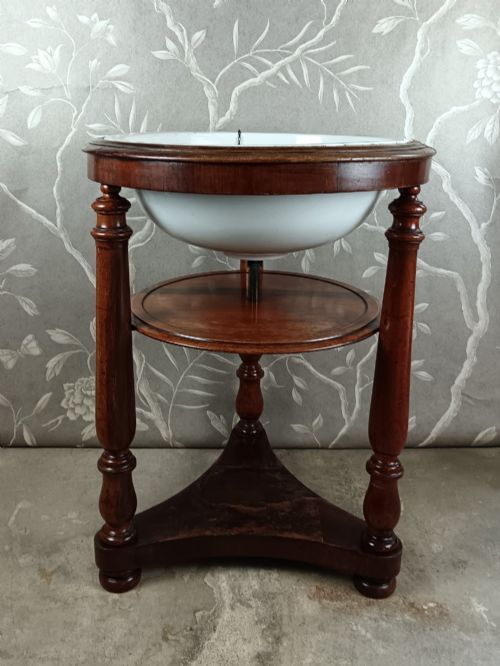
An antique ceramic plant piece encompasses jardinieres, cachepots, garden seats, and dedicated stands spanning the eighteenth to the early twentieth century. Buyers encounter glazed earthenware, stoneware, and porcelain vessels designed to house indoor flora or elevate botanical displays within the home.
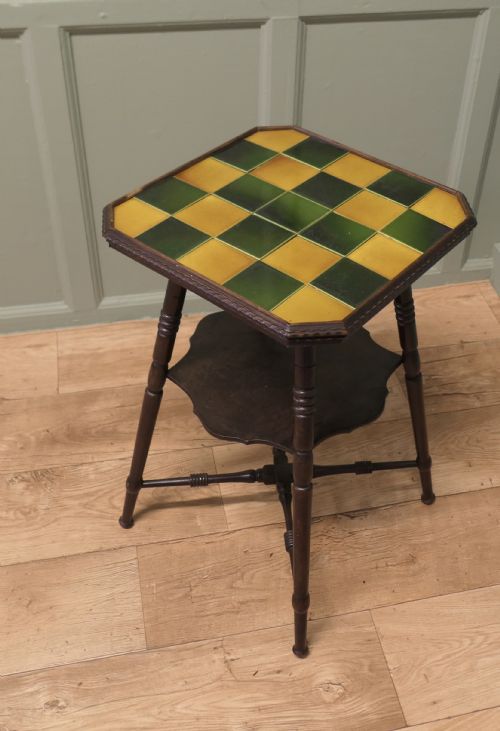
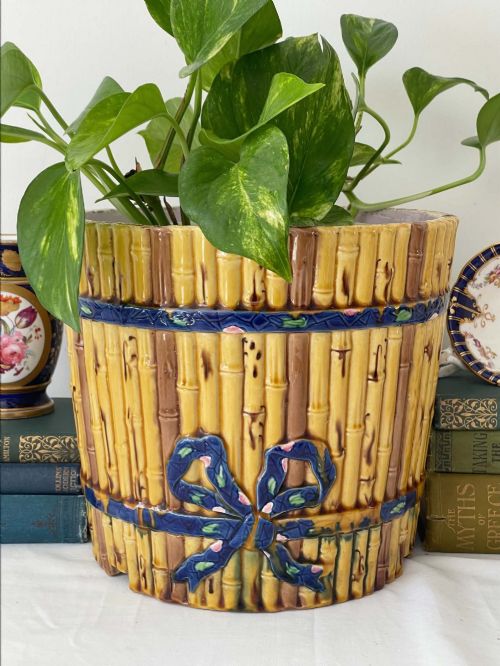
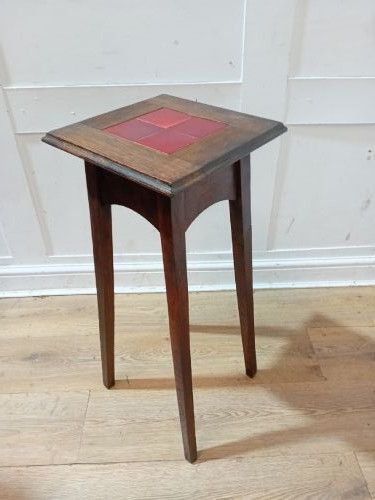
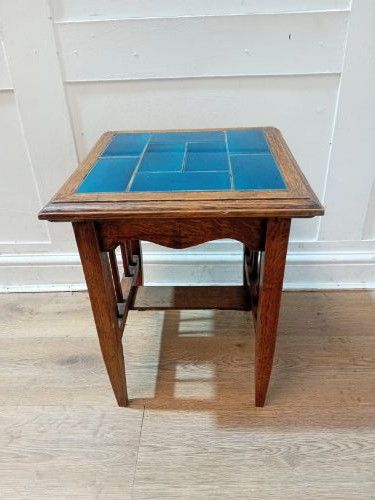
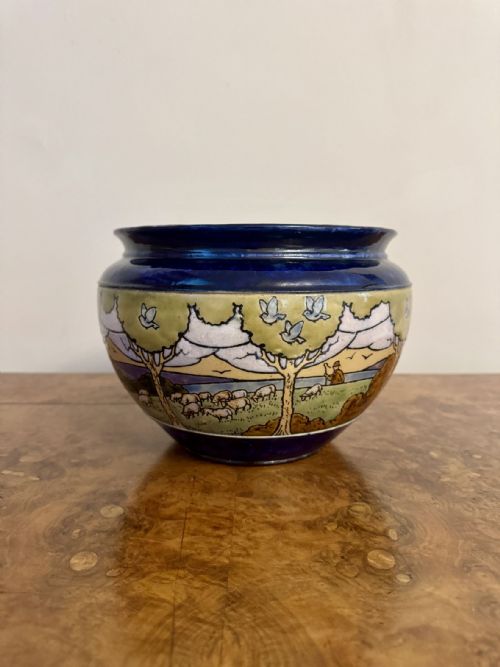
Makers from the Arts and Crafts and Art Nouveau movements also figure strongly, often pairing glazed tiles with oak furniture or modelling naturalistic bamboo and leaf motifs. Such pieces bridge the gap between functional horticulture and interior decorative arts.
Materials and Manufacture
Potters relied on earthenware, stoneware, and porcelain bodies, shaping them on wheels or casting them in moulds before applying lead, tin, or salt glazes. Majolica pieces utilised colourful opaque tin glazes over moulded relief designs, while salt-glazed stoneware achieved a textured orange-peel finish through the introduction of salt during firing.
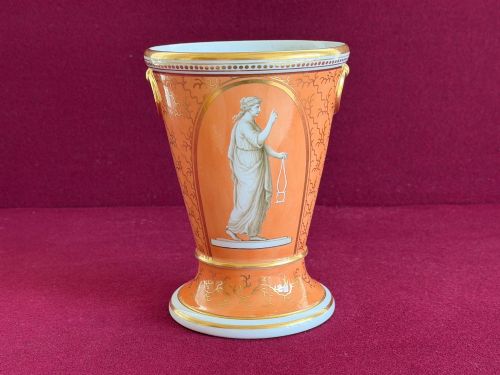
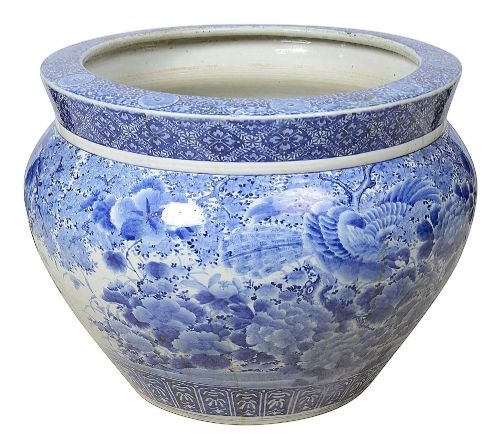
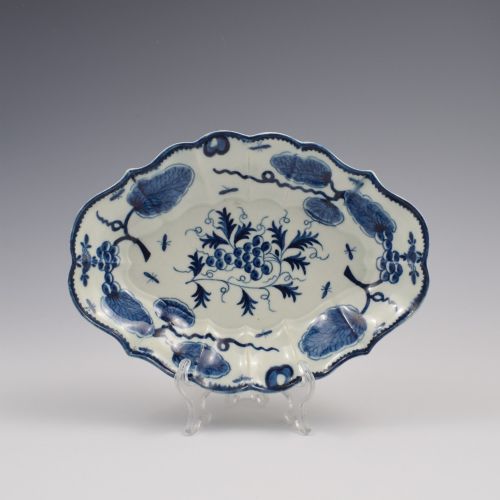
Hand-painted underglaze blue, enamel detailing, and gold leaf additions decorated finer porcelain imports and domestic wares from factories like Worcester and Derby. Later Victorian and Edwardian examples often incorporated specialised slip decoration, dribble glazes, or lustre finishes to catch the light.
Listings span periods from the eighteenth century through the 1920s, featuring earthenware, stoneware, and porcelain.
Markers of Quality
Execution of the moulded relief and the crispness of botanical or geometric motifs distinguish finer examples from standard production pieces. Potteries achieving superior glaze depth and controlled colour blending create surfaces with distinct visual weight and tactile richness.
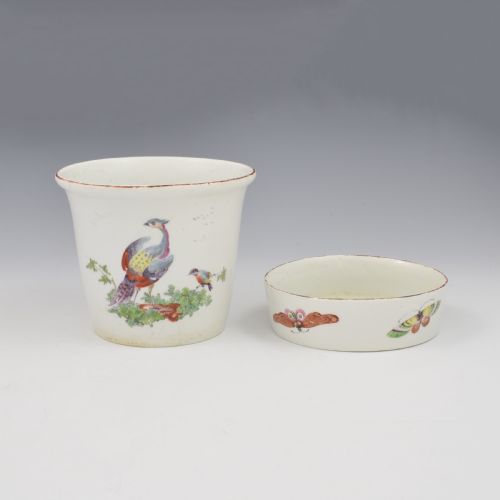
Completeness alters the standing of a piece, particularly when jardinieres retain their matching pedestals, drainage trays, or complementary stands. The clarity of factory marks, impressed stamps, and artist ciphers further separates workshop masterpieces from unmarked commercial output.
Shapland & Petter·Flight & Barr·Minton·Doulton Lambeth·Derby·Royal Doulton·William Adams & Sons·W.A. Adderley·Burmantofts·Doulton Burslem·Clement Massier
The Antique Ceramic Plant Glossary
- Jardiniere
- A large ornamental ceramic pot designed to hold a plant or flower arrangement, frequently displayed on the floor or a dedicated stand.
- Cachepot
- A decorative outer pot without drainage holes intended to conceal a plain plant pot resting inside.
- Majolica
- Low-fired earthenware covered with an opaque tin glaze and painted with brightly coloured metallic oxide pigments.
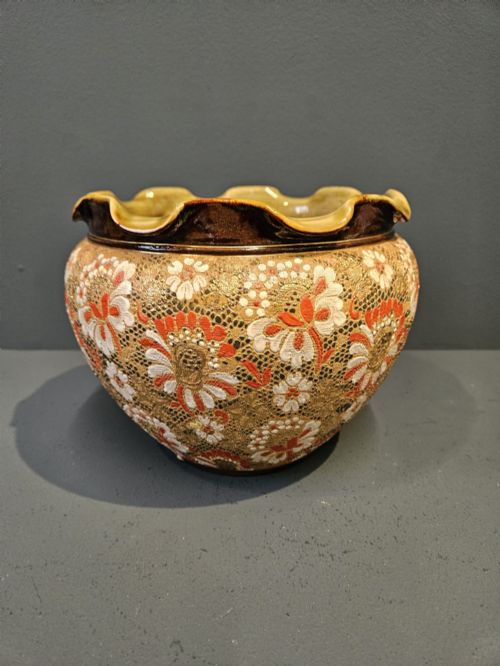
- Slaterware
- A textured Doulton ceramic technique created by pressing lace or fabric into the damp clay body before firing and glazing.
- Clobbered
- Decorated with overglaze enamel colours and gilding on top of an earlier blue and white transfer-printed porcelain design.
Antique Ceramic Plant: Frequently Asked Questions
What is the difference between a jardiniere and a cachepot?
A jardiniere typically stands as a substantial decorative vessel meant to hold soil or a large potted plant directly, often paired with a matching column or pedestal.
A cachepot functions strictly as an indoor sleeve to hide a utilitarian plant pot, lacking any drainage hole at the base.
How do I care for an antique ceramic planter?
Protect the fragile historical glaze and porous earthenware bodies by placing a modern plastic saucer inside to catch excess water.
Avoid harsh chemical cleaners and dust the surface gently with a dry or slightly damp cloth to preserve the finish.
Can I use these antique planters outdoors?
Most historical earthenware and majolica pieces lack frost resistance and will crack if exposed to freezing winter temperatures.
Keep these delicate glazed vessels indoors in climate-controlled environments to prevent moisture penetration and structural damage.
How do I identify the period of a ceramic planter?
Examine the base for impressed factory ciphers, registration marks, and hand-painted signatures that anchor the piece to a specific decade.
Stylistic cues such as aesthetic movement asymmetry, Art Nouveau whiplash lines, or heavy Victorian majolica relief work also point toward specific manufacturing eras.