


German Porcelain Figures
German porcelain figures capture domestic life, animals and allegories through glazed and hand-painted ceramic forms.
German Porcelain Figures
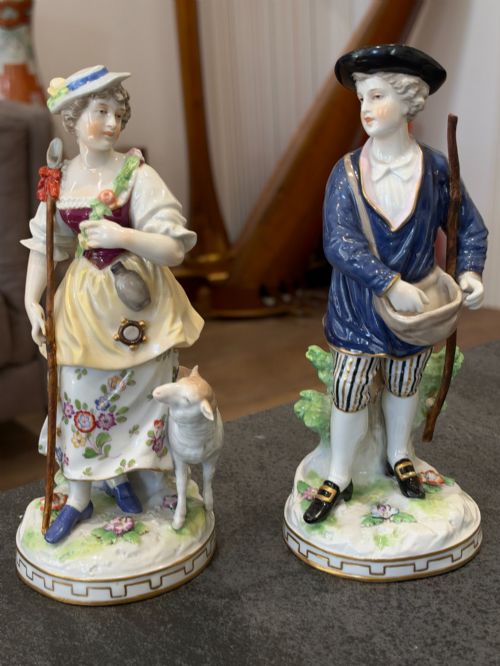
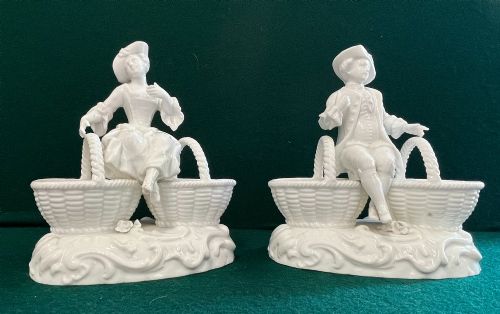
German porcelain figures span small figurines, animal studies, sweetmeat dishes and figural lamps produced from the eighteenth century into the twentieth. You will frequently encounter nineteenth-century pieces alongside works from the seventeen-fifties and the nineteen-twenties.
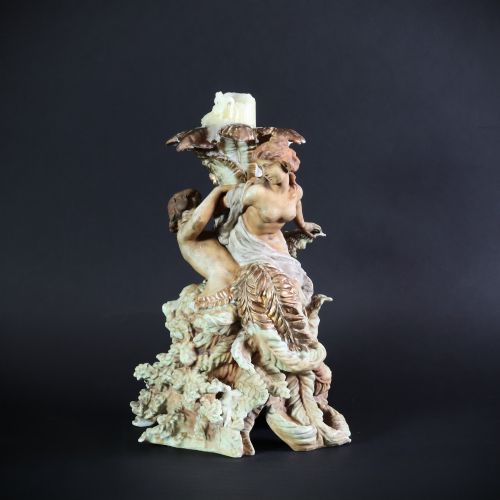
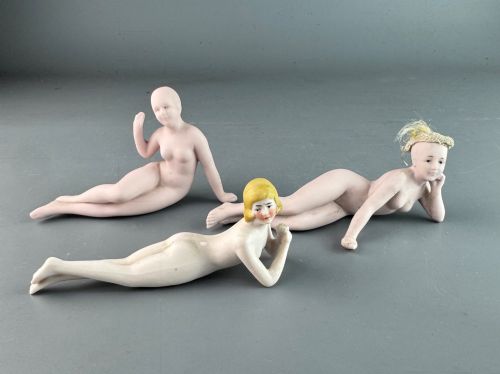
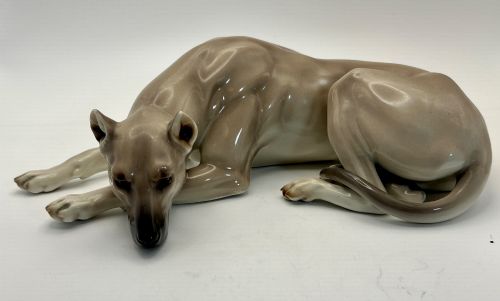
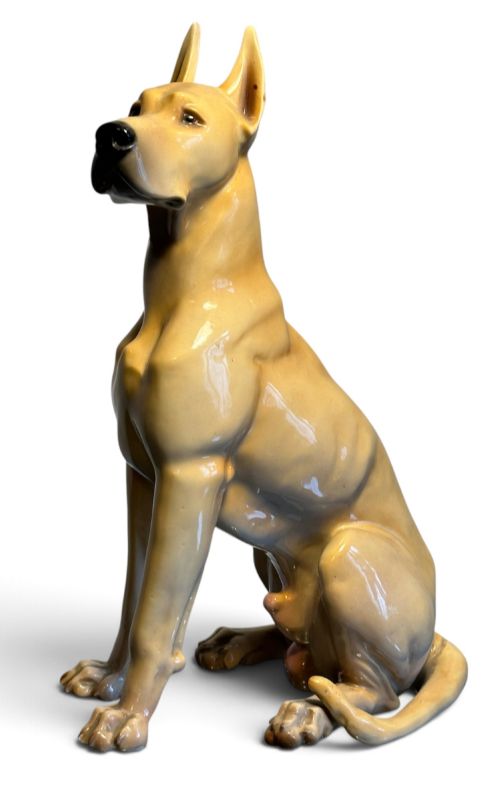
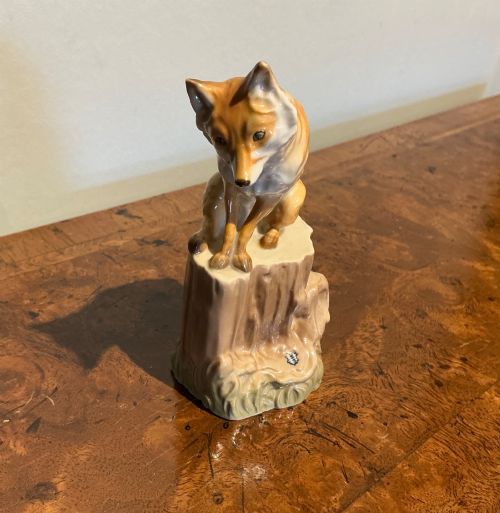
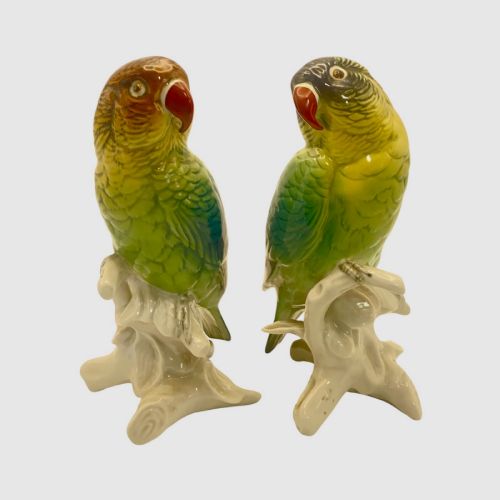
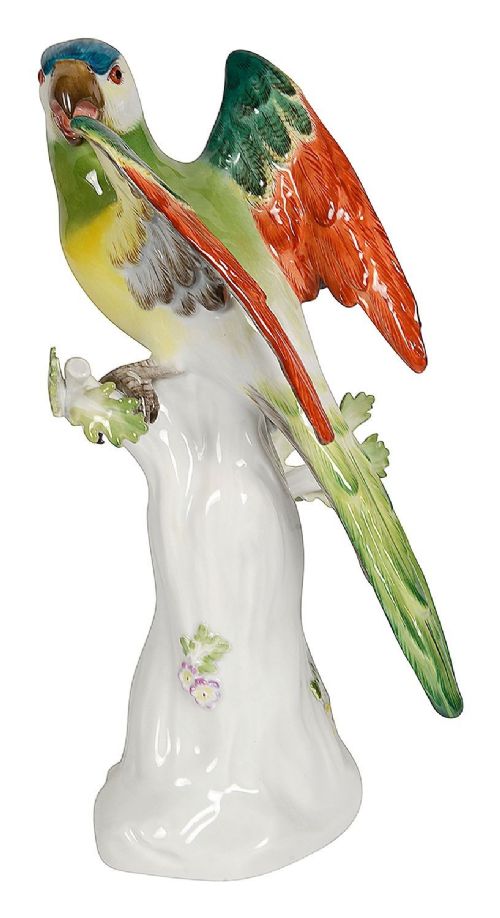
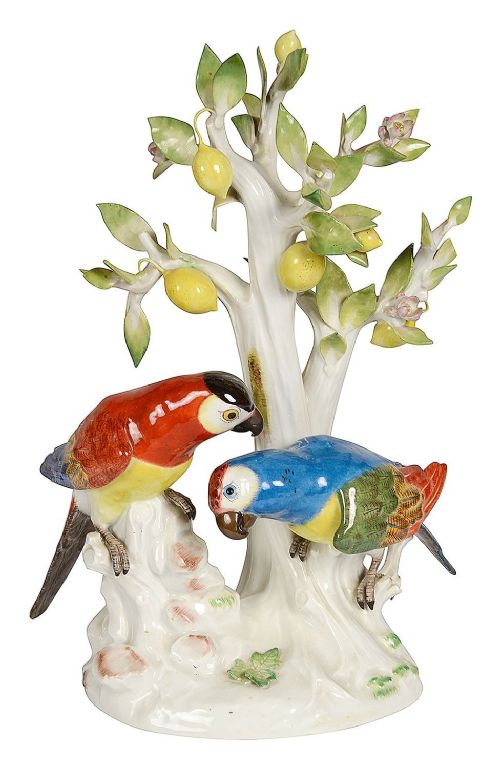
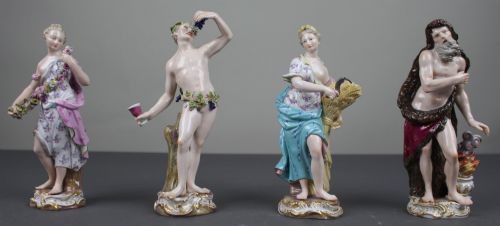
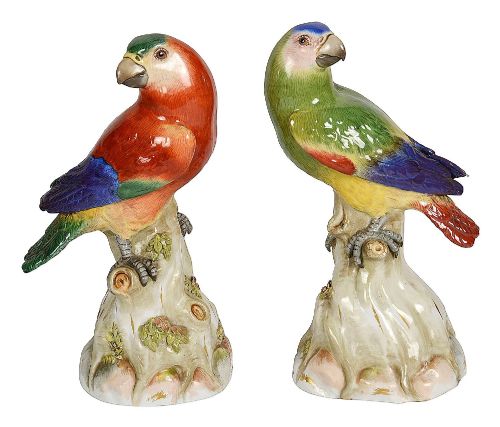
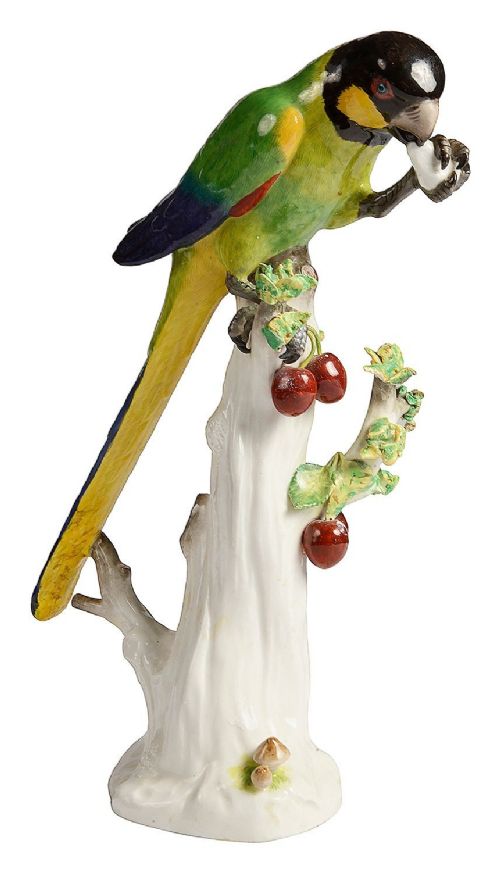
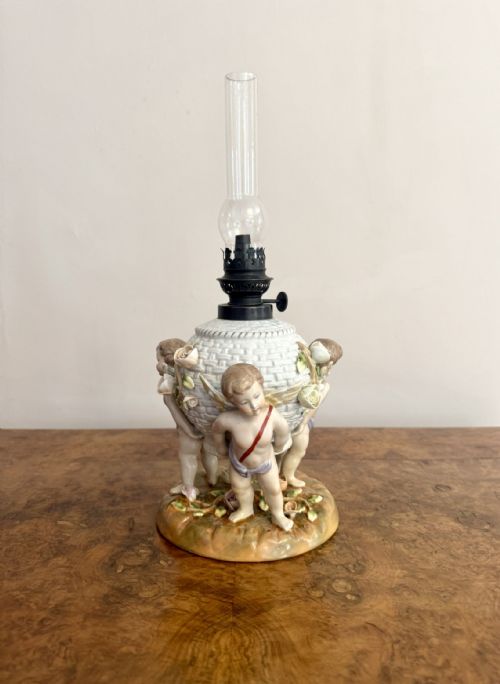
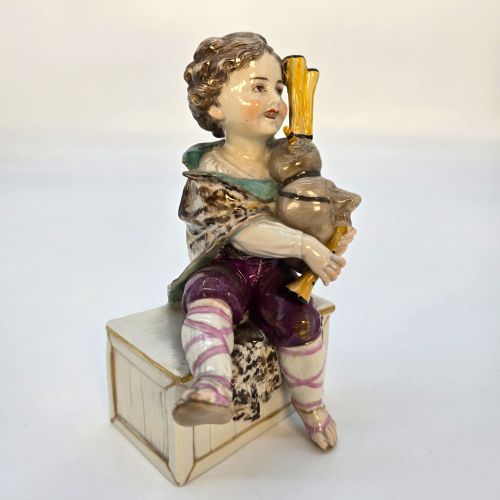
The subjects range from allegorical representations of the seasons and pairs of gardeners to parrots, dogs, monkeys and classical figures. These objects take the form of single figures, paired groups or functional items such as oil lamps and candlesticks.
Manufacture is concentrated in historical centres including Meissen, Volkstedt, Sitzendorf and Dresden, utilising hard-paste porcelain. The style shifts from eighteenth-century rococo and neoclassical modelling through nineteenth-century revivalism to twentieth-century art porcelain.
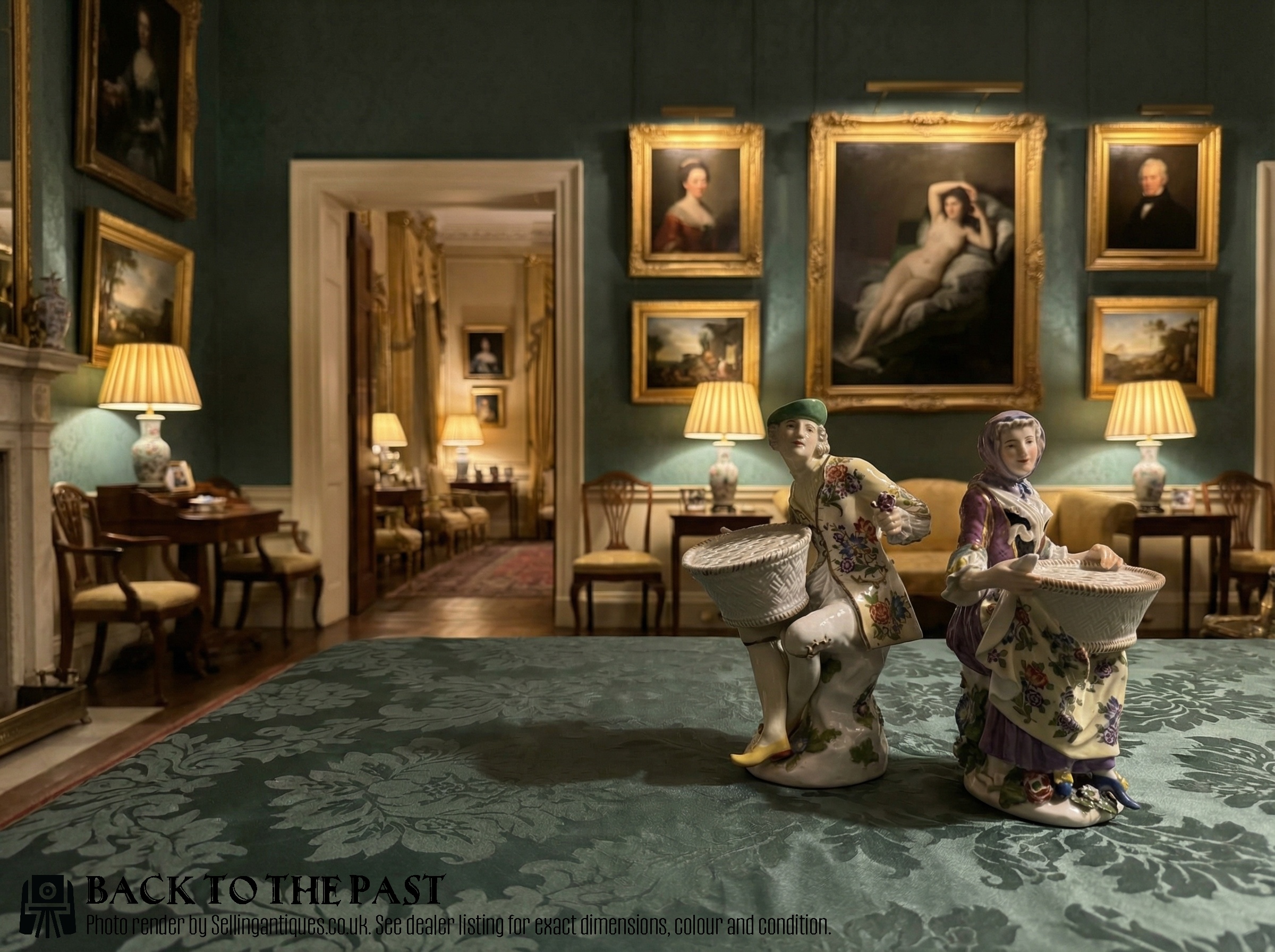
How they were made
Production relies on hard-paste porcelain, fired at high temperatures to achieve a dense, vitrified body that accepts detailed modelling and glaze. Artisans shape the pieces using press moulds or slip casting before applying delicate surface details by hand.
Enamel colours, glaze and gold leaf or gilt accents are added in subsequent firings to fix the pigments and metal highlights. Model makers sculpt intricate elements such as foliage, feathers and facial expressions prior to this multi-stage firing process.
German Porcelain Figures Retail Price Guide 2026
Typical asking prices for german porcelain figures among the pieces listed under this phrase on Sellingantiques today, from the lower quarter to the upper quarter. They describe what is for sale here now, not the wider market.
Object types documented include decorative figurines, oil lamps, sweetmeat dishes, candlesticks and table lamps.
What varies in quality
The complexity of the composition also distinguishes finer examples, particularly in multi-figure groups or large animal sculptures where balance and structural integrity are maintained. The application of enamel and gilt highlights should appear controlled and well-integrated with the porcelain body.
Meissen·Karl Ens·Nymphenburg·Volkstedt Rudolstadt Factory·Sitzendorf·Paul Scheurich·Anton Buschelberger·Triebner Ens And Eckert·Richard Eckert·Carl Thieme Dresden·C G Schierholz·Gebruder Heubach
The German Porcelain Figures Glossary
- Hard-paste porcelain
- A durable ceramic composition of kaolin and petuntse fired at high temperatures. It produces a hard, white body that resists scratching and takes glossy glazes.
- Enamel
- Opaque or translucent coloured glass fused to the porcelain surface during a low-temperature kiln firing. It provides the vivid palette seen on garments and naturalistic details.
- Gilt
- A thin layer of gold or gold-coloured metal applied to highlights, rims and bases. This decoration is often burnished to create a bright metallic contrast against the white glaze.
- Sweetmeat dish
- An ornamental vessel or basket held by a figure to serve small confectionery or dried fruits. These pieces combine sculptural modelling with a functional bowl.
- Bisque
- Unglazed porcelain fired once to a porous state with a matte, biscuit-like texture. It allows for fine anatomical and textural detail without surface shine.
German Porcelain Figures: Frequently Asked Questions
How do I date german porcelain figures?
Dating relies on identifying factory marks stamped, painted or incised on the underside of the base, alongside stylistic clues such as costume and modelling techniques. Eighteenth-century pieces often display simpler underglaze blue crossed swords or factory ciphers, while nineteenth-century works introduce impressed numbers and more complex polychrome marks.
Changes in firing methods, glaze consistency and the crispness of the mould also help narrow down the period of production. Comparing the subject matter to known factory pattern books provides further chronological context.
What are porcelain figures made of?
These pieces are fashioned from hard-paste porcelain, a dense ceramic compound consisting primarily of kaolin clay and feldspathic rock. This material is fired at high temperatures to create a strong, vitreous body capable of supporting delicate projections like fingers, leaves and feathers.
Surfaces are finished with a transparent glaze and decorated with ceramic enamels and sometimes gold leaf. Bisque variations omit the final glaze to retain a matte, tactile finish.
How were figural oil lamps used?
Figural oil lamps combined sculptural porcelain bases with metal burners and glass reservoirs to provide domestic illumination in nineteenth-century parlours. They functioned as decorative table pieces that cast light while displaying elaborate allegorical or animal subjects.
Owners placed them on side tables or mantelpieces where the glazed porcelain and gilt details reflected the flickering flame. Over time, many were later converted for electrical use.
How do I care for antique porcelain?
Maintenance involves dusting gently with a soft, dry brush to prevent particulate accumulation on delicate modelled surfaces like lace ruffles or petals. Avoid harsh cleaning agents, abrasive cloths or immersion in water, particularly for pieces with delicate enamel work or applied gold leaf.
Display the pieces away from direct sunlight and areas subject to sudden temperature fluctuations to protect the glaze and body. Secure larger groups or tall items on stable surfaces to prevent accidental tipping.