
Pair Porcelain Figurines
These pair porcelain figurines bring character and period charm to a room, valued for their balanced display of human, animal or avian forms.
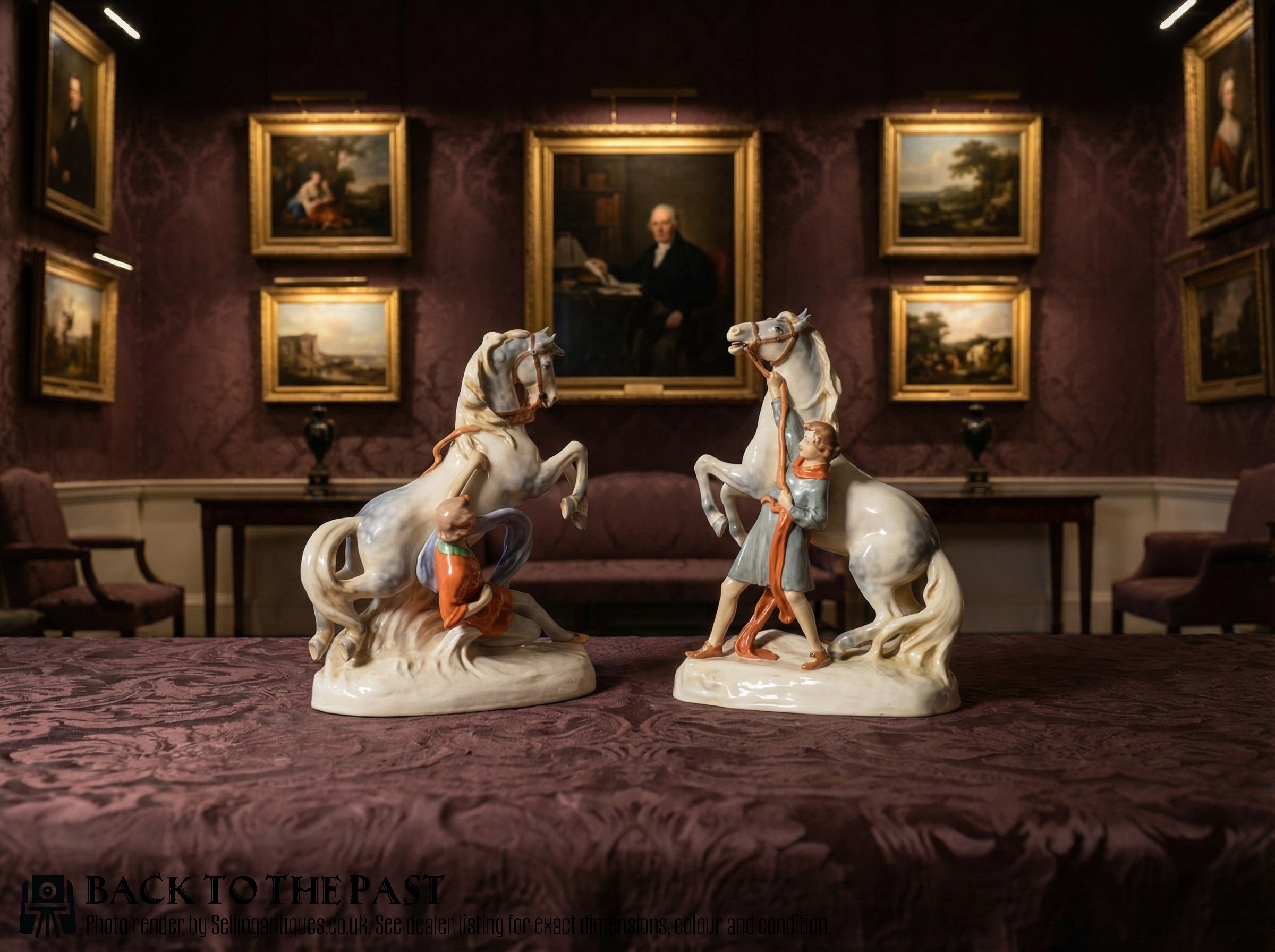
Pair porcelain figurines
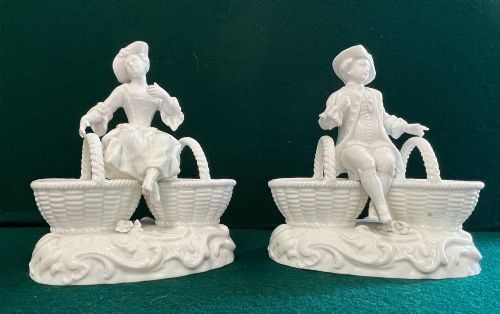
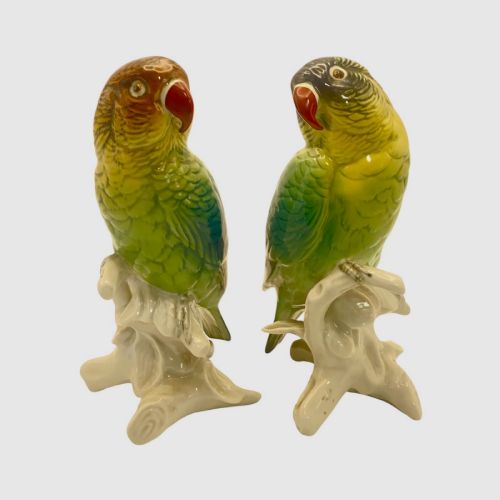
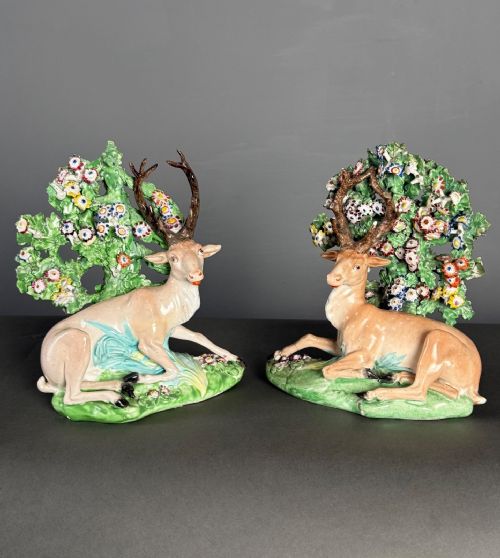
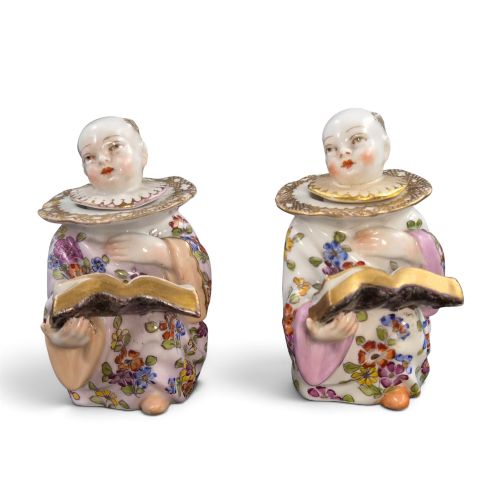
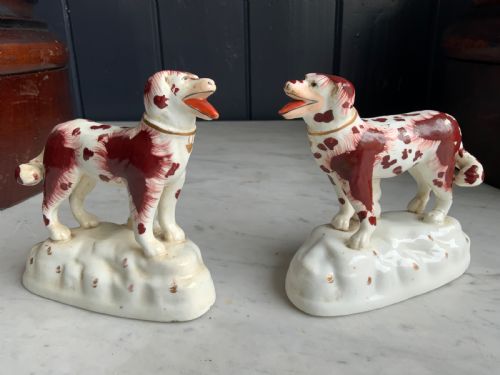
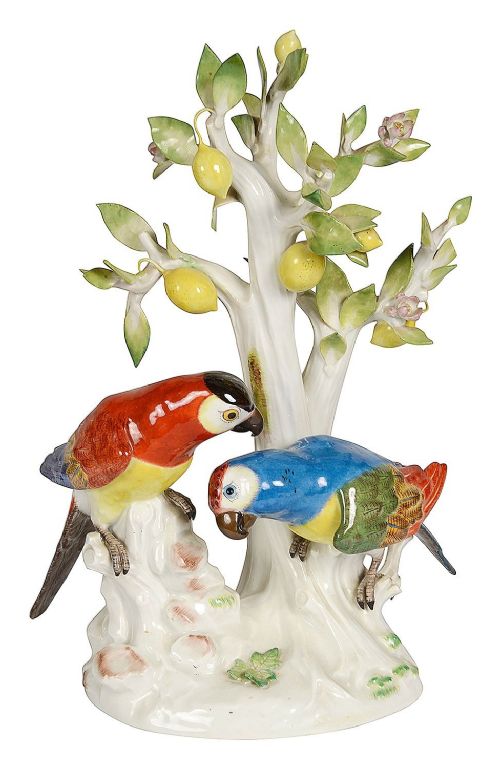
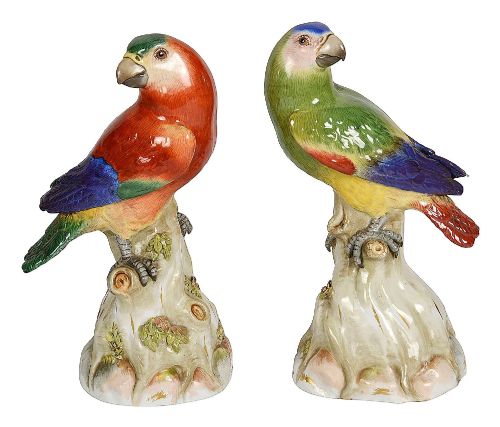
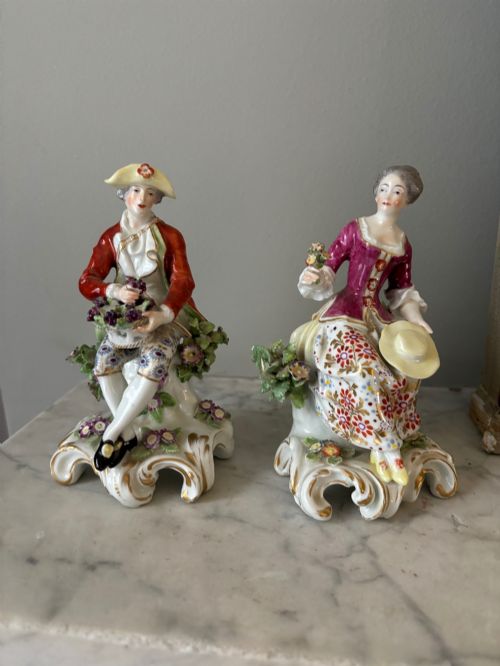
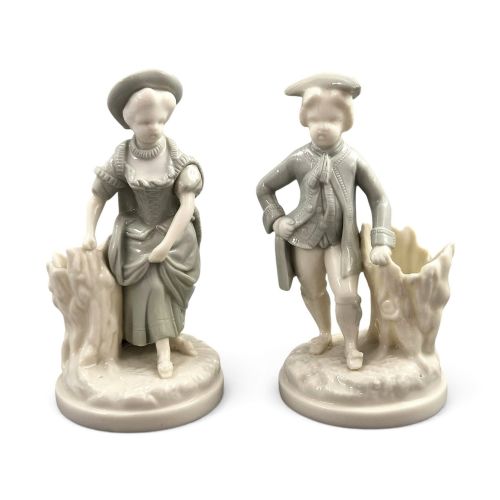
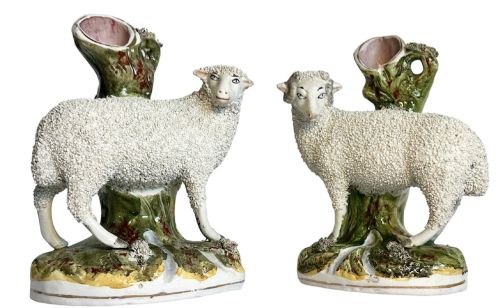
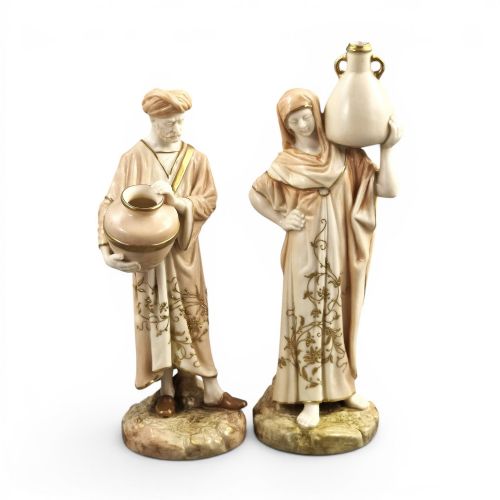
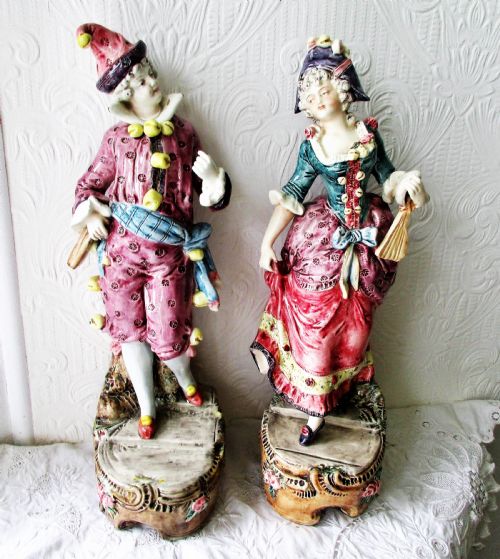
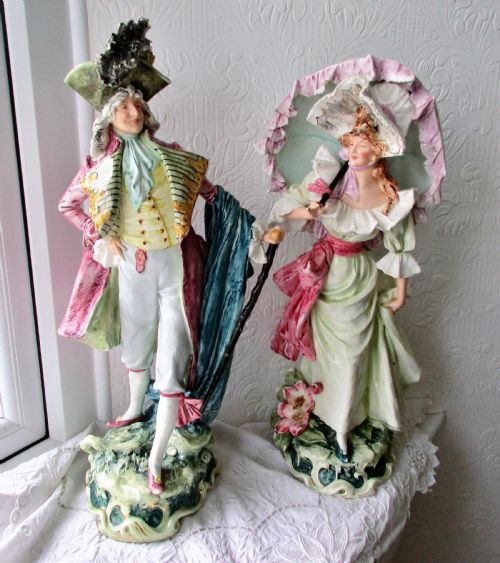
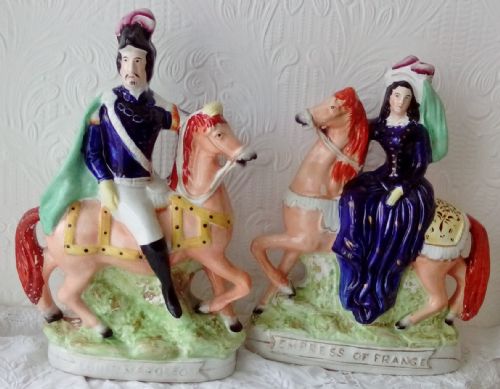
When you search for pair porcelain figurines, you look at matched sets designed to sit as decorative counterparts on mantelpieces, consoles or side tables. The pieces on this page span the nineteenth century through the early twentieth century, taking forms such as romantic couples, fisher folk, musicians, dancers and animals.
You meet Victorian continental pieces, French figures from the nineteenth century, and works by factories like Royal Dux, Meissen and Dresden. Styles range from Rococo Revival and Victorian to Art Nouveau and Art Deco.
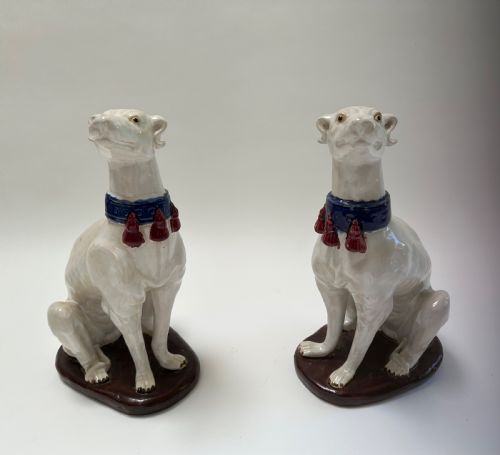
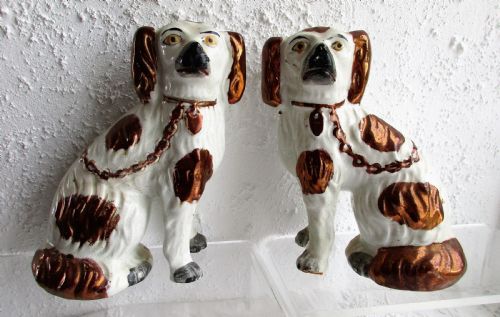
The subjects divide between human figures, including peasants, gallants and dancers, and animal studies such as pugs, birds, puppies and kittens. Most examples arrive as matching male and female counterparts or symmetrical compositions.
Materials and construction
Some works incorporate metal components alongside the ceramic body, particularly in nineteenth-century continental productions. Bisque and biscuit porcelain remain unglazed, giving a matte finish that highlights sculpted drapery and facial expressions.
Retail Price Guide 2026
Typical UK retail prices for pair porcelain figurines, calculated from the Sellingantiques database of over a million retail prices indexed since 2003. This retail price guide relies exclusively on Sellingantiques data; no external sources or auction records are used, so the figures do not describe the wider market.
Materials recorded across the archive include hard-paste porcelain, bisque, enamel, glaze, gold leaf and metal.
Defining quality
The presence of factory marks or attribution to known makers elevates a piece, as does the preservation of fragile elements like lace borders, fingers and applied flowers. Substantial scale and balanced symmetry between the two figures also distinguish superior pairs.
Royal Dux·Meissen·Royal Worcester·Sitzendorf Factory·Jacob Petit·Derby·Potschappel·Sèvres·Theodore Schoop·Bernard Bloch·Vion and Baury·Royal Vienna·Samson Chelsea
The Pair Porcelain Figurines Glossary
- Bisque porcelain
- Un-glazed porcelain fired once to a matte, porous state that resembles marble. This finish allows sculptors to capture fine anatomical details and folds in clothing without the softening effect of a glossy dip.
- Hard-paste porcelain
- A durable ceramic composition fired at very high temperatures using kaolin and petuntse. It creates a dense, bright white body that resists scratching and holds sharp moulded details.
- Enamel
- Coloured glass powder fused to the ceramic surface during a secondary firing. It provides the vibrant pigments seen on period garments and decorative motifs.
- Rococo Revival
- A nineteenth-century design style imitating the ornate, asymmetrical curves and playful pastoral themes of the eighteenth century. Figures in this style often wear elaborate, flower-strewn costumes.
- Biscuit porcelain
- Another term for un-glazed ceramic body favoured for nineteenth-century figures. It offers a smooth, chalky texture prized for classical and romantic subjects.
Frequently Asked Questions
How were they displayed historically?
Owners placed these dual sculptures symmetrically on fireplace mantels, credenzas or pier tables where the matching pair created a balanced composition.
They served as decorative conversation pieces reflecting the tastes of Victorian and Edwardian interiors.
How do I care for antique figurines?
Dust the surfaces gently with a soft, dry brush to prevent the accumulation of dirt in intricate crevices and painted details.
Keep them away from direct sunlight and areas prone to knocks, as applied elements like fingers, flowers and lace are fragile.
How can I tell the period?
Examine the style of the clothing, the painting technique, and any factory marks stamped or painted on the base.
Nineteenth-century pieces often reflect historical revivals like Rococo or Victorian tastes, while early twentieth-century examples shift towards Art Nouveau and Art Deco lines.