



Continental Porcelain Figures
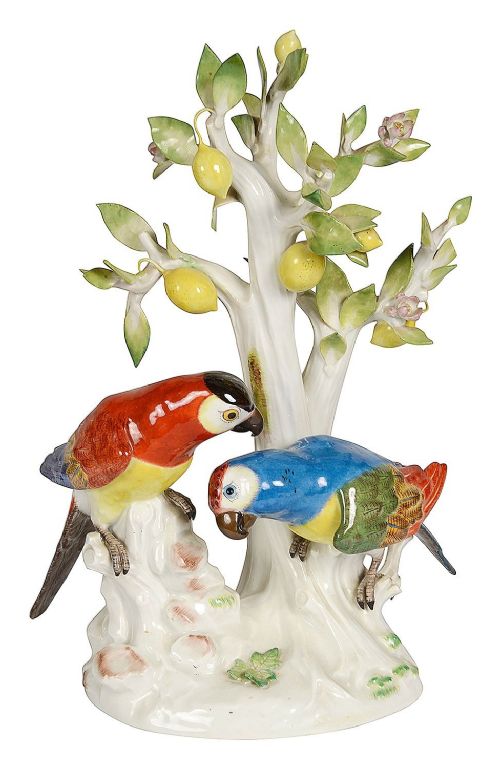
Continental porcelain figures bring spirited character and vibrant enamel colour to a room.
What continental porcelain figures are
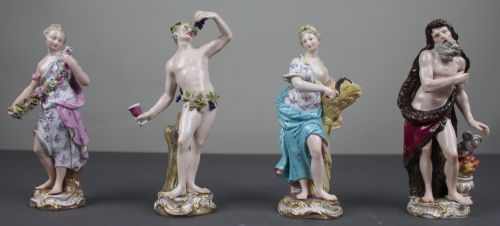
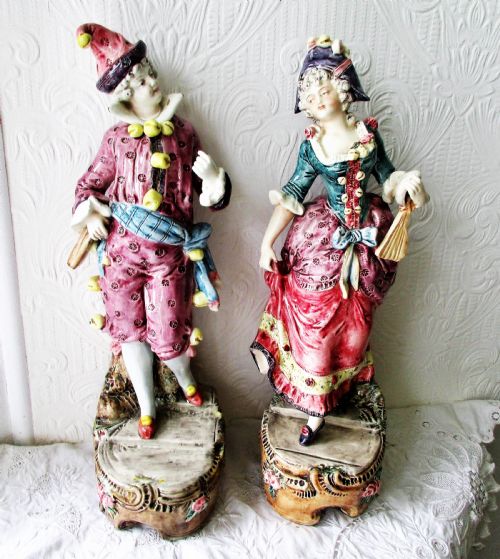
Continental porcelain figures include pairs of decorative figurines and sweetmeat dishes modelled in human and allegorical forms. These pieces date across the nineteenth century and into the early twentieth century, reflecting stylistic revivals and European factory traditions.
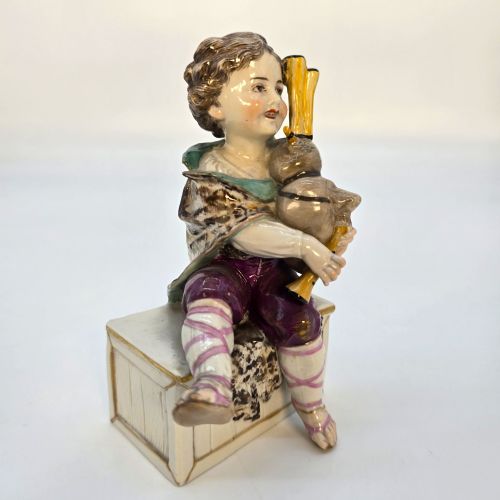
A buyer examining continental porcelain figures will most frequently encounter nineteenth-century pieces alongside works attributed to German factories like Volkstedt and Samson of Paris. The forms range from simple seated figures to elaborate allegorical groups finished with enamel and gilding.
How they were made
Continental porcelain figures are produced using hard-paste porcelain and ceramic bodies shaped into detailed sculptural forms. The makers employ press moulding and slip casting to achieve complex postures and garments.
Surface decoration relies on polychrome enamel painting and applied gold leaf or gilding to highlight details. Bisque porcelain is also utilised for unglazed matte finishes on specific nineteenth-century examples.
Retail Price Guide 2026
Typical UK retail prices for continental porcelain figures, calculated from the Sellingantiques database of over a million retail prices indexed since 2003. This retail price guide relies exclusively on Sellingantiques data; no external sources or auction records are used, so the figures do not describe the wider market.
Some figures double as confectionary dishes, holding sweet treats in porcelain laps.
What varies in quality
The distinction between ordinary and superior continental porcelain figures lies in the crispness of the modelling and the precision of the hand-painted enamels. Finely painted facial expressions and delicate, individually formed details elevate a piece well above mass-produced alternatives.
The application of gilding and gold leaf indicates the tier of the production, with richer pieces showing burnished highlights rather than flat metallic paint. Furthermore, the complexity of the composition, such as multi-figure groups and sweetmeat dishes, demonstrates higher workshop capability.
Volkstedt·Samson of Paris
The Continental Porcelain Figures Glossary
- Hard-paste porcelain
- A dense, vitrified ceramic material composed of kaolin and petuntse fired at high temperatures. It forms the durable foundation for many European decorative figures.
- Bisque
- Unfired or single-fired porcelain left unglazed to produce a matte, biscuit-like texture. This finish mimics marble and highlights sculptural form.
- Enamel
- Low-fusion glass pigmented with metal oxides and applied over or under the glaze. It provides the vibrant colour palette found on nineteenth-century robes and bases.
- Sweetmeat dish
- A small decorative vessel integrated into a figurine designed for holding confectionery or sweetmeats. These combine utility with ornate sculptural display.
- Gilding
- The application of gold leaf or powdered gold to ceramic surfaces. This technique adds reflective accents to garments and rococo scrollwork bases.
Frequently Asked Questions
What are continental porcelain figures?
Continental porcelain figures are decorative ceramic sculptures produced in European workshops and factories during the nineteenth and early twentieth centuries. They depict human characters, allegorical scenes, and functional sweetmeat forms.
These pieces reflect historicism and revivalist aesthetics, drawing inspiration from earlier Meissen, Chelsea, and French traditions. Collectors value them for their intricate hand-painted details and sculptural variety.
How do I date continental porcelain figures?
Dating relies on stylistic clues, paste composition, and factory marks where present on the base. Nineteenth-century pieces often display rococo revival elements or Victorian sensibilities.
Changes in enamel pigments and gilding techniques across the 1850s to 1920s also help establish the period of manufacture. Comparing pieces to documented workshop outputs clarifies their chronology.
Where were these figures made?
These figures originated in various European ceramic centres, notably in Germany and France. German factories, including Volkstedt, and Parisian makers such as Samson were prolific producers.
Regional schools, including the Bohemian school, also contributed distinct regional interpretations to the broader European export and domestic markets.
How do I display porcelain figures?
Porcelain figures require stable placement on flat surfaces away from heavy traffic and direct sunlight to protect their enamel colours and delicate extremities. Enclosed cabinets offer protection from dust.
Pairs and matching groups look balanced when displayed together on mantelpieces or within dedicated collector shelving units.