

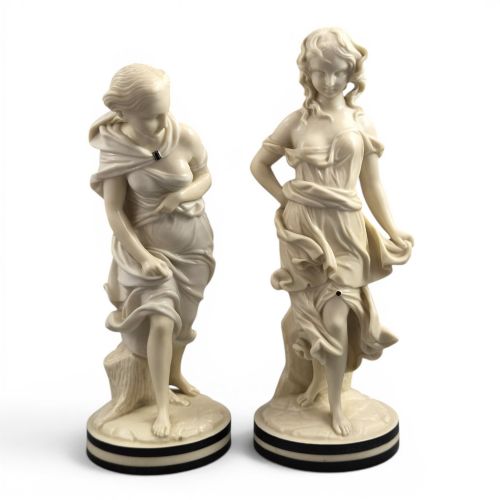


Victorian Porcelain Statues
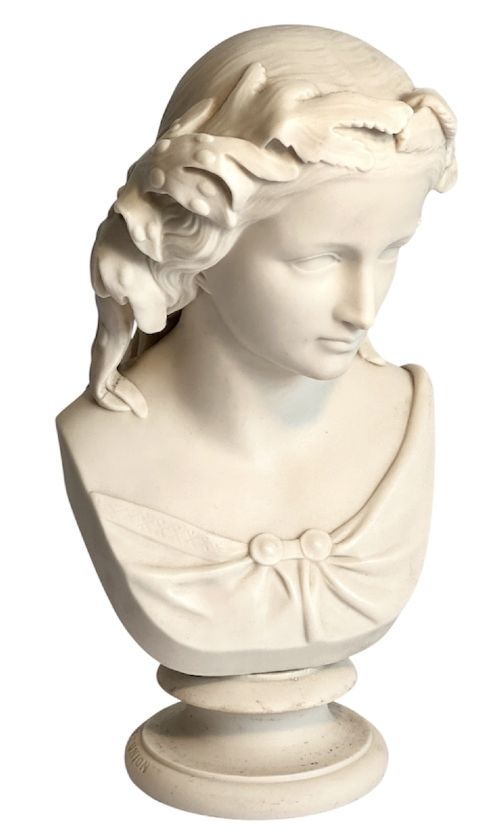
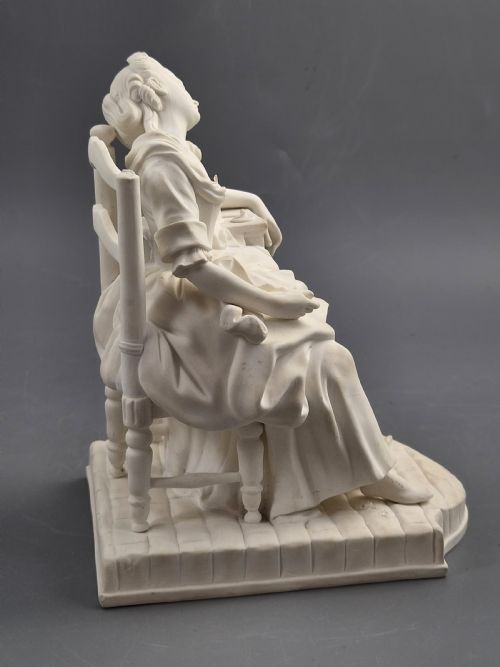
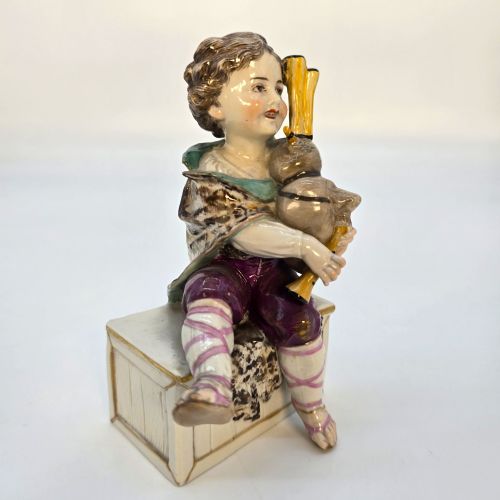
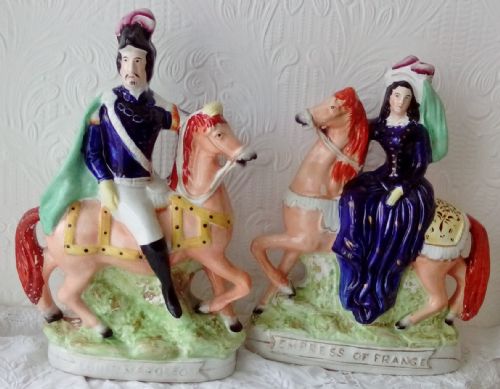
Victorian porcelain statues are sculptural figures of biscuit, bisque, and glazed ceramic that bring dramatic nineteenth-century character into a room.
What victorian porcelain statues are
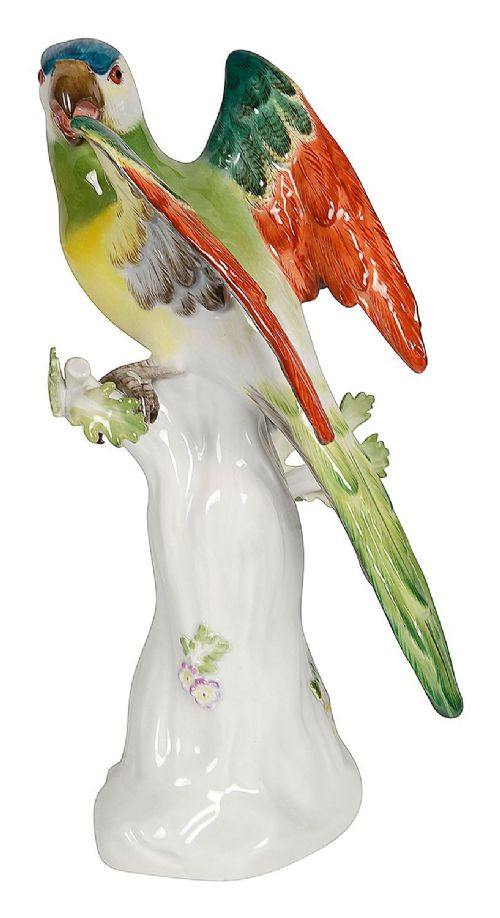
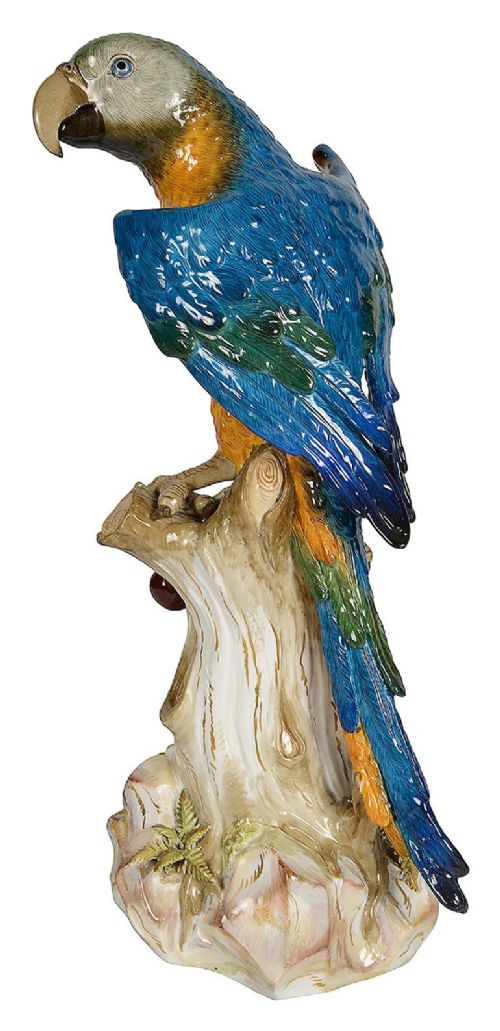
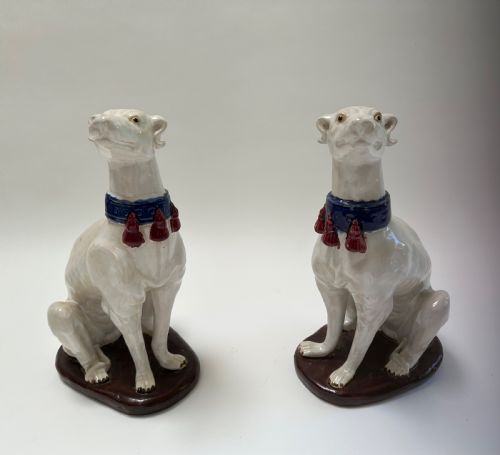
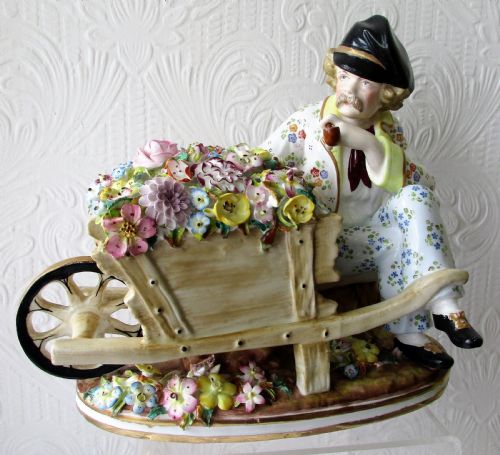
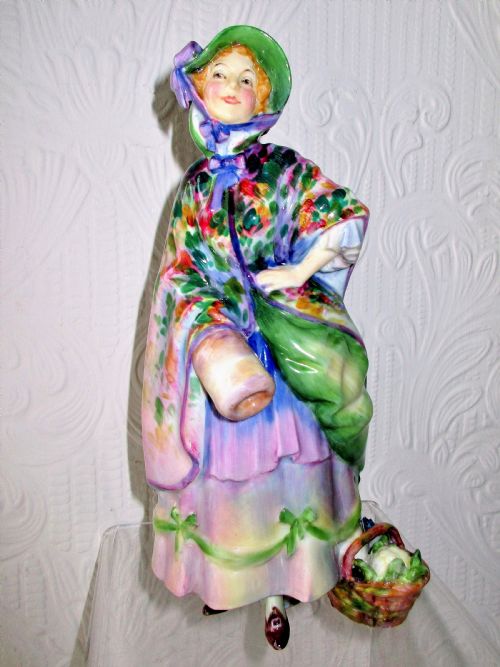
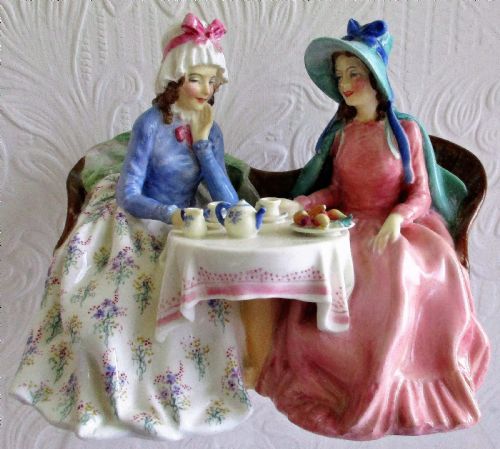
Victorian porcelain statues encompass nineteenth-century figures and figurines produced in both glazed and unglazed bodies, often shaped as pairs or single display pieces. These sculptures draw upon French nineteenth-century traditions, Bohemian school aesthetics, and distinct revival styles including classical and orientalist themes.
The objects catalogued here span utilitarian or decorative forms such as fisher folk, Egyptian musicians, Arab water carriers, and rustic subjects mounted on circular bases. Buyers encounter both biscuit porcelain and glazed surfaces reflecting the varied tastes of the period from eighteen-eighty to nineteen-hundred.
How they were made
Maker workshops utilised porcelain, enamel, gold leaf, biscuit porcelain, bisque, and gilt to construct these detailed figures. Craftsmen applied smooth glazes or left the ceramic bodies unglazed in the matte bisque finish favored for delicate flesh tones and fabric folds.
Surface ornamentation involved careful application of enamel paints and gold leaf highlights to accent garments, headdresses, and bases. Certain examples feature specialised mounting onto circular rustic bases to provide stability for large sculptural compositions.
Retail Price Guide 2026
Typical UK retail prices for victorian porcelain statues, calculated from the Sellingantiques database of over a million retail prices indexed since 2003. This retail price guide relies exclusively on Sellingantiques data; no external sources or auction records are used, so the figures do not describe the wider market.
Current listings feature pieces spanning the nineteenth century, including works from eighteen-eighty and nineteen-hundred.
What varies in quality
The distinction between standard figures and exceptional studio pieces rests in the sharpness of the moulding and the delicacy of hand-painted details. Finer examples display subtle gradations in bisque texture and precise placement of enamel and gold leaf rather than heavy-handed decoration.
Artistic ambition also separates mass commercial output from high-status works such as modeled prototypes by named modellers or established factories. Sculptures that capture nuanced facial expressions and intricate costume details command greater appreciation among collectors.
James Hadley·Royal Worcester·Royal Dux
The Victorian Porcelain Statues Glossary
- Bisque
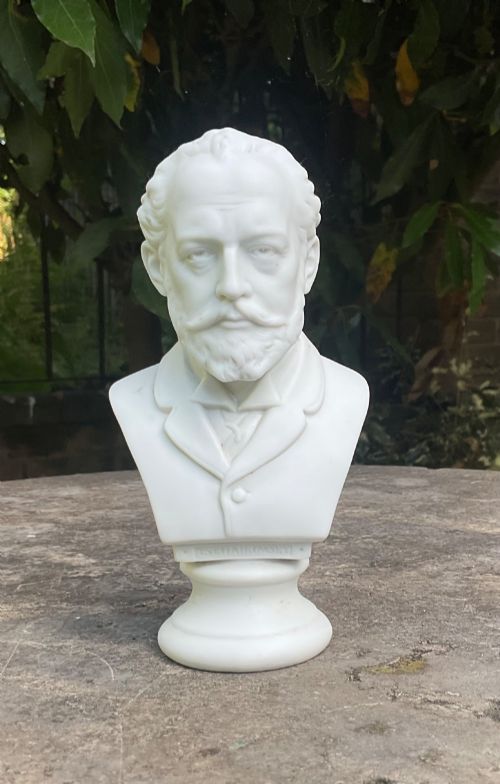
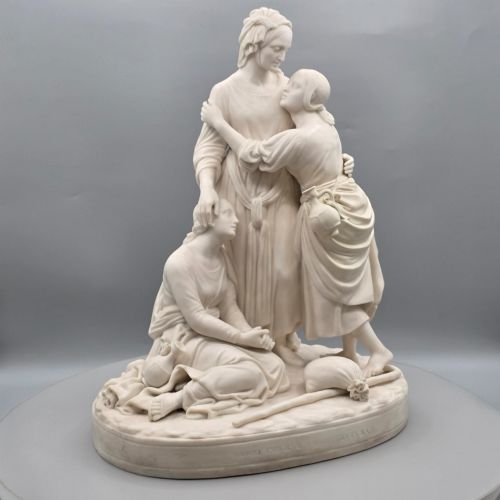
- Unglazed porcelain that has been fired once, valued for its matte, marble-like surface texture. This finish allows sculptors to render skin and fabric without glossy reflections.
- Biscuit porcelain
- An alternative term for bisque, denoting unglazed ceramic bodies used extensively for nineteenth-century figurative sculpture. It absorbs light softly to accentuate fine modelling.
- Enamel
- Vitreous coloured glass fused to the ceramic surface during secondary low-temperature firings. It provides vibrant, permanent colour decoration on costumes and accessories.
- Gold leaf
- Extremely thin sheets of beaten gold applied to selected areas of the porcelain for decorative highlighting. This technique adds rich metallic contrast to painted garments and bases.
- Glaze
- A glassy coating fused to the porcelain body by heat, creating a smooth, impermeable, and shiny finish. Glazed surfaces protect the underlying ceramic and intensify painted colours.
Frequently Asked Questions
What are victorian porcelain statues made from?
These sculptures are formed from ceramic paste fired into porcelain, utilising both glossy transparent glazes and unglazed biscuit or bisque bodies. Additional decorative elements include applied enamel colours and gold leaf highlights.
Craftsmen shaped these materials into detailed figurative subjects, sometimes mounting them onto circular rustic bases for display.
How do I identify a nineteenth century figure?
Dating relies on stylistic clues such as revival themes, costume details, and factory marks associated with makers like Royal Worcester or Royal Dux. Nineteenth-century pieces often reflect orientalist, classical, or rustic artistic movements popular during that era.
Examining the manufacturing techniques, such as the use of bisque or specific glazing styles, helps place a sculpture within the eighteen-eighty to nineteen-hundred timeframe.
Where should I display large porcelain figures?
Large figures require sturdy tabletops, cabinets, or dedicated pedestals that can support their physical weight and provide adequate viewing space. Placing them away from high-traffic areas protects delicate extremities and painted surfaces from accidental knocks.
Displaying pairs together, such as water carriers or fisher folk, preserves the intended symmetry and narrative composition of the original workshop design.