




Bisque Porcelain Figures
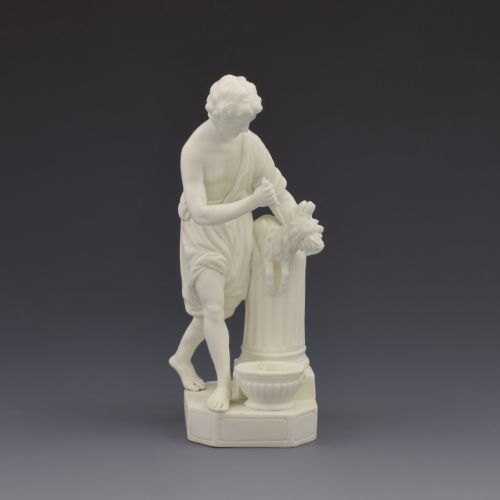
Bisque porcelain figures are unglazed ceramic sculptures capturing fine detail, offering tactile matte surfaces that collectors prize for portraiture and classical scenes.
Bisque Porcelain Figures
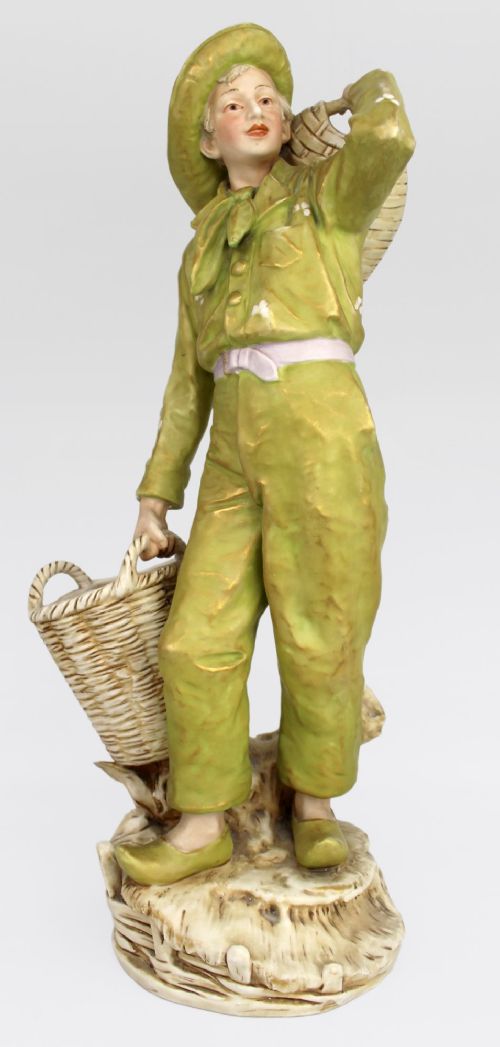
Bisque porcelain figures appear in forms such as figurines, decorative figurines, sculptures, and porcelain figurines. These items emerge from periods spanning the 19th Century, Victorian eras, 1900, and 1910, reflecting both French and German origins.
Buyers most frequently encounter pairs of figures depicting ladies and gentlemen, children with pets, shepherds and shepherdesses, or piano babies. French and Victorian Rococo Revival styles alongside Art Nouveau pieces dominate the available selection.
The objects serve primarily as decorative table or mantel ornaments rather than utilitarian vessels. Makers often rendered these figures in substantial sizes, including large and huge formats reaching up to sixty centimetres.
What Varies in Quality
The refinement of the modelling separates standard decorative items from superior works, particularly in the rendering of facial expressions, hair, and draped garments. Sharp definition in the unglazed porcelain surface indicates careful mould preparation and skilled finishing.
Application of polychrome enamel and gold leaf contributes to overall visual distinction. Pieces bearing clear factory marks demonstrate documented provenance that elevates their standing among collectors.
Retail Price Guide 2026
Typical UK retail prices for bisque porcelain figures, calculated from the Sellingantiques database of over a million retail prices indexed since 2003. This retail price guide relies exclusively on Sellingantiques data; no external sources or auction records are used, so the figures do not describe the wider market.
Listings feature pieces from the 19th Century, Victorian era, 1900, and 1910, utilising bisque porcelain, paint, gilt, enamel, and gold leaf.
Chantilly·Vion And Baury·Gebruder Heubach·Royal Dux
The Bisque Porcelain Figures Glossary
- Bisque Porcelain
- Unglazed ceramic fired once to vitrification, yielding a matte finish resembling marble. This porous material absorbs pigments directly into the surface.
- Polychrome
- The application of multiple enamel colours to decorate ceramic surfaces. Artisans use these pigments to hand-paint garments and naturalistic settings.
- Gilt
- A thin layer of gold applied to ceramic details to accent ornamentation. Gold leaf enhances specific areas like borders and accessories.
- Piano Babies
- Seated or reclining porcelain figures produced during the late nineteenth and early twentieth centuries. These decorative items originally sat atop the polished wood of upright pianos.
Frequently Asked Questions
What are bisque porcelain figures?
Bisque porcelain figures are unglazed ceramic sculptures shaped into human, child, or animal forms. Makers left the porcelain body unglazed to retain a matte, tactile finish.
These pieces were produced primarily as decorative ornaments during the nineteenth and early twentieth centuries in France, Germany, and other European centres.
How do you clean bisque porcelain figures?
Cleaning requires gentle dusting with a soft, dry brush to prevent dirt from settling into the porous unglazed pores. Moisture and harsh cleaning agents can damage hand-painted enamel and gilt details.
Keeping pieces away from direct heat and heavy handling preserves the delicate matte surface over time.
Are these figures marked?
Some pieces carry factory stamps, incised numbers, or painted marks on the underside or base. These indicators help identify specific workshops and production periods.
Unmarked examples remain common, requiring stylistic comparison with documented pieces to determine origin.