


Continental Porcelain Pair
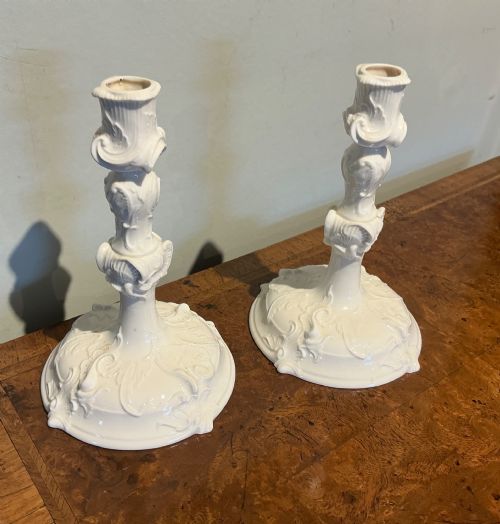
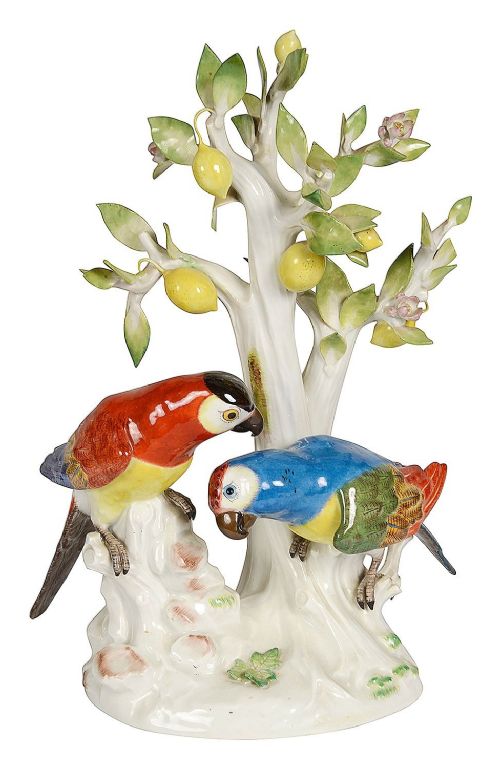
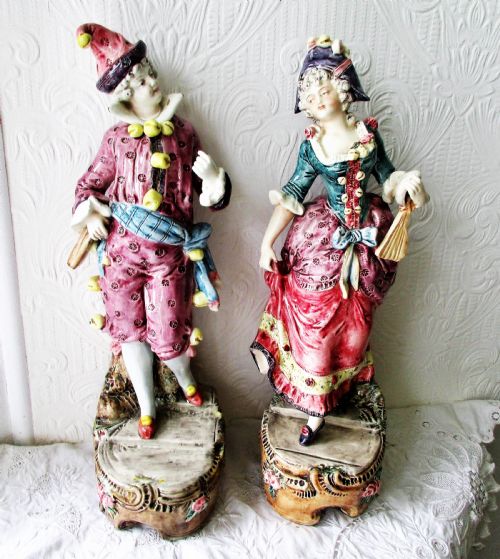
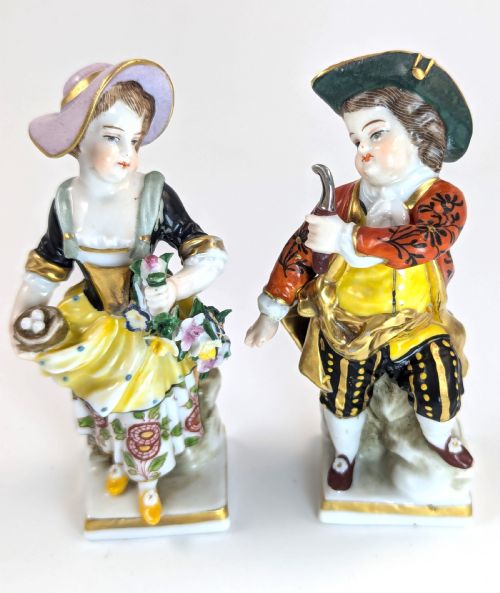
When you search for a continental porcelain pair, you find dual decorative pieces shaped as figures, vases, and candlesticks originating from European kilns.
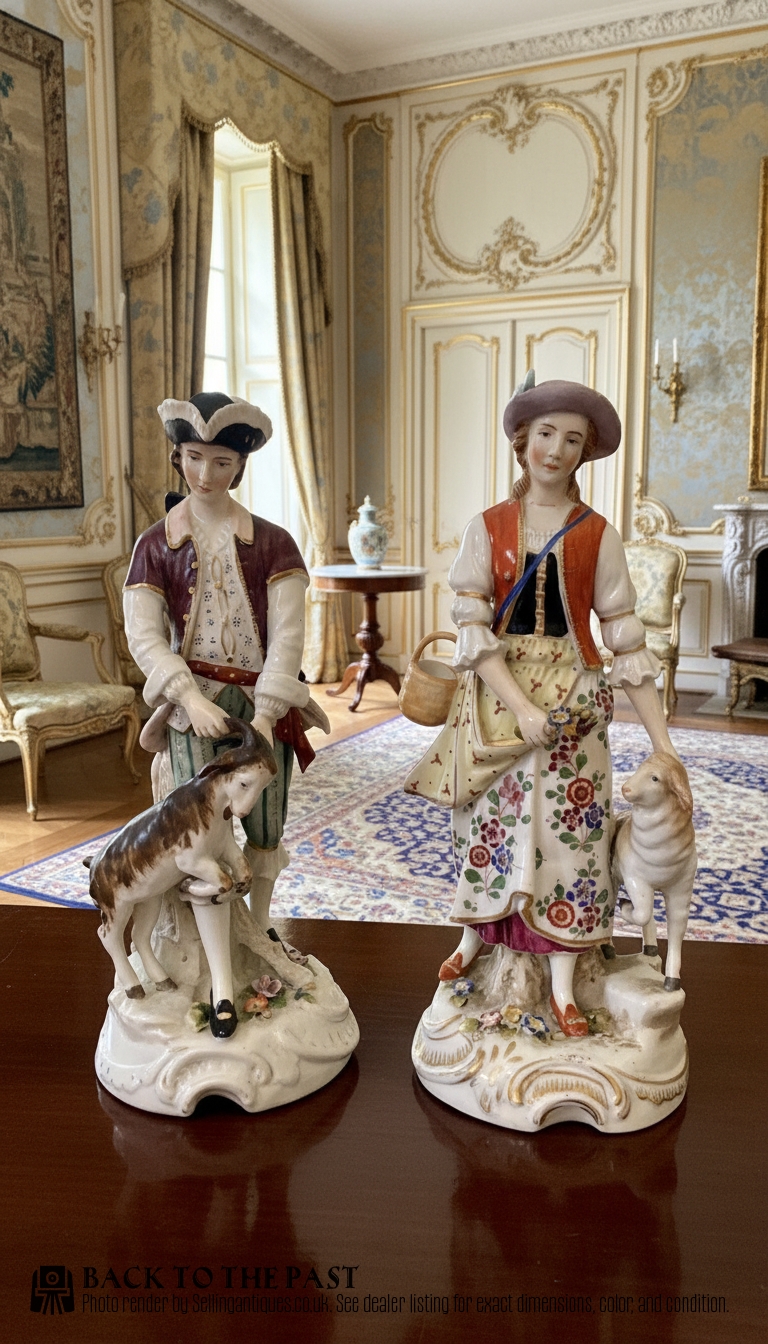
Continental Porcelain Pair
A continental porcelain pair brings symmetry and balanced decoration to a room, appearing in forms such as matching figurines, cabinet vases, candlesticks, and wall plaques. These dual objects were designed to sit at opposite ends of a mantelpiece, sideboard, or table, creating a formal arrangement.
The most common examples on this page are figural groups, including romantic lovers, harvesters, children, and animals, alongside functional items like candlesticks and vases. They hail primarily from German and French factories, spanning the eighteenth, nineteenth, and early twentieth centuries.
Makers ranged from major porcelain houses like Meissen, Nymphenburg, and Plaue to specialised workshops such as Samson of Paris producing interpretive styles. Buyers encounter both hard-paste porcelain and bisque porcelain, often enriched with enamel, glaze, and gold leaf.
How they were made
Potters shaped these pieces using hard-paste porcelain or bisque porcelain, applying glazes before or after initial firing to create smooth or matte surfaces. Fine details were modelled by hand, particularly on figural groups and decorative elements such as flowers and foliage.
Colour came from enamel paints fused to the surface in secondary kiln firings, frequently accented with hand-applied gold leaf or gilt. Some pieces incorporate bronze or ormolu mounts to secure candelabra arms and jardinières.
Object forms include figurines, vases, candlesticks, sweetmeat dishes, and wall plaques made by continental European workshops.
What varies in quality
Quality rests in the crispness of the modelling and the precision of the hand-painting, where finer pieces display intricate facial expressions, delicate drapery folds, and carefully shaded enamel colours. The crisp definition of moulded details reveals whether a pair came from a premier manufactory or a smaller regional workshop.
The application of gold leaf and gilt decoration indicates the level of craftsmanship invested in the pair, alongside the successful integration of metal mounts like ormolu. Preservation of the original glaze, enamel, and accompanying elements such as glass domes also distinguishes higher-grade survivals.
Nymphenburg·Meissen·Samson of Paris·C G Schierholz·Volkstedt·Carl Thieme
The Continental Porcelain Pair Glossary
- Hard-paste porcelain
- A durable ceramic material composed of kaolin and petuntse fired at high temperatures. This substance formed the body of many fine German and French figures.
- Bisque porcelain
- Unglazed porcelain with a matte, tactile finish resembling marble. It was frequently utilised for nineteenth-century figural groups and portrait plaques.
- Enamel
- Vitreous coloured glass fused to the porcelain surface during firing. It provides the vibrant pigments found on garments and floral motifs.
- Gold leaf
- Extremely thin sheets of beaten gold applied to decorative highlights. It brings metallic brilliance to trims, bases, and ornamental details.
- Sweetmeat dish
- A small vessel designed for serving confectionery or dried fruits at formal tables. In continental porcelain, these often feature flanking figures holding bowls.
Continental Porcelain Pair: Frequently Asked Questions
How were they used?
Historically, a continental porcelain pair served as balanced garniture on mantelpieces, dining tables, or sideboards. Vases and candlesticks provided functional lighting or floral display, while figural pairs decorated drawing rooms.
Wealthy households arranged them symmetrically to demonstrate taste and refinement. Today, they continue to serve as decorative focal points in period interiors.
How do I live with them?
Display these delicate pieces on stable surfaces away from heavy foot traffic and direct sunlight to protect their enamel colours. Matching pairs work best when placed at equal distances to maintain visual balance.
Cleaning requires gentle dusting with a soft brush, avoiding harsh chemical cleaners that might damage the gilt or enamel surfaces. Fragile elements like fingers and leaves demand careful handling.
How do I tell periods apart?
Earlier eighteenth-century pieces often display looser modelling and softer enamel palettes associated with rococo aesthetics. Nineteenth-century examples tend towards sharper moulding, heavier gilding, and distinct revival styles.
Factory marks on the underside provide the clearest guide to dating, though stylistic clues in costume and glaze also help distinguish eras.