


Hand Painted Figurines
These hand painted figurines span centuries of ceramic and wooden craftsmanship, offering character and narrative detail for the discerning collector.
Hand Painted Figurines
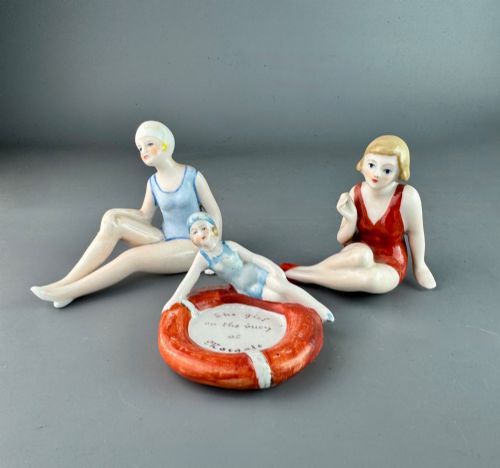
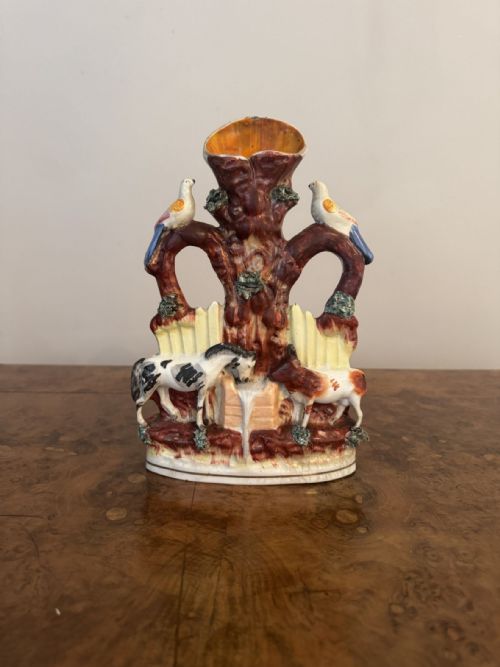
Hand painted figurines encompass diverse forms including porcelain ladies, toby jugs, spill vases, and carved wooden animals originating from English, European, and Asian traditions. These sculptural works represent figures from daily life, literature, and folklore across the eighteenth, nineteenth, and twentieth centuries.
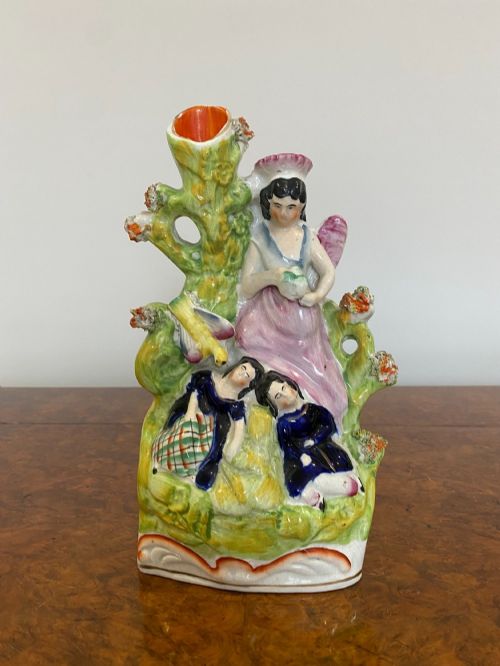
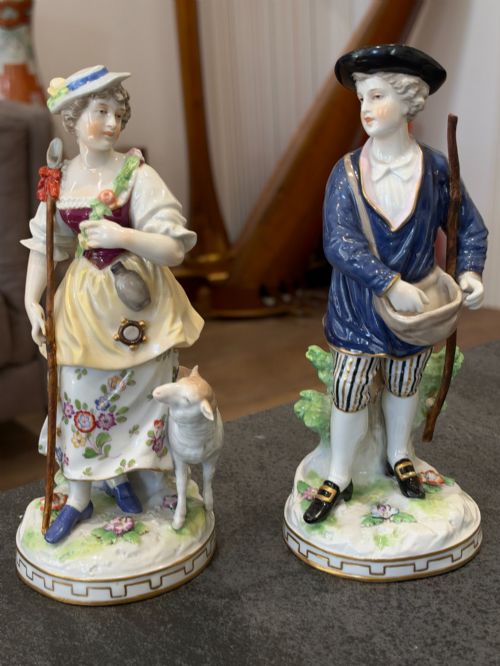
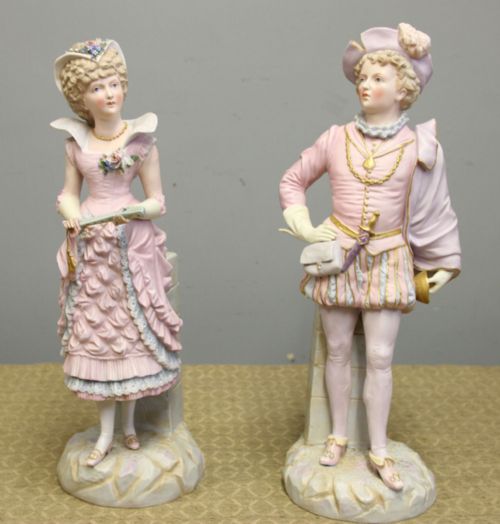
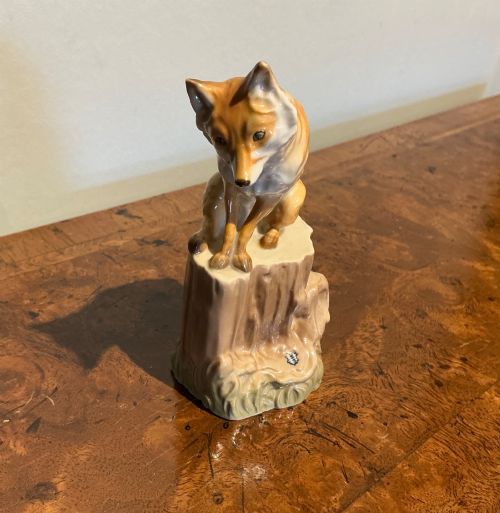
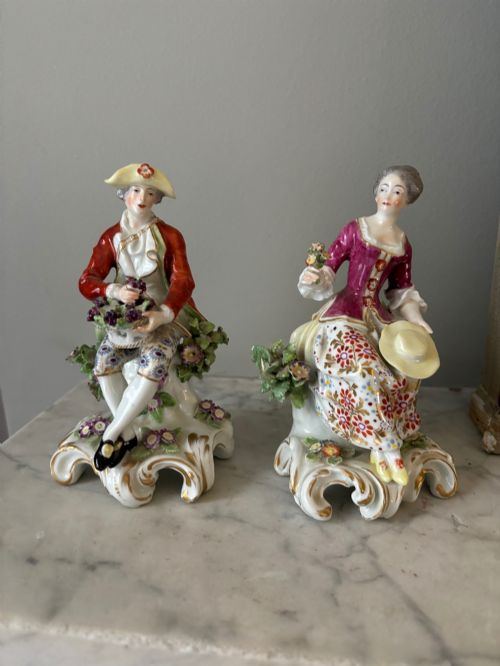
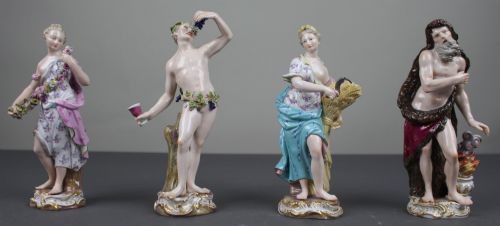
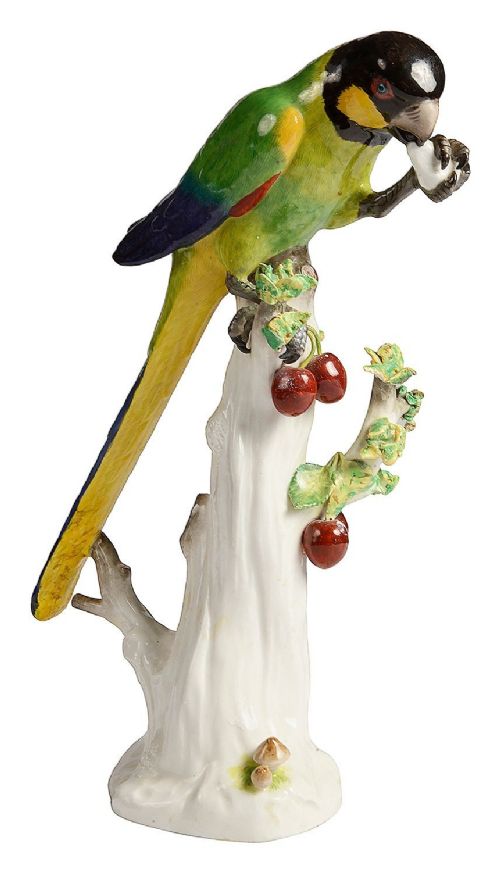
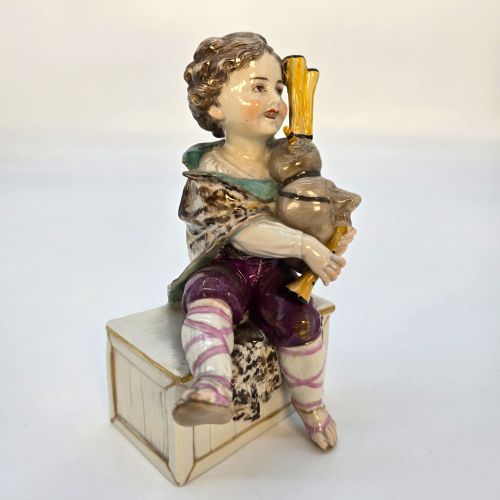
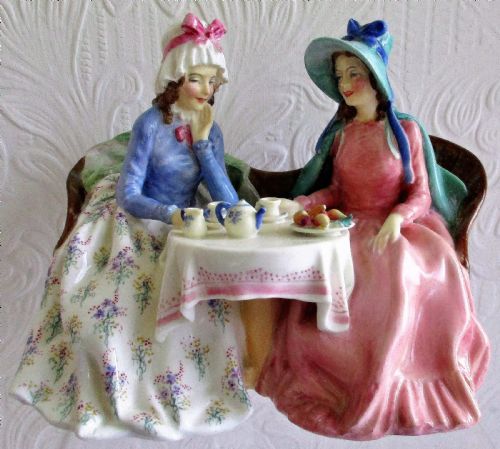
The pieces appearing most frequently on this page are nineteenth century Staffordshire figures, English porcelain ladies, and continental porcelain groups. These range from modest earthenware street traders to large decorative pairs modelled in the Meissen or French styles.
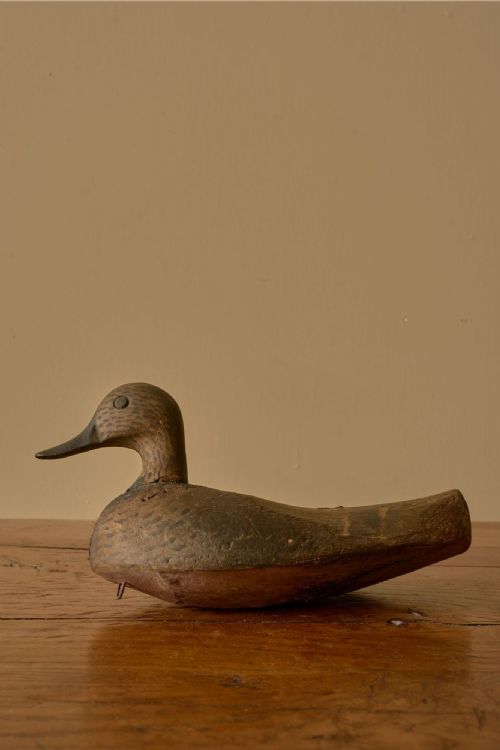
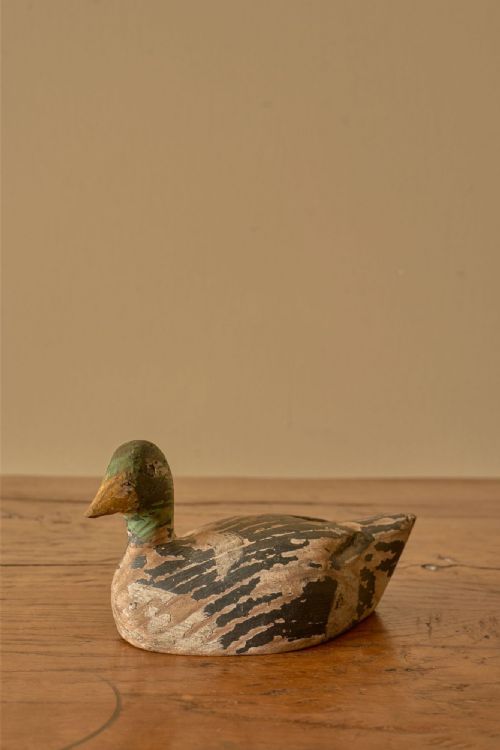
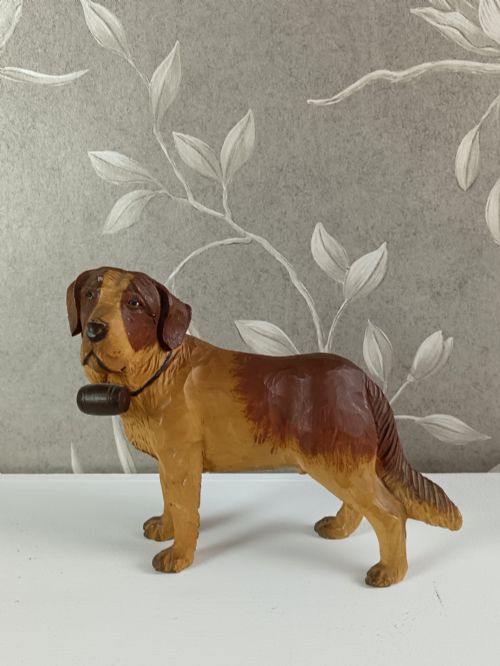
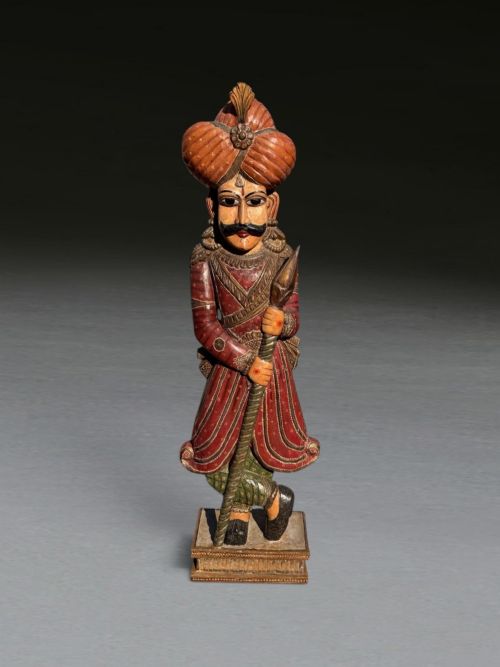
Buyers also encounter carved wooden sculptures such as decoy ducks, saints, and soldiers alongside Japanese porcelain deities. Each object reflects the specific aesthetic of its period, whether Victorian narrative or Edwardian studio pottery.
Materials and production techniques
Makers utilised porcelain, bone china, earthenware, and studio pottery as the primary bodies for ceramic pieces. Artisans shaped these materials using moulds or hand-carving techniques before applying detailed brushwork.
Surface decoration involved careful application of glaze, enamel, and gold leaf. Wooden examples relied on hand carving followed by pigmented paint layers to render texture and clothing detail.
Hand Painted Figurines Retail Price Guide 2026
Typical asking prices for hand painted figurines among the pieces listed under this phrase on Sellingantiques today, from the lower quarter to the upper quarter. They describe what is for sale here now, not the wider market.
Listings feature porcelain, earthenware, bone china, and carved wood from the eighteenth through the twentieth centuries.
Distinctions in quality and execution
Quality rests in the precision of the modelling and the finesse of the brushwork. Superior pieces display crisp facial expressions and delicately rendered garments without blurring in the enamel or glaze.
Royal Doulton·Meissen·Charles Vyse·Bourdois and Bloch Paris·John Bevington
The Hand Painted Figurines Glossary
- Spill vase
- A hollow figurine incorporating a small cylindrical holder designed to store wooden matches for lighting fires.
- Staffordshire figure
- An earthenware pottery piece produced in the Staffordshire potteries, typically modelled as animals, people, or literary characters.
- Okimono
- A Japanese decorative sculpture designed for display on a household shelf or tokonoma.
- Bisque
- Unglazed porcelain fired once to create a matte, porous surface resembling white marble.
- Sancai
- A three-colour glaze technique characteristic of Chinese ceramics, utilising amber, green, and cream tones.
Hand Painted Figurines: Frequently Asked Questions
How do I identify a Victorian Staffordshire figure?
Victorian Staffordshire pieces are typically made of earthenware and feature hand-painted details with hollow backs or flat bases. They often depict notable historical figures, animals, or pastoral scenes common to nineteenth-century domestic displays.
Examine the weight and the glazing beneath the base. Genuine examples show craquelure in the glaze and modest firing imperfections typical of regional nineteenth-century kilns.
What is the difference between porcelain and earthenware figurines?
Porcelain is a vitrified ceramic material made from kaolin clay fired at high temperatures, resulting in a dense, non-porous body that often rings when struck. Earthenware is a coarser, porous pottery body that requires a glaze to become waterproof.
Figurines cast in porcelain allow for finer anatomical detail and crisper moulding. Earthenware pieces tend to have heavier walls and softer surface contours under the paint.
How do I date a nineteenth-century Meissen figurine?
Meissen pieces can often be dated by examining the blue underglaze crossed swords mark on the base, which changed slightly across different periods. Stylistic cues such as Rococo Revival moulding also help place the piece within the nineteenth century.
Look at the crispness of the hand painting and the modelling style. Earlier eighteenth-century models were frequently reproduced in the nineteenth century with subtle variations in paste and palette.