


Antique Dresden Porcelain
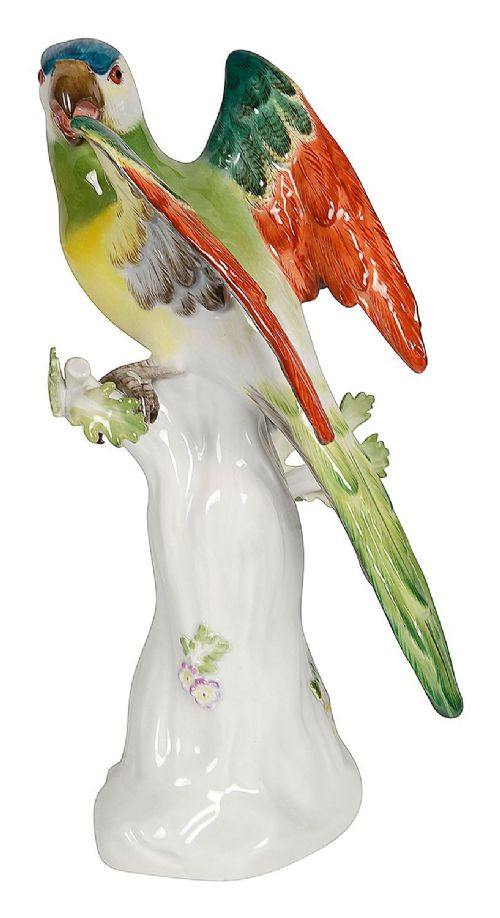
When seeking antique dresden porcelain, collectors explore a vibrant world of intricate figurines, elaborate centrepieces, and delicate floral ornamentation originating from German kilns.

Antique Dresden Porcelain
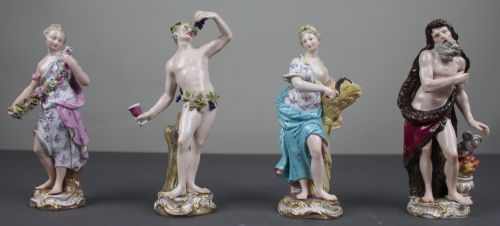
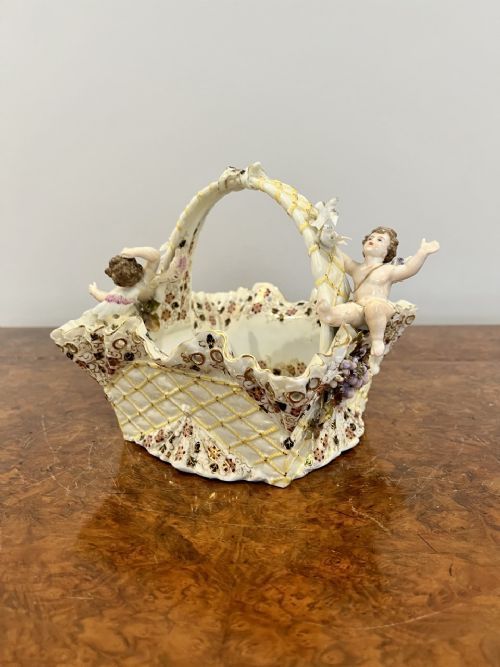
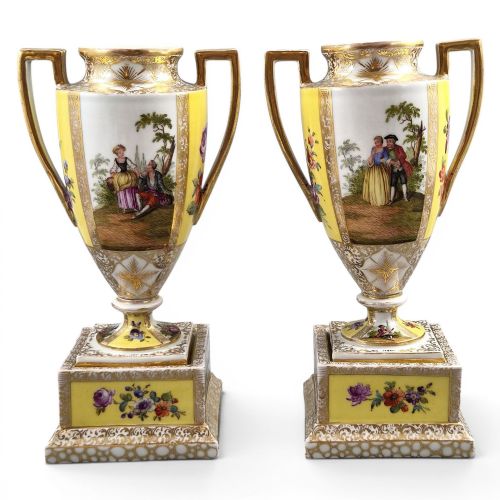
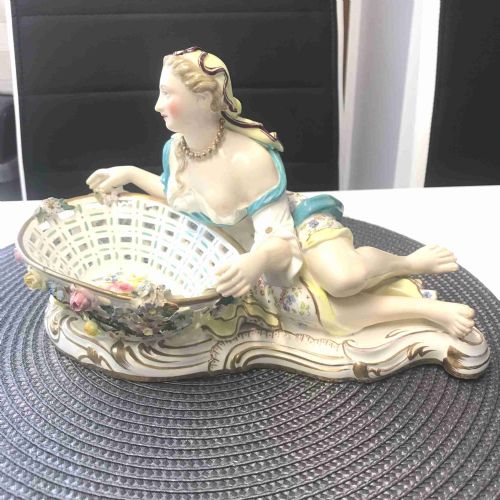
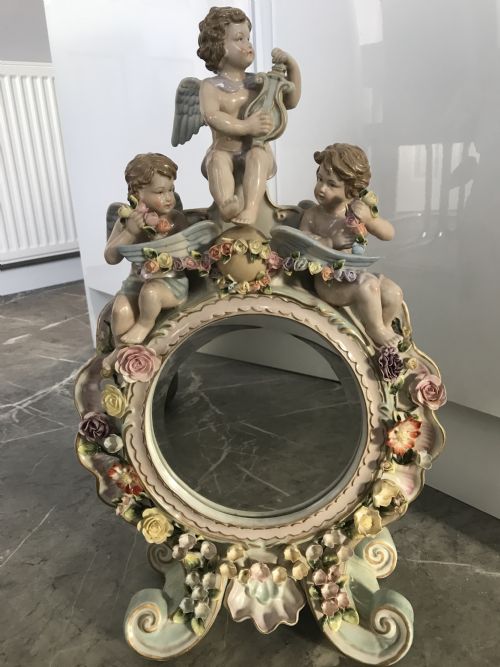
When buyers search for antique dresden porcelain, they encounter a diverse array of decorative objects including figurines, lidded vases, ornate mirrors, and large table centrepieces. These pieces primarily date from the nineteenth century into the early twentieth century, spanning Victorian, Edwardian, and Art Nouveau periods.
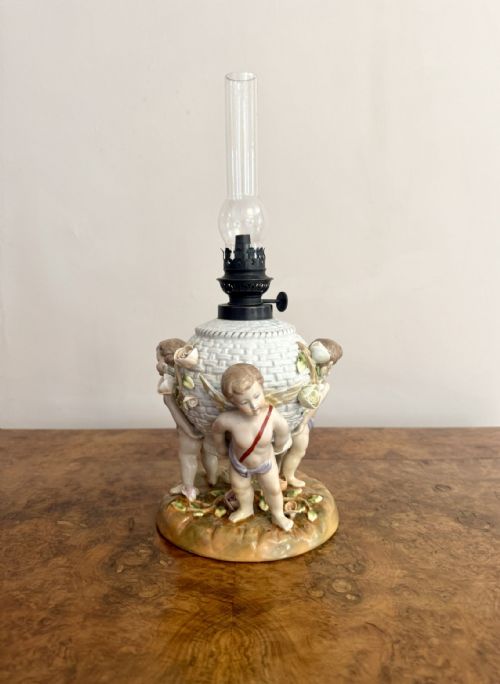
The objects frequently depict allegorical figure groups, putti, romantic scenes, and pastoral subjects modeled with high relief and applied floral elements. While some items bear direct marks associated with Dresden decorators or studios like Helena Wolfsohn, many represent the broader output of Saxon and German porcelain factories.
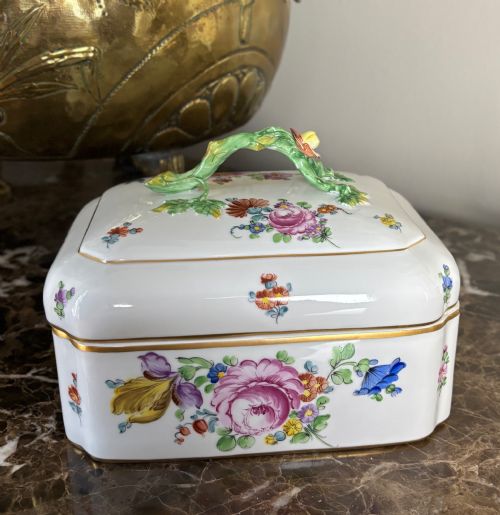
Domestic and decorative forms dominate the selection, ranging from sugar boxes and cache pots to elaborate oil lamps and wall plaques. Buyers will also discover occasional cabinet plates and reticulated dishes finished with traditional hand-painted motifs.
What Varies in Quality
The standard of modelling and painting dictates the success of each piece, distinguishing lively, precisely detailed hand-brushwork from stiffer production. The complexity of applied elements, such as dense arrangements of porcelain flowers and multi-figure allegorical groups, requires advanced technical skill.
Preservation of fragile details like applied lace and fine petals significantly influences the character of an item. Superior examples maintain the crispness of their original gilding and enamel tones without excessive wear or crude restoration.
Antique Dresden Porcelain Retail Price Guide 2026
Typical asking prices for dresden porcelain among the pieces listed under this phrase on Sellingantiques today, from the lower quarter to the upper quarter. They describe what is for sale here now, not the wider market.
Listings feature hard-paste porcelain items spanning the eighteenth century to the 1920s, utilising enamel, gold leaf, and brass mounts.
Meissen·Sitzendorf·Helena Wolfsohn·Paul Müller Selb·Carl Thieme·Bourdois and Bloch·Schierholz·Ernst Bohne Söhne·Richard Eckert·Donath and Co
The Antique Dresden Porcelain Glossary
- Hard-paste porcelain
- A dense, durable ceramic composed of kaolin and petuntse, fired at high temperatures to produce a vitrified body.
- Putto
- A representation of a small winged infant, frequently appearing in groups among flower-encrusted centrepieces and candlesticks.
- Reticulated
- Having an openwork pattern resembling a net or lattice, often seen on baskets and decorative dishes.
- Potpourri
- A lidded vessel pierced with small holes designed to diffuse scent from dried plant material within.
- Gilding
- The application of gold leaf or powdered gold to ceramic surfaces, enhancing highlights and rims.
Antique Dresden Porcelain: Frequently Asked Questions
What is antique dresden porcelain?
Antique dresden porcelain encompasses ornamental ceramics produced in Dresden or associated decorated wares originating from the wider Saxony and Thuringia regions of Germany.
These items date predominantly from the nineteenth and early twentieth centuries, featuring elaborate hand-painted decoration, gilding, and sculptural forms.
How do I identify a Helena Wolfsohn piece?
Helena Wolfsohn decorated porcelain supplied by various factories, often utilising characteristic AR monograms or imperial marks on vases and cabinet pieces.
The decoration typically incorporates Watteau-style pastoral scenes set against coloured grounds or rich gilt cartouches.
How should I clean porcelain lace figures?
Porcelain lace requires extreme care due to the fragile nature of the fired ceramic textile elements.
Dusting should be performed gently with a very soft, dry brush to avoid catching or breaking the delicate openwork folds.
Were these porcelain items meant for daily use?
The majority of these elaborately decorated pieces served as ornamental display objects for salons, drawing rooms, and dressing tables.
Centrepieces, figurines, and lidded urns were designed to showcase wealth and taste rather than for practical domestic service.