




Dresden Porcelain Figurine
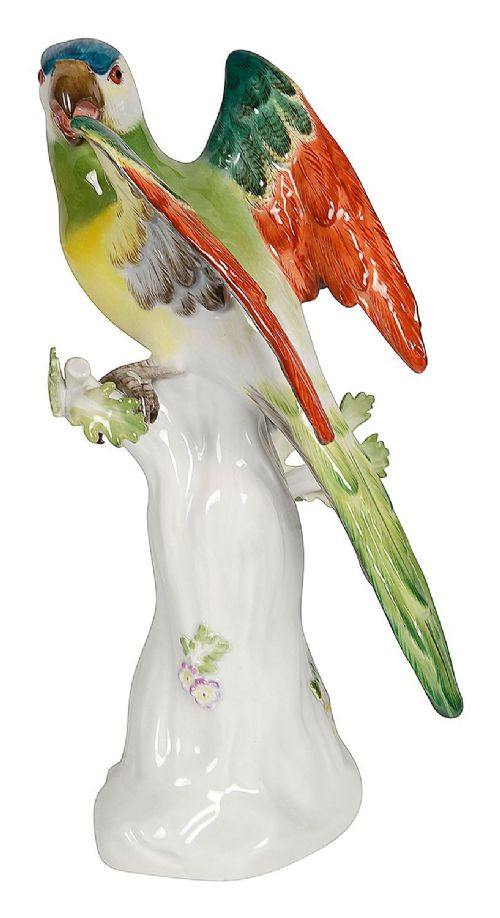
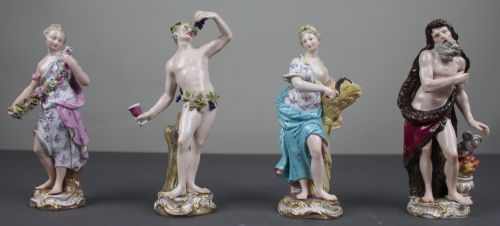
A dresden porcelain figurine brings decorative elegance to a mantelpiece, depicting pastoral figures, musicians and allegorical groups modelled in porcelain.
Dresden Porcelain Figurine
When you search for a dresden porcelain figurine, you encounter sculptural ceramics produced in Germany, particularly from the eighteenth, nineteenth and early twentieth centuries. The selection on this page ranges from single figures and pairs of lovers to complex allegorical groups and figural candlesticks.
The subjects draw heavily on pastoral themes, classical allegories, romantic pairings and children in gardens. Many pieces originate from Saxon and continental factories, reflecting historical styles such as Rococo Revival, Neoclassical and Victorian aesthetics.
How they were made
Makers utilised hard-paste porcelain fired at high temperatures to achieve a durable body, shaping the forms by hand or pressing them into moulds. Artisans applied polychrome enamel colours and detailed gilding by hand before a final glaze firing.
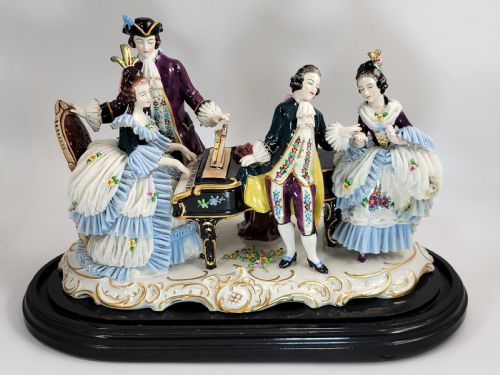
Complex pieces incorporate delicate applied details such as lace made from real fabric dipped in slip before firing, along with moulded floral bases and gold leaf highlights.
Listings feature works from the eighteenth, nineteenth and twentieth centuries, using hard-paste porcelain, enamel, gilding and wood.
What varies in quality
The complexity of the composition also dictates distinction, as multi-figure groups with elaborate bases and applied lace demand greater technical skill from the modeller than simpler single figures.
Meissen·Carl Thieme·Helena Wolfsohn·Sitzendorf·Bourdois and Bloch·Ernst Bohne Soehne·Volkstedt·Richard Eckert
The Dresden Porcelain Figurine Glossary
- Hard-paste porcelain
- A dense, vitrified ceramic material composed of kaolin and petuntse, fired at high temperatures. It provides a durable base for detailed sculptural modelling.
- Gilding
- The application of gold leaf or gold paint to highlight borders, bases and decorative accents. It adds reflective contrast to the painted ceramic surfaces.
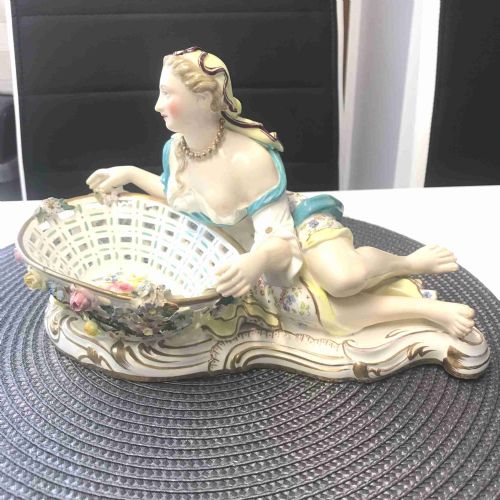
- Sweetmeat dish
- An open vessel or basket modelled into the porcelain grouping, historically used for serving small confections or sweetmeats at dining tables.
Dresden Porcelain Figurine: Frequently Asked Questions
What is a dresden porcelain figurine?
These pieces are glazed ceramic sculptures produced in German workshops, depicting human figures, animals and mythological scenes.
They serve as decorative mantel and table ornaments, reflecting historical design styles from the eighteenth century onwards.
How do I identify older pieces?
Examination of the paste, modelling style and hand-painted details helps determine the period of origin.
Early examples often feature distinct factory marks on the unglazed base, though stylistic indicators like Rococo Revival forms offer further chronological clues.
Where were these figures made?
Production centred primarily in Germany, particularly around Dresden, Meissen and Thuringia.
These regions housed skilled porcelain manufactories where modellers and painters produced sculptural ceramics for European markets.
How should I clean porcelain figures?
Gentle dusting with a soft, dry brush preserves the delicate hand-painted enamel and applied elements.
Avoid immersing antique figures in water or using harsh chemical cleaners, as moisture can damage vulnerable gold leaf and applied lace.