

Antique Porcelain Figures
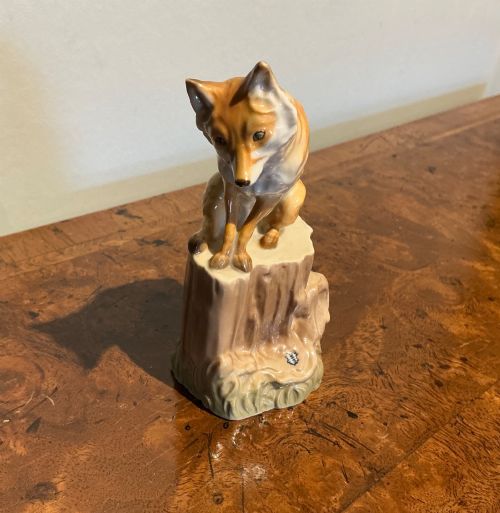
These antique porcelain figures bring character and historic craft to a room, offering the collector charming representations in glazed and biscuit ceramics.
What antique porcelain figures are
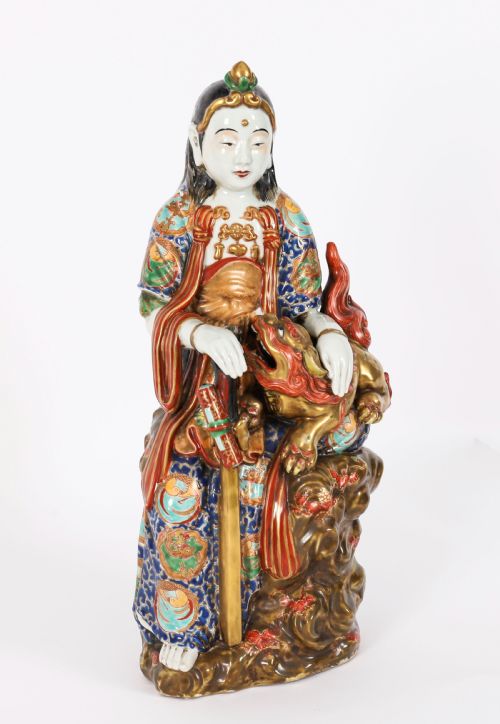
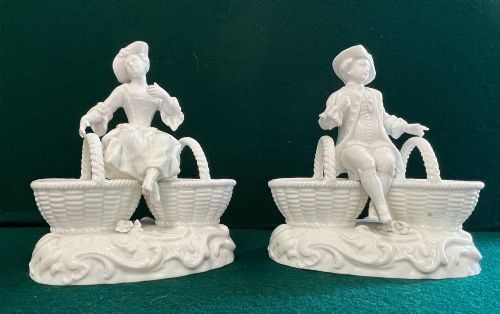
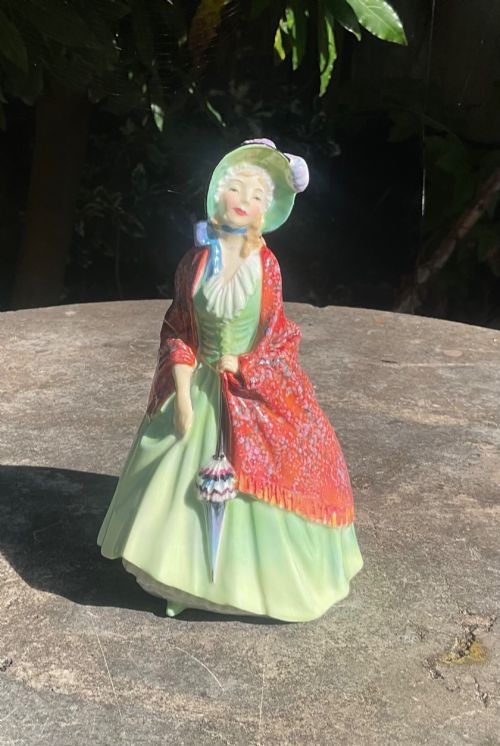
When you search for antique porcelain figures, you are looking at ceramic sculptures produced across the nineteenth century, including Georgian and Victorian periods. These pieces take the form of figurines and decorative groups depicting human subjects such as fisher folk, classical deities, and allegorical representations.
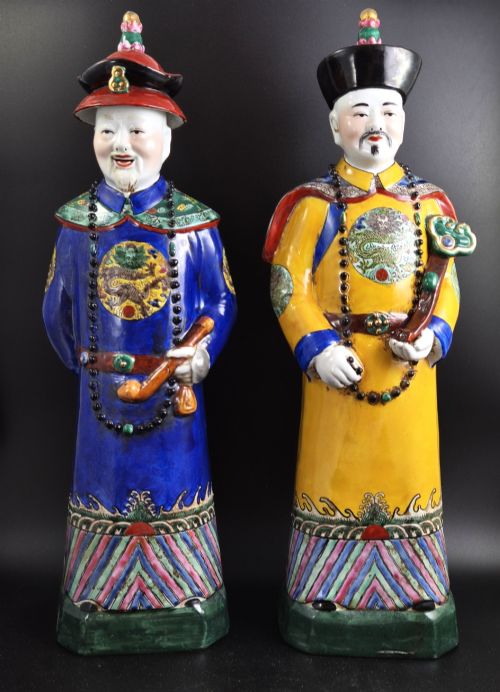
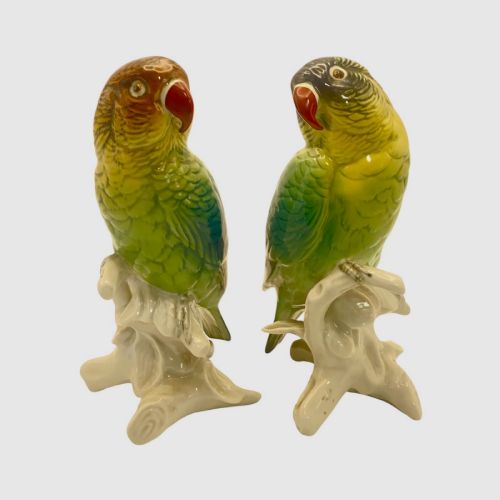
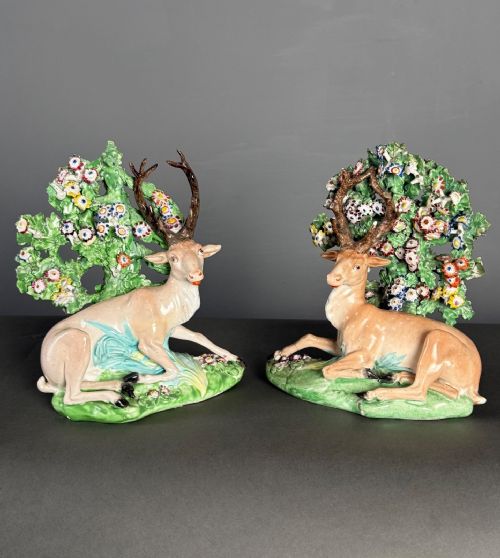
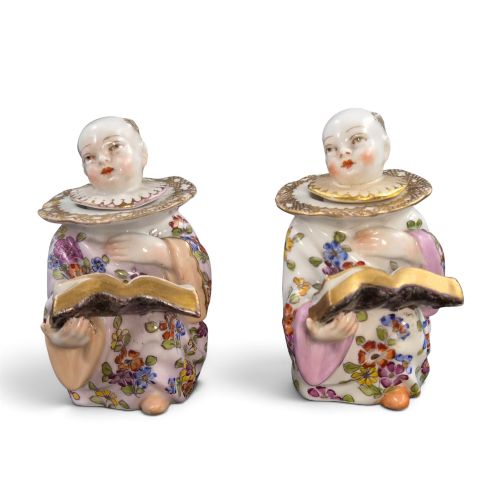
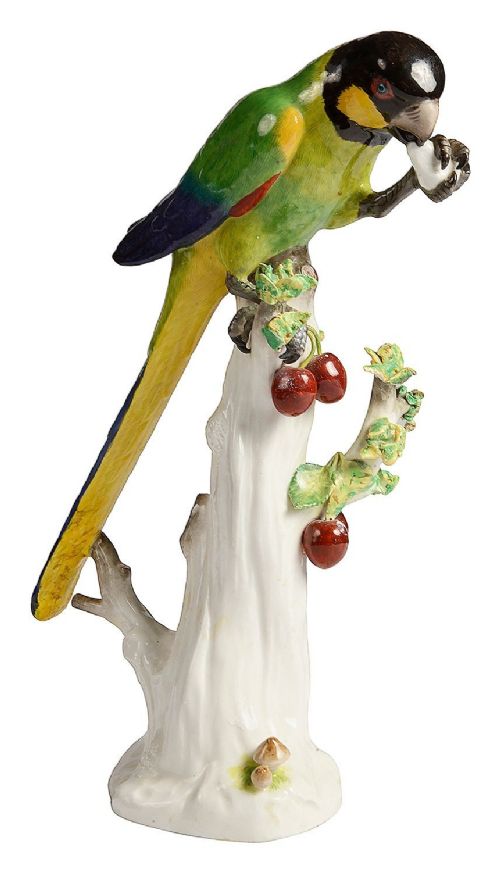
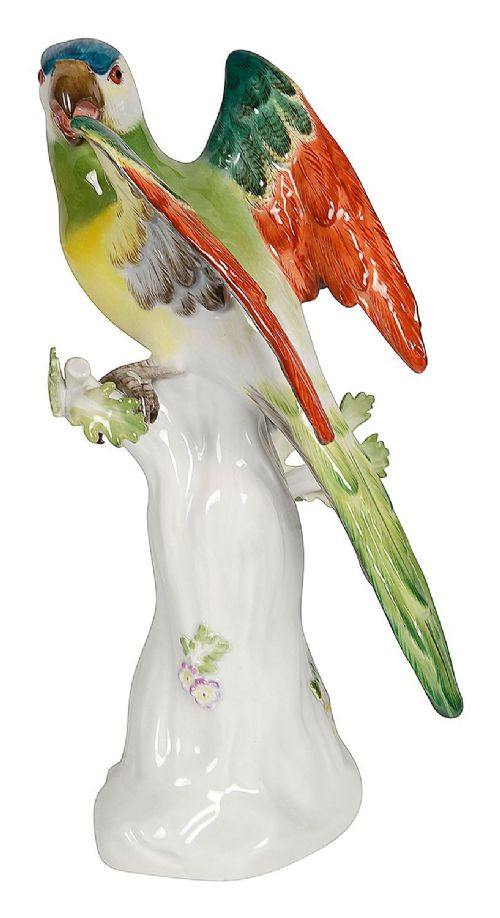
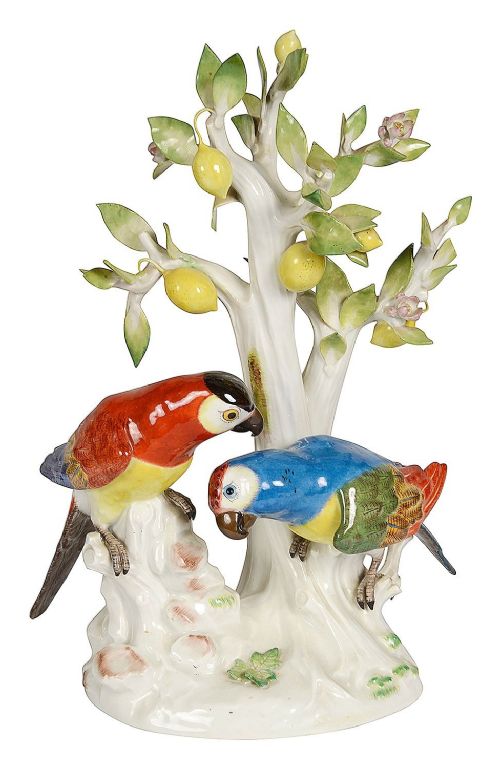
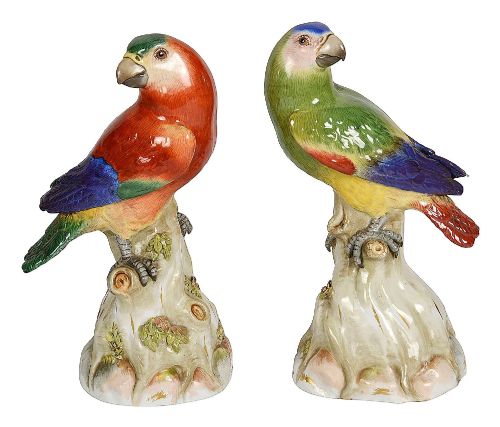
You are most likely to encounter pairs of decorative figures on this page, often originating from continental kilns or English factories. The forms range from cabinet-sized ornaments to large sculptural groups mounted on rustic bases.
The subjects span mythological pairs like Jupiter and Juno, seasonal series, and exotic depictions reflecting nineteenth century tastes. Each piece captures the aesthetic conventions of its manufacturing period, from Regency refinement to Victorian classical revivalism.
How they were made
These figures are constructed from porcelain and biscuit porcelain, shaped through moulding or casting techniques before firing in kilns. Artisans then applied enamel colours and glaze to create the finished surface appearance.
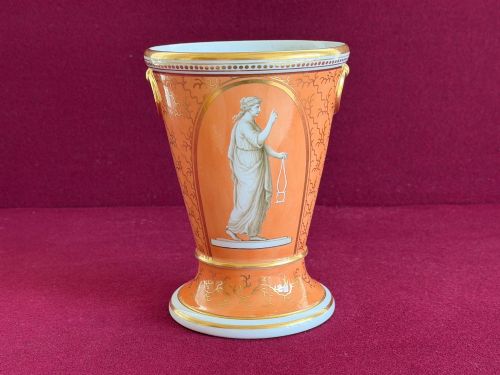
Many examples incorporate delicate details such as gold leaf application to accentuate garments and bases. The combination of unglazed biscuit porcelain and glossy enamel finishes provided contrast in texture and visual depth.
Retail Price Guide 2026
Typical UK retail prices for porcelain figures, calculated from the Sellingantiques database of over a million retail prices indexed since 2003. This retail price guide relies exclusively on Sellingantiques data; no external sources or auction records are used, so the figures do not describe the wider market.
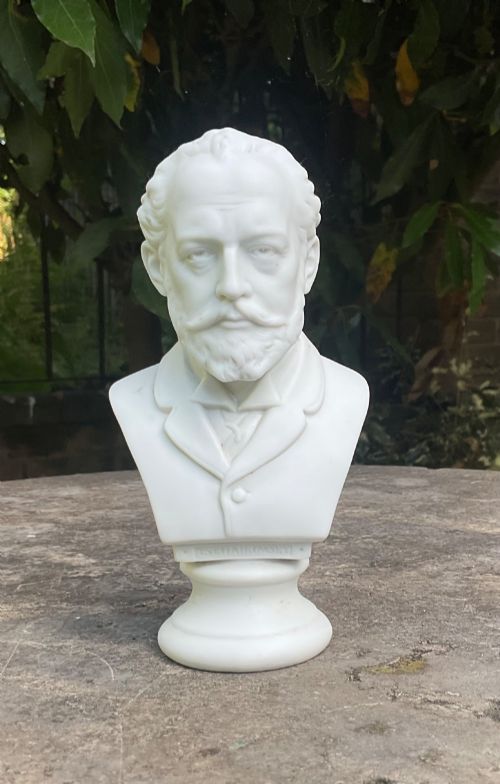
Listings span the nineteenth century, incorporating both glazed porcelain and matte biscuit porcelain.
What varies in quality
The application of glaze and gold leaf distinguishes standard production wares from pieces produced by notable factories. Superior specimens retain crisp details in the biscuit porcelain or glaze without blurring from worn moulds.
Royal Crown Derby·Royal Dux·Samson·Carl Thieme Potschappel·Royal Worcester·Doccia·Royal Vienna
The Antique Porcelain Figures Glossary
- Biscuit porcelain
- Unadorned, unglazed ceramic material that has undergone a single firing to produce a matte, marble-like finish. This surface texture highlights fine sculptural details.
- Enamel
- Vitreous composition fused to the porcelain surface during a secondary firing to provide colour. It allows for detailed painting on figures.
- Glaze
- Glassy coating applied to ceramics and fired to seal the porous body and provide a glossy sheen. It protects the painted enamel beneath.
- Figurine
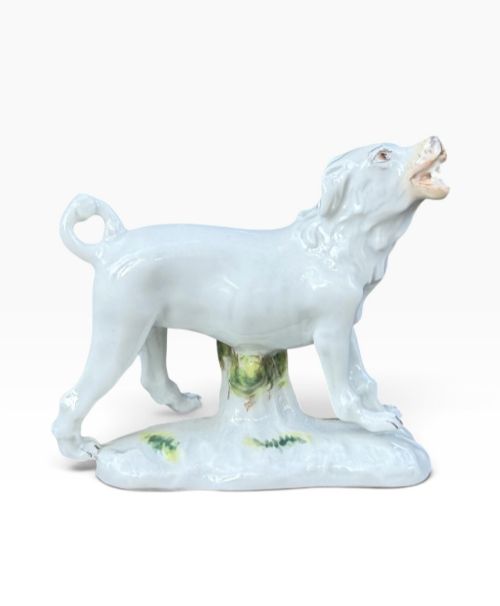
- A small carved or moulded statuette representing a human or animal figure. These are typically designed for interior display.
- Gold leaf
- Metal beaten into extremely thin sheets and applied to ceramic surfaces for decoration. It is found highlighting the borders and details of figures.
Frequently Asked Questions
How do I identify periods of figures?
Period identification relies on observing stylistic markers such as nineteenth century neoclassical drapery or Victorian ornamentation. Formats and base designs often correlate with manufacturing decades.
Factory marks, where present on the underside, provide further confirmation of production dates and origins. Comparing costume details helps distinguish Georgian pieces from later Victorian output.
Where were these figures displayed?
These decorative sculptures were designed for placement on mantelpieces, sideboards, and occasional tables within period interiors. Pairs were frequently arranged symmetrically to anchor a display.
Larger figures required sturdy placement on furniture or specialised rustic bases. Smaller cabinet examples sat within enclosed display cases.
What subjects do figures depict?
Subjects range from classical mythology, such as Jupiter and Juno, to everyday rural occupations like fishing. Allegorical themes, including seasonal representations, also appear frequently.
Nineteenth century makers drew on orientalism and romanticism for exotic or picturesque character studies. Portrait figures and allegories of youth were similarly popular.
How should I clean porcelain figures?
Maintenance involves gentle dusting with a soft, dry brush to prevent particulate accumulation on delicate enamel and gold leaf surfaces. Avoid harsh chemical cleaners that can damage the glaze.
Moisture should be kept away from unglazed biscuit porcelain to prevent staining. Careful handling protects protruding elements such as limbs and accessories from accidental impact.