


Antique Ceramic Statuettes
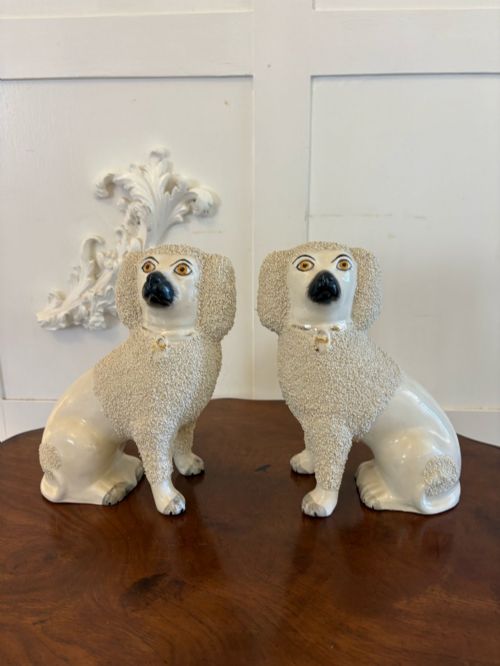
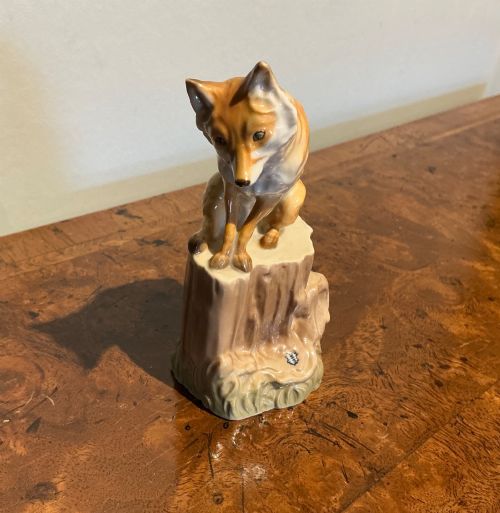
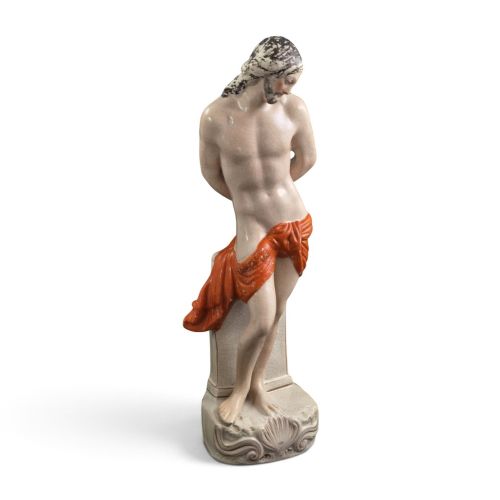
Antique ceramic statuettes bring the character of past centuries directly into a room through modelled figures modelled in porcelain.
Understanding antique ceramic statuettes
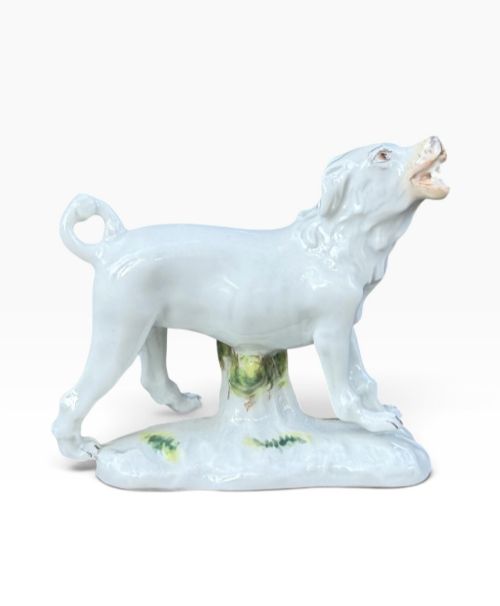
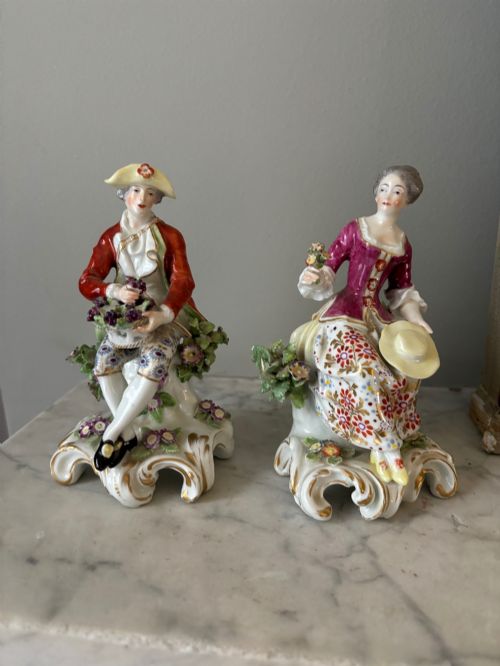
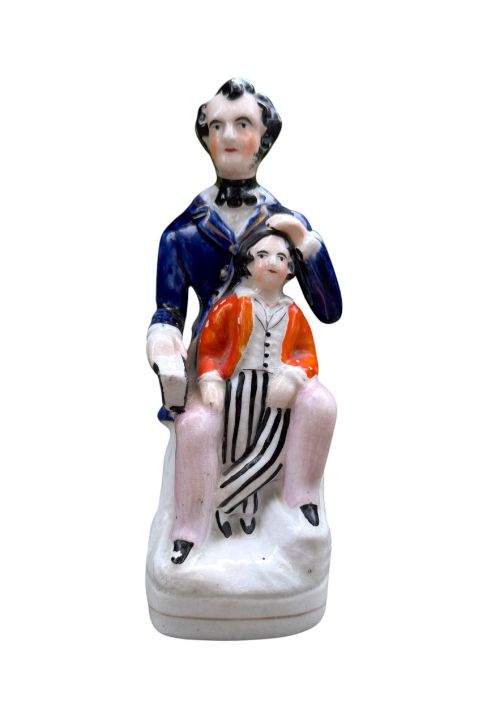
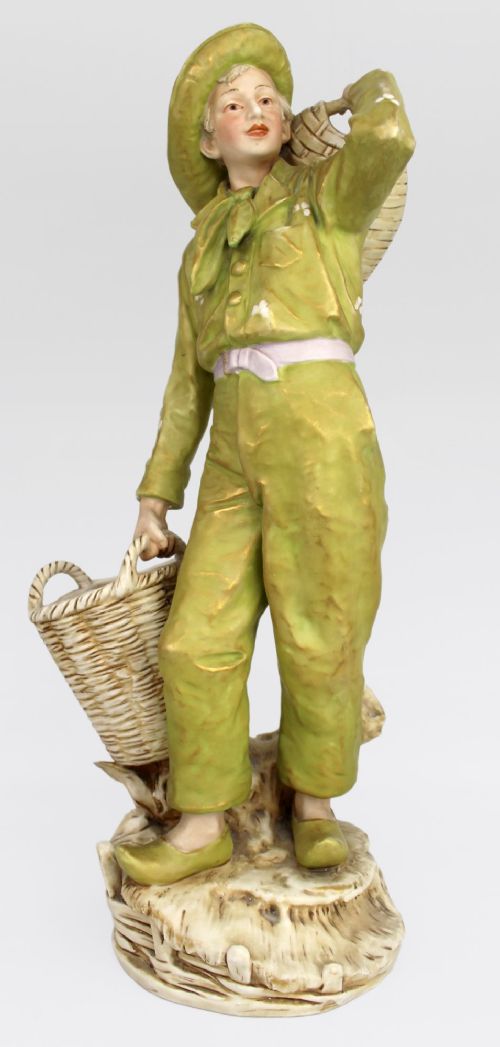
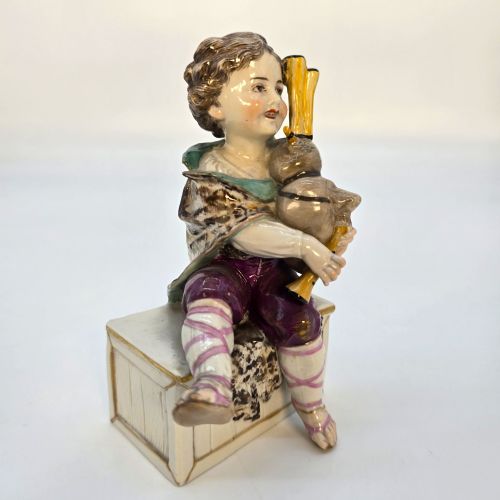
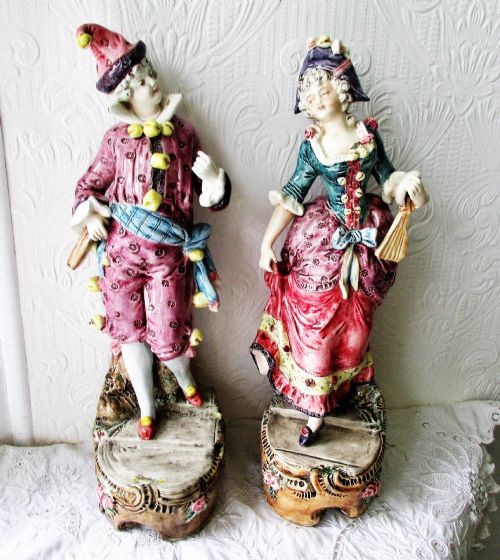
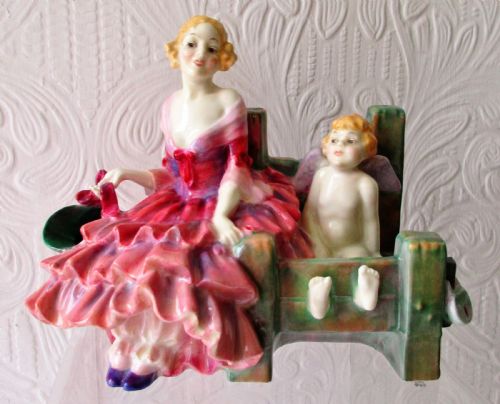
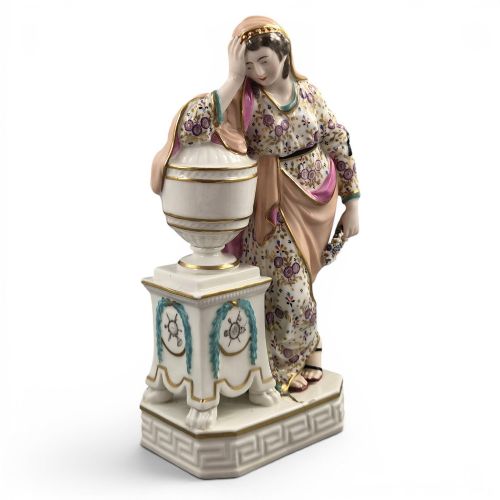
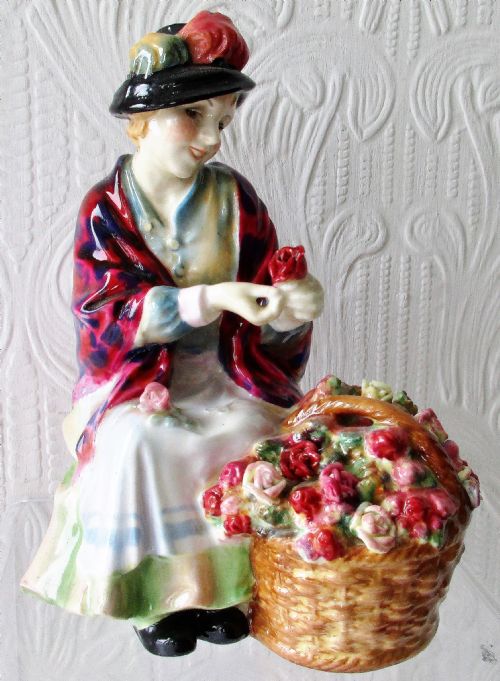
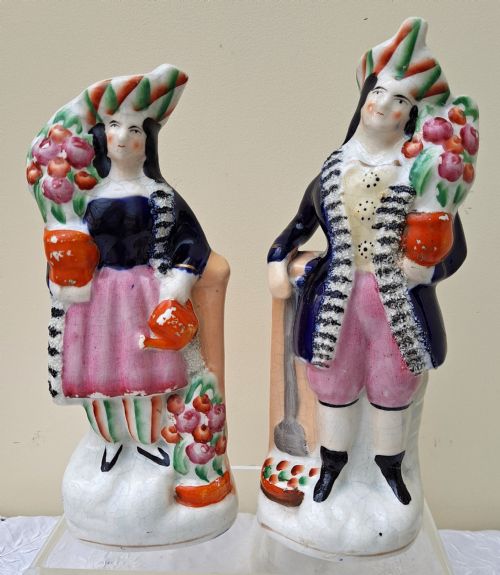
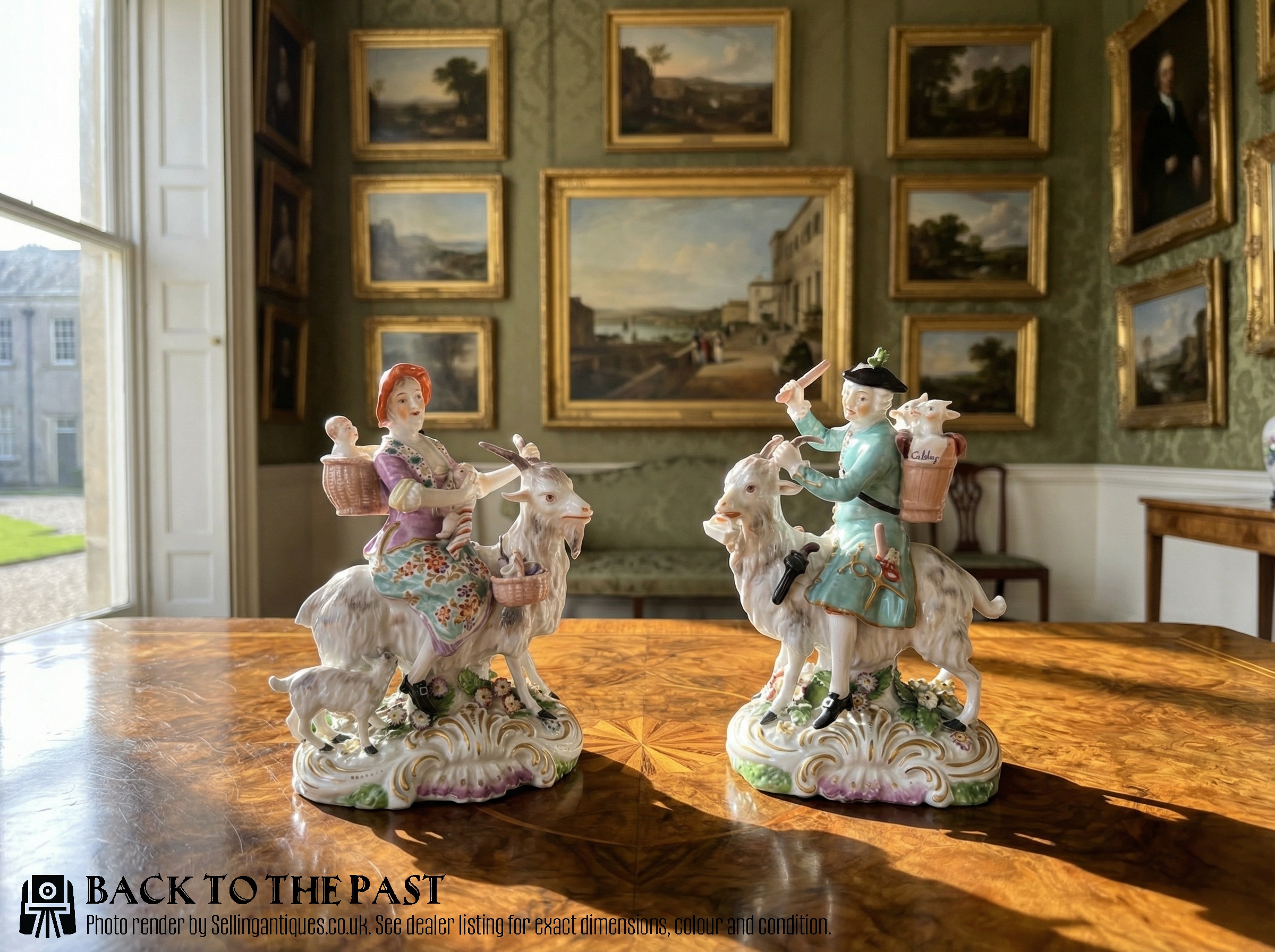
Antique ceramic statuettes take the form of porcelain figurines depicting human subjects, such as a farmer and gardener, a tailor and his wife on goats, or seasonal allegories like autumn and spring. These pieces emerge primarily from the nineteenth century, including works from around eighteen hundred and eighteen eighty.
Makers and workshops adopt diverse aesthetic movements, ranging from Rococo Revival and Georgian tastes to Victorian continental styles and Chelsea-inspired models. Buyers frequently encounter pairs in this selection, often carrying historic gold anchor marks or referencing earlier factory designs.
Materials and construction
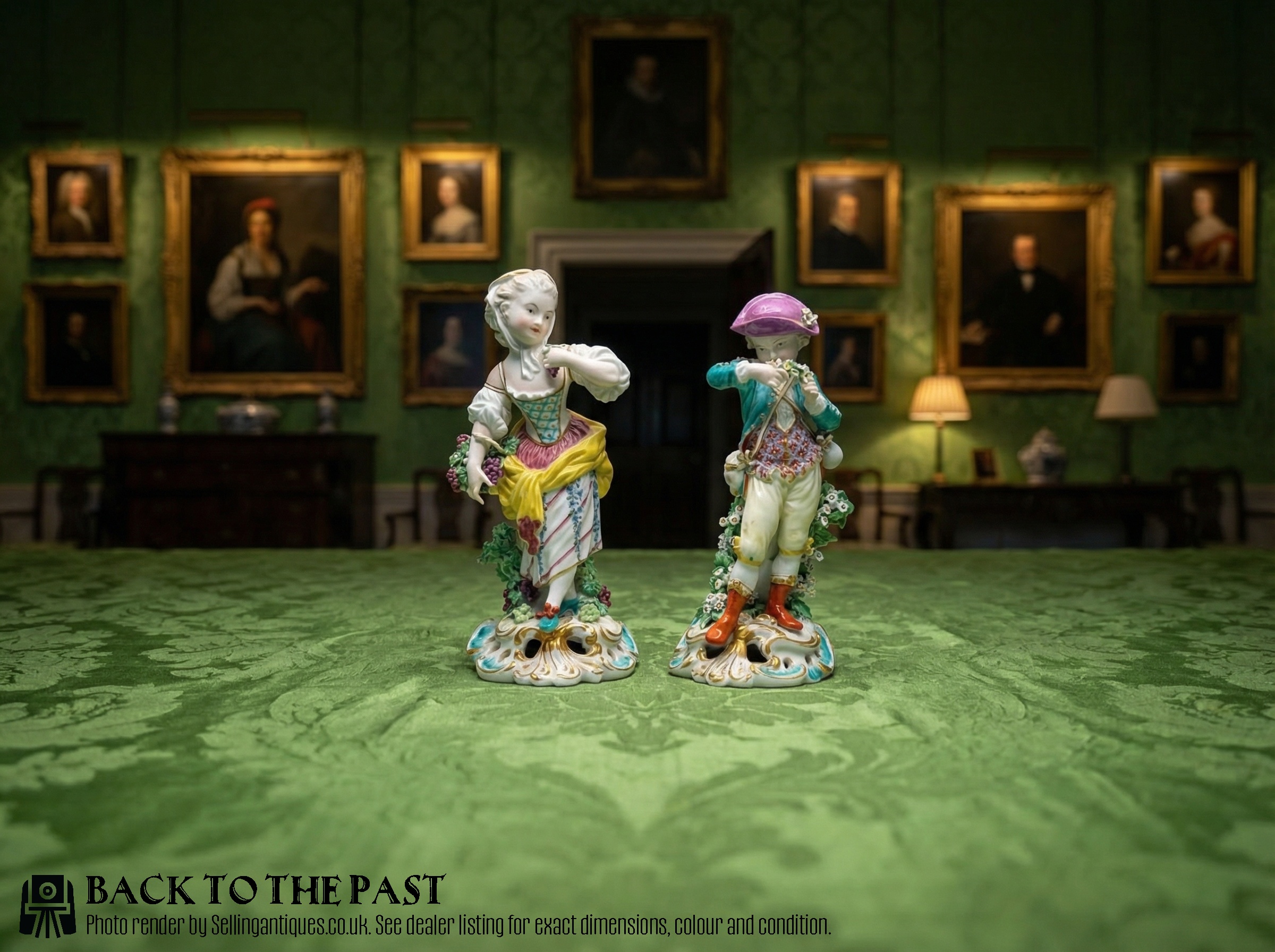
Selected details receive embellishments of gold leaf, adding reflective highlights to garments and decorative flourishes across the figures.
Retail Price Guide 2026
Typical UK retail prices for ceramic statuettes, calculated from the Sellingantiques database of over a million retail prices indexed since 2003. This retail price guide relies exclusively on Sellingantiques data; no external sources or auction records are used, so the figures do not describe the wider market.
The listings span the nineteenth century, including specific dates such as eighteen hundred and eighteen eighty, utilising hard-paste porcelain and enamel.
Judging quality
The distinction between tiers rests upon the fineness of the modelling and the precision of the hand-applied enamel work. Superior examples display crisp definition in facial expressions and drapery, whereas lesser pieces exhibit softer contours and simpler pigment application.
The presence of early factory marks, such as gold anchor symbols, and the ambition of the sculptural composition elevate the standing of a pair within the broader tradition.
Edme Samson·Derby
The Antique Ceramic Statuettes Glossary
- Hard-Paste Porcelain
- A dense, durable ceramic compound composed of kaolin and petuntse fired at extreme heat. This material forms the resilient body typical of fine historical figures.
- Enamel
- A vitreous composition fused to the porcelain surface through secondary firing. It provides the permanent pigments used for clothing and skin tones.
- Gold Leaf
- Extremely thin sheets of beaten gold applied to specific decorative areas. It highlights borders and accessories on select figures.
- Rococo Revival
- A nineteenth-century design movement resurrecting the asymmetric scrolls, curves, and ornate detailing of the eighteenth century. This aesthetic heavily influences many figurative bases.
Frequently Asked Questions
What are antique ceramic statuettes?
Antique ceramic statuettes are modelled porcelain figures depicting people, animals, and allegorical scenes. They date mainly from the nineteenth century and reflect historical tastes like Georgian and Rococo Revival.
These pieces were created primarily as decorative ornaments for mantelpieces and display cabinets. They capture human activities, seasonal themes, and whimsical narratives through careful sculpting.
How were these figures displayed historically?
In period interiors, these statuettes sat prominently on mantelpieces, side tables, and within glass-fronted cabinets. Pairs were often arranged symmetrically to balance a room's decor.
Owners appreciated them as conversation pieces that demonstrated refinement and an interest in classical or pastoral subjects. Their colourful enamels and gilt highlights brightened candlelit drawing rooms.
How do I care for porcelain statuettes?
Porcelain statuettes require gentle handling and placement away from areas prone to accidental knocks. Dusting should be done lightly with a soft, dry brush to protect delicate protruding details.
Avoid using harsh cleaning agents or submerging the figures in water, as moisture can harm historic enamel and gold leaf decorations. Stable indoor environments prevent thermal shock to the ceramic body.
How do I distinguish different periods?
Distinguishing periods involves examining the style of modelling, the composition of the porcelain body, and any factory marks present on the base. Victorian continental pieces often display different weight and glaze characteristics compared to earlier Georgian works.
Reference to specific revival styles, such as Rococo Revival, helps date pieces that imitate eighteenth-century models like those from Chelsea or Derby. Comparing painted details provides further clues to the era of manufacture.