



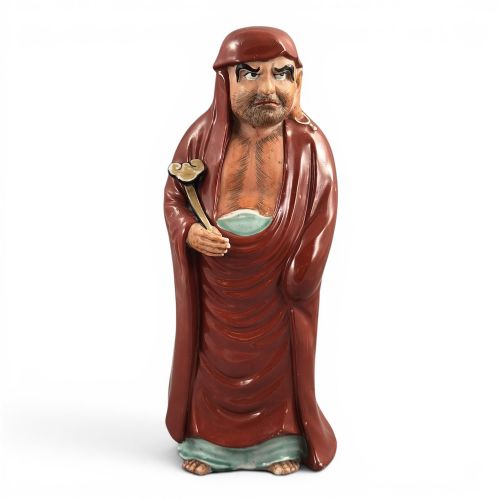
Vintage Ceramic Figurines
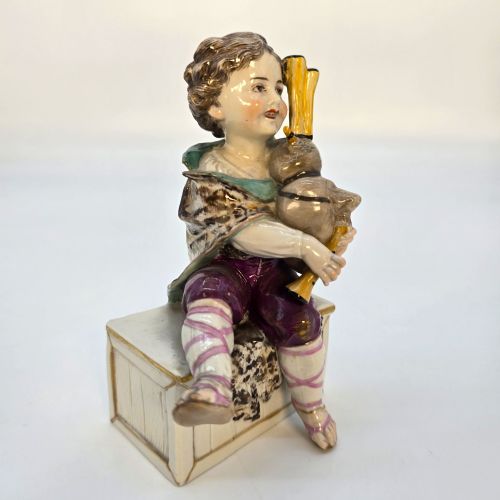
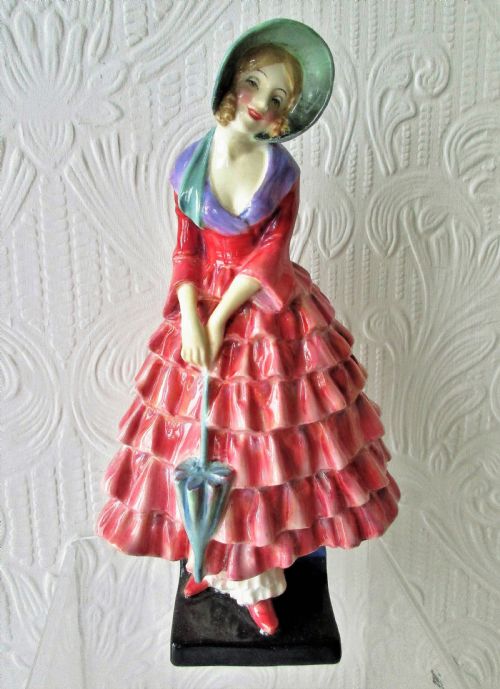
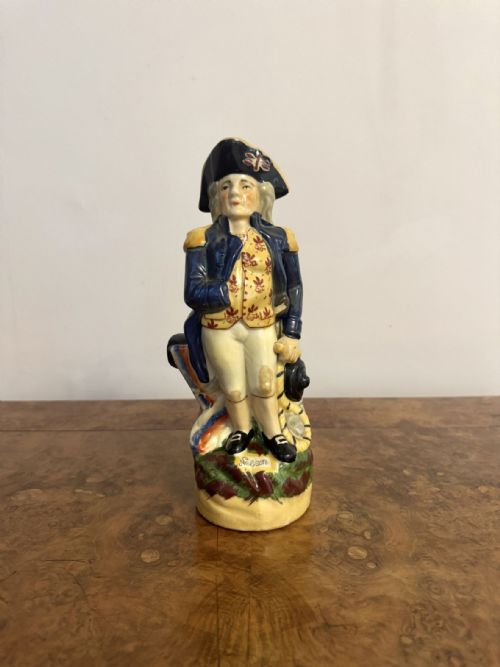
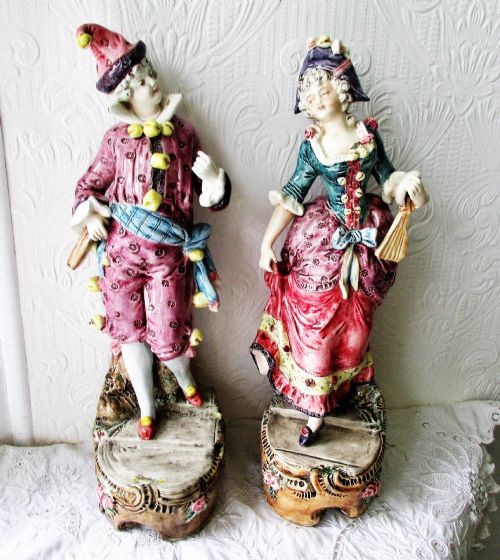
These vintage ceramic figurines encompass painted earthenware, bone china and terracotta objects spanning the eighteenth century to the mid-twentieth century.
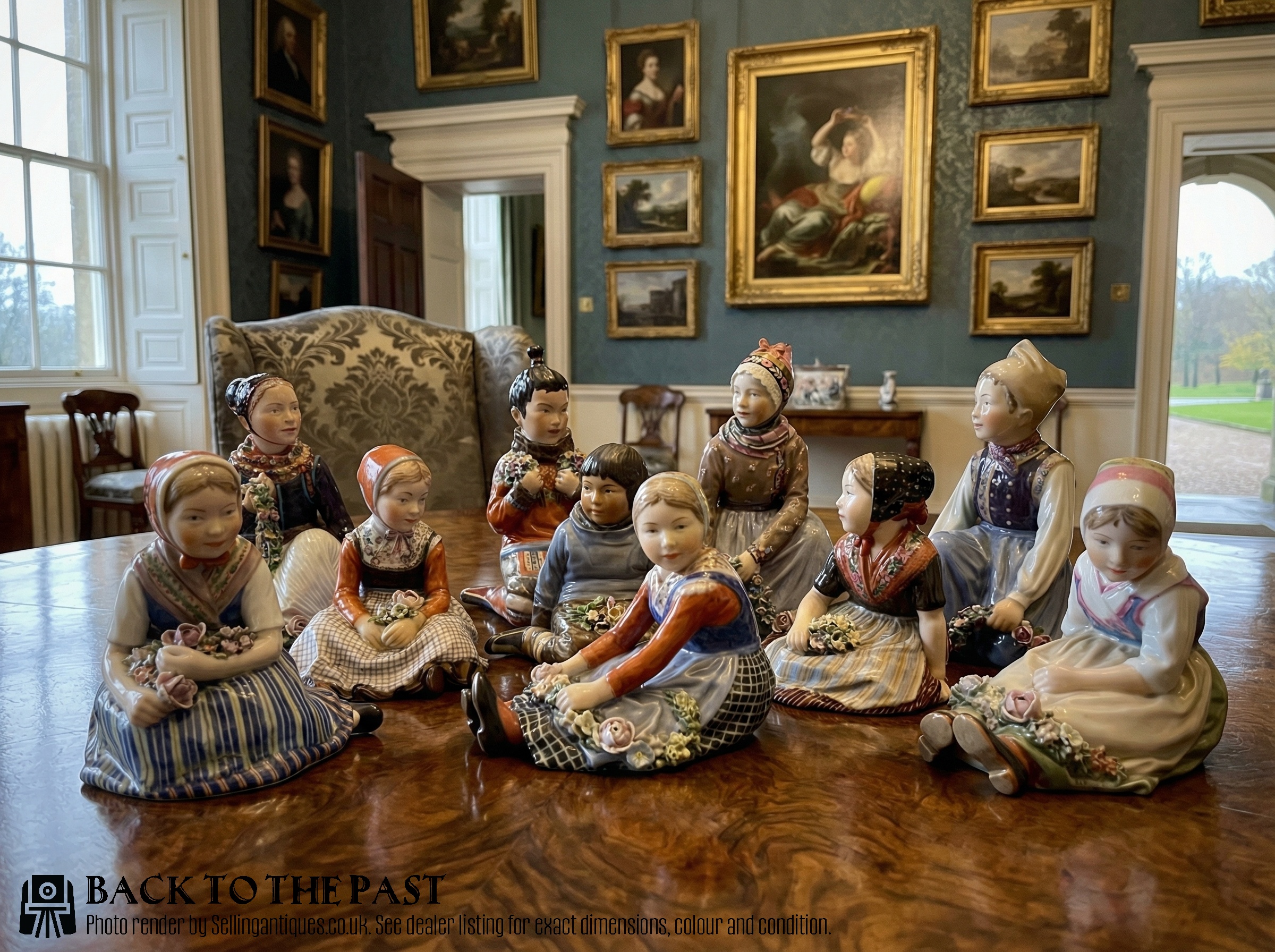
Vintage Ceramic Figurines
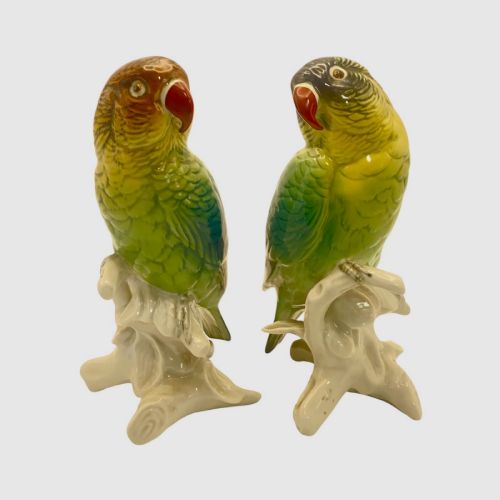
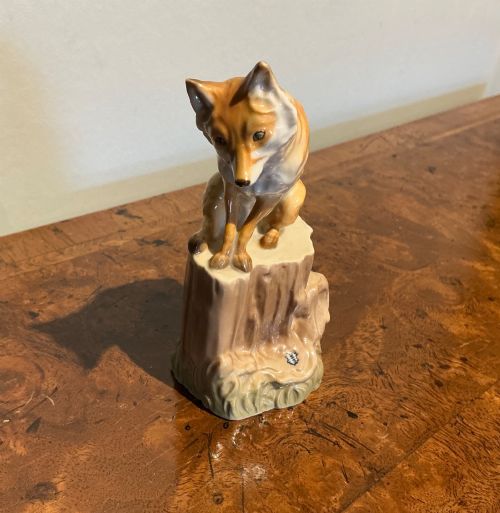
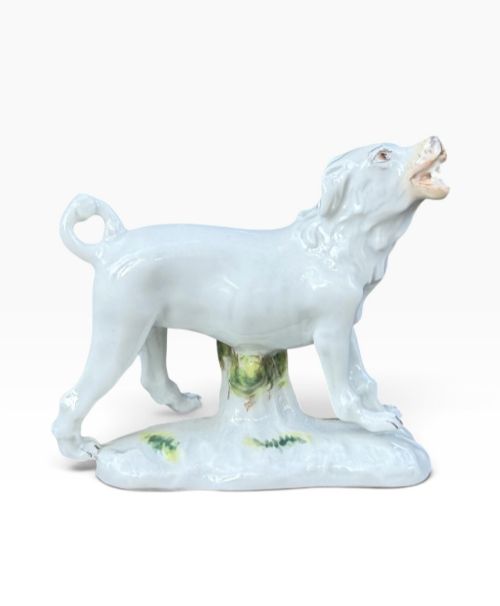
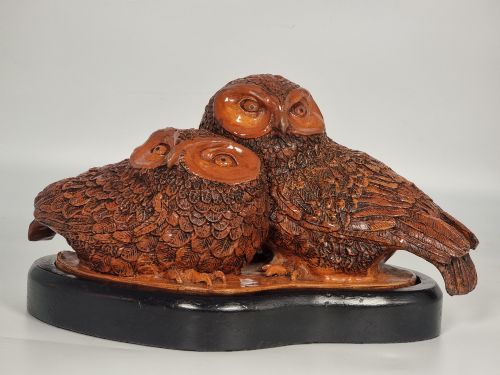
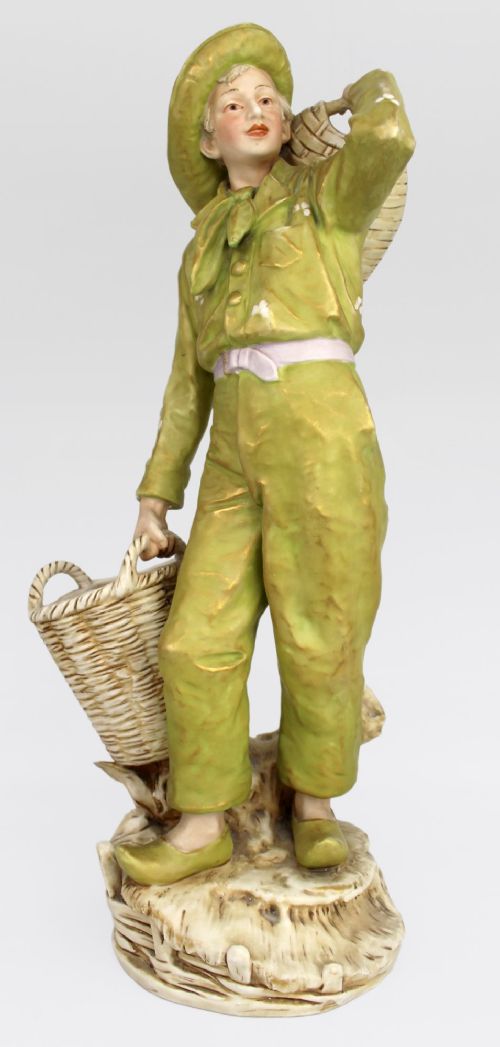
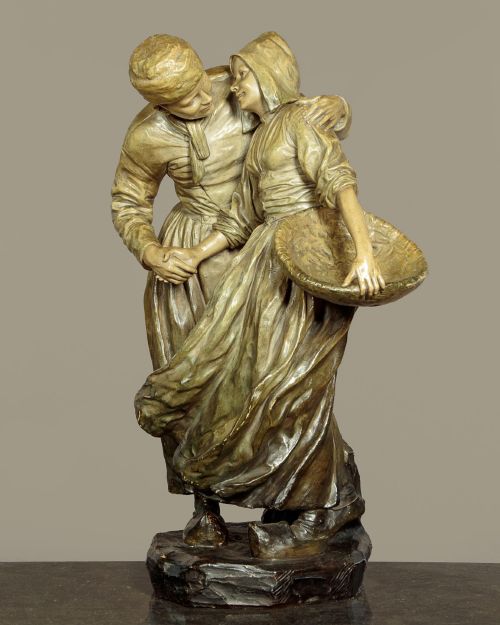
When you search for vintage ceramic figurines, you encounter modelled representations of humans, animals and mythical figures produced across European and Asian potteries. The selection spans straightforward earthenware domestic ornaments and intricate porcelain groupings modelled in distinct historical styles.
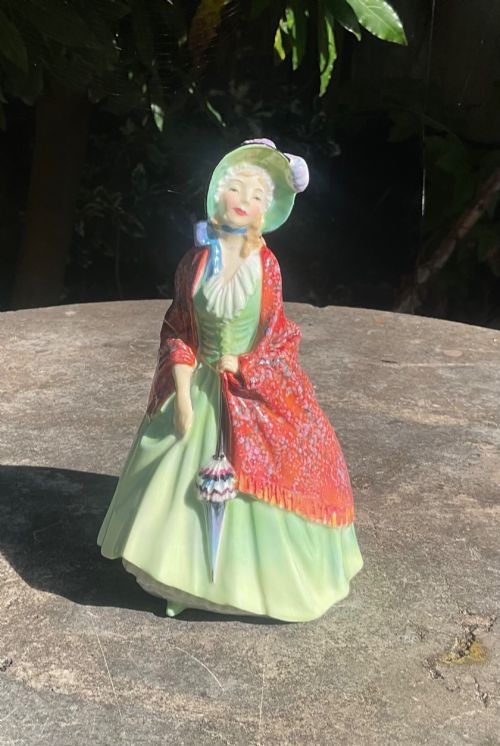
The most prevalent examples on this page date from the late nineteenth century through to the 1940s, featuring studio pottery works, Staffordshire earthenware dogs and mass-modelled figures from factories such as Royal Doulton. These pieces capture domestic subjects, literary characters and animal studies executed in glazed and unglazed bodies.
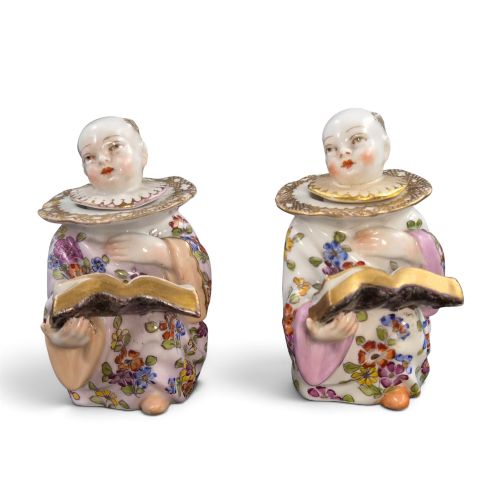
Forms extend beyond standalone shelf ornaments to include functional items such as figural inkwells, bookends and table lamps. Makers applied diverse techniques, from hand-sculpted studio earthenware to slip-cast porcelain finished with enamel and gold leaf accents.
Materials and production methods
The construction of these pieces relies on ceramic bodies including porcelain, bone china, earthenware and terracotta. Artisans shaped these materials through hand-sculpting or by casting clay in moulds before applying glazes, enamel paints and occasional gold leaf details.
Firing techniques determined the final surface finish, ranging from the high-temperature vitrification of hard-paste porcelain to the porous, matte texture of terracotta and studio earthenware. Enamel decoration was often applied over or under the glaze before a secondary kiln firing fixed the colour.
Objects span diverse global traditions, including English porcelain, German decorative porcelain, Dutch Delftware and Japanese Kutani ware.
Assessing quality in ceramic figures
The reputation of the studio, factory or modeller heavily influences the standing of an object. Works bearing attribution to established model makers or prominent potteries demonstrate a higher standard of artistic execution than unmarked commercial wares.
Royal Doulton·Karl Ens·Edmé Samson·Meissen·Royal Dux Bohemia·Goldscheider·Volkstedt Rudolstadt Factory·Charles Vyse·HB Quimper·Royal Worcester
The Vintage Ceramic Figurines Glossary
- Earthenware
- A porous pottery body fired at lower temperatures, requiring an impermeable glaze to hold liquids.
- Bone china
- A type of porcelain incorporating bone ash, producing a strong, translucent white body.
- Terracotta
- An unglazed, reddish-brown earthenware used for modelled sculptures and architectural ornaments.
- Slip
- A liquid mixture of clay and water used for casting in moulds or for surface decoration.
- Enamel
- Opaque glass-based paints applied to the fired ceramic surface to add polychrome detail.
Vintage Ceramic Figurines: Frequently Asked Questions
Were these figures meant for display?
Most pieces served as decorative ornaments intended for mantelpieces, side tables and glass cabinets in domestic interiors. Certain items, such as figural inkwells, combined ornamental modelling with functional utility.
Larger terracotta animal sculptures were designed to sit directly on the floor or hearth. Smaller figures reflected popular literary characters, historical themes or sentimental domestic scenes of their respective eras.
What is the difference between porcelain and earthenware?
Porcelain is a vitrified, non-porous ceramic fired at high temperatures until the clay body becomes dense and translucent. It resists moisture entirely even without glaze.
Earthenware is fired at lower temperatures, leaving the clay body porous and opaque. It requires a fused glass glaze to seal the surface and prevent liquid absorption.
How can I identify the period of a figure?
Dating relies heavily upon factory backstamps, impressed model numbers and registration marks stamped directly into the clay base. These factory marks often correspond to specific operational years or Victorian patent office codes.
Stylistic indicators, such as the geometric lines of Art Deco or the flowing motifs of Art Nouveau, also help narrow down the production decade. Comparing the modelling style with documented works by known makers provides further chronological context.