





Pair of China Figurines
A pair of china figurines brings character and symmetry to a mantelpiece, offering traditional ceramic artistry across centuries of domestic display.
Pair of China Figurines
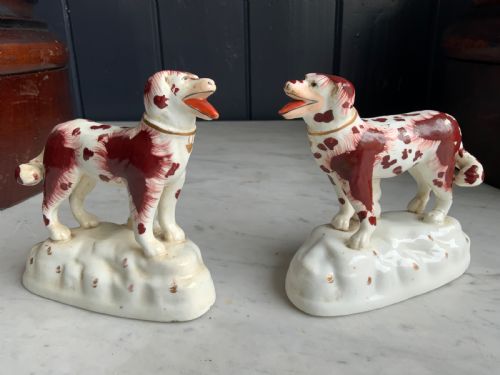
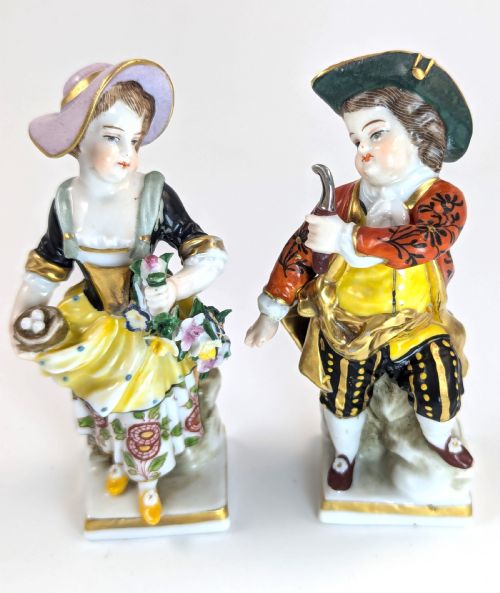
A pair of china figurines consists of matching decorative ceramic or porcelain sculptures designed to balance a mantel, side table, or shelf. The selection on this page draws heavily from the nineteenth century, featuring Victorian Staffordshire dogs alongside French and English porcelain subjects.
Buyers will encounter varied forms ranging from animals and putti to allegorical figures representing seasons or elements. These objects span periods from the eighteenth century up to the nineteen-thirties, reflecting diverse European ceramic traditions.
Staffordshire pottery figures, particularly spaniels and cows, represent a substantial portion of the available groupings. Alongside these earthenware pieces, finer porcelain examples from factories such as Chelsea, Derby, and Paris demonstrate more delicate modelling and glaze work.
Distinctions in quality and execution
The finesse of the modelling and the precision of the hand-painting set finer examples apart from mass-produced work. Superior pieces exhibit crisp facial expressions, careful rendering of drapery or fur, and controlled application of enamel colours.
The choice of body material also influences character, as translucent soft-paste porcelain allows for finer detail than thicker earthenware. Artisans who employed gold leaf and rich cobalt blue underglazes achieved a depth of finish missing in simpler commercial output.
Listings feature porcelain, earthenware, and tin-glazed earthenware materials across periods spanning the eighteenth century to nineteen-thirty.
Bow Porcelain·Chelsea Anchor Mark·Letu and Mauger·Chantilly·Mabel Lucie Attwell Shelley·Derby Porcelain·Samson·Beswick
The Pair of China Figurines Glossary
- Soft-paste porcelain
- A glassy ceramic material fired at lower temperatures than hard-paste porcelain, common in eighteenth-century English factories. It has a warm, slightly creamy appearance beneath the glaze.
- Tin-glazed earthenware
- Pottery coated with a white glaze containing tin oxide to provide an opaque surface for painted decoration. This technique underpins traditional Dutch Delftware production.
- Biscuit porcelain
- Unglazed porcelain fired once to create a matte, porous surface resembling white marble. French factories frequently utilised this finish for sculptural figures.
- Enamel
- Low-fusion coloured glass applied over a fired glaze and heated again to fuse it to the surface. It allows for bright reds, greens, and blues on finished ceramic bodies.
- Underglaze
- Pigment applied to a ceramic piece before the transparent glaze is applied and fired. This protects the painted design beneath a glassy layer.
Pair of China Figurines: Frequently Asked Questions
How should I display a pair of china figurines?
Place them symmetrically on either side of a central object, such as a clock or mirror, on a mantelpiece or sideboard. This arrangement honours the traditional pairing intended by the maker.
Ensure they sit out of direct sunlight and away from heavy traffic areas to protect delicate painted surfaces and gilded highlights from accidental knocks.
What is the difference between earthenware and porcelain figures?
Earthenware figures, like those from Staffordshire, have a thicker, opaque ceramic body and often feature hand-painted enamel colours over the glaze. Porcelain figures offer a more refined, sometimes translucent body with finer details.
Porcelain pieces generally originate from specialised factories with sophisticated kilns, whereas many earthenware animals served a more rustic domestic market.
How do I clean antique china figures safely?
Dust them gently using a soft, dry artist's brush to remove surface particles without disturbing fragile painted details or gilding. Avoid using water or chemical cleaners, particularly on earthenware or pieces with overglaze enamel.
If cleaning is essential, consult a professional conservator rather than risking moisture damage to the porous ceramic body or historic pigments.
Can I date a figure by its glaze or markings?
Factory marks, impressed numbers, and the character of the glaze provide strong clues to a piece's age and origin. Soft-paste bodies and tin-glazed surfaces often point toward eighteenth-century production, while later nineteenth-century pieces display different potting traits.
Comparing the painting style and modelling with documented examples from known makers helps confirm the period of manufacture.