

Hand Painted Ceramic Figure
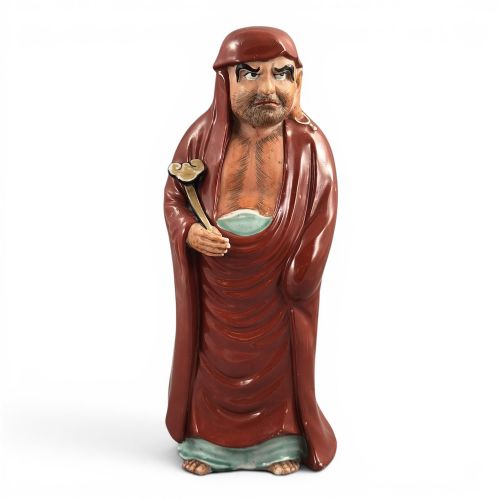
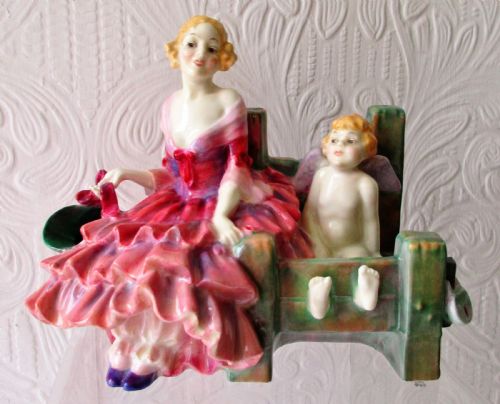
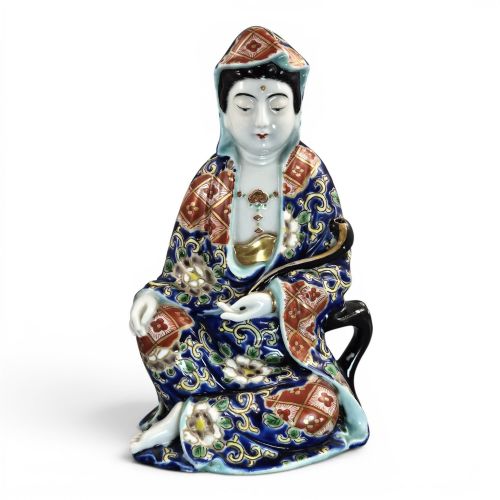
A hand painted ceramic figure brings character to a room through centuries of modelled clay and pigment.

What these figures are
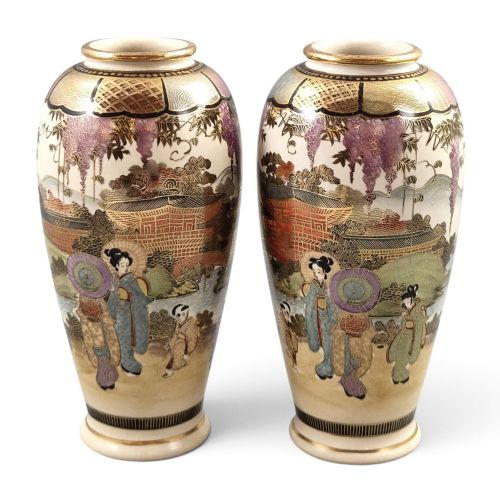
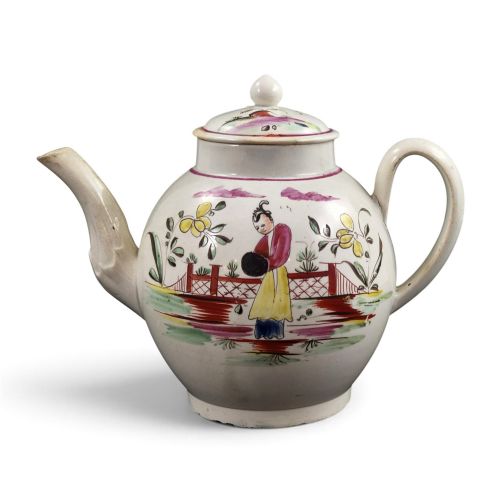
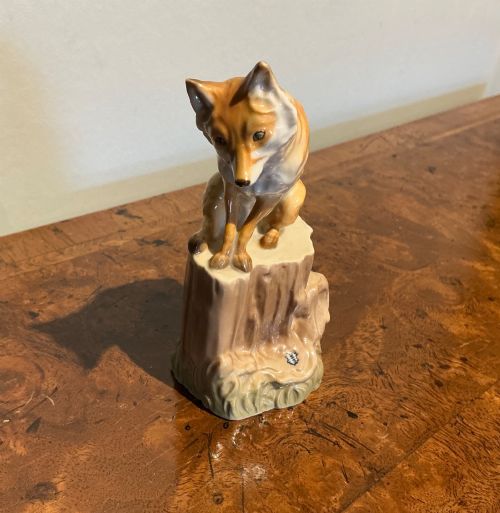
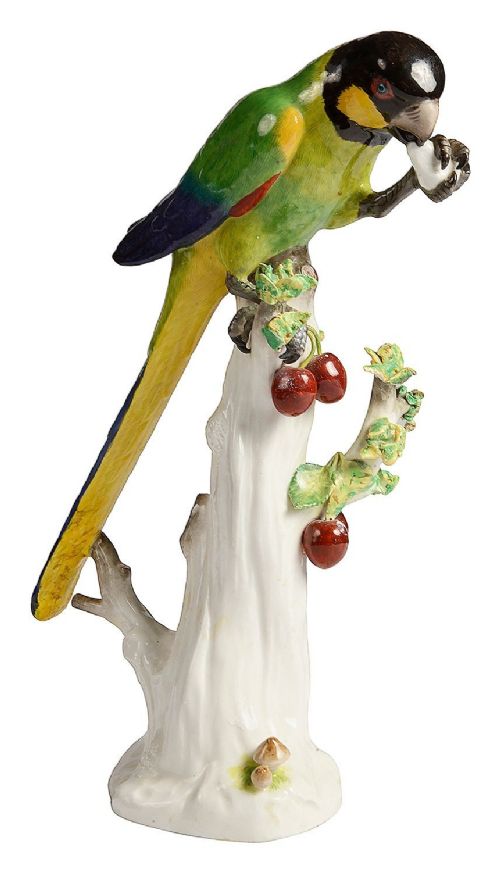
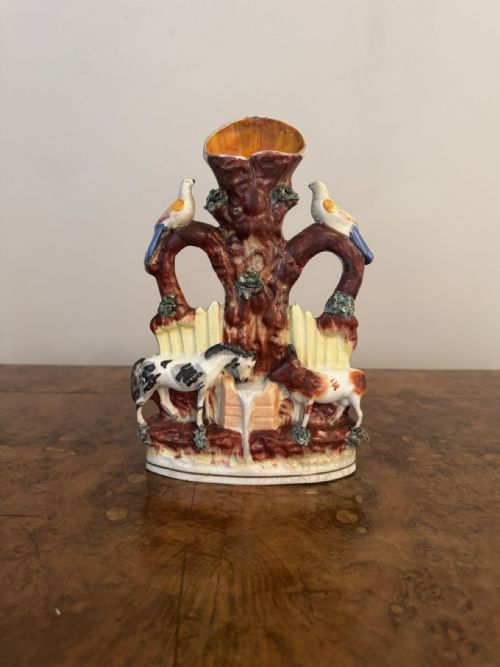
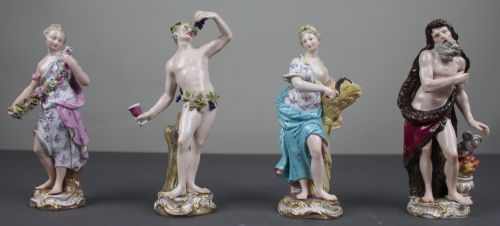
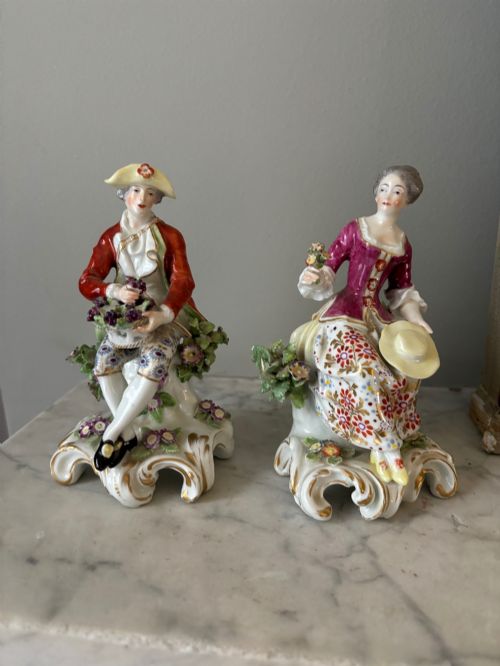
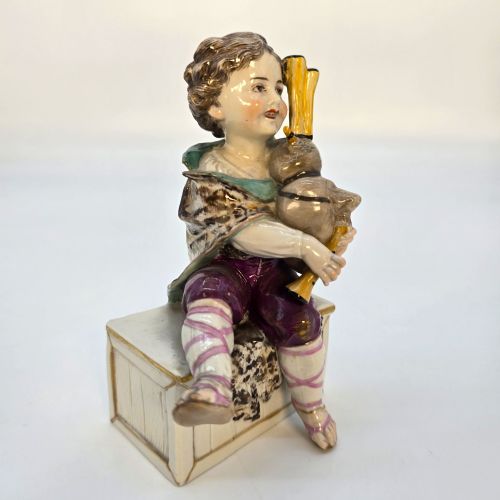
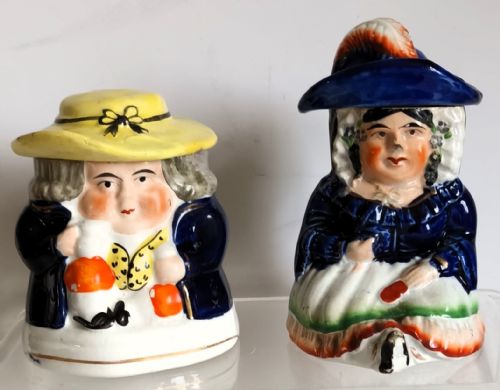
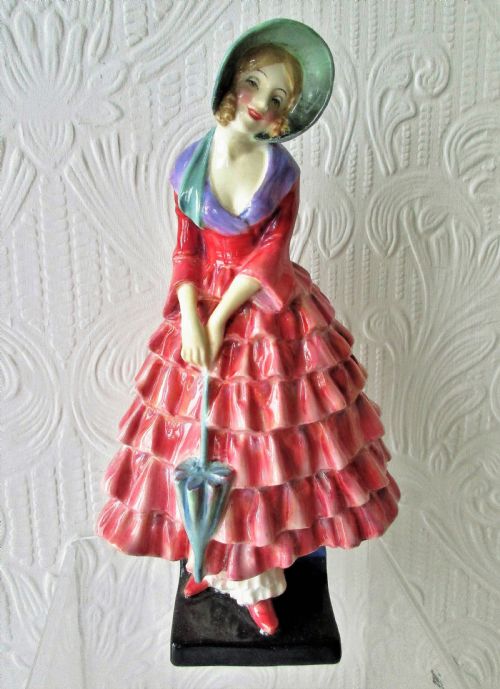
When you search for a hand painted ceramic figure, you are looking at modelled pieces ranging from the nineteenth century to the Edwardian period. The selections here include porcelain figurines, spill vases, decorative objects, and pottery watch-holders.
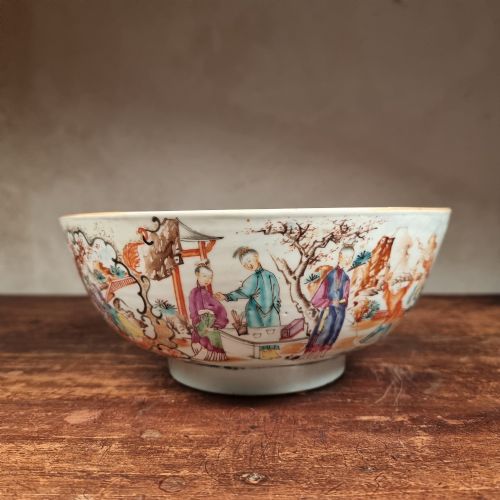
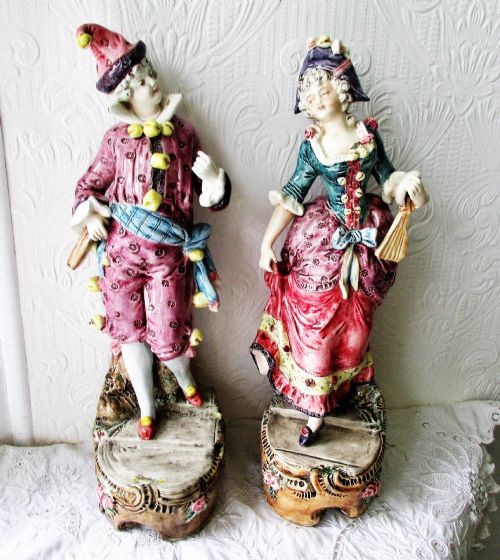
Most examples you will meet on this page come from European and Japanese traditions, spanning Victorian Staffordshire, German factories like Sitzendorf and Carl Thieme, French Samson porcelain, and Japanese Arita wares.
Subjects vary from historical and literary figures such as William Smith O'Brien and Jigoku Dayū to allegorical groups, skaters, and gallant musicians.
How they were made
Makers utilised earthenware and porcelain as base bodies, shaping them into elaborate forms before applying detailed enamel glaze and enamel colours by hand. Many pieces incorporate gold leaf or gold gilt highlights to accentuate garments and bases.
Factories such as Sitzendorf, Samson, and Carl Thieme employed skilled modellers and painters to execute intricate decorative styles, including Rococo Revival elements and Dresden porcelain traditions.
Retail Price Guide 2026
Typical UK retail prices for hand painted ceramic figure, calculated from the Sellingantiques database of over a million retail prices indexed since 2003. This retail price guide relies exclusively on Sellingantiques data; no external sources or auction records are used, so the figures do not describe the wider market.
Current listings feature pieces spanning the 1850s to the Edwardian period, utilising porcelain, earthenware, and gold gilt.
What varies in quality
The standard of modelling and the precision of the hand painting define the upper tier of these ceramic works. Finer pieces display crisp facial expressions, careful shading in the enamel glaze, and cleanly applied gold leaf rather than heavy or hurried brushwork.
Samson Paris·Sitzendorf porcelain·Carl Thieme Potschappel·Staffordshire pottery
The Hand Painted Ceramic Figure Glossary
- Porcelain
- A hard, fine-grained ceramic material fired at high temperatures. It forms the smooth, white body of many continental figurines.
- Earthenware
- A porous, opaque pottery body fired at lower temperatures. It is typical of nineteenth-century Staffordshire figures.
- Enamel glaze
- A vitrified coating fused to the ceramic body during firing. It provides a glossy protective surface over the hand-painted pigments.
- Spill vase
- A hollow vertical holder attached to a figure, designed to hold wooden spills for lighting candles or fires.
- Gold leaf
- Extremely thin sheets of beaten gold applied to decorative surfaces. It is used sparingly to highlight borders and details.
Frequently Asked Questions
What are ceramic figures?
These are three-dimensional modelled sculptures made from earthenware or porcelain and finished with hand-applied paints and glazes. They represent human subjects, historical events, and allegorical scenes.
Craftsmen shaped the clay into moulds or worked it by hand before firing and decorating each piece individually.
How were spill vases used?
A spill vase incorporates a small cylindrical holder alongside the main figural sculpture. Victorian households used them to hold thin wood spills for transferring flames from the hearth to candles and lamps.
They combined practical utility with domestic decoration on mantelpieces.
How do I identify Victorian Staffordshire?
Staffordshire figures typically utilise earthenware bodies with bright enamel colours and simple forms. They often depict notable historical personages, literary characters, or domestic watch-holders.
Production centres in England focused on robust modelling rather than translucent porcelain.
Where were Dresden style figures made?
Many fine porcelain figures associated with the Dresden style originated in German factories such as Sitzendorf and Carl Thieme in Potschappel. These works date from the nineteenth and early twentieth centuries.
They are noted for Rococo Revival styling and delicate hand-painted details.