


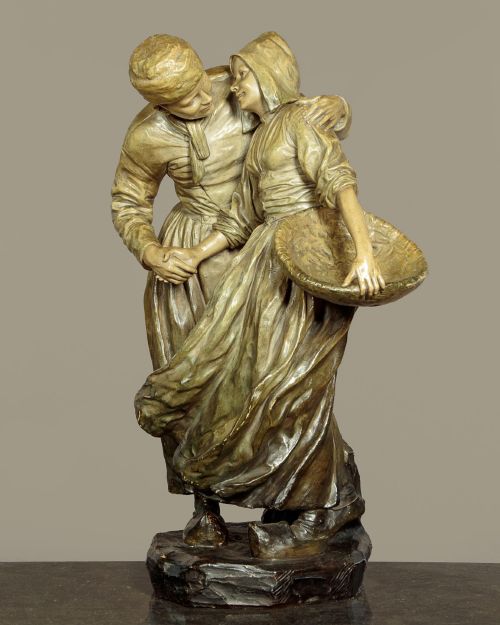

Antique Earthenware Figurine
These antique earthenware figurine pieces capture Victorian portraiture and folk art traditions through modelled clay, offering collectors distinct snapshots of nineteenth century subjects.

What these pieces are
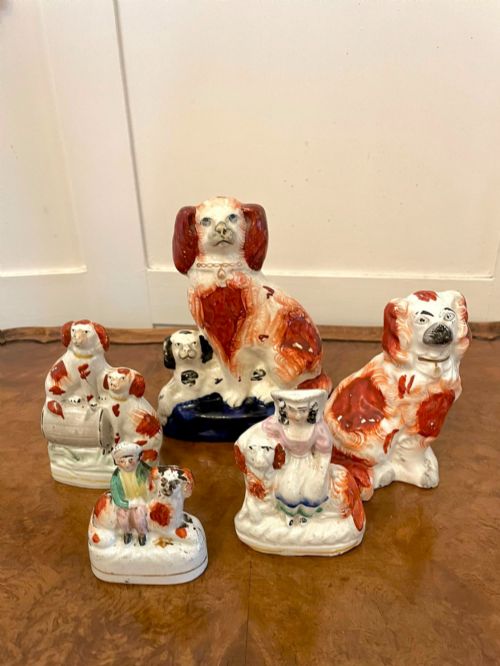
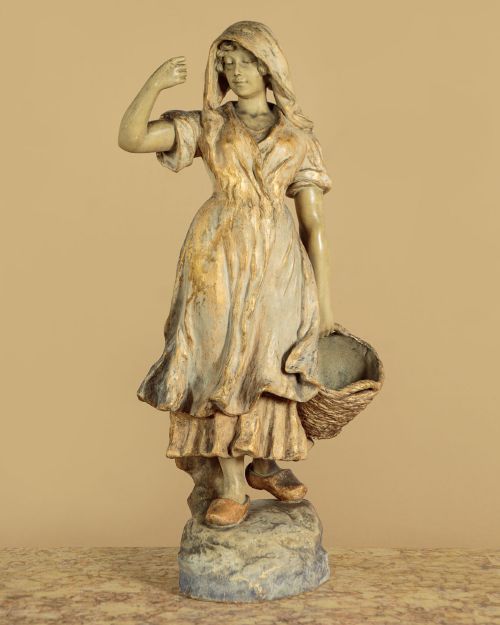
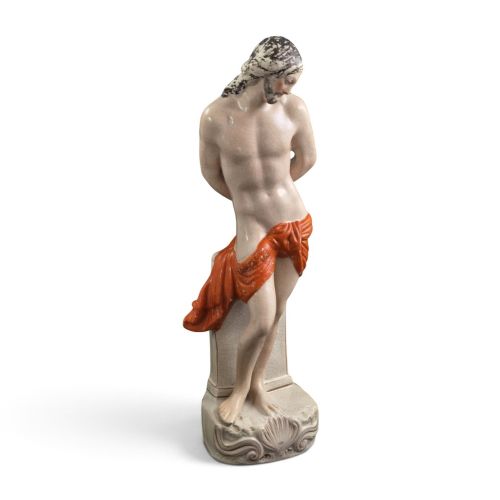
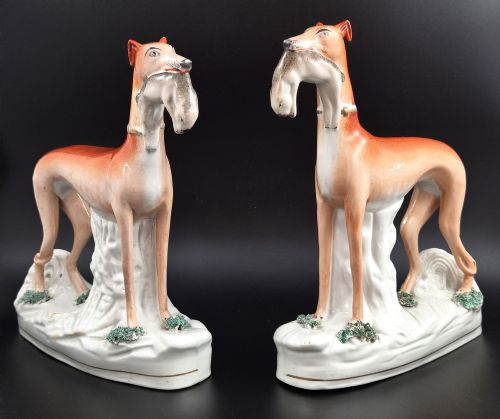
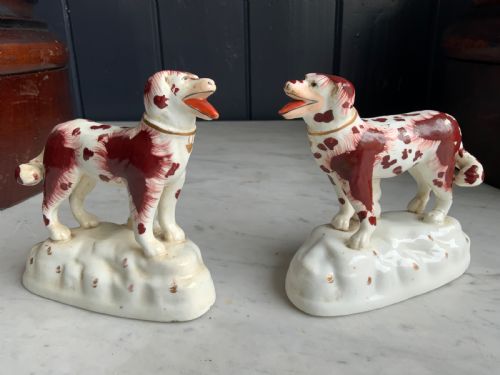
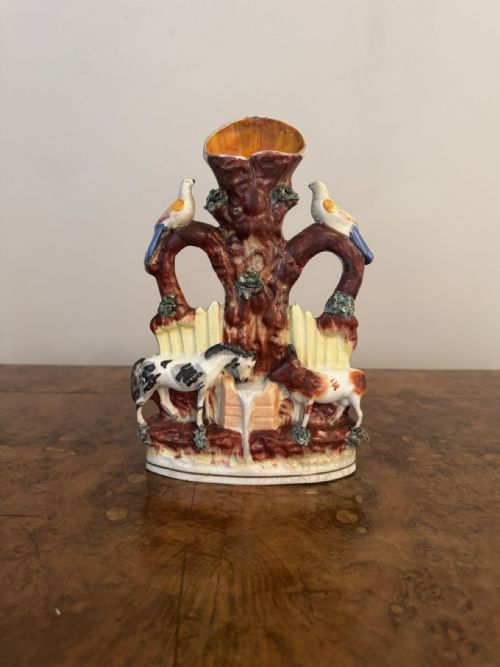
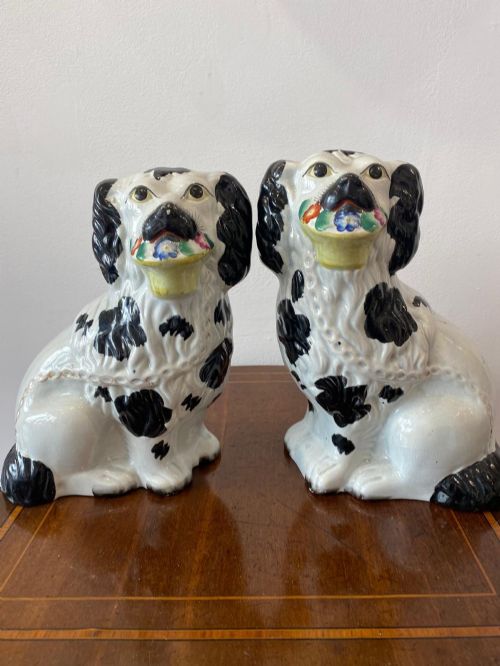
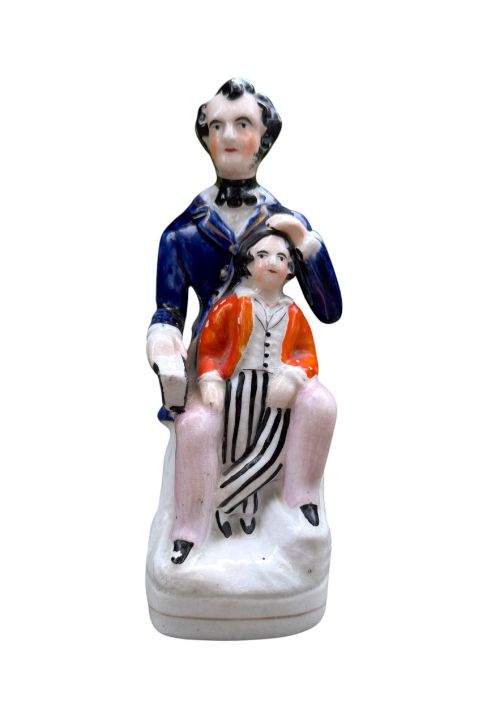
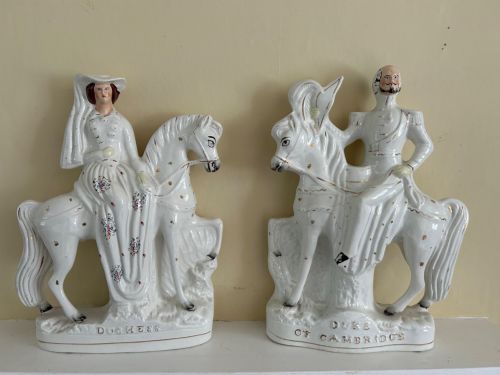
An antique earthenware figurine represents moulded ceramic sculpture from the nineteenth century, capturing theatrical portraits, political figures, lions, and temperance subjects. Buyers searching this phrase will most frequently encounter Victorian Staffordshire pottery figures depicting notable personalities and historical characters. These ceramic pieces serve as decorative cabinet items and mantle ornaments that reflect nineteenth century popular culture.
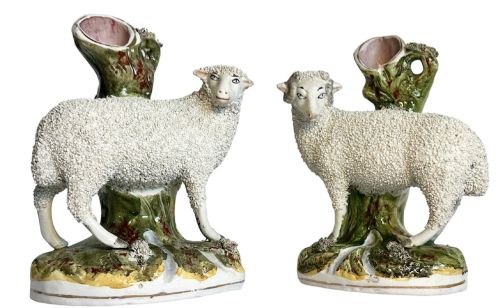
The selection ranges from large theatrical portrait subjects like Jenny Lind to historical figures such as Prince Albert and William Smith O'Brien. Makers also produced folk art animal representations, including Staffordshire lions alongside moralising temperance subjects and literary groups. Each pottery figure preserves the likenesses and themes valued during the Victorian era.
How they were made
Potters shaped these objects using earthenware clay, forming the sculptural bodies through pressing into moulds before firing. Workshops finished the dried clay bodies with lead glaze surfaces to seal the porous material and provide a protective sheen.
Retail Price Guide 2026
Typical UK retail prices for earthenware figurine, calculated from the Sellingantiques database of over a million retail prices indexed since 2003. This retail price guide relies exclusively on Sellingantiques data; no external sources or auction records are used, so the figures do not describe the wider market.
Listings feature nineteenth century Victorian earthenware, lead glaze, and enamel paint materials across pottery figures.
What varies in quality
Quality separates through the crispness of the moulding and the precision of the hand-painted enamel details across the earthenware body. Superior examples display carefully rendered facial expressions and vibrant, well-preserved enamel paints that remain distinct across the glaze.
The scale of the pottery figure also influences distinction, with larger grand pieces and detailed portrait subjects commanding greater attention from collectors. Finer specimens maintain cleaner lead glaze surfaces with minimal firing imperfections and strong, legible thematic subjects.
The Antique Earthenware Figurine Glossary
- Earthenware
- Porous pottery fired at lower temperatures than stoneware or porcelain. It forms the primary ceramic body for nineteenth century Staffordshire figures.
- Lead Glaze
- A vitreous coating containing lead oxide applied to pottery to create a glossy, impermeable surface. It gives these figurines their characteristic shiny finish.
- Enamel Paint
- Vitreous pigments fused to the ceramic surface during a secondary low-temperature firing. Workers used these paints to decorate the figurines in multiple colours.
- Staffordshire
- A major English ceramic producing region in the Midlands. Potteries here manufactured the vast majority of Victorian portrait and folk art figures.
Frequently Asked Questions
What do these figurines depict?
These pieces represent Victorian portrait figures, theatrical actors, political leaders, and animal subjects.
They also include moralising temperance figures and literary characters produced by English potteries.
How old are these earthenware pieces?
The available selection dates from the nineteenth century, specifically spanning the Victorian era.
Key pieces originate from the mid-nineteenth century around the eighteen fifties and sixties.
What materials make up the figures?
The core material is earthenware pottery shaped through moulding techniques.
Surfaces feature lead glaze coatings decorated with hand-applied enamel paint.
Where were these ceramic figures made?
English potteries, particularly in the Staffordshire region, produced these decorative items.
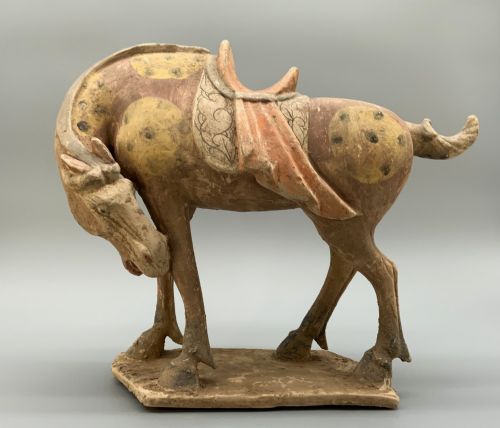
Some international examples from other periods and regions also exist in the wider ceramic tradition.