


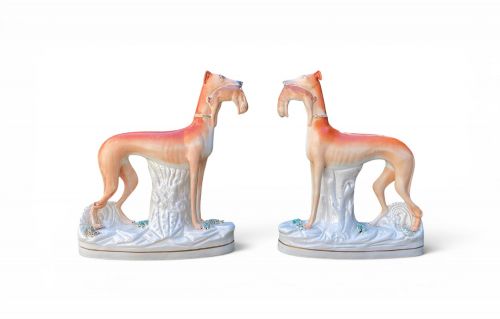
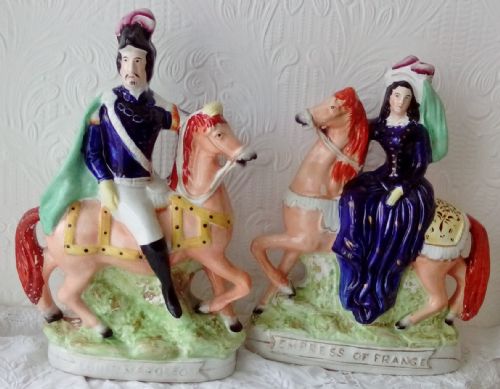
Staffordshire Pottery Figurine
Staffordshire pottery figurine pieces are earthenware table ornaments depicting animals, historical events, and domestic moral scenes that bring distinct folk character to any mantelpiece.
What they are
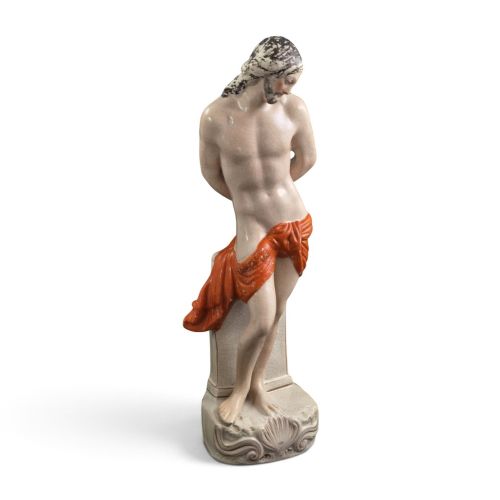
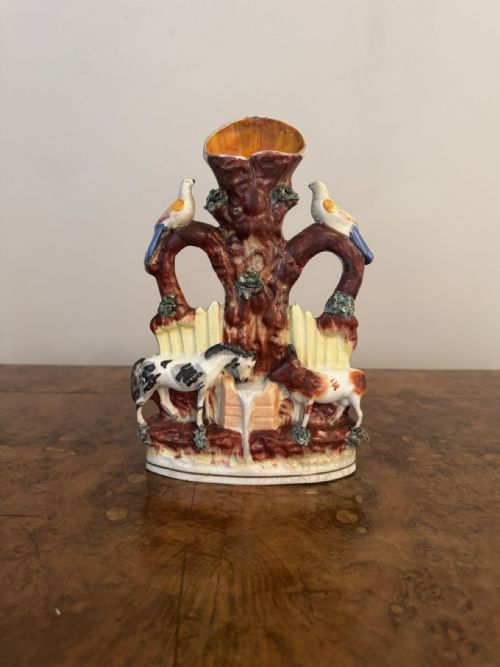
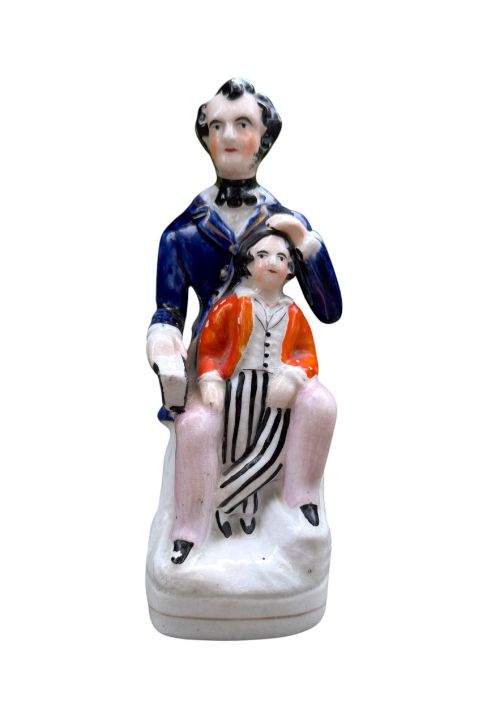
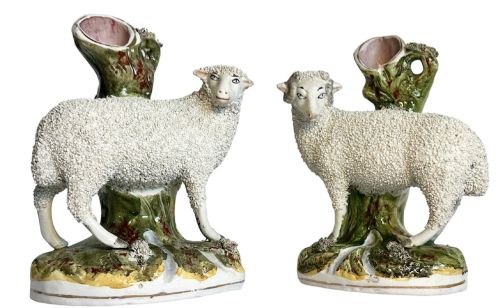
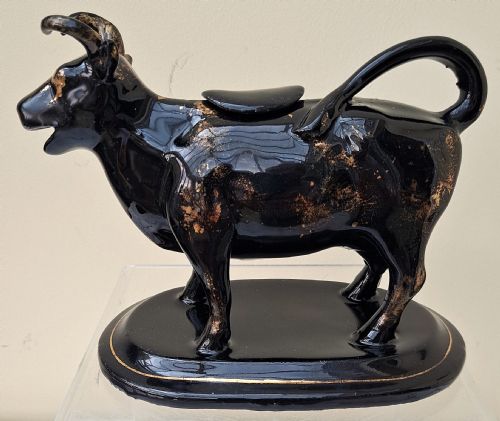
A staffordshire pottery figurine represents a rich tradition of English ceramic sculpture created largely across the nineteenth century. These ornamental pieces range from simple figures like the temperament models to complex spill vases and literary groups.
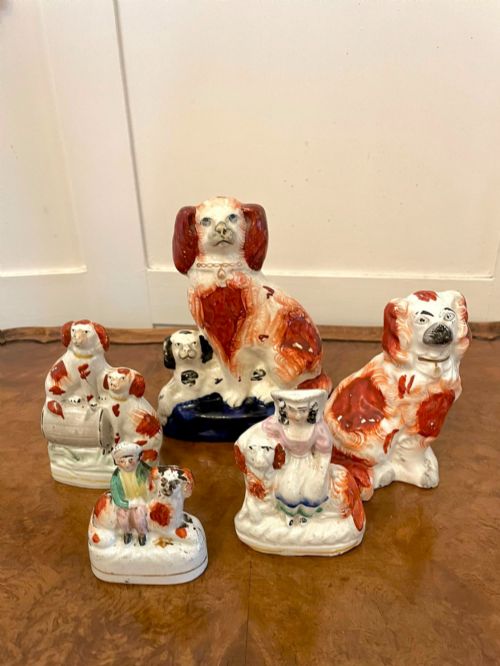
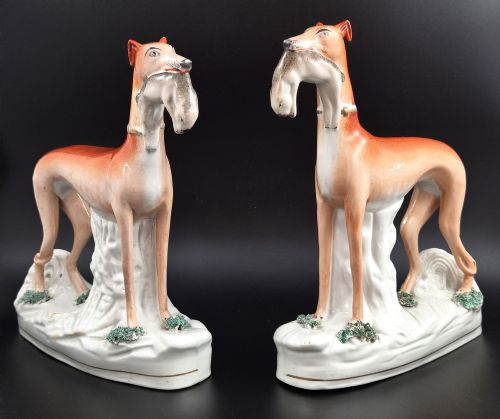
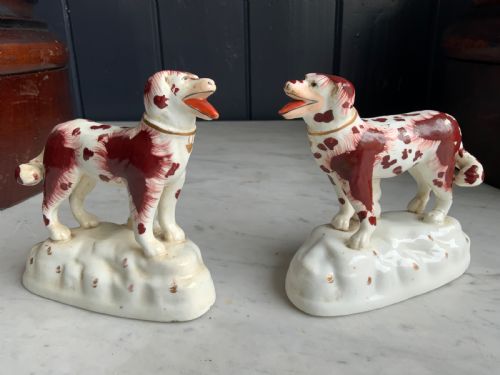
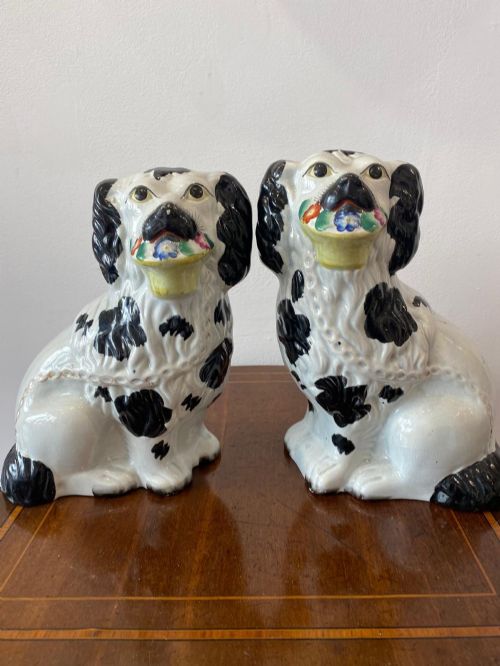
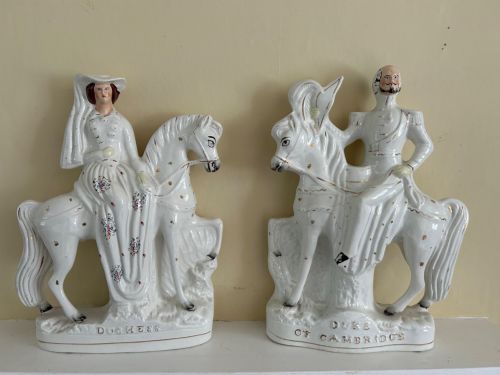
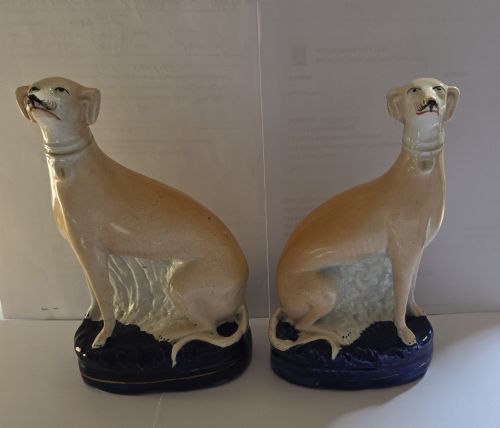
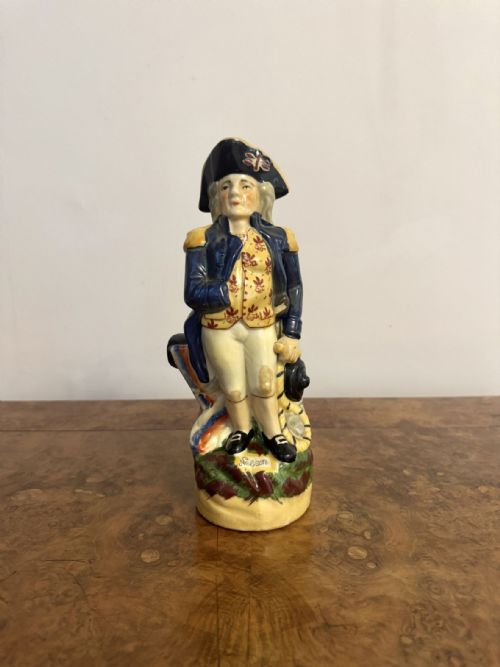
The versions most commonly met on this page belong to the Victorian period, including flatbacks designed to be viewed from the front against a wall. Examples span pastoral subjects such as the tithe pig, domestic animals like poodles, and military heroes on horseback.
Makers utilised both full figures and flatback constructions to cater to modest Victorian parlours. These earthenware objects served as both decorative accents and moral touchstones in nineteenth century homes.
How they were made
Potters built these pieces using earthenware clay, shaping them through press-moulding techniques common in nineteenth century Staffordshire workshops. The resulting bodies received an initial firing before artists applied surface decoration.
Enamel paint provided the vibrant surface colours seen on coats, garments, and naturalistic bases. A subsequent glaze firing sealed the pigments, creating the characteristic glossy sheen across the glazed ceramic surface.
Listings feature earthenware materials and enamel paint across nineteenth century Georgian and Victorian styles.
What varies in quality
The precision and richness of the enamel painting dictate visual success across the surface. Finer examples display careful hand-brushing that defines details without the bleeding colours found on rougher commercial output.
John and Rebecca Lloyd·Thomas Parr
The Staffordshire Pottery Figurine Glossary
- Flatback
- A figure moulded with a finished front and a largely unadorned, flat reverse intended to stand against a wall. This construction saved clay and simplified production for Victorian mantelpieces.
- Spill vase
- A hollow figural ceramic designed to hold wooden spills used for lighting pipes and fires. These dual-purpose objects combine everyday utility with decorative folk sculpture.
- Earthenware
- A porous clay body fired at lower temperatures than stoneware or porcelain. It forms the essential structural base for nearly all nineteenth century Staffordshire figures.
- Enamel paint
- Vitreous pigments applied over a fired glaze and fixed in a muffle kiln. This technique allowed makers to achieve bright, varied surface colours on finished ceramic bodies.
- Tithe pig
- A traditional folk subject depicting a rural tax dispute between a farmer and a parson. Collectors prize this narrative grouping for its rich social commentary and early nineteenth century origins.
Frequently Asked Questions
What is a flatback figure?
A flatback is a ceramic figure moulded with a detailed front and a flat, unpainted back. This design allowed the piece to sit flush against a wall on a narrow shelf or mantelpiece.
Potters adopted this method extensively during the Victorian era to produce large numbers of decorative ornaments efficiently.
How do I date a staffordshire pottery figurine?
Dating relies on stylistic clues, manufacturing techniques, and the subject matter depicted. Pieces from the early nineteenth century often feature more rounded, fully modelled backs compared to later Victorian flatbacks.
Archival records and known working dates of makers also help narrow down the period of production.
Were these figures meant to be used?
Most staffordshire pottery figurine pieces served strictly as decorative ornaments for the home. Some specific forms, such as spill vases, also functioned as holders for wooden fire-lighting sticks.
Owners displayed them proudly in parlours to signal moral values, political loyalties, or literary tastes.
What materials were used?
The primary material is earthenware, a porous clay body shaped in moulds. Artisans then applied enamel paint and transparent glazes before firing the pieces in kilns.
This combination produced the hard ceramic structure and glossy colourful surface characteristic of nineteenth century English pottery.