
Polychrome Ceramic Figures
Polychrome ceramic figures bring vibrant colour and character to a room, offering a tangible link to eighteenth and nineteenth century craftsmanship.
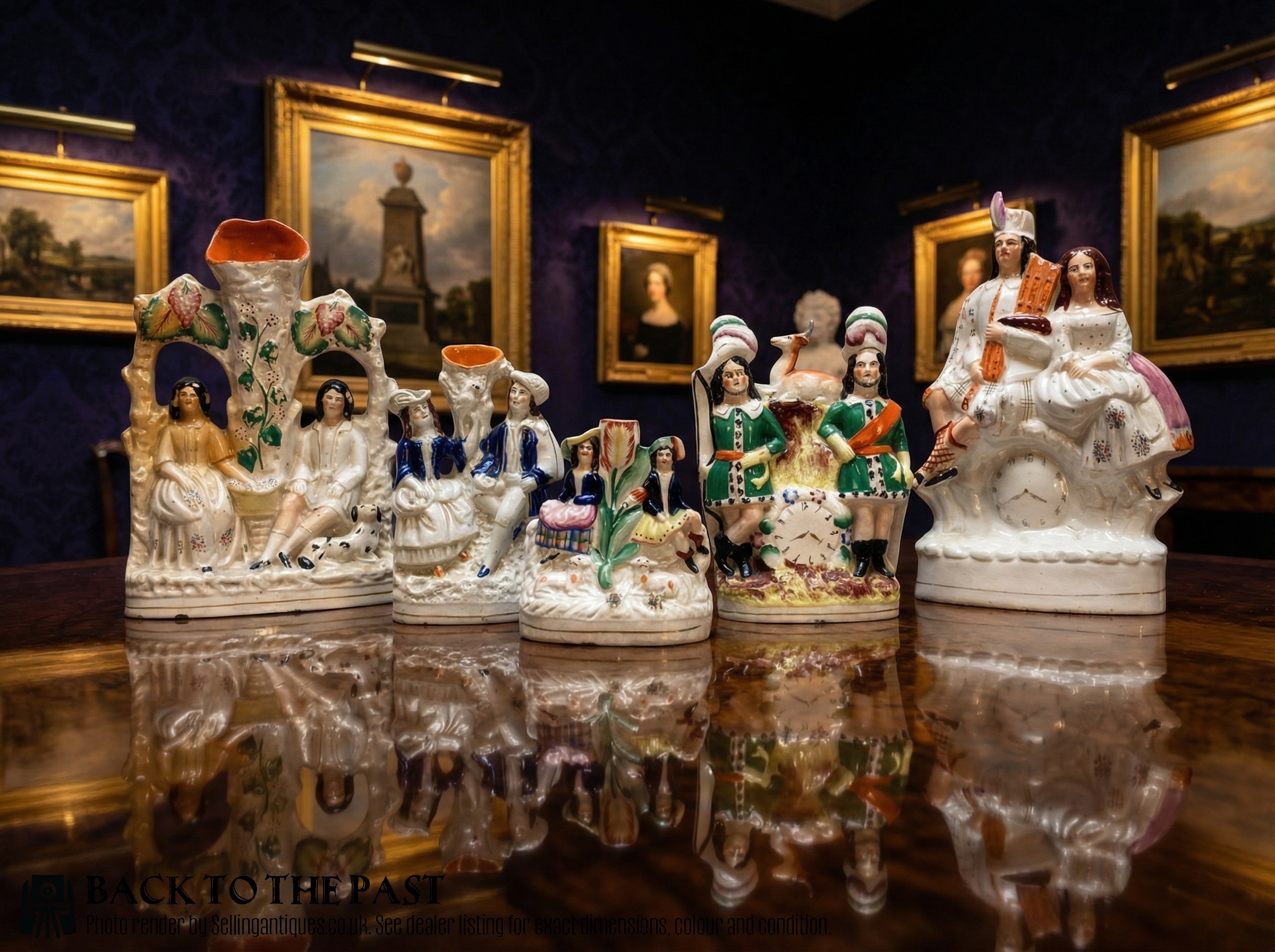
What polychrome ceramic figures are
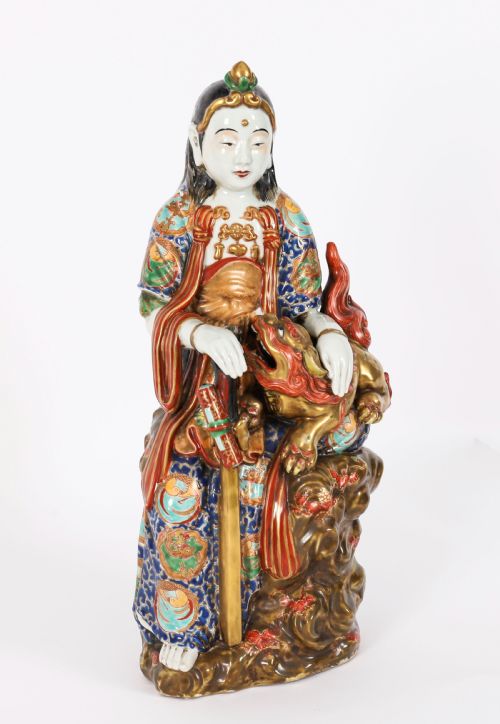
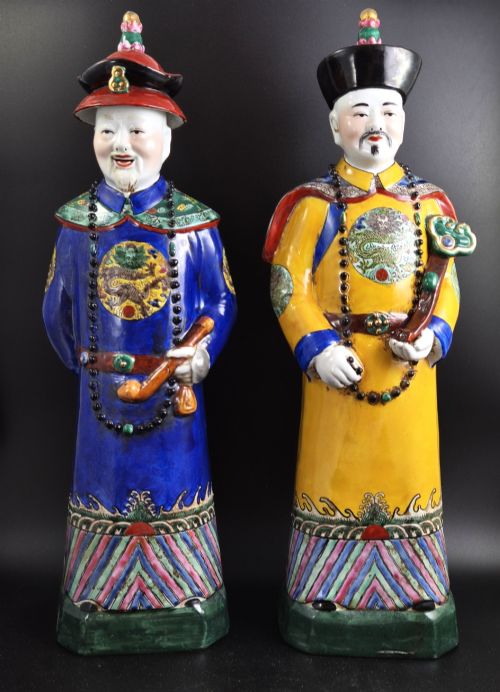
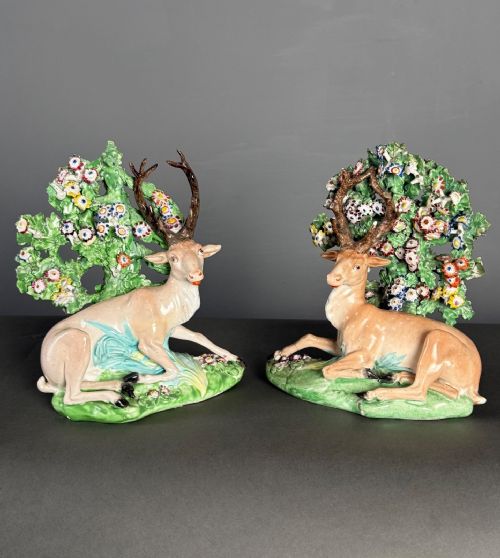
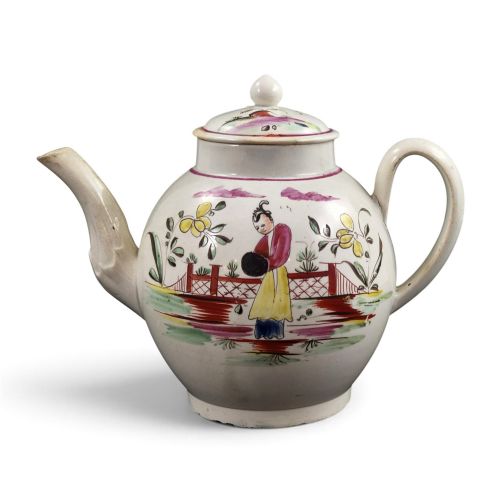
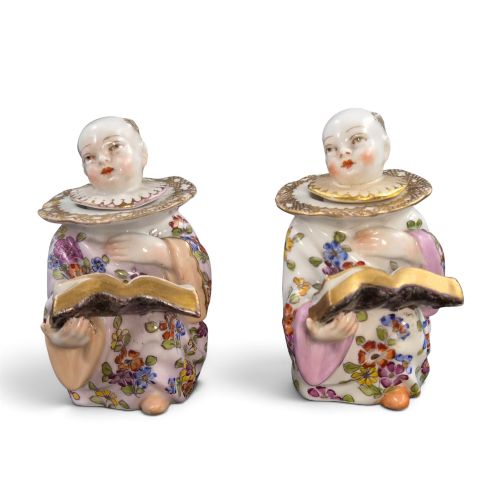
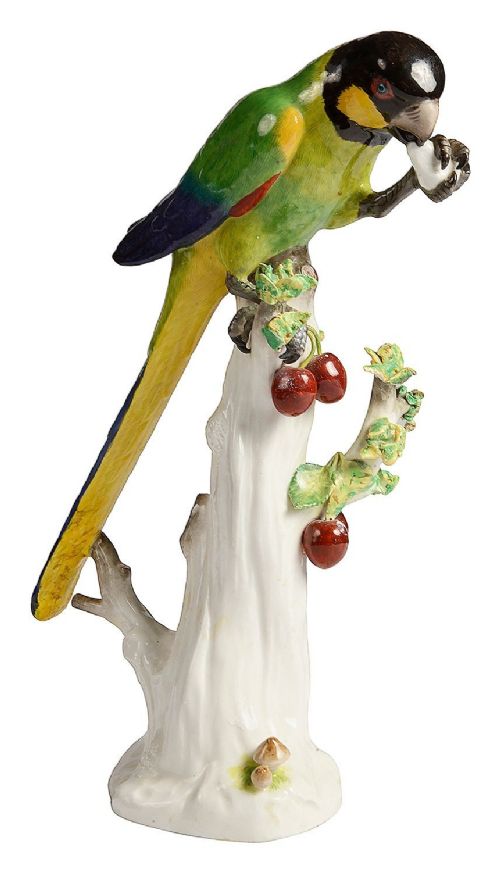
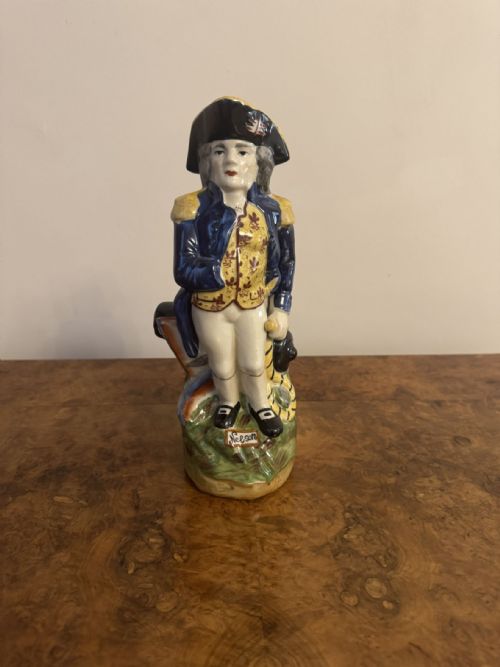
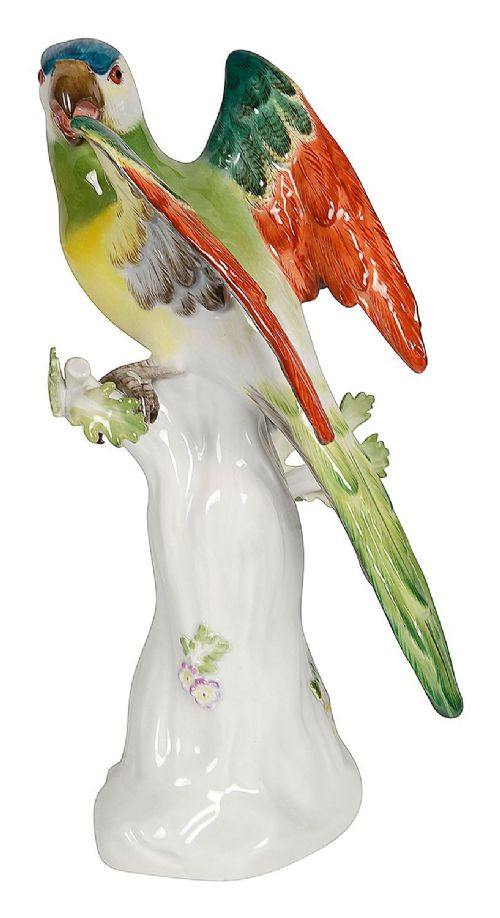
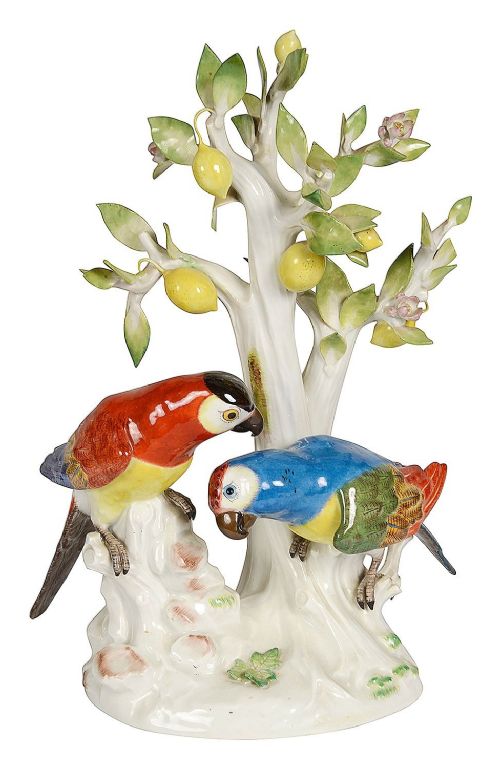
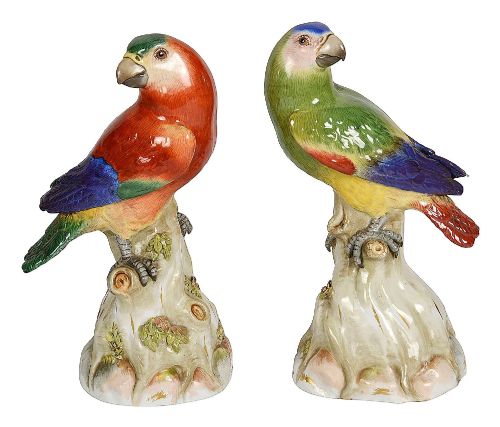
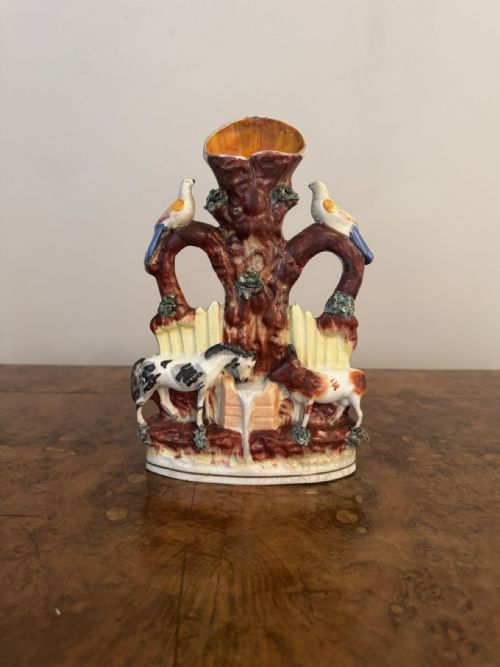
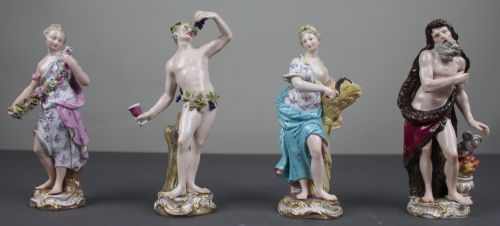
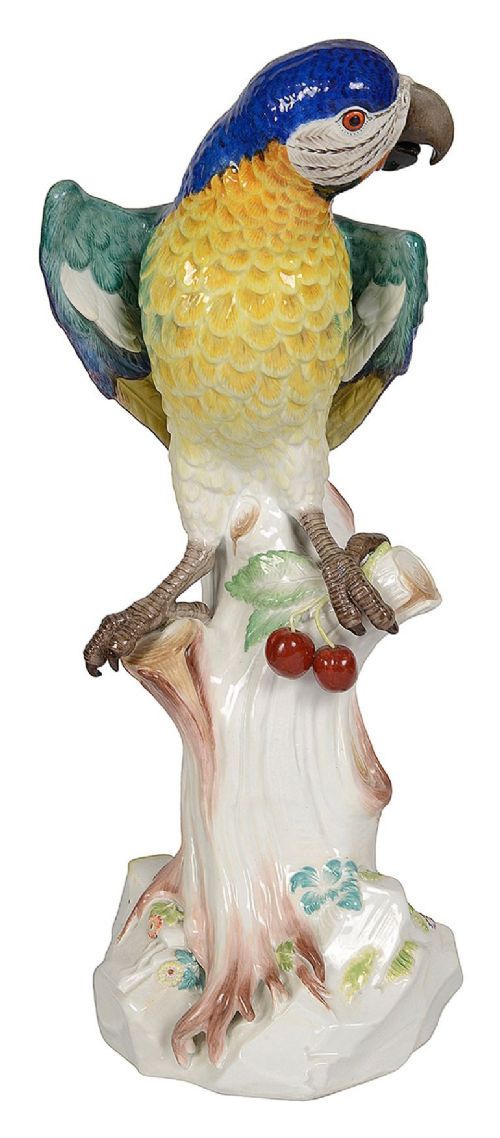
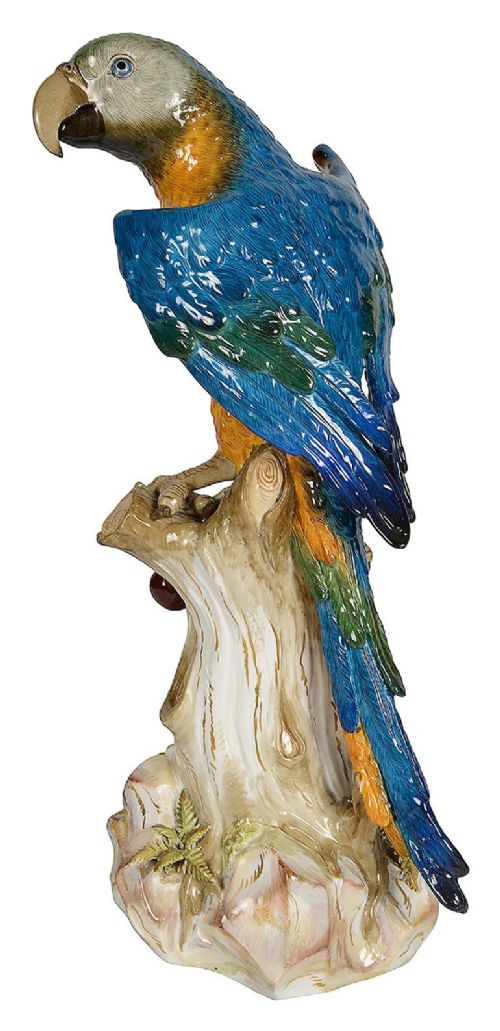
Polychrome ceramic figures encompass a diverse range of figurines, decorative figures, and flatbacks originating from various European and Asian traditions. When exploring polychrome ceramic figures, collectors frequently encounter Victorian Staffordshire pieces alongside earlier eighteenth century English porcelain and French faience.
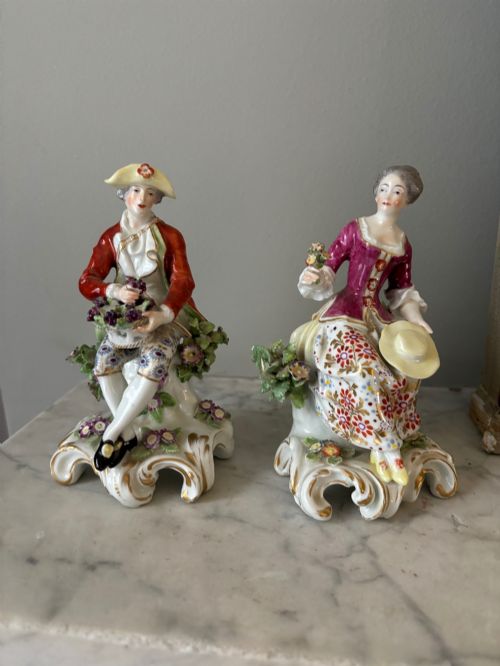
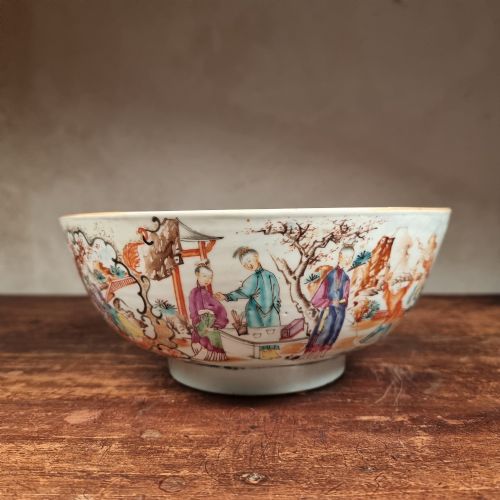
The selections span distinct stylistic movements, including Rococo Revival, Georgian, and Victorian Orientalism. Formats range from intimate pairs of young gardeners and shepherds to grander sets of flatback figures and Chinese Famille Verte boys.
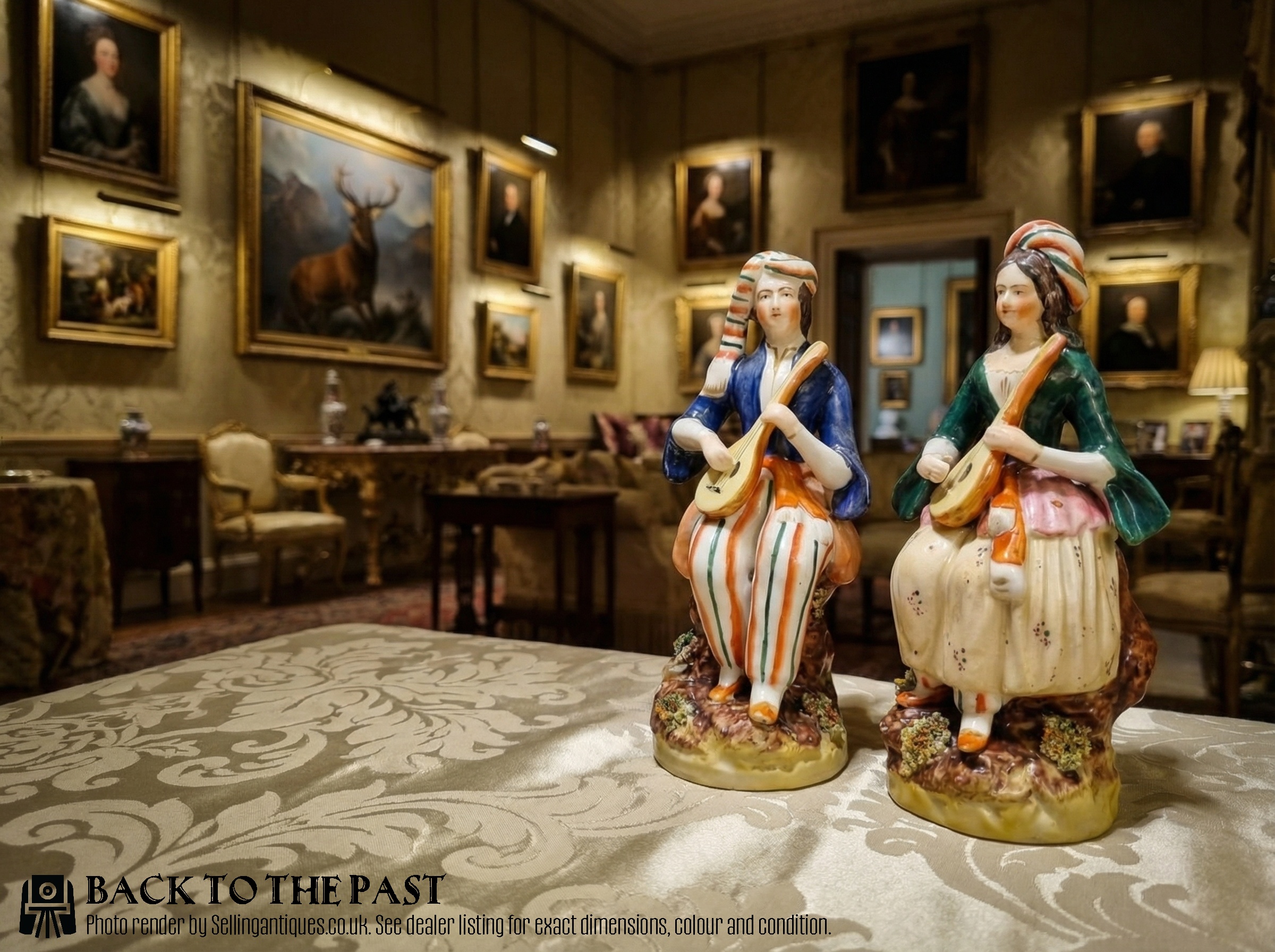
How they were made
Maker's workshops utilised ceramic, earthenware, and porcelain as the foundational bodies for these sculptures. Potters shaped the clay bodies through moulding or hand-forming before applying intricate glazes.
Makers added vibrant colour through enamel and overglaze enamels, occasionally incorporating gold leaf highlights to accentuate details. Firing techniques fixed these pigments permanently onto the surface, yielding the characteristic multicoloured palette.
Retail Price Guide 2026
Typical UK retail prices for polychrome ceramic figures, calculated from the Sellingantiques database of over a million retail prices indexed since 2003. This retail price guide relies exclusively on Sellingantiques data; no external sources or auction records are used, so the figures do not describe the wider market.
What varies in quality
The complexity of the form and the ambition of the composition set the finest pieces apart. Pairs and multi-figure sets that retain their original vibrant glazing show a higher level of preservation and studio capability.

The Polychrome Ceramic Figures Glossary
- Flatback
- A style of figure designed primarily to be placed against a wall, where the reverse side is left unglazed or unmodelled. This construction was common in nineteenth century Staffordshire production.
- Overglaze enamel
- Pigments applied on top of the fired glaze and subjected to a subsequent, lower temperature firing to fuse them to the surface. This technique allowed for a wider and brighter range of colours.
- Faience
- Tin-glazed earthenware originating from European traditions, particularly associated with French and continental workshops. It provides an opaque white background ideal for painted polychrome decoration.
- Famille verte
- A Chinese ceramic palette dominated by green enamels, developed during the Qing dynasty. Pieces utilising this style often incorporate other contrasting enamel colours.
Frequently Asked Questions
How are flatback figures displayed?
Flatback figures are designed to stand directly against a wall or on a narrow mantelpiece because their backs are left unadorned. This arrangement maximises their visual impact in domestic spaces.
Position them at eye level on sturdy shelves where the polychrome glaze catches natural light. Avoid areas of high humidity or direct sunlight to protect the enamel pigments.
What is the difference between porcelain and earthenware?
Porcelain is a vitrified ceramic fired at very high temperatures, resulting in a dense, white, and sometimes translucent body. Earthenware is a porous, opaque material fired at lower temperatures.
Earthenware figures, such as those from Staffordshire, often feature thicker walls and heavier bases compared to delicate porcelain figurines.
How do I date a ceramic figure?
Dating relies on stylistic clues, the type of ceramic body, and the characteristics of the glaze and enamels. Georgian and Victorian pieces exhibit distinct modelling conventions and clothing styles.
Consulting the specific details of the maker or the overarching period provides a reliable framework for determining age.
How should I clean my figures?
Dust these figures gently with a soft, dry brush to prevent the accumulation of dirt in crevices. Avoid harsh chemical cleaners or abrasive cloths that can damage the overglaze enamels.
If washing is necessary, use lukewarm water with a mild soap and dry them thoroughly with a lint-free cloth.