
Green Ceramic Figurine
When you search for green ceramic figurine, you enter a diverse world of moulded and hand-painted figures spanning several centuries.
Green Ceramic Figurine
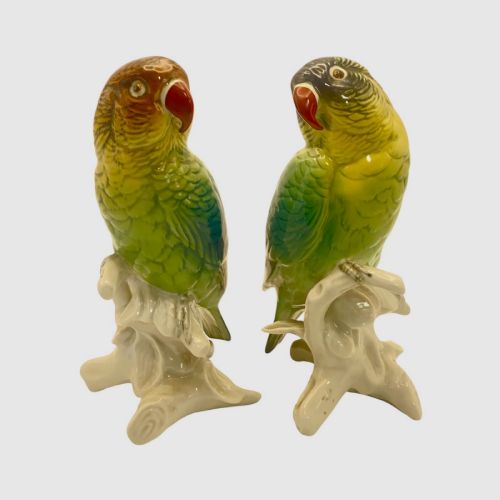
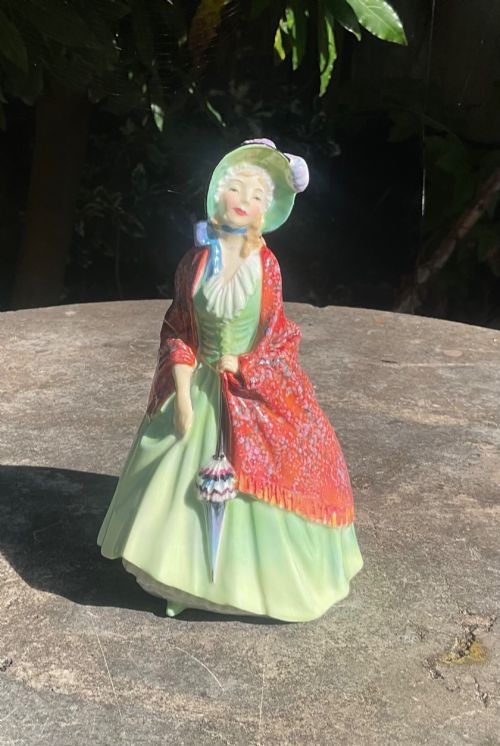
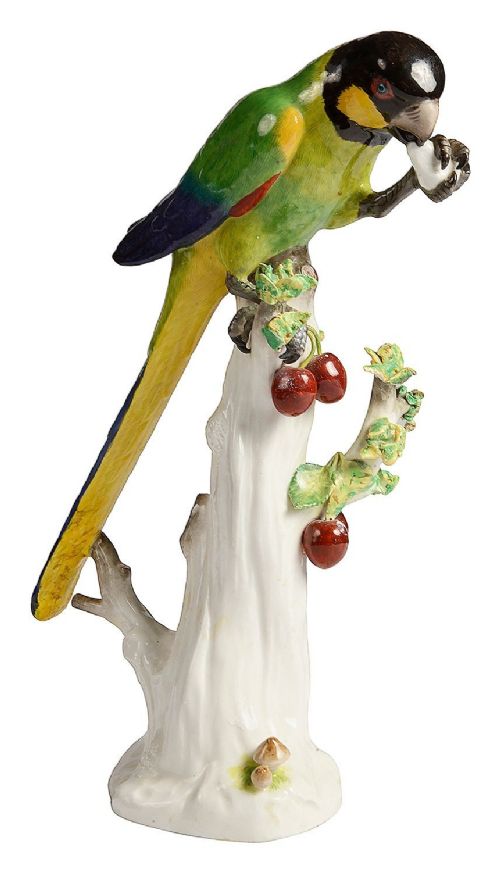
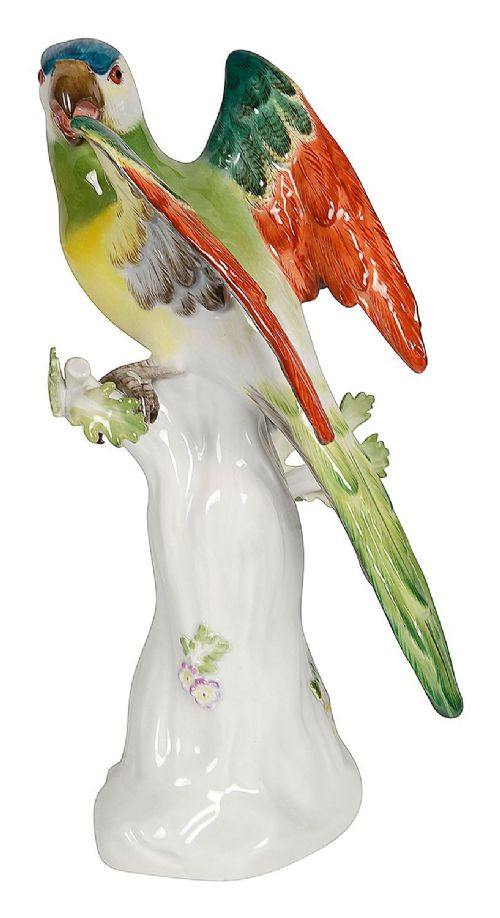
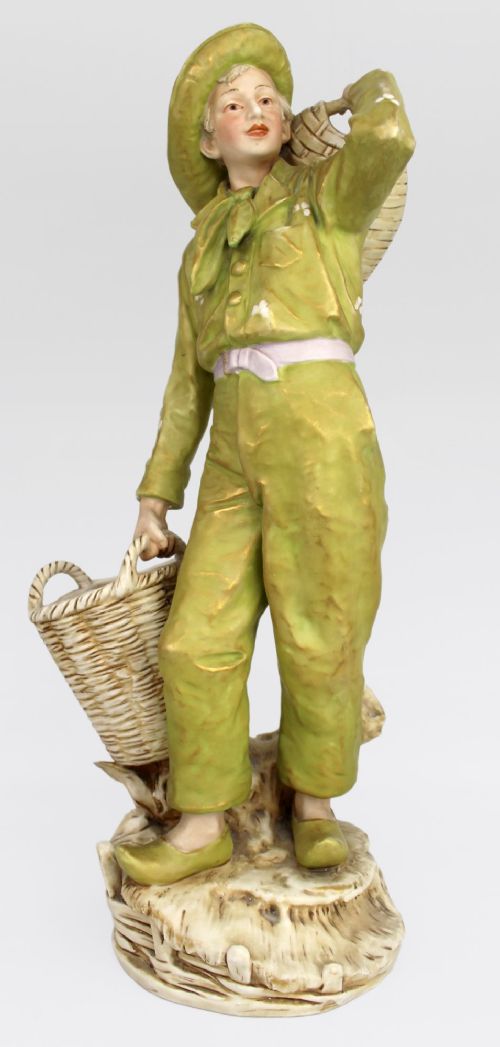
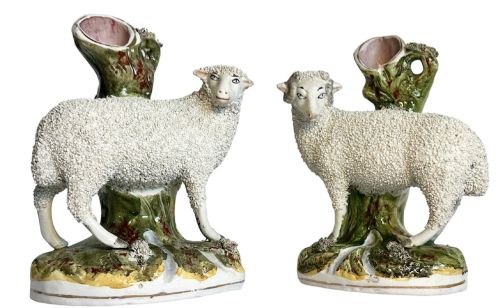
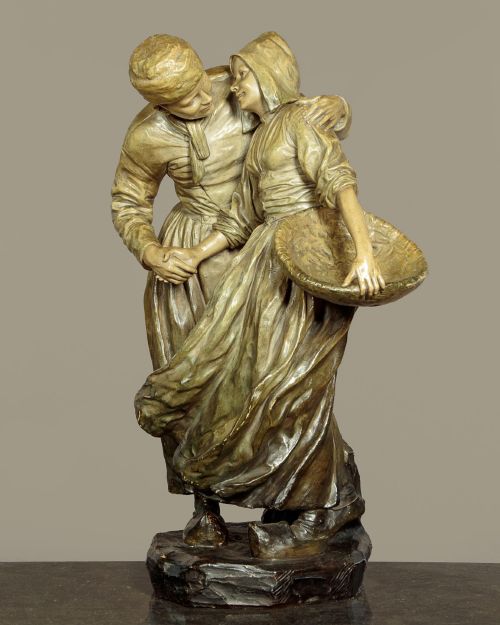
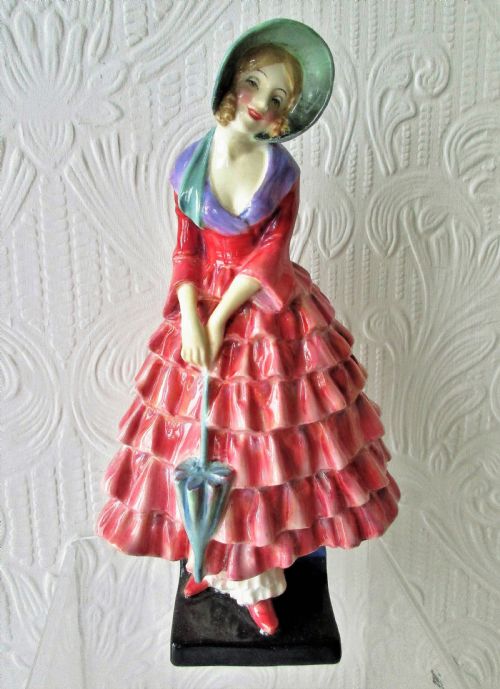
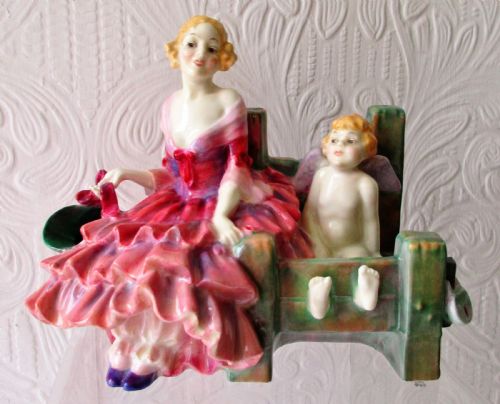
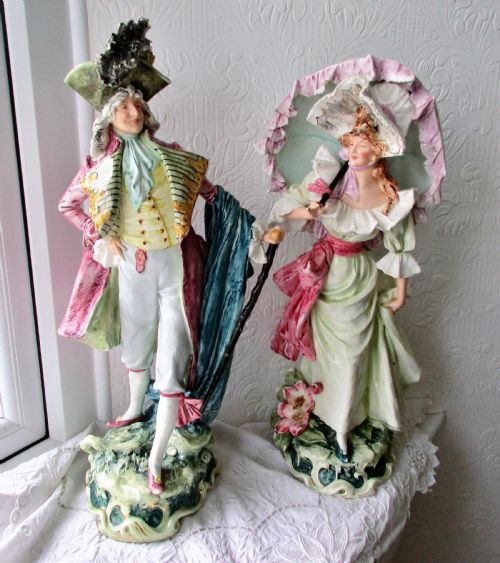
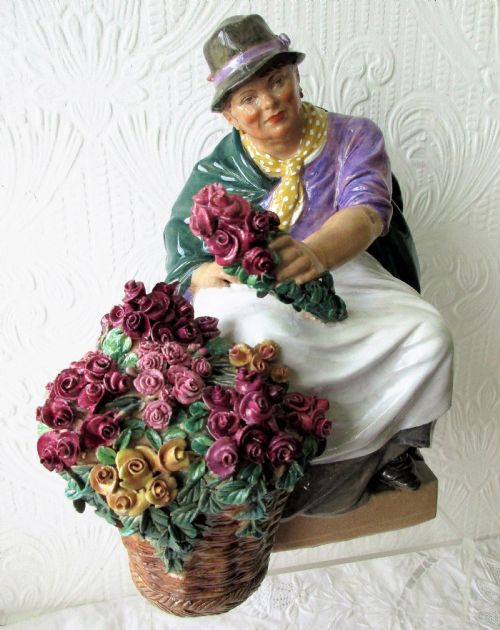
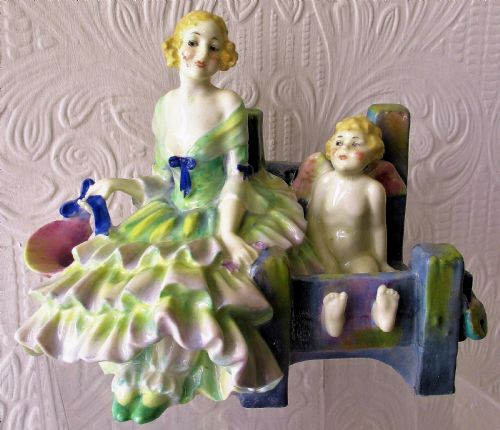
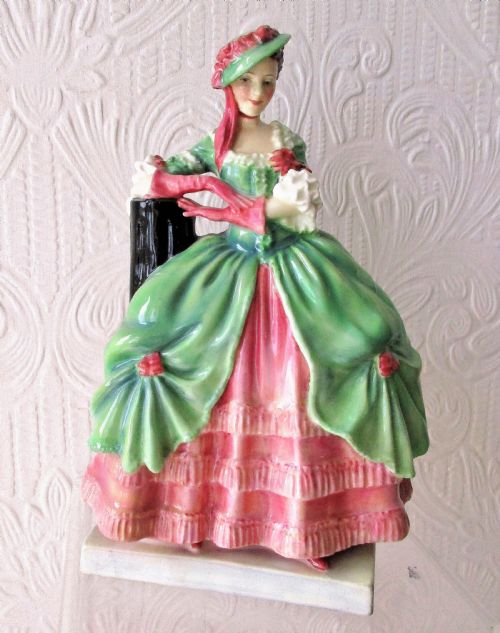
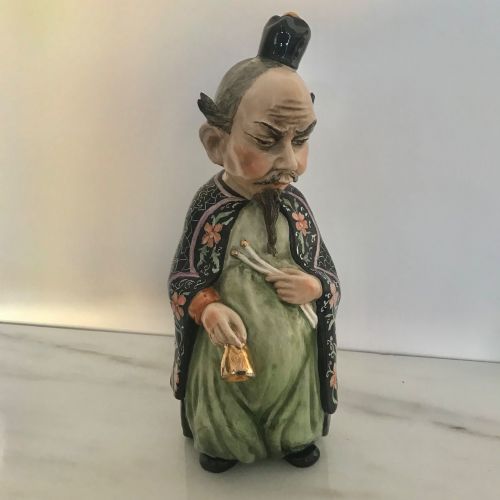
A green ceramic figurine encompasses a wide variety of sculptural objects created from materials such as porcelain, earthenware, and bone china, often finished with distinctive green glazes or enamel decoration. These pieces take many forms, ranging from animals like parrots, sheep, and dogs to human figures representing historic characters, dancers, and allegorical groups.
The green ceramic figurine spans multiple eras, with examples originating from the eighteenth century through to the art deco period of the 1930s. Buyers frequently encounter nineteenth-century Staffordshire pottery figures, alongside Chinese porcelain pieces and twentieth-century European glazed ceramics.
How they were made
Makers utilised ceramic materials including bone china, porcelain, and earthenware, shaping them through moulding or hand-modelling techniques before firing. Artisans then applied glazes, enamels, and sometimes gilt details to the surface, often utilising sancai or tin-glazed methods to achieve specific colour effects.
Surface decoration frequently involved hand-painting over glazes or incorporating coloured pigments directly into the ceramic body. Many items received multiple firings to set the enamel colours and metallic finishes firmly onto the ceramic base.
Green Ceramic Figurine Retail Price Guide 2026
Typical asking prices for green ceramic figurine among the pieces listed under this phrase on Sellingantiques today, from the lower quarter to the upper quarter. They describe what is for sale here now, not the wider market.
Glass eyes peer out from an art deco French cat waiting quietly among the porcelain parrots.
What varies in quality
The sophistication of the glaze application and the preservation of original enamel work influence the overall standard of a piece. Early examples often show greater individual artistic input in the finishing touches compared to mass-produced later counterparts.
Karl Ens·Royal Doulton·Goldscheider·Royal Dux·Charles Vyse
The Green Ceramic Figurine Glossary
- Spill vase
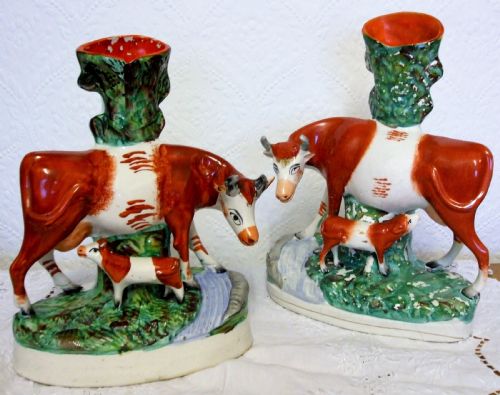
- A hollow ceramic figure incorporating a small cylindrical holder designed to store wooden spills used for lighting fires or pipes.
- Sancai glaze
- A three-colour glaze tradition, frequently featuring amber, green, and cream tones, commonly applied to pottery figures.
- Pearlware
- A fine-grained earthenware developed in the late eighteenth century featuring a pale bluish glaze that pooled slightly in crevices.
- Enamel
- Opaque glass-like pigments fused to the surface of fired ceramics during a secondary low-temperature kiln firing.
- Bone china
- A type of porcelain containing bone ash, known for its high strength, chip resistance, and translucent white body.
Green Ceramic Figurine: Frequently Asked Questions
How do I identify a nineteenth-century Staffordshire figure?
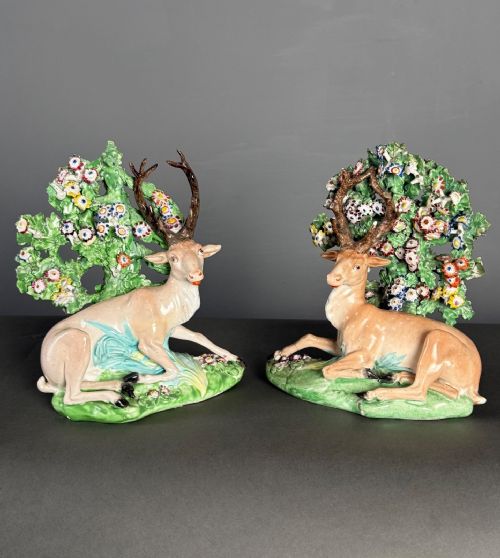
Staffordshire figures from the nineteenth century are typically constructed from earthenware with hand-painted underglaze or enamel colours, often depicting animals, people, or literary scenes.
They generally feature hollow bases and lack makers' marks, relying instead on stylistic markers such as flat back panels and simple modelling.
What is an art deco green ceramic lady?
Art deco green ceramic ladies are sculptural figures produced around 1930, characteristically featuring stylised clothing, geometric lines, and prominent green dresses.
These pieces reflect the design trends of the interwar period, often manufactured in Germany, France, or England using moulded ceramic bodies.
How should I clean antique porcelain figurines?
Antique porcelain figurines require gentle cleaning with a soft, dry brush to remove dust from crevices and painted surfaces.
Water and liquid cleaners should generally be avoided unless handled by a professional, as moisture can damage old enamel work or exposed earthenware bodies.
What distinguishes earthenware from porcelain?
Earthenware is a porous, opaque ceramic fired at lower temperatures, making it thicker and heavier than porcelain.
Porcelain is vitrified at much higher temperatures, resulting in a dense, non-porous material that is often translucent and rings slightly when tapped.