



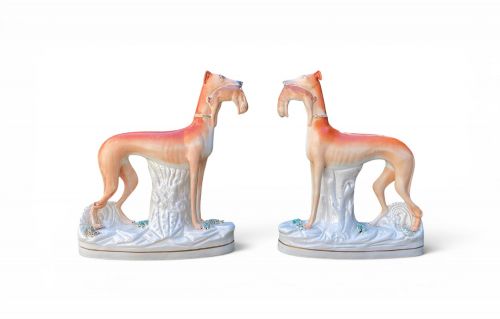
Antique Staffordshire Figure
When you search for an antique staffordshire figure, you uncover a rich sculptural tradition of earthenware portraits, animals and theatrical groups that brought character to nineteenth-century mantelpieces.
Antique Staffordshire Figure
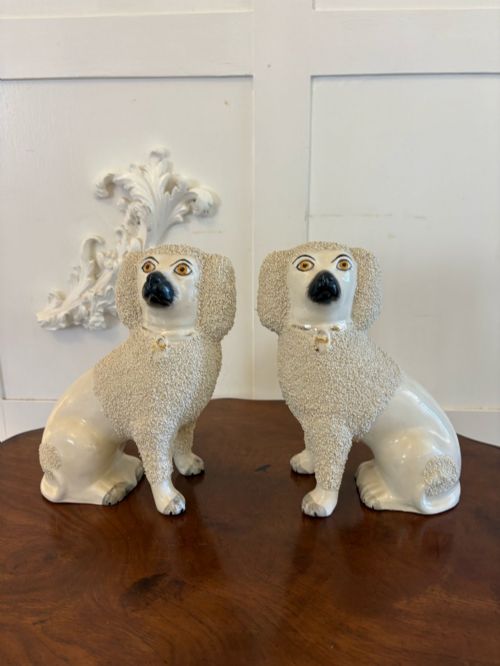
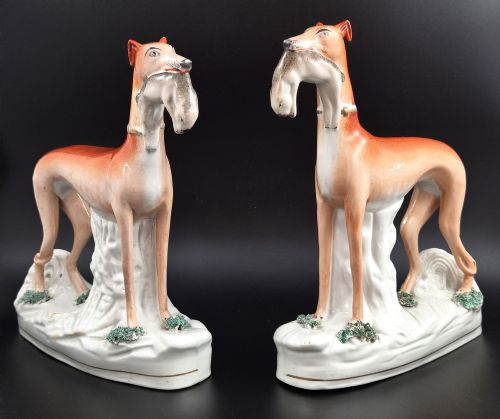
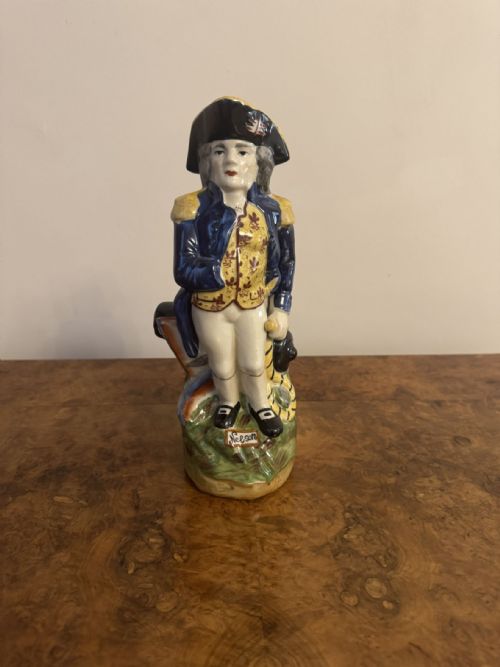
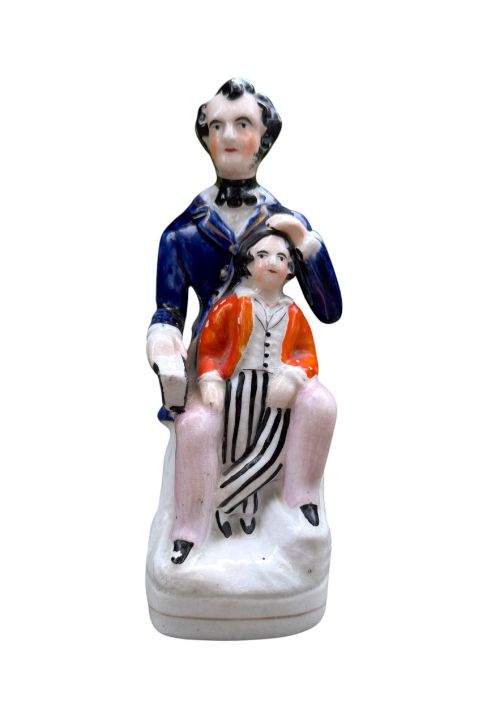
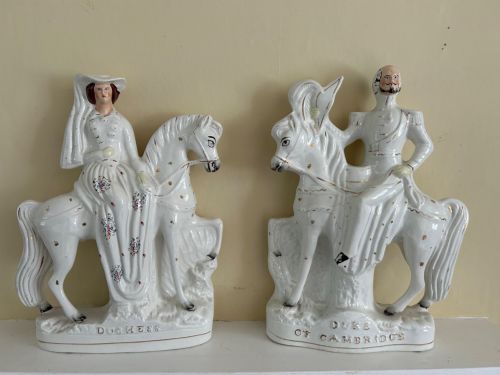
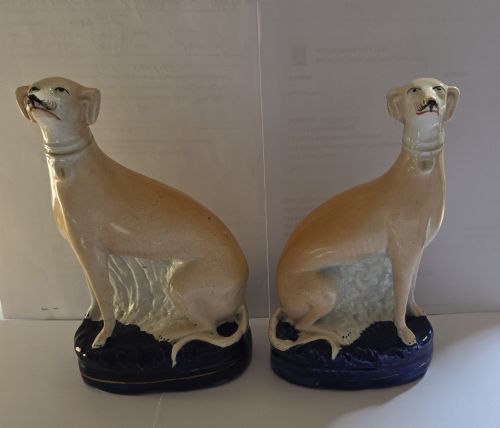
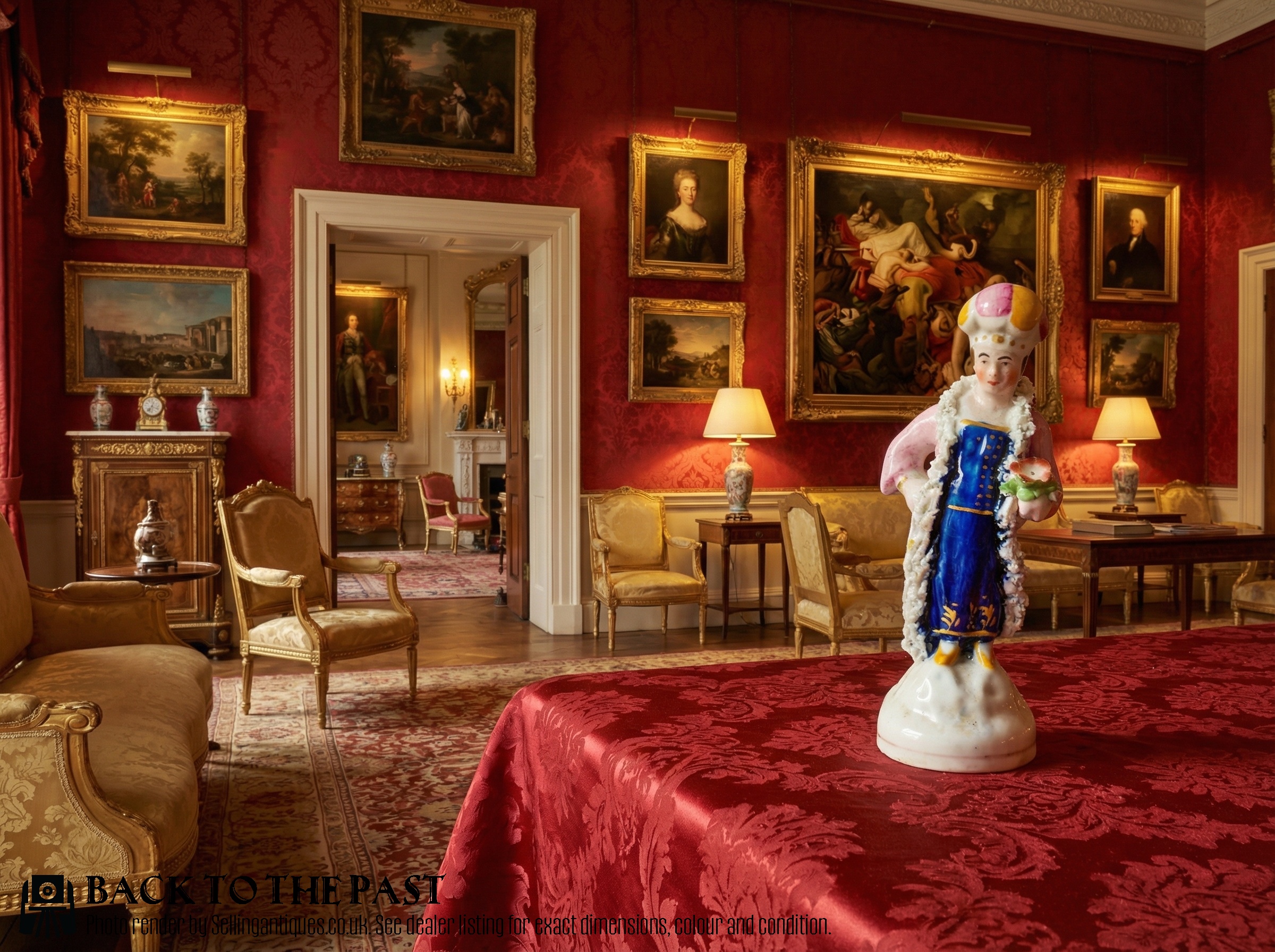
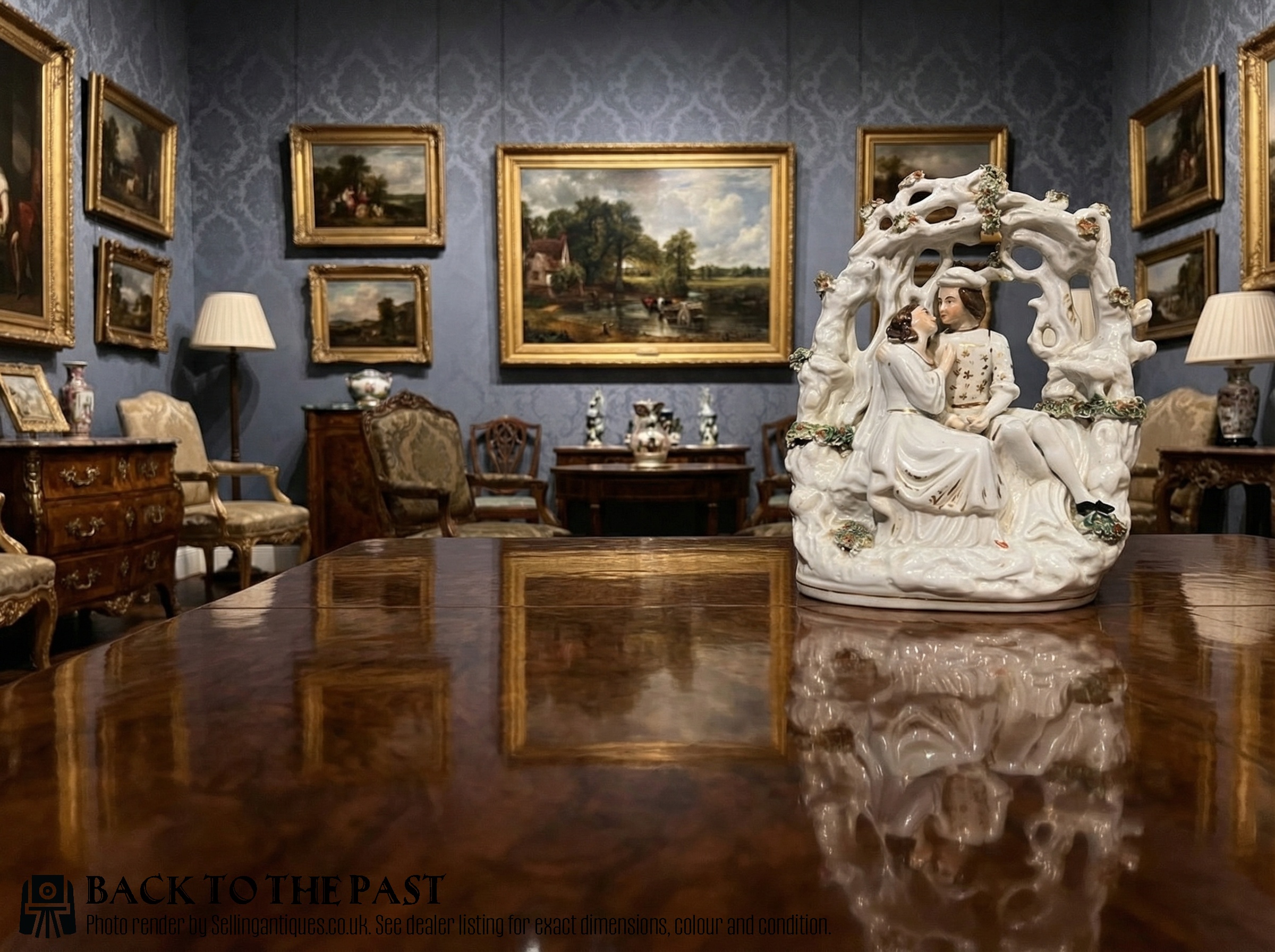
An antique staffordshire figure encompasses a wide array of ceramic ornaments produced across the nineteenth century, ranging from portrait pieces of political leaders and literary heroes to depictions of domestic animals and theatrical characters. The most common examples met on this page are Victorian flatback figures designed to stand against a wall, alongside pairs of seated dogs such as poodles and spaniels.
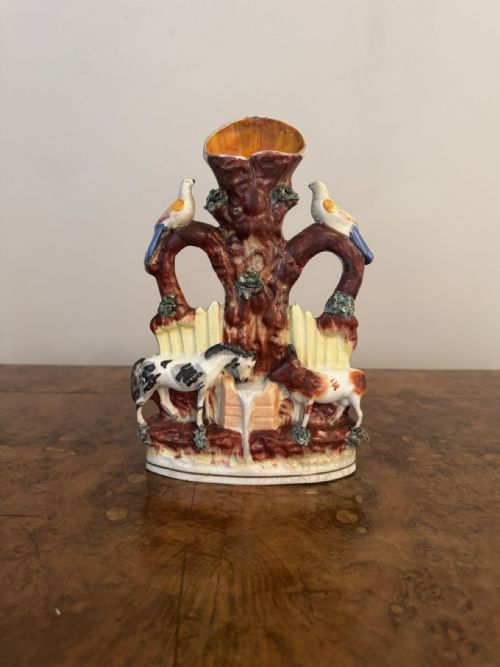
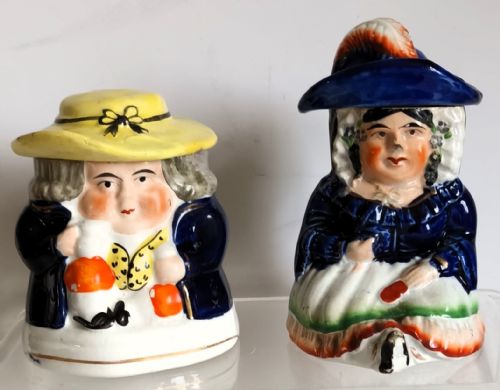
Makers and potteries utilised diverse forms, including spill vases, tobacco jars and figural groups depicting historical events or pastoral scenes. These pieces reflect the popular culture, moral interests and decorative tastes of the Georgian and Victorian periods, capturing everything from royalty to local folk characters in clay.
How They Were Made
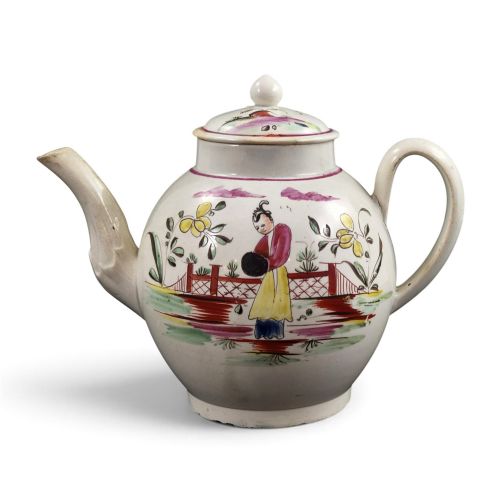
Potters shaped these objects using earthenware, pearlware or creamware bodies, often formed in press moulds and finished by hand with detailed incisions. Artisans then applied lead glaze, enamel colours and occasionally gold leaf highlights to bring depth and character to the ceramic surface.
Many nineteenth-century examples, particularly flatback figures and large animal pairs, were hollow-cast to reduce weight and prevent cracking during kiln firing. The vibrant palette relies on underglaze and on-glaze pigments fixed through subsequent firings.
Antique Staffordshire Figure Retail Price Guide 2026
Typical asking prices for staffordshire figure among the pieces listed under this phrase on Sellingantiques today, from the lower quarter to the upper quarter. They describe what is for sale here now, not the wider market.
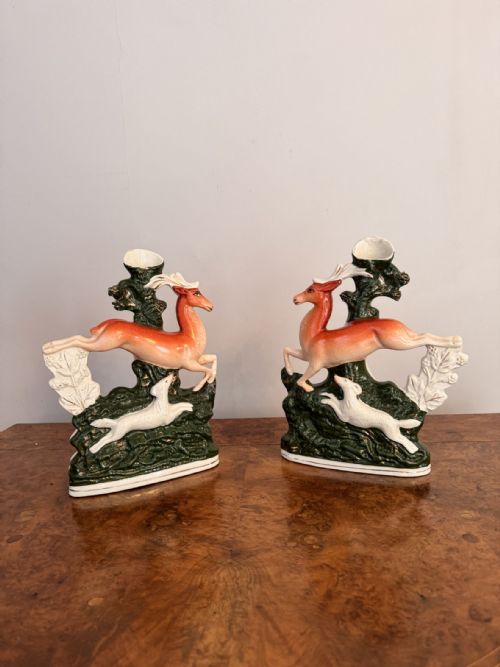
Watchful poodles, greyhounds, and snow leopards stand ready to guard your mantelpiece without ever shedding on the carpet.
What Varies in Quality
The standard of modelling and painting largely distinguishes superior pieces from ordinary production, with finer examples displaying crisp facial expressions, careful detailing on attire or fur, and well-executed enamelling. Mass-produced utilitarian items often show hasty brushwork and simplified moulding.
Proportion and scale also influence desirability, particularly in matched pairs of animals or theatrical figures where symmetry and presence on a mantelpiece depend on careful matching during the original manufacturing process.
The Antique Staffordshire Figure Glossary
- Flatback
- A figure moulded with a finished front and a plain, unadorned reverse designed to sit flush against a wall or mantelpiece. This construction method saved clay and simplified production for pieces displayed on high shelves.
- Pearlware
- A refined earthenware body developed in the late eighteenth century featuring a subtle bluish glaze that pooled in recesses. It bridges the transition between creamware and later white earthenware.
- Spill Vase
- A hollow ceramic vessel incorporating a vertical tube intended to hold wooden spill sticks used for lighting candles or fires. These are frequently modelled alongside figures of animals or birds.
- Toby Jug
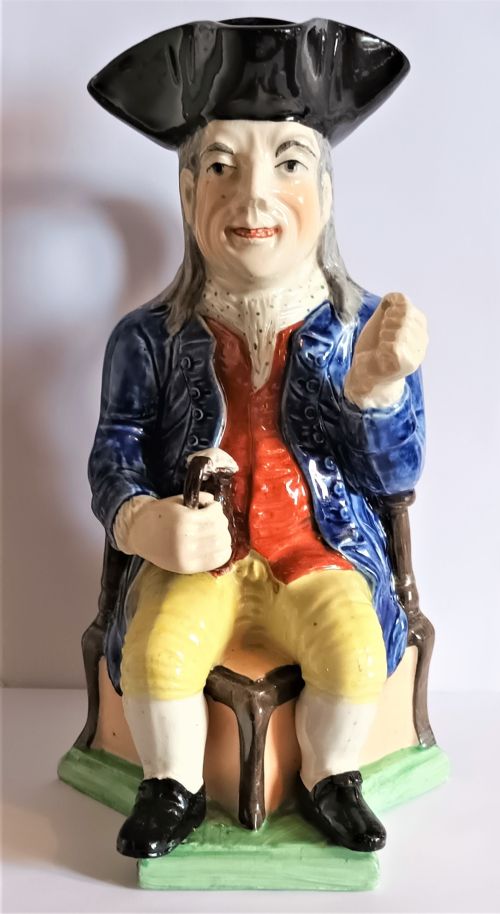
- A pottery jug shaped as a jovial, full-length seated figure, typically wearing eighteenth-century attire and holding a mug or jug of ale. They were popular domestic vessels in both Georgian and Victorian homes.
- Prattware
- Early earthenware characterised by underglaze cobalt, ochre and manganese colours applied beneath a clear lead glaze. Pieces often include decorative relief moulding.
Antique Staffordshire Figure: Frequently Asked Questions
What subjects do these figures depict?
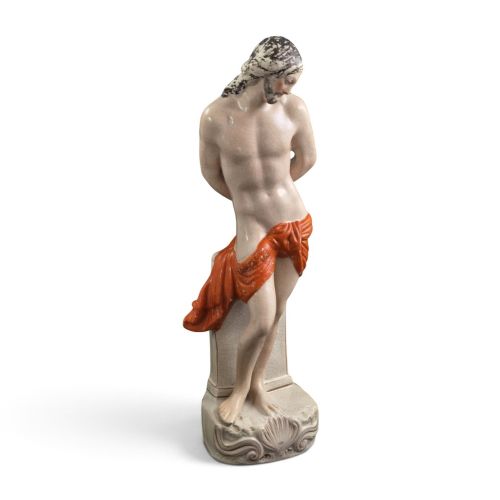
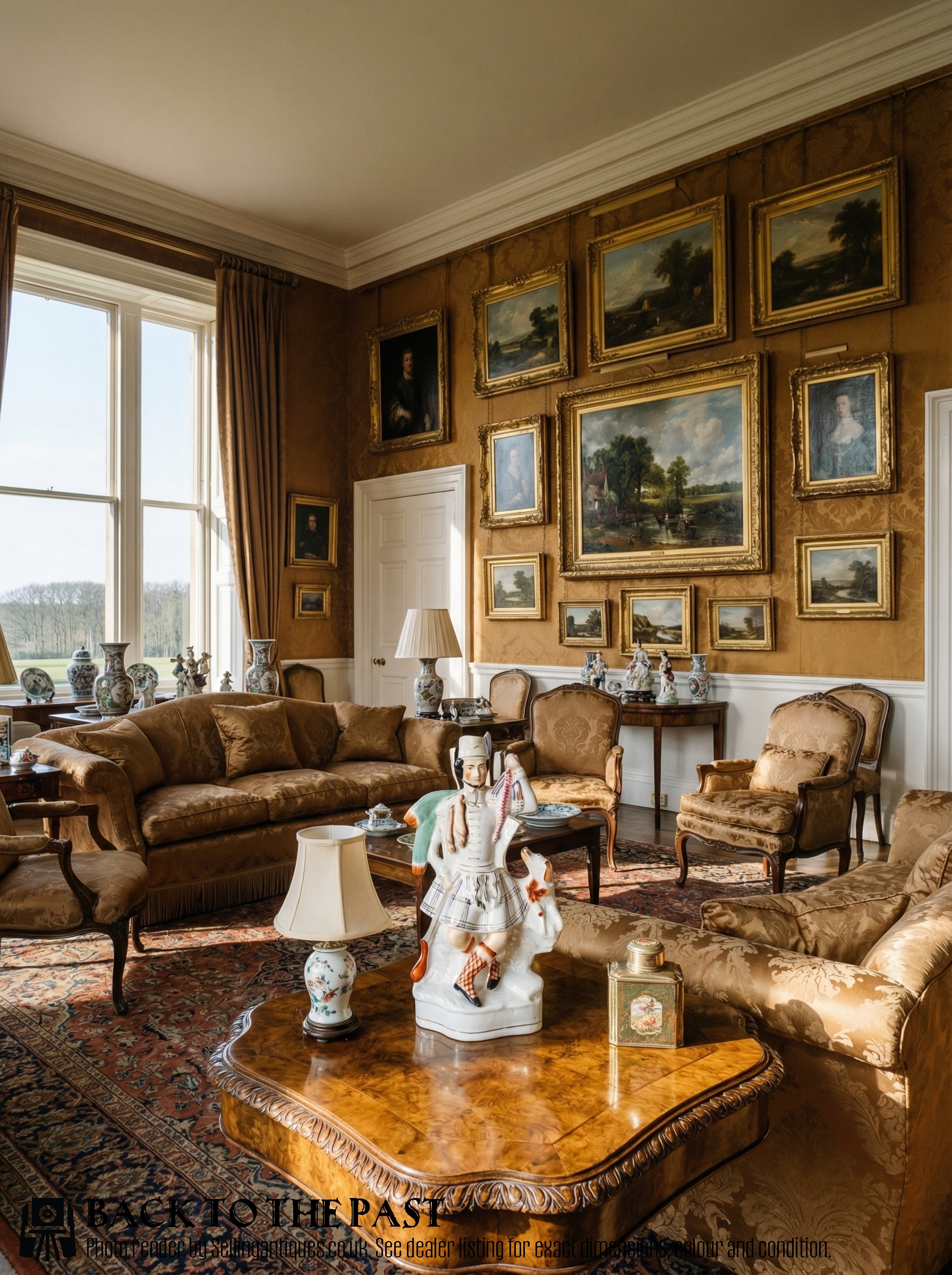
These ceramic works portray a broad spectrum of Victorian and Georgian life, including monarchs, politicians, literary figures, actors and religious scenes. Animal studies such as spaniels, greyhounds, lions and poodles also form a major part of the sculptural repertoire.
Historical events, military figures from the Crimean War, and pastoral workers reflect the cultural interests of the nineteenth-century public. Each subject offers a window into the popular taste and news of the era.
How do flatback figures differ from other pieces?
Flatback figures are moulded with a detailed front and a flat, unpainted back because they were intended to be placed directly against a wall on a mantelpiece or shelf. This style became dominant during the Victorian period as parlour decoration shifted.
Fully rounded figures, by contrast, are finished on all sides and were designed to stand on central tables or in cabinets where viewers could walk around them.
How should I care for antique ceramic figures?
Keep these earthenware pieces out of direct sunlight to prevent the enamel colours and gold leaf highlights from fading over time. Dust them gently with a soft, dry brush rather than using water or liquid cleaners, which can harm vulnerable glazes.
Ensure they rest on a stable, level surface away from vibrations, as nineteenth-century ceramic bodies can be fragile if knocked or dropped.