



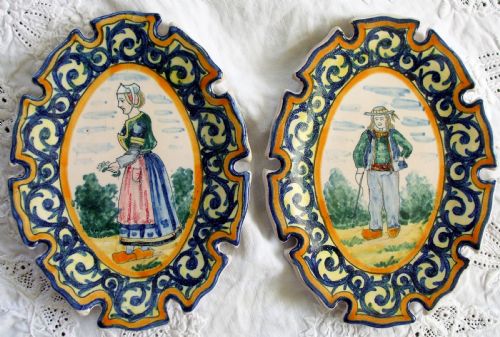
White Earthenware Figure
A white earthenware figure brings nineteenth-century domestic portraiture and animal studies into a room with direct charm.
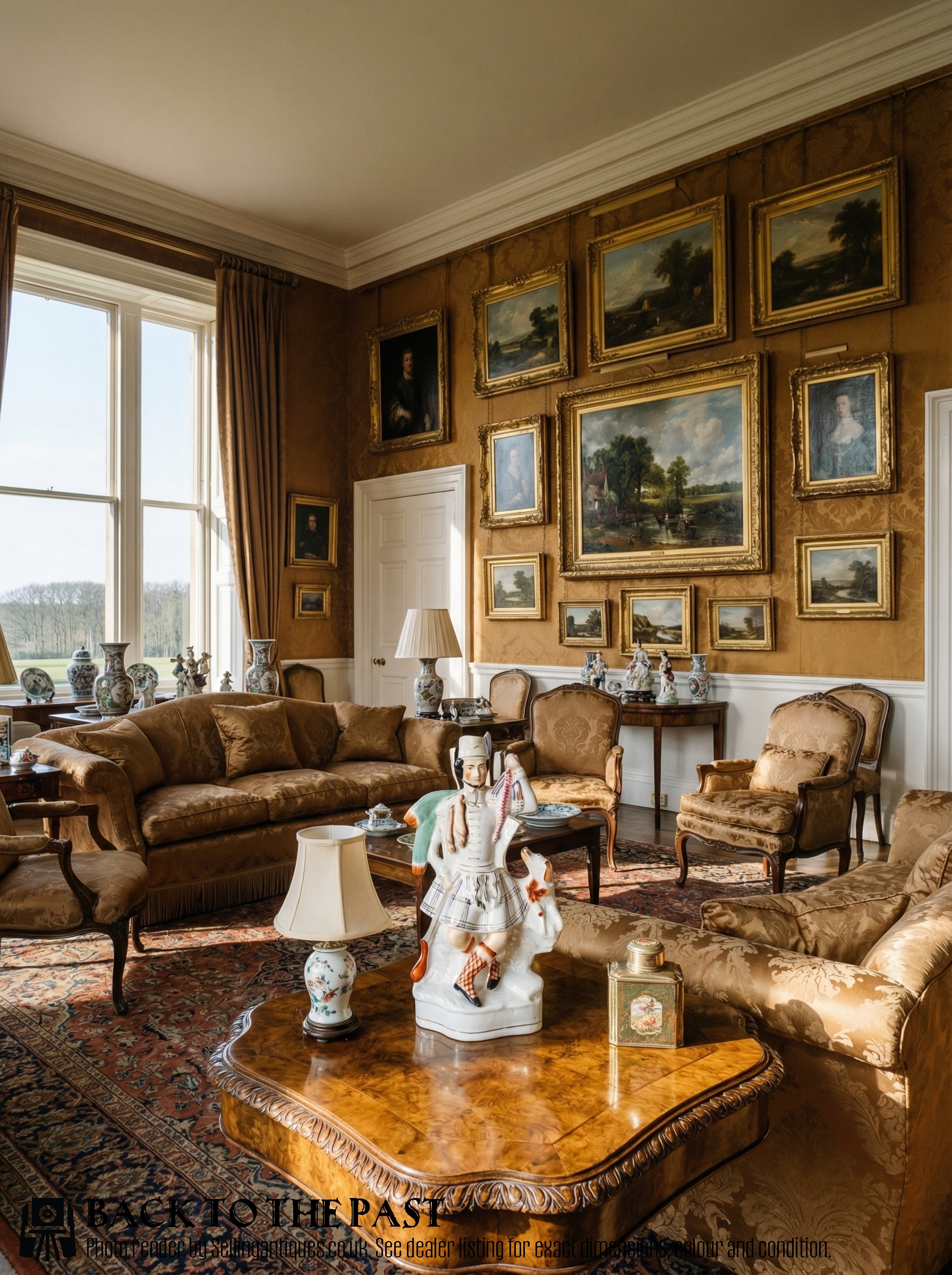
White Earthenware Figure
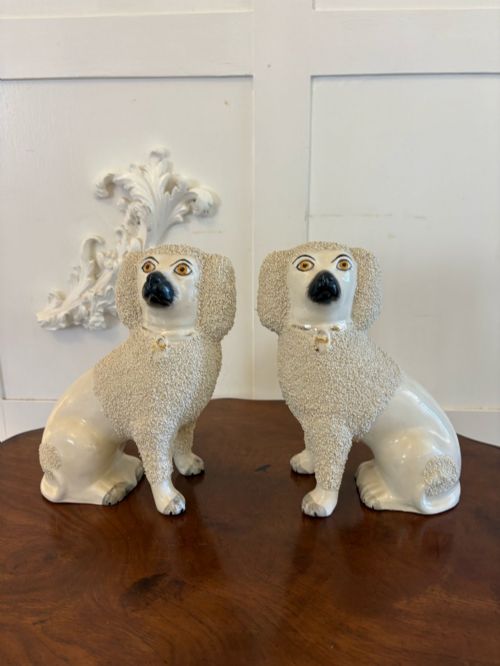
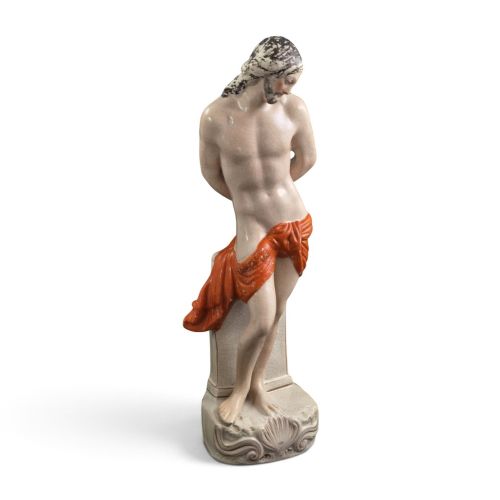
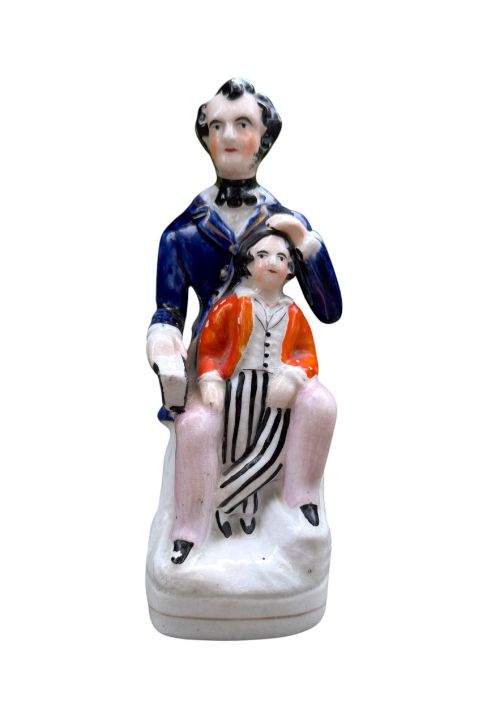
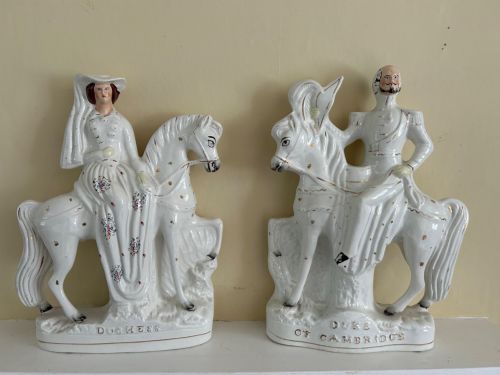
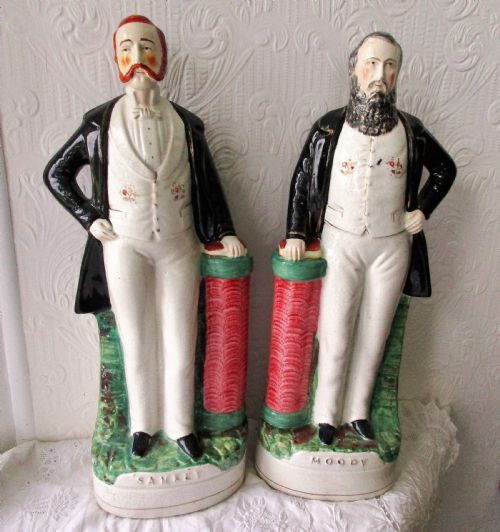
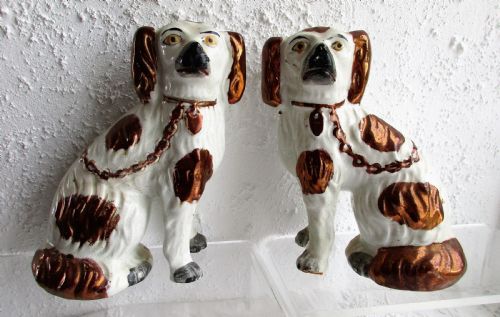
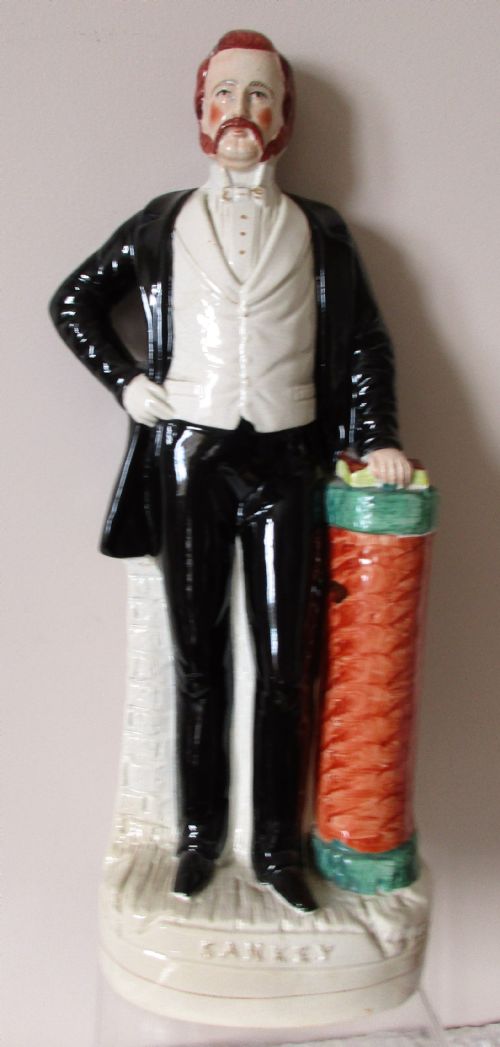
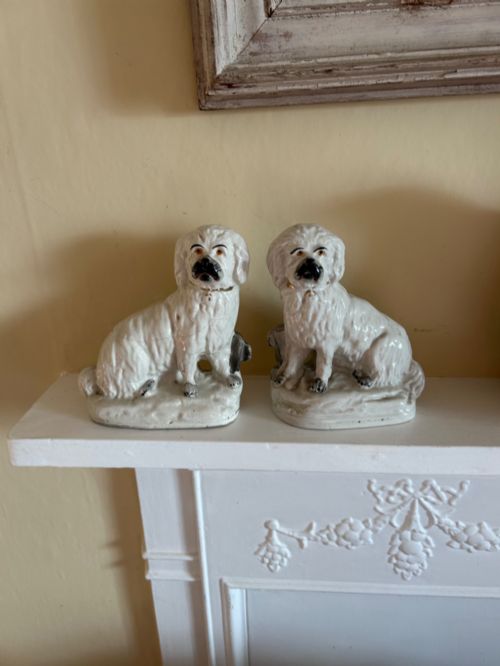
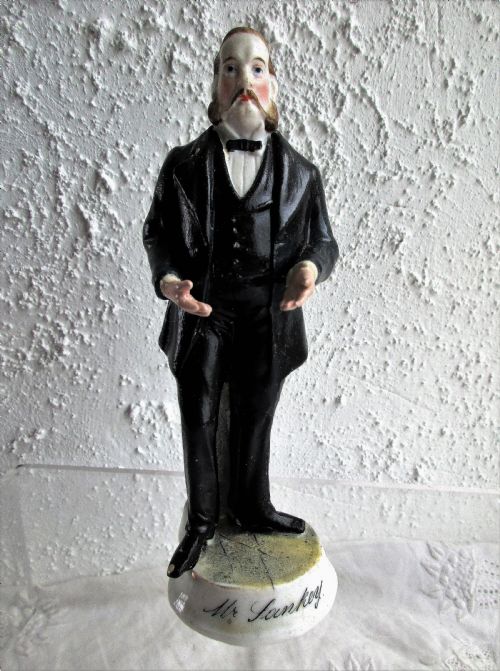
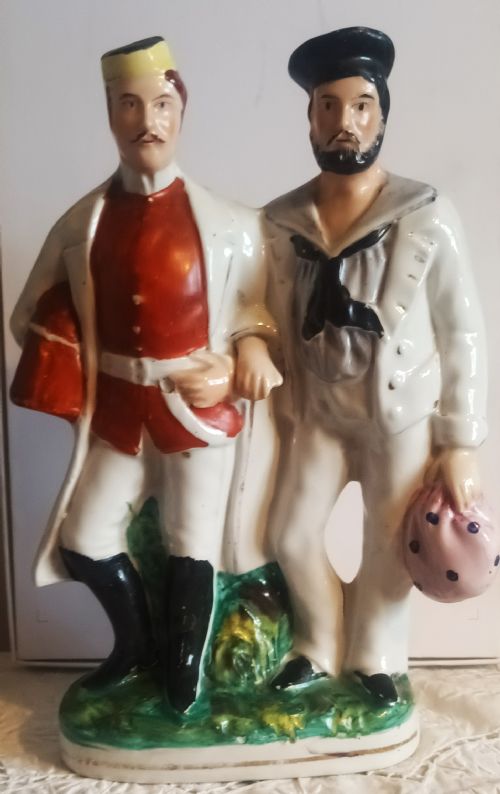
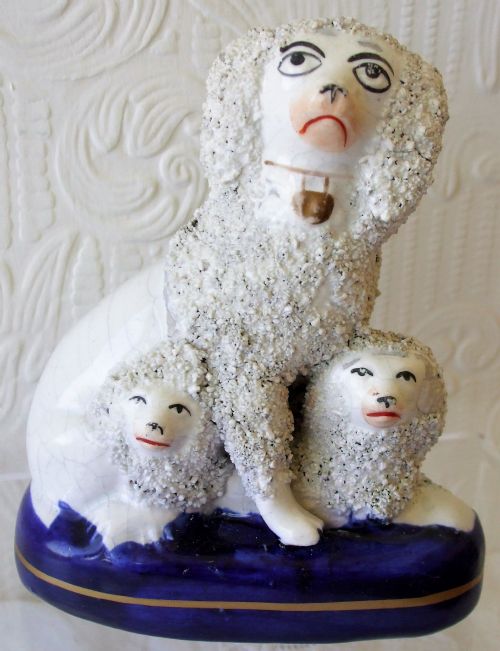
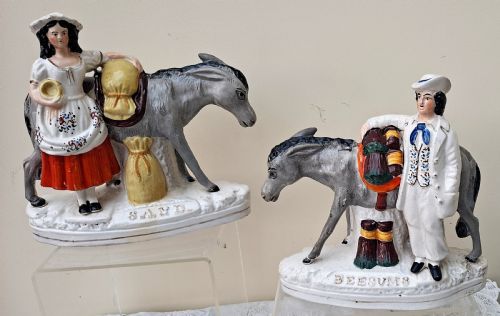
A white earthenware figure encompasses nineteenth-century Staffordshire dogs, portrait groups, and spill vases produced for mantelpiece display. These ceramic pieces portray monarchs, literary subjects, and domestic animals through modelled earthenware forms.
The versions met most frequently on this page belong to the Victorian era, spanning flatbacks, pairs of spaniels, and equestrian subjects. Production also reaches back to eighteenth-century Dutch Delftware and German Fayence traditions.
Forms range from simple money boxes and bookends to complex portrait groups commemorating contemporary events and figures. Makers utilised earthenware bodies finished with enamel paint, glaze, and occasional gilt detailing.
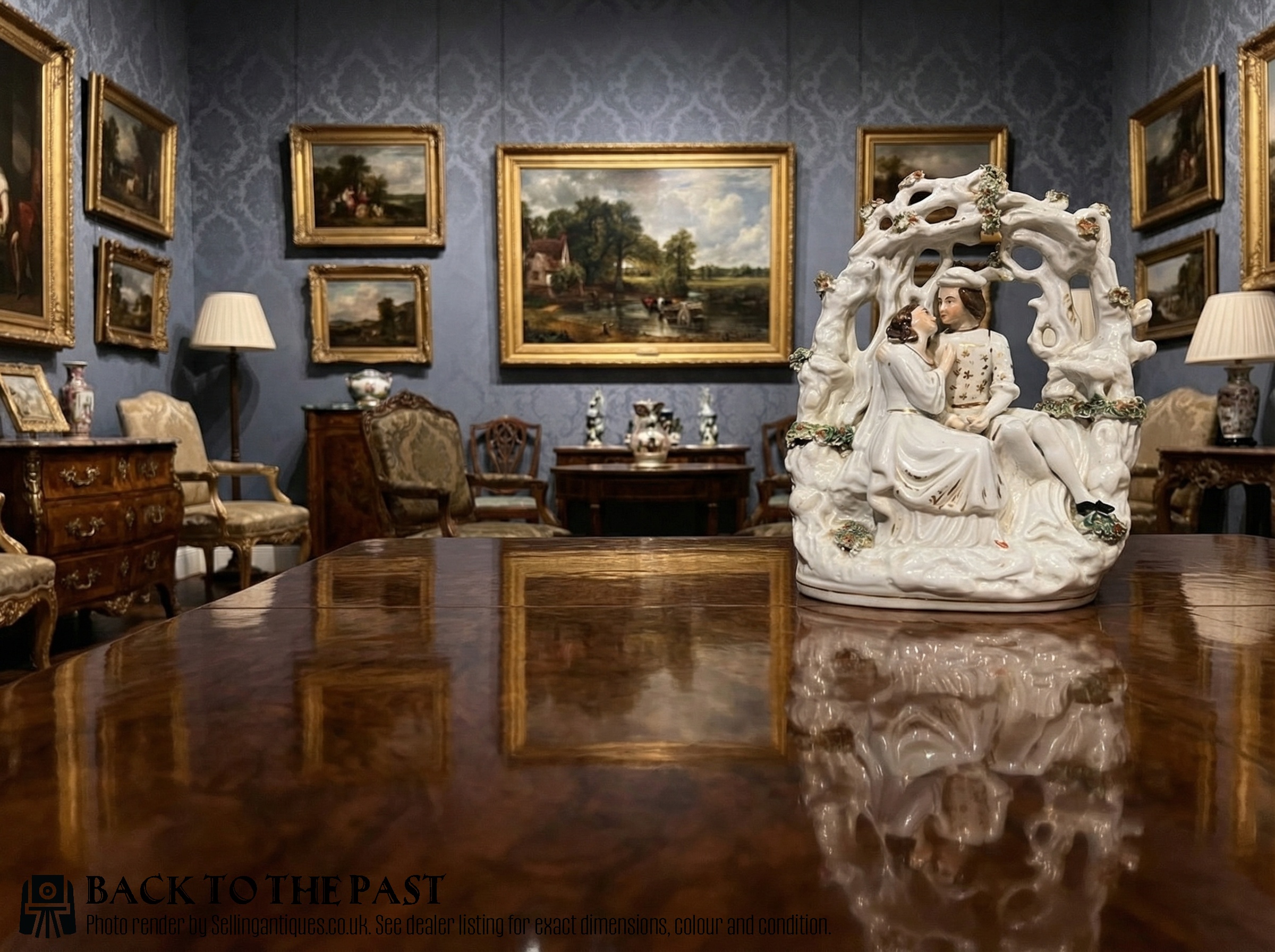
How They Were Made
Potters shaped these figures using clay bodies built up by hand or pressed into moulds before firing in kilns to create a stable earthenware biscuit. Artisans then applied tin glazes or lead glazes to seal the porous ceramic surface.
White Earthenware Figure Retail Price Guide 2026
Typical asking prices for white earthenware figure among the pieces listed under this phrase on Sellingantiques today, from the lower quarter to the upper quarter. They describe what is for sale here now, not the wider market.
Listings feature Victorian earthenware alongside eighteenth-century Dutch Delftware and German Fayence examples.
What Varies in Quality
The fineness of the modelling dictates the visual strength of a white earthenware figure, separating crisp facial expressions and detailed anatomy from softer, blurred casts. Skill in hand-painting defines the precision of enamel detailing across eyes, coats, and garments.
Proportion and symmetry distinguish superior pairs of Staffordshire dogs and companion figures. Consistency in the glaze and stability of the ceramic body further separate standard commercial output from more ambitious workshop productions.
Thomas Parr·Wooley
The White Earthenware Figure Glossary
- Earthenware
- Porous pottery fired at lower temperatures than stoneware or porcelain. It requires a glaze to hold liquids and forms the primary body for these figures.
- Flatback
- A Staffordshire figure modelled with a finished front and a plain, unglazed or partially glazed flat rear designed to sit flush against a wall.
- Pearlware
- A refined type of earthenware developed in the late eighteenth century featuring a thin glaze with a faint bluish tint that pooled in recesses.
- Tin-glazed Earthenware
- Pottery covered with an opaque white glaze containing tin oxide, providing a smooth surface for painted enamel decoration.
- Spill Vase
- A hollow ceramic figure incorporating an attached cylinder designed to hold wooden spills for lighting candles or fires.
White Earthenware Figure: Frequently Asked Questions
How were Staffordshire figures displayed?
These figures stood in pairs upon mantelpieces, sideboard tops, and chests of drawers within nineteenth-century parlours. Their flat backs allowed them to rest securely against cottage and townhouse walls.
Owners arranged them symmetrically to frame fireplace openings or anchor decorative groupings alongside clocks and vases.
What subjects do these figures show?
Subjects include royalty, military commanders, literary characters, and contemporary public figures such as preachers and politicians. Domestic and exotic animals also feature prominently.
Pairs of spaniels, poodles, and zebras reflect Victorian interests in pets and natural history alongside historical portrait groups.
How do you date a flatback?
Dating relies on dress styles, historical subjects, and the specific composition of the ceramic body and glaze. Victorian pieces often commemorate events from the mid-nineteenth century.
Markings, weight, and the intensity of the enamel colours provide further clues to the manufacturing decade.
Are these figures waterproof?
Most pieces possess a porous earthenware body covered with lead or tin glaze that seals the surface for display purposes. They function well as decorative objects rather than utilitarian vessels.
Submerging them in water or using them continuously as vases risks moisture penetration through historical hairline cracks in the glaze.